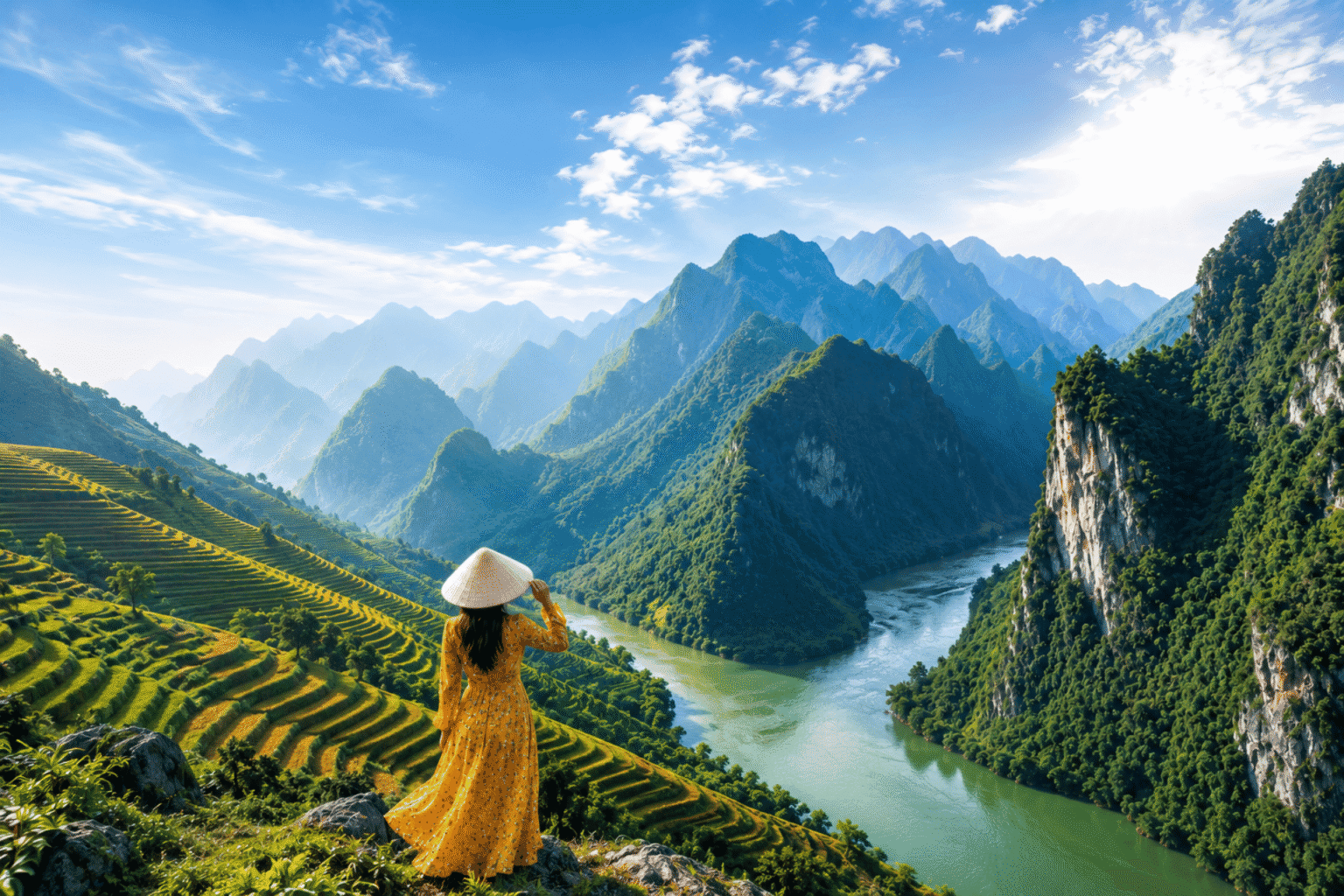
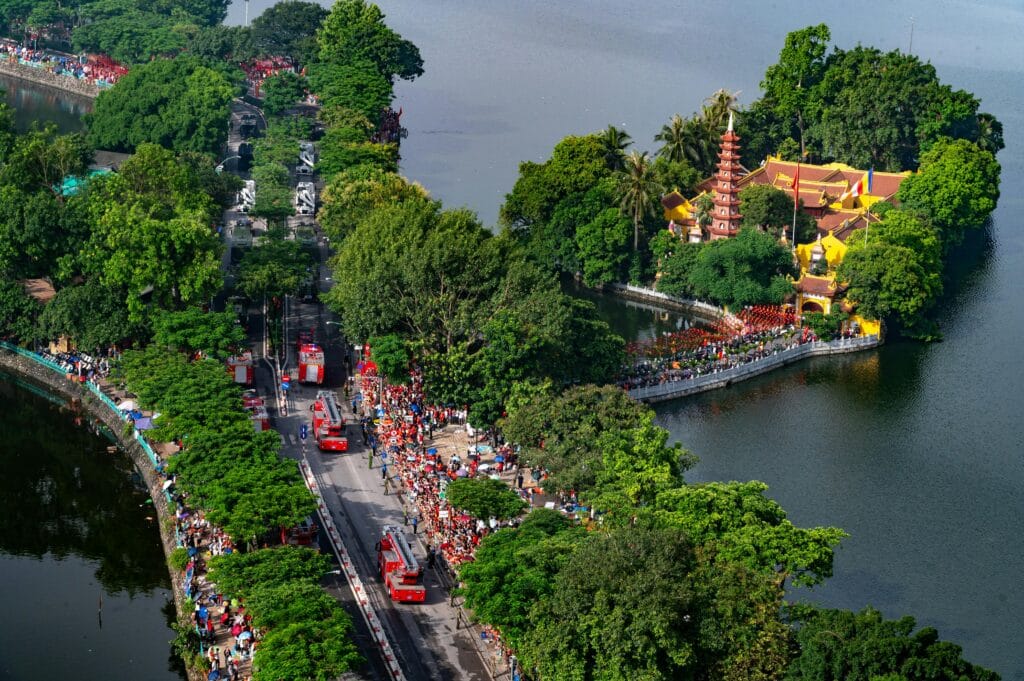
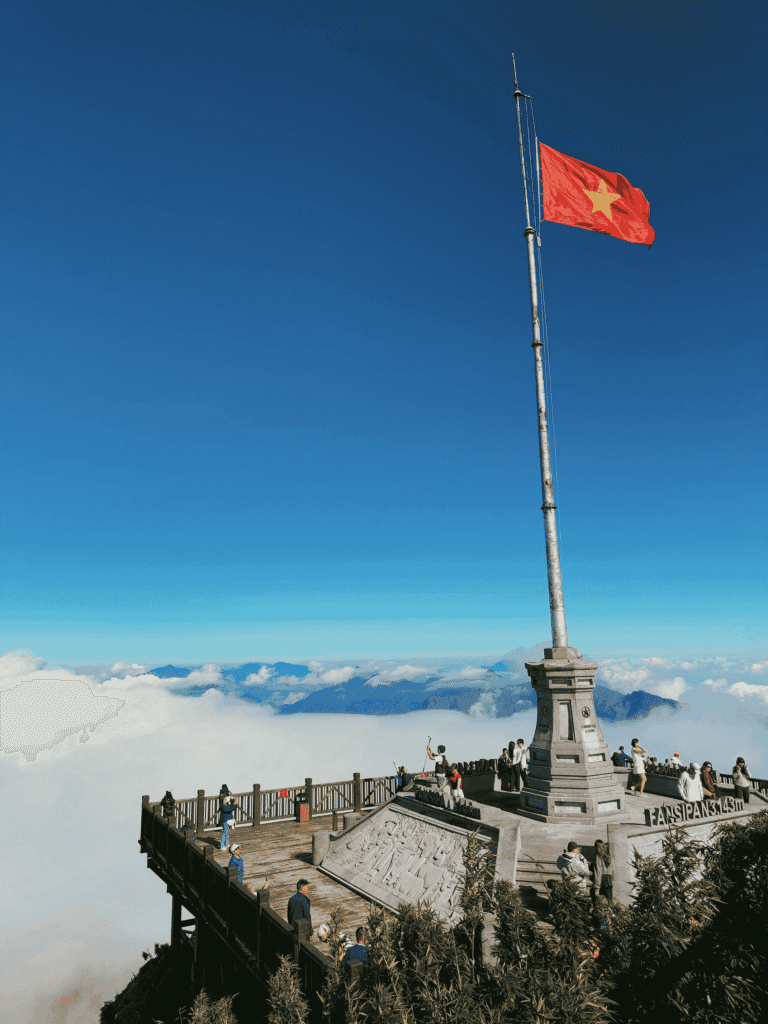
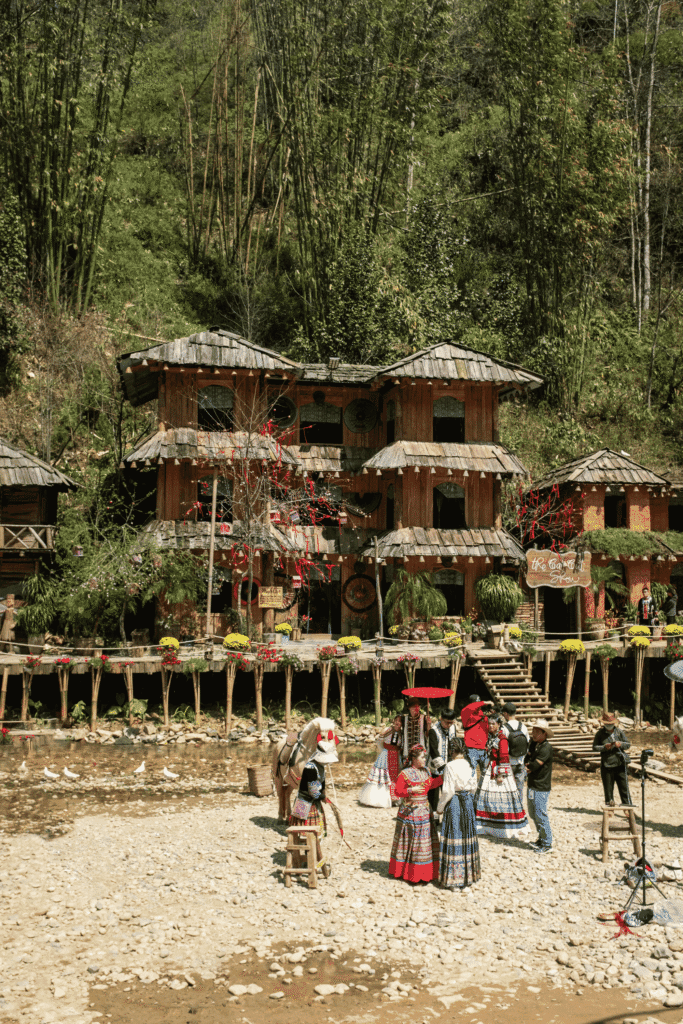
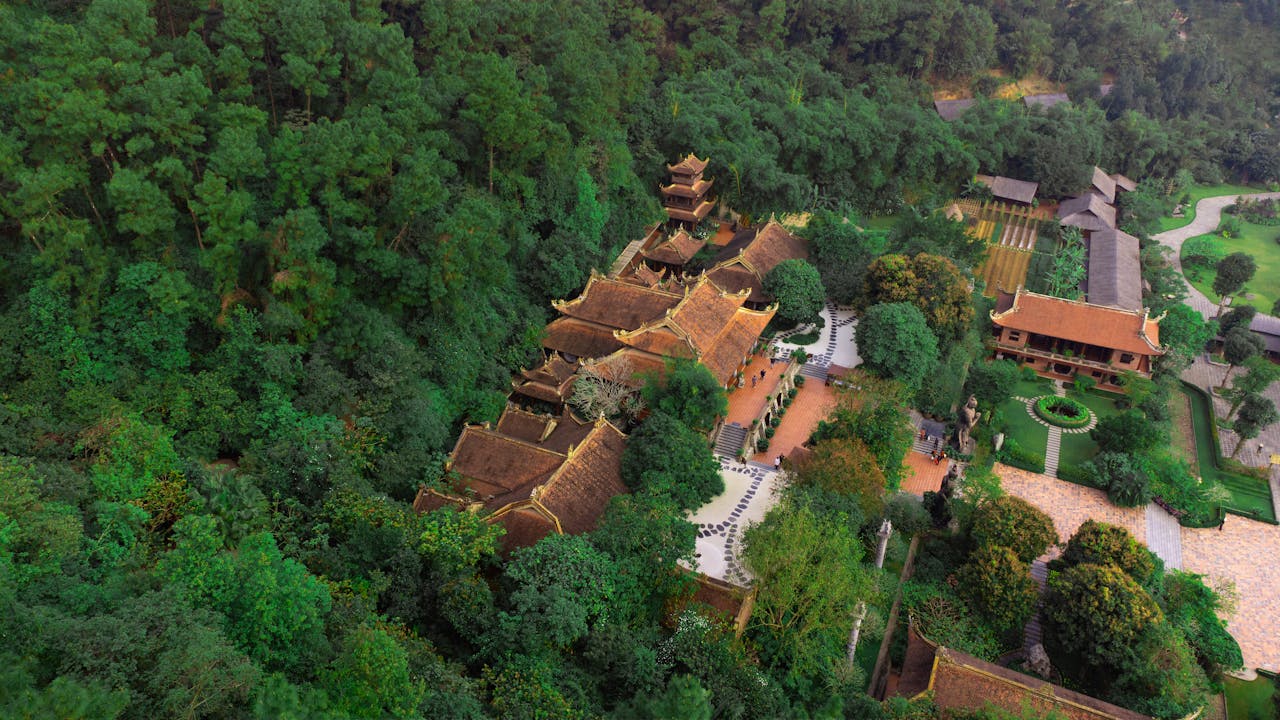
Planning a trip to North Vietnam for the first time? This region offers a completely different side of Vietnam — from the lively streets of Hanoi to the peaceful rice terraces of Sapa and the limestone islands of Ha Long Bay.

North Vietnam is known for its dramatic landscapes, rich culture, cooler climate, and unforgettable local experiences. Whether you enjoy food, nature, trekking, or cultural travel, this part of the country has something for every traveler.

This North Vietnam travel guide covers the best destinations, local food, transportation tips, the best time to visit, and an easy 7–10 day itinerary to help you plan your trip with confidence.

🗺️ Top Destinations in North Vietnam

North Vietnam combines busy cities, mountain villages, rivers, rice terraces, and coastal scenery all within one region. Here are some of the most popular destinations worth adding to your itinerary.

🧭 What Makes North Vietnam Unique?

This North Vietnam travel guide highlights a region filled with dramatic natural beauty, deep-rooted traditions, and some of the most unforgettable travel experiences in Southeast Asia. Unlike the tropical beaches of the south or the fast-paced cities of central Vietnam, Northern Vietnam offers a unique blend of ancient culture, misty mountain landscapes, peaceful countryside, and vibrant local life.

From the historic charm of Hanoi’s Old Quarter to the limestone islands of Ha Long Bay, the mountain valleys of Sapa, and the legendary motorbike routes of Ha Giang, North Vietnam is incredibly diverse. Travelers can experience ethnic minority cultures, colorful local markets, rice terraces, traditional villages, and authentic Vietnamese cuisine all within one region.

One of the things that makes Northern Vietnam so special is the contrast between its destinations. In just a few days, you can explore bustling city streets, cruise through breathtaking bays, trek in remote mountain areas, and relax in quiet rural landscapes. The region is also known for its cooler climate, scenic road trips, and rich history that dates back thousands of years.

Whether you are looking for adventure, culture, photography, food, or local experiences, North Vietnam offers a more authentic and immersive side of the country. This guide will help you discover the best places to visit, travel tips, transportation options, local foods, and everything you need to plan an unforgettable journey through Northern Vietnam.

🏞 Spectacular mountain landscapes and rice terraces

❤ Rich cultural diversity with ethnic communities

❄ Cooler climate compared to southern regions

🏞 A mix of bustling cities and peaceful countryside

🌤️ Best Time to Visit North Vietnam

Understanding the weather is essential when planning your North Vietnam travel itinerary, as the region experiences four distinct seasons with changing temperatures, rainfall, and travel conditions throughout the year. From cool mountain winters to warm summer landscapes, each season offers a completely different travel experience across Northern Vietnam.

The best time to visit North Vietnam is generally from September to November and March to May. During these months, the weather is more comfortable, skies are clearer, and temperatures are ideal for sightseeing, trekking, cruising, and outdoor adventures. Rice terraces in Sapa and Ha Giang are especially beautiful during the autumn harvest season, while spring brings green landscapes, blooming flowers, and pleasant temperatures across the region.


🌸 Spring (March–May)

Spring offers mild temperatures and fresh scenery throughout the region. Flowers begin to bloom, mountain valleys turn green, and conditions are excellent for trekking and cultural experiences. This season is ideal for travelers who want comfortable weather without the intense summer heat.

✔ Mild temperatures

✔ Blooming landscapes

✔ Ideal for sightseeing

☀️ Summer (June–August)

Summer in North Vietnam can be hot and humid, especially in cities like Hanoi. However, this is still a popular travel season thanks to vibrant green landscapes and dramatic mountain scenery. Rain showers are more common during this period, particularly in mountainous areas, but they often pass quickly.

✅ Hot and humid

✅ Heavy rain (can affect travel plans)

🍂 Autumn (September–November)

Autumn is considered one of the most beautiful seasons in Northern Vietnam. The weather is cooler, humidity drops, and the skies are often clear and sunny. This is the perfect time for visiting Hanoi, cruising Ha Long Bay, or exploring mountain destinations like Sapa and Ha Giang. September and October are also famous for golden rice terraces and stunning photography opportunities.

✳ Best overall season

✳ Clear skies and cool weather

✳ Golden rice terraces in Sapa

❄️ Winter (December–February)

Winter brings cooler temperatures to Northern Vietnam, especially in the mountains where temperatures can occasionally drop near freezing. Hanoi becomes quieter and more atmospheric, while destinations like Sapa may experience fog, cold weather, and even rare snowfall. If you enjoy fewer crowds and a cozy travel atmosphere, winter can still be a rewarding time to visit.

No matter the season, Northern Vietnam offers unique experiences year-round. Choosing the right time depends on whether you prefer trekking, cultural exploration, photography, cruising, or cooler weather for outdoor adventures.

✨ Cold, especially in mountains

✨ Occasional frost or snow in highlands

👉 The best time for North Vietnam travel is from October to April when the weather is cooler and ideal for sightseeing and trekking.

🍜 Must-Try Food in North Vietnam

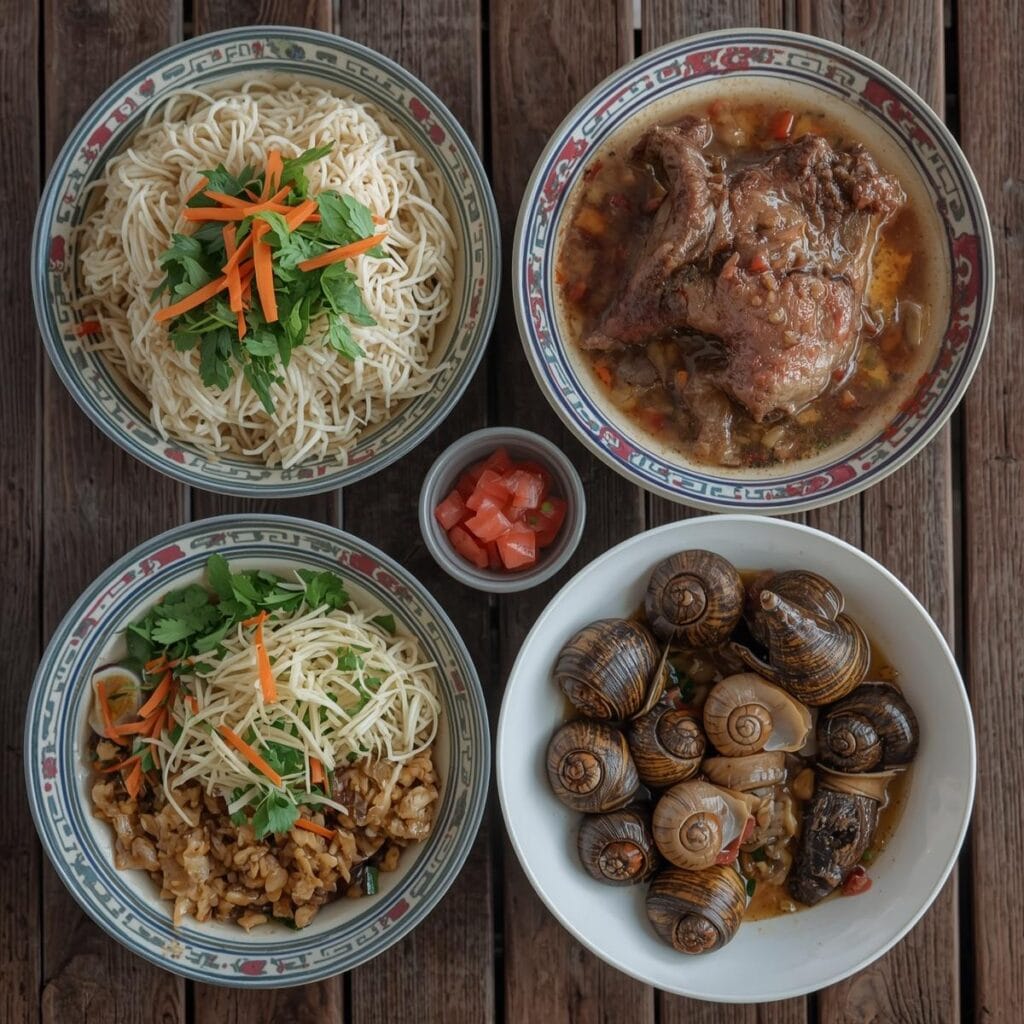
This North Vietnam travel guide wouldn’t be complete without exploring its local cuisine. Food is one of the highlights of traveling in North Vietnam. Every destination has its own specialties and local flavors.

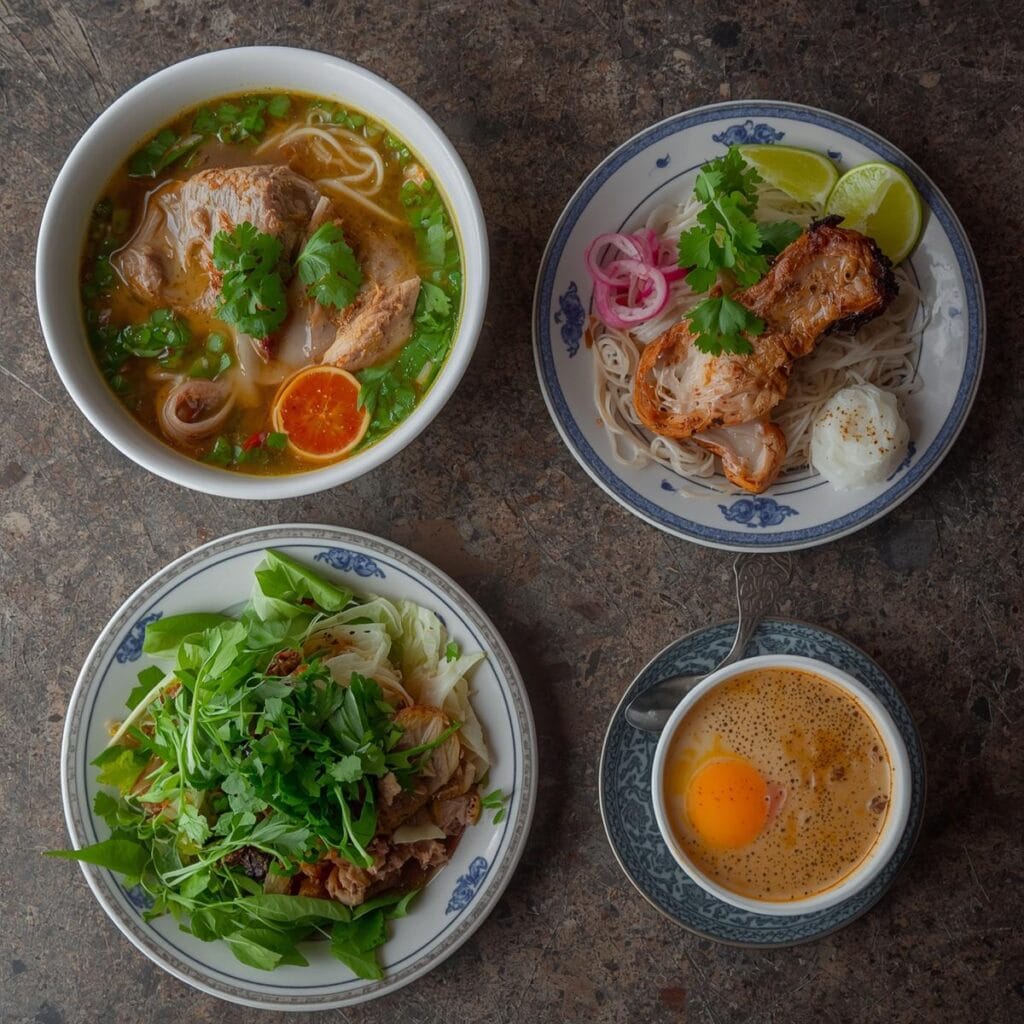
foods in Hanoi, Vietnam

Food to Try in Hanoi

Hanoi is widely considered one of the best street food cities in Asia.

Popular dishes include:

  • Pho Bo (beef noodle soup)
  • Bun Cha
  • Banh Mi
  • Egg Coffee
  • Sticky rice dishes
  • Fresh spring rolls

Street food is usually affordable, delicious, and easy to find throughout the city.

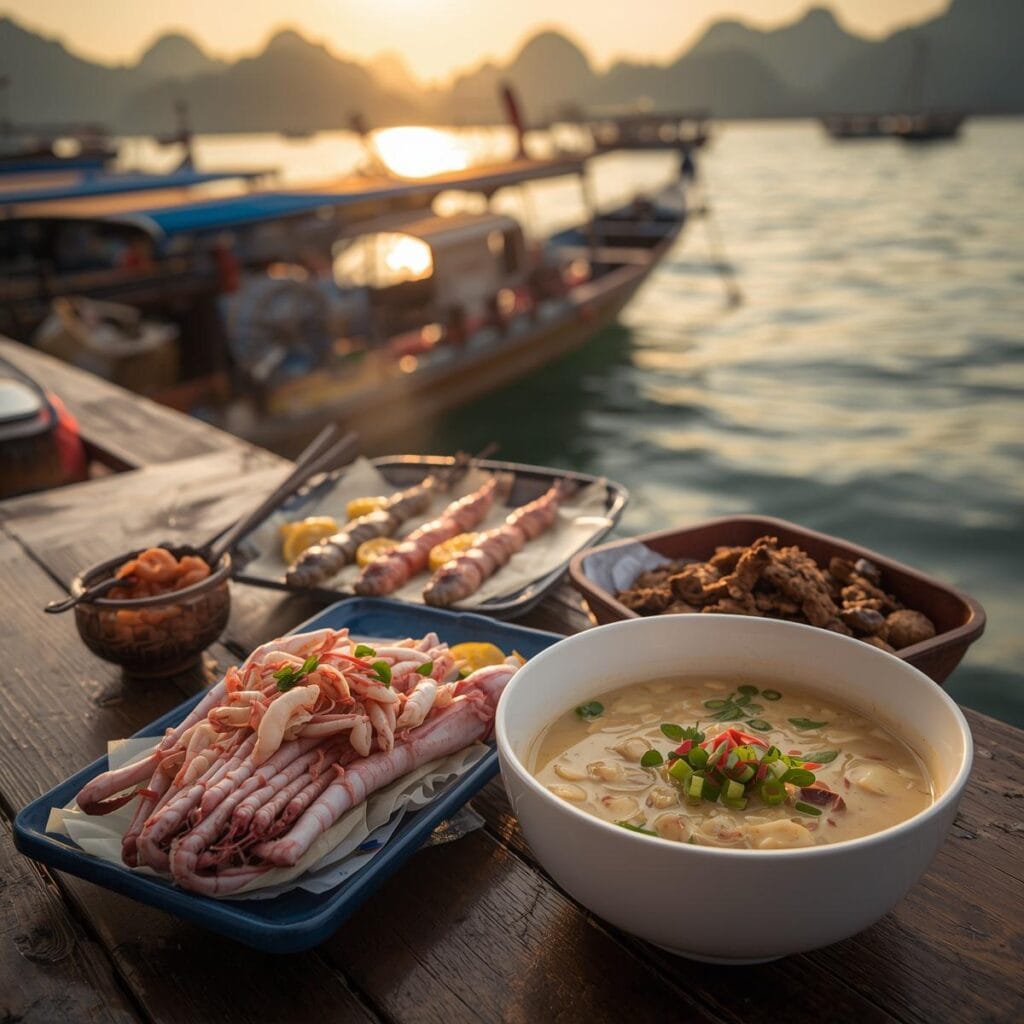
Seafood in Ha Long Bay

Fresh seafood is a major part of the Ha Long Bay experience.

Popular dishes include:

  • Grilled squid
  • Seafood hotpot
  • Oysters
  • Clams
  • Fresh prawns and crab
fresh seafood in ha long bay
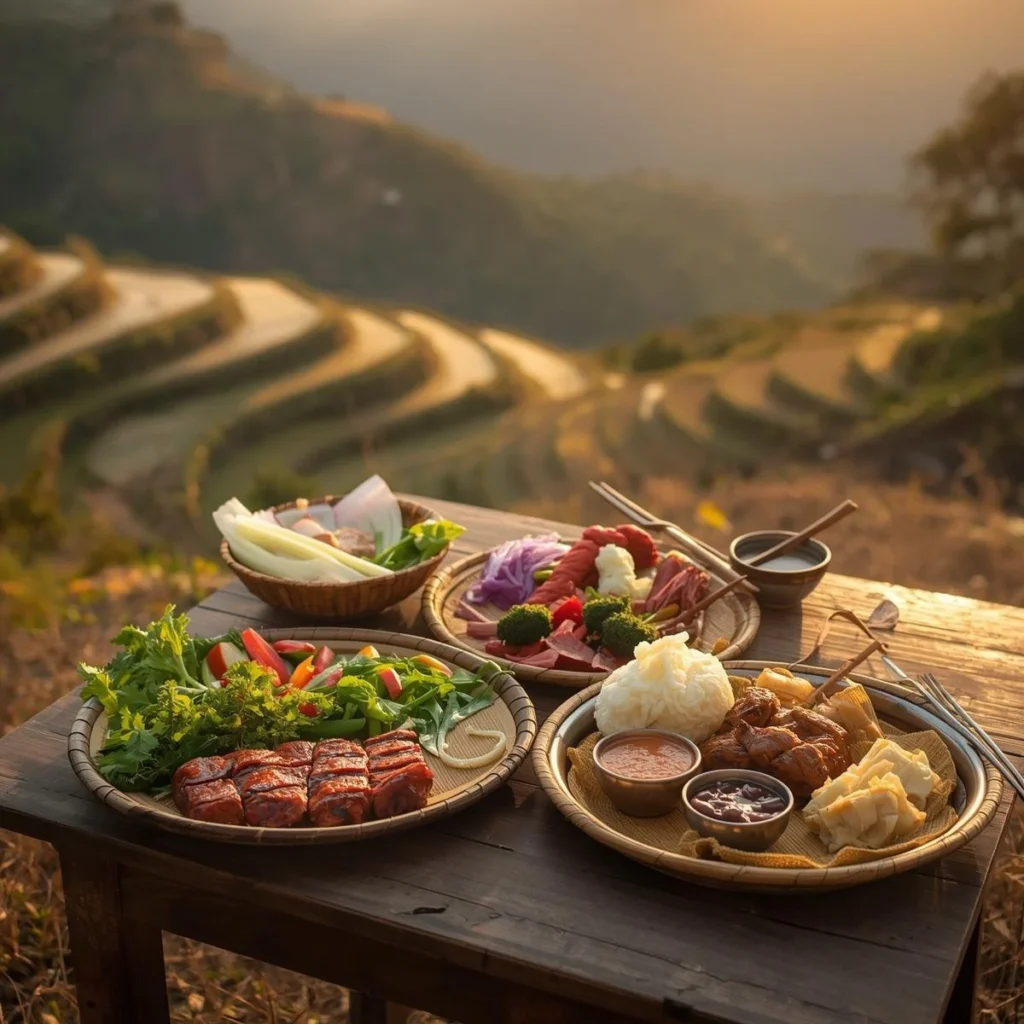
sapa foods

Mountain Food in Sapa

Sapa’s cooler climate creates a very different style of cuisine compared to southern Vietnam.

Local specialties include:

  • Mountain barbecue
  • Salmon hotpot
  • Traditional stews
  • Fresh vegetables
  • Sticky rice cooked in bamboo

Local Specialties in Ninh Binh

Ninh Binh is famous for:

  • Crispy rice (com chay)
  • Mountain goat meat
  • River fish dishes
  • Local snails
ninh binh foods

👉 Street food is safe, affordable, and often the best experience.

🚆 Transportation in North Vietnam: Best Ways to Get Around

Getting around is easy with multiple options across North Vietnam. This North Vietnam travel guide helps you choose the best transportation for your trip.


For most travelers, limousine buses and private cars offer the best balance of comfort and convenience.

🗺 North Vietnam Itinerary: 7–10 Days Travel Plan for First-Time Visitors

This North Vietnam travel guide itinerary is designed for first-time visitors who want to experience the perfect mix of culture, nature, local food, and adventure across Northern Vietnam. Whether you are planning a short vacation or a longer backpacking journey, this itinerary helps you discover the region’s most iconic destinations while still leaving room for authentic local experiences.

From the historic streets of Hanoi and the breathtaking scenery of Ha Long Bay to the mountain landscapes of Sapa and Ha Giang, Northern Vietnam offers incredible diversity within a relatively compact area. Travelers can enjoy ancient temples, bustling night markets, scenic road trips, rice terraces, ethnic minority villages, and some of the best Vietnamese food in the country — all in one unforgettable journey.

This suggested North Vietnam itinerary is ideal for travelers looking to balance famous attractions with hidden gems. It includes practical travel routes, transportation tips, recommended durations, and destination highlights to help you plan your trip more efficiently. Whether you travel by motorbike, bus, train, or private car, this guide will help you explore Northern Vietnam with confidence and make the most of your time in the region.

Day 1–2: Hanoi – Explore the Old Quarter and local culture

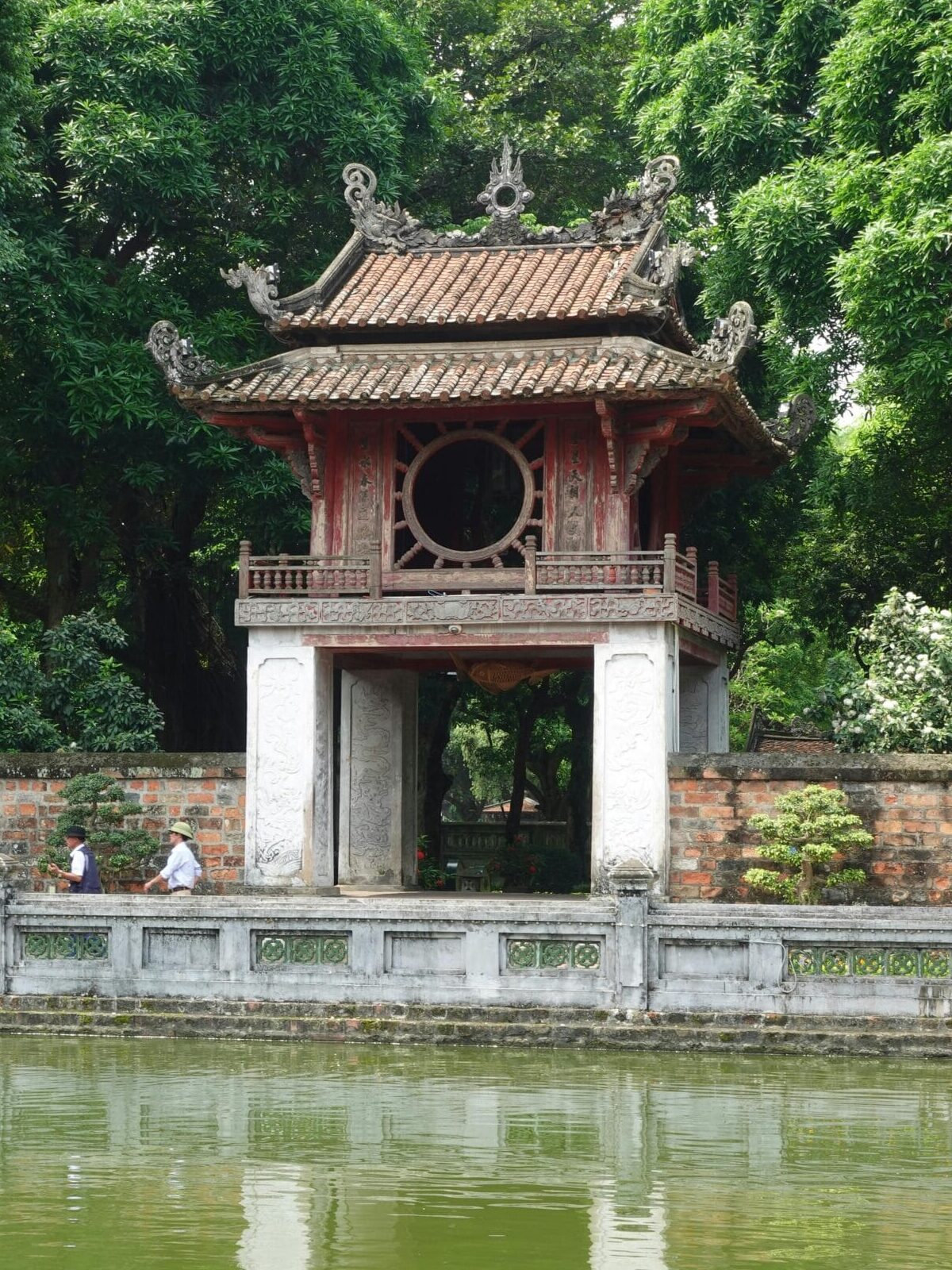
Discover the vibrant charm of Hanoi’s Old Quarter, where narrow streets, street food, and colonial architecture blend with authentic local life. Visit Hoan Kiem Lake, explore temples, and experience Vietnam’s rich cultural heritage.

Day 3–4: Ha Long Bay – Cruise and relax

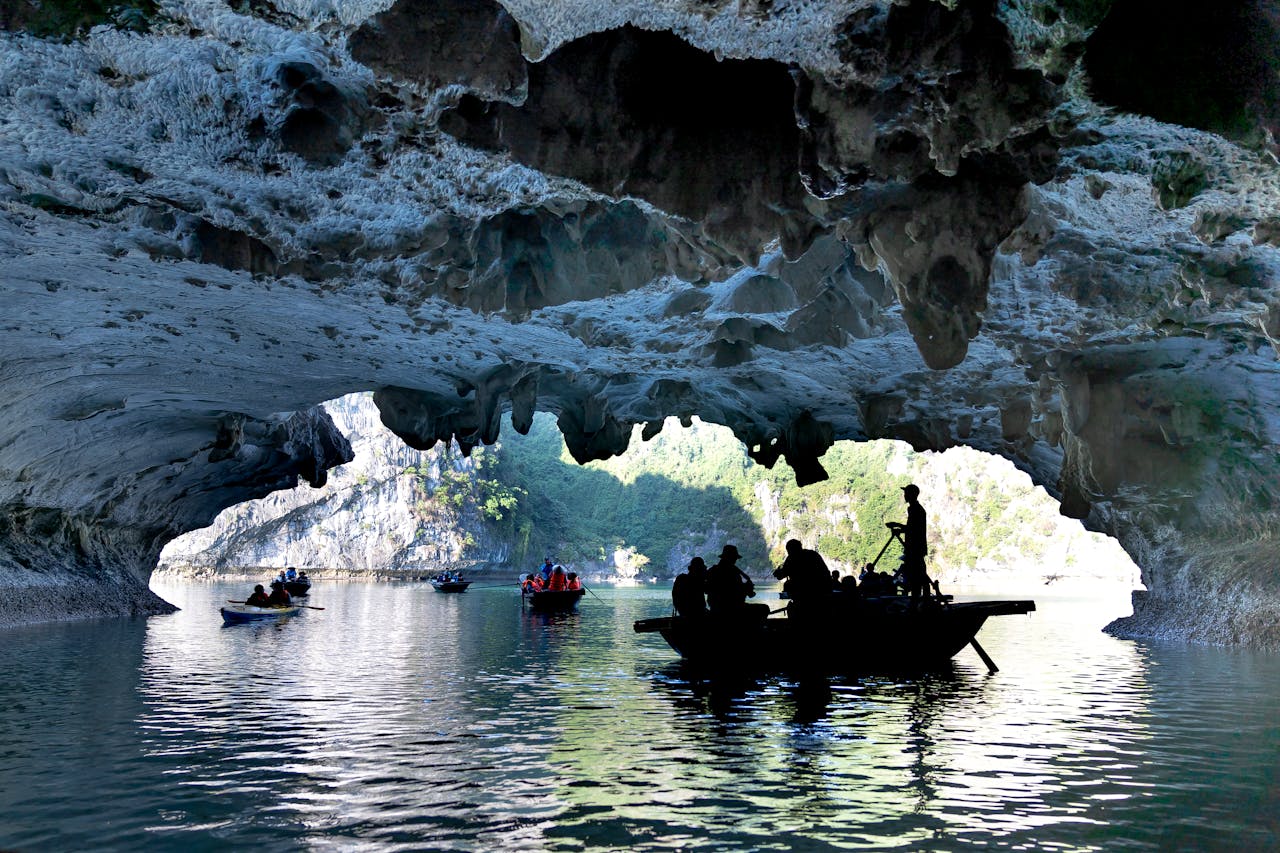
Sail through the iconic limestone karsts of Ha Long Bay on an overnight cruise. Enjoy kayaking, cave exploration, and breathtaking sunset views in one of Vietnam’s most famous landscapes.

Day 5–7: Sapa – Trekking and mountain views

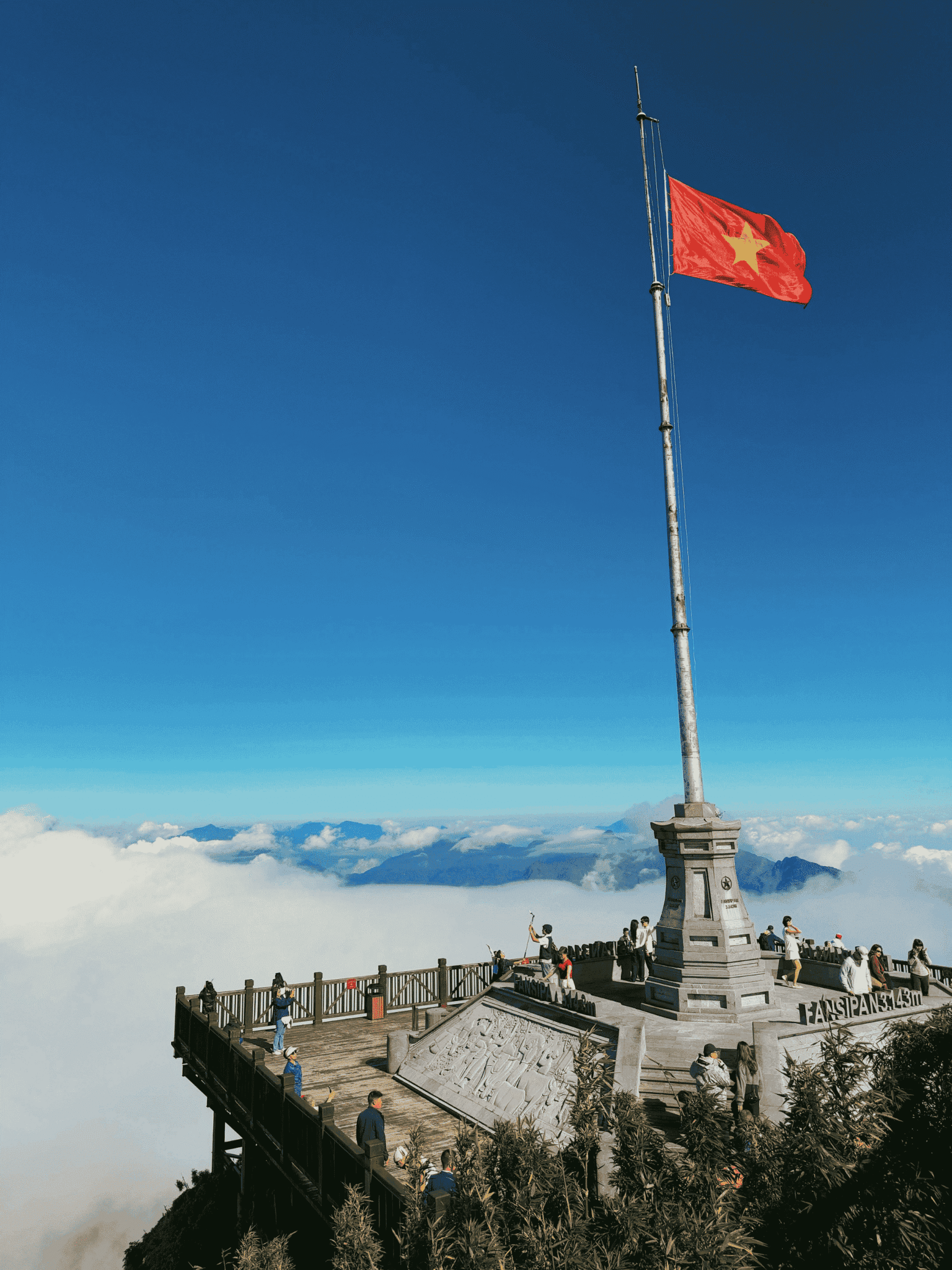
Head to Sapa for stunning rice terraces and ethnic minority villages. Trek through scenic valleys, meet local communities, and enjoy cool mountain air in northern Vietnam.

Day 8-10: Ninh Binh or Ha Giang – Nature Escape or Epic Loop

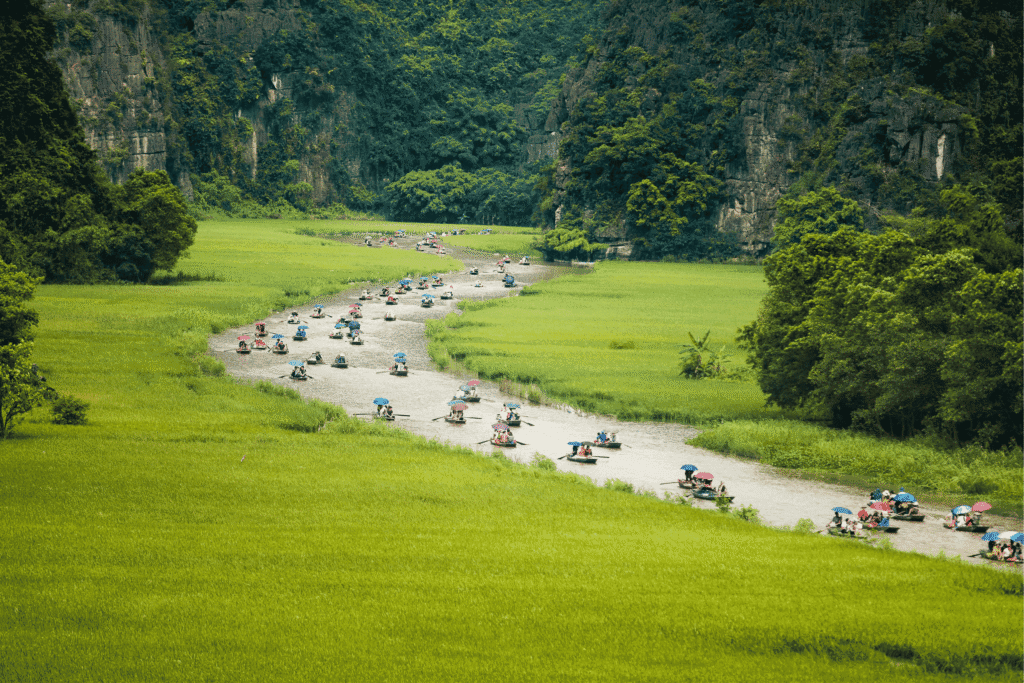
Choose between the peaceful landscapes of Ninh Binh, known as “Ha Long Bay on land,” with rivers and limestone cliffs, or embark on the adventurous Ha Giang Loop for dramatic mountain passes and authentic off-the-beaten-path experiences.

→ Customize your North Vietnam itinerary based on your travel style and season

Essential Travel Tips for North Vietnam

This North Vietnam travel guide includes essential tips to help you plan a smooth trip.

✅ Visa: Apply for a Vietnam e-visa in advance

✅ Packing: Bring layered clothing (weather varies by region)

✅ Cash: Carry cash for local markets and small vendors

✅ SIM Card: Cheap and easy to buy at airports or stores

✅ Safety: North Vietnam is safe—just follow basic precautions

✅ Weather: Be prepared for sudden weather changes in the mountains

✅ Booking: Reserve transport and accommodation early in peak seasons

❓ FAQ

How many days do you need in North Vietnam?

Most travelers spend around 7–10 days exploring the region comfortably.

Is North Vietnam safe for tourists?

Yes. North Vietnam is generally very safe, including for solo travelers.

When is the best time to see rice terraces in Sapa?

Late September to early October is the best time for golden rice terraces.

Do you need cash in Vietnam?

Yes. Credit cards are accepted in larger cities, but cash is still useful in local markets and smaller towns.

❤️ Why North Vietnam Is Worth Visiting

North Vietnam offers a combination of culture, nature, food, and local experiences that feels very different from many other destinations in Southeast Asia.

One day you can be drinking coffee beside a quiet lake in Hanoi, and the next you could be trekking through mountain villages surrounded by rice terraces.

The diversity of landscapes and experiences is what makes North Vietnam so memorable.

Whether you’re visiting Vietnam for the first time or returning to explore more deeply, North Vietnam is a destination that leaves a lasting impression.

🔗 Explore More Vietnam Travel Guides

Continue your journey:

Looking for more? Check out our complete Vietnam Travel Guide for a full overview of destinations across the country.


Explore Vietnam Through Videos

Prefer watching instead?

Explore Vietnam through our videos and social channels — from travel guides to local insights and hidden gems.

✅ Watch Vietnam travel videos on YouTube
👉 Follow on Instagram
👉 Connect on Facebook

🏁 Conclusion

North Vietnam offers a perfect combination of natural beauty, rich culture, local food, and unforgettable adventures. From the historic charm of Hanoi and the stunning limestone landscapes of Ha Long Bay to the breathtaking mountain scenery of Sapa and Ha Giang, every destination brings a different side of Vietnam to explore.

Whether you are traveling for culture, photography, trekking, food, or scenic road trips, Northern Vietnam provides experiences that feel both authentic and unforgettable. The region’s diversity makes it ideal for first-time visitors as well as travelers returning to Vietnam for deeper exploration.

With proper planning, flexible timing, and the right itinerary, your journey through North Vietnam can easily become one of the highlights of Southeast Asia travel.

Use this North Vietnam travel guide to plan your trip with confidence and discover the best destinations, local experiences, and hidden gems across Northern Vietnam.