


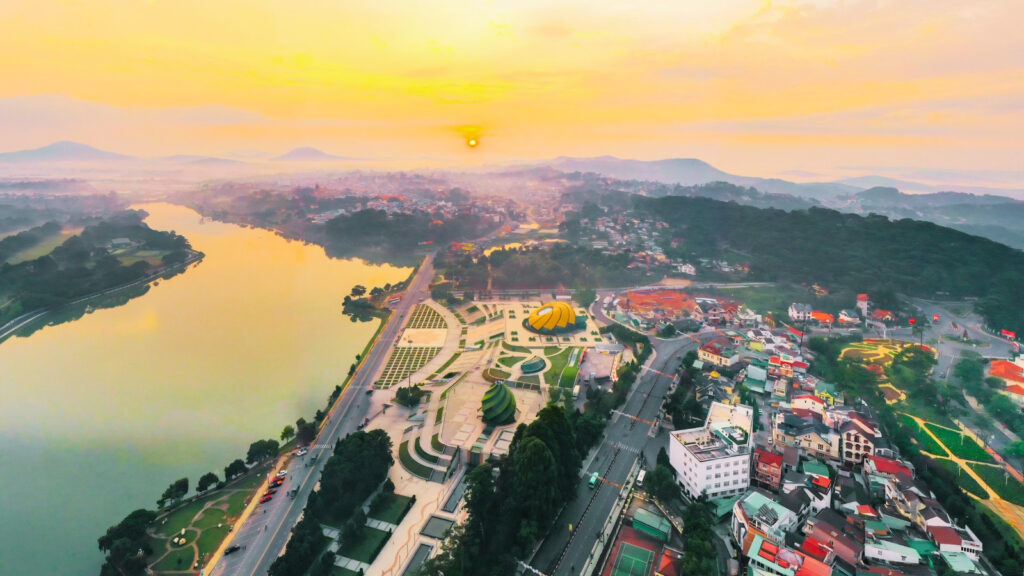
Imagine waking up to cool mountain air, mist drifting through pine forests, and the smell of freshly brewed coffee coming from a small hillside café. Instead of the tropical heat and busy streets often associated with Vietnam, you find yourself in a quiet highland city where the pace of life feels noticeably slower.
Welcome to Dalat.
Located on the Lam Vien Plateau in Vietnam’s Central Highlands, Dalat is known for its mild climate, rolling hills, flower gardens, waterfalls, and distinctive French colonial architecture. Sitting approximately 1,500 meters above sea level, the city offers a refreshing change from Vietnam’s warmer coastal destinations and bustling urban centers.
But Dalat is more than a cool-weather retreat. Beyond its lakes and scenic viewpoints, the surrounding countryside is home to coffee farms, vegetable gardens, flower-growing communities, and winding mountain roads. Its food culture, independent cafés, and relaxed atmosphere offer a different perspective on everyday life in Vietnam.
Whether you are planning a short escape from Ho Chi Minh City, adding a highland destination to a longer Vietnam itinerary, or simply looking for somewhere to slow down, Dalat has plenty to offer.
This Dalat travel guide covers everything you need to plan your visit, from the best things to do and the ideal time to travel to where to stay, what to eat, how to get around, and how much to budget. More importantly, it will help you discover a side of Vietnam that feels quite different from the one you may already know.
Table of Contents
Quick Answer: Is Dalat Worth Visiting?
Yes. Dalat is worth visiting for its cool highland climate, pine forests, waterfalls, flower gardens, French colonial architecture, and distinctive coffee culture. Located in Vietnam’s Central Highlands, the city is an excellent alternative to the country’s hotter coastal destinations. Most travelers should plan to spend 2–3 days in Dalat, with December to March generally offering drier weather and favorable conditions for outdoor activities. Popular experiences include exploring Xuan Huong Lake, visiting Datanla Waterfall, discovering Lang Biang Mountain, sampling local specialties, and visiting coffee farms.
01. Why Visit Dalat, Vietnam?
Vietnam is often associated with tropical beaches, bustling cities, and warm weather. Dalat offers something quite different. Set in the Central Highlands, this mountain city combines a refreshing climate, pine-covered hills, scenic lakes, and a relaxed atmosphere that feels far removed from the country’s busiest urban destinations.
A Different Side of Vietnam
One of Dalat’s biggest attractions is its climate. At approximately 1,500 meters (4,920 feet) above sea level, the city enjoys noticeably cooler temperatures than much of lowland Vietnam. Mornings can feel crisp, afternoons are generally comfortable, and evenings often call for a light jacket.
For travelers coming from Ho Chi Minh City or Vietnam’s warmer coastal areas, the change can be especially welcome.
Nature, Fresh Air, and Outdoor Experiences
Dalat is an appealing destination for anyone who enjoys spending time outdoors. Pine forests surround the city, while waterfalls, mountain viewpoints, flower gardens, and peaceful lakes provide plenty of opportunities to explore beyond the city center.
You can spend a morning walking around Xuan Huong Lake, visit a waterfall in the afternoon, or head into the countryside to discover coffee farms and agricultural communities.
A Slower Pace of Life
Dalat is also a place to slow down. Its independent cafés, local markets, hillside restaurants, and quiet residential streets encourage a more relaxed style of travel.
Rather than rushing between major attractions, visitors can enjoy long coffee breaks, sample regional food, and take in the scenery.
Whether you are traveling as a couple, with family, or independently, Dalat offers a different perspective on Vietnam—one shaped by its highland landscape, local culture, and cooler climate.
02. Understanding Dalat, Vietnam
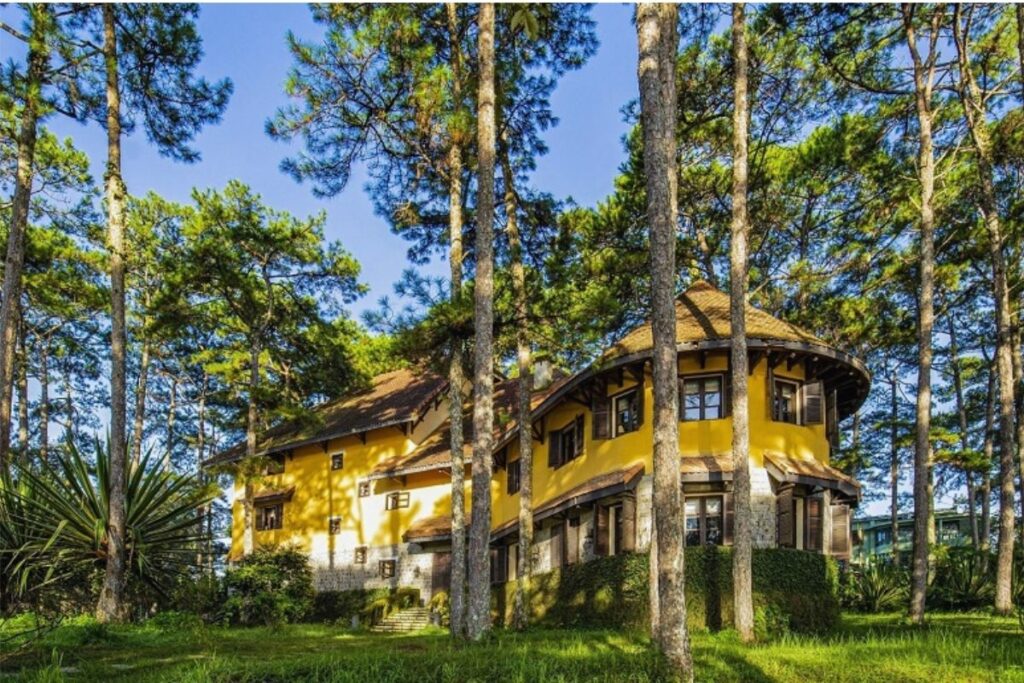
To understand Dalat, it helps to look beyond its reputation as a cool-weather holiday destination. Its geography, history, and cultural influences have all played a role in shaping the city visitors experience today.
Where Is Dalat Located?
Dalat is located on the Lam Vien Plateau in Vietnam’s Central Highlands, at an elevation of approximately 1,475 meters (4,839 feet) above sea level. Surrounded by hills, pine forests, and agricultural valleys, the city occupies a distinctive position within Vietnam’s southern highlands.
Its elevated setting is the main reason Dalat has a cooler climate than many other Vietnamese destinations. It also creates a landscape of winding mountain roads, scenic viewpoints, waterfalls, and fertile farmland.
A Brief History of Dalat
Long before Dalat became a French-era resort town, the surrounding highlands were home to Indigenous communities, particularly the K’Ho people, including the Lạch community.
A major turning point came on June 21, 1893, when Swiss-French physician and explorer Alexandre Yersin reached the Lang Biang Plateau during an expedition. The region later attracted French colonial administrators seeking a cooler location for a mountain retreat.
Under French colonial rule, Dalat gradually developed into a planned resort town. Its growth included European-influenced villas, public buildings, roads, gardens, and recreational facilities. Dalat was formally established as a town in 1916 and continued to expand during the following decades.
Dalat Today: Between Heritage and Highland Life
Today, Dalat is more than a former colonial resort. It is a living highland city where historical architecture sits alongside modern cafés, local markets, flower farms, and vegetable-growing communities.
This contrast is part of its appeal. Visitors can explore the city’s architectural heritage while experiencing the agricultural traditions and everyday rhythms that continue to shape life in the surrounding countryside.
03. Best Time to Visit Dalat
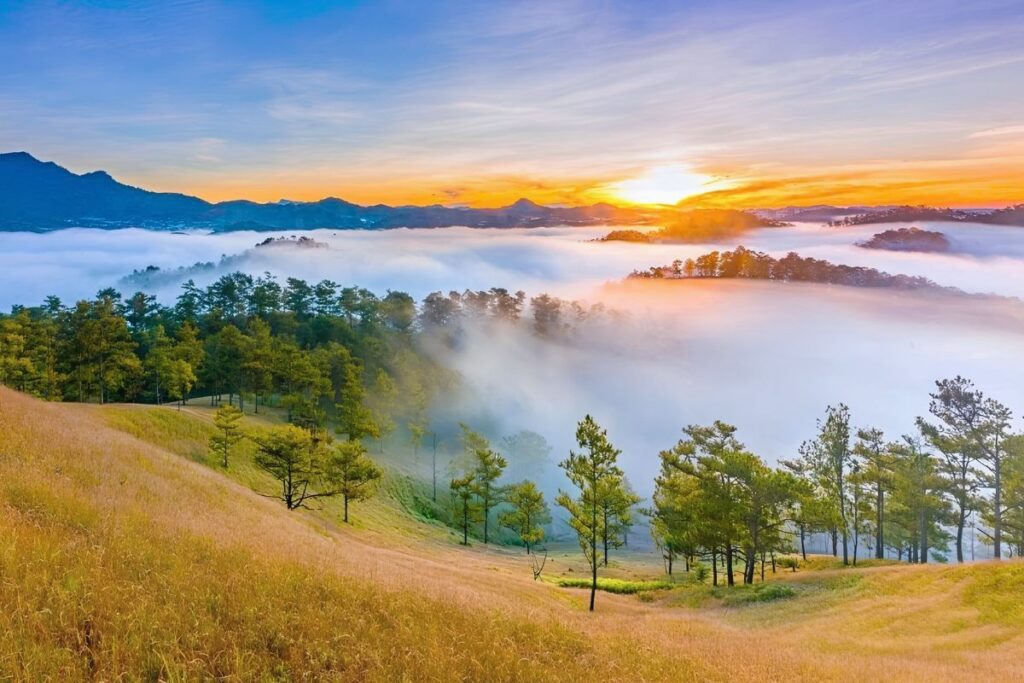
Dalat is a year-round destination, but the experience can vary considerably depending on when you visit. Its highland climate brings relatively mild temperatures throughout the year, with a distinct dry season and a longer rainy season.
For most travelers, December to March is the best time to visit Dalat. These months generally bring cooler, drier, and sunnier conditions, making it easier to explore the city’s outdoor attractions and surrounding countryside.
Dalat’s Weather Throughout the Year
Unlike much of tropical Vietnam, Dalat rarely experiences prolonged periods of intense heat. Its elevation of approximately 1,500 meters (4,920 feet) helps maintain a comfortable climate, although temperatures can change noticeably between morning, afternoon, and evening.
The city has two main seasons:
- Dry season (December to March): Generally cooler, sunnier, and more comfortable for outdoor activities.
- Rainy season (April to November): More frequent rainfall, often with showers developing in the afternoon.
These are broad seasonal patterns rather than fixed weather boundaries. The timing and intensity of rainfall can vary from year to year.
Dry Season: December to March
The dry season is generally the most convenient period for sightseeing in Dalat.
Days are often pleasant, skies are clearer, and outdoor activities such as visiting waterfalls, exploring coffee farms, and hiking around the highlands are easier to plan.
Evenings and early mornings can feel chilly, particularly for visitors accustomed to tropical weather. December and January are among the cooler months, so packing a warm layer is a good idea.
This period is especially suitable for first-time visitors who want to explore several attractions without having to plan around frequent rain.
Rainy Season: April to November
Dalat’s rainy season brings greener landscapes, fuller waterfalls, and a more atmospheric highland setting.
Rain is often concentrated in the afternoon or evening, although this is not guaranteed. Mornings can still provide good opportunities for sightseeing, photography, and outdoor activities.
The main disadvantage is that heavy showers can disrupt travel plans, particularly for visitors hoping to go trekking, canyoning, or explore remote countryside roads.
However, the rainy season can also be rewarding for travelers who prefer lush scenery, quieter attractions, and a slower pace.
When Should You Visit for Flowers and Scenery?
Dalat is famous for its flowers, but different varieties bloom at different times of the year.
Late autumn and early winter are particularly associated with wild sunflowers across the surrounding hills. Cherry blossoms may also appear during the cooler months, while flower gardens and agricultural landscapes offer seasonal displays throughout the year.
Blooming periods depend on weather conditions and local growing cycles, so specific dates should be checked closer to your trip.
Our recommendation: Visit between December and March for the most reliable combination of comfortable weather and outdoor sightseeing. If you prefer greener landscapes and do not mind occasional rain, the rainy season can offer a different but equally appealing side of Dalat.
04. How Many Days Do You Need in Dalat?
For most travelers, 2–3 days in Dalat is enough to experience the city’s main attractions, enjoy its local food, and explore some of the surrounding countryside. Three days is ideal if you want a more relaxed visit without rushing between destinations.
The right amount of time depends on your interests, travel pace, and whether you plan to explore beyond the city center.
One Day in Dalat
One day is enough for a quick introduction to Dalat, but you will need to be selective.
Focus on the central area, including Xuan Huong Lake, Dalat Market, the city’s architectural landmarks, and a local café. You may have time to visit one additional attraction outside the center, depending on your transportation arrangements.
This option works best for travelers with a tight Vietnam itinerary.
Two Days in Dalat
Two days provide a much better introduction to the city.
Spend the first day exploring the city center, visiting its main landmarks, and sampling local specialties at the night market.
Use the second day to discover the surrounding landscape. Depending on your interests, you could visit a waterfall, explore Tuyen Lam Lake, take a trip to a coffee farm, or discover the countryside.
Three Days in Dalat
Three days is our recommended length of stay for first-time visitors.
With an additional day, you can explore at a more comfortable pace, spend longer at a coffee farm, visit Lang Biang Mountain, or discover attractions outside the main tourist area.
You will also have more flexibility if rain affects your outdoor plans.
Should You Stay Four Days or Longer?
Consider staying four days or more if you enjoy hiking, photography, coffee culture, nature, or slow travel.
Extra time allows you to explore the highlands beyond the usual tourist circuit, visit smaller agricultural communities, and enjoy Dalat without feeling that every hour needs to be scheduled.
Our recommendation: Plan for three days in Dalat if this is your first visit. It offers a good balance of city sightseeing, nature, food, and local experiences.
05. Best Things to Do in Dalat, Vietnam
Dalat offers more than scenic viewpoints and flower gardens. The city combines historic architecture, peaceful lakes, Buddhist temples, mountain landscapes, and outdoor adventures, making it easy to fill several days without running out of things to explore.
Whether you prefer wandering through the city, discovering local heritage, or getting out into the surrounding mountains, these are some of the best things to do in Dalat.
A. Explore Dalat City Center
The city center is a good starting point for first-time visitors. Many of its most recognizable landmarks are within a relatively short distance of one another, making this part of Dalat easy to explore on foot.
1. Walk Around Xuan Huong Lake
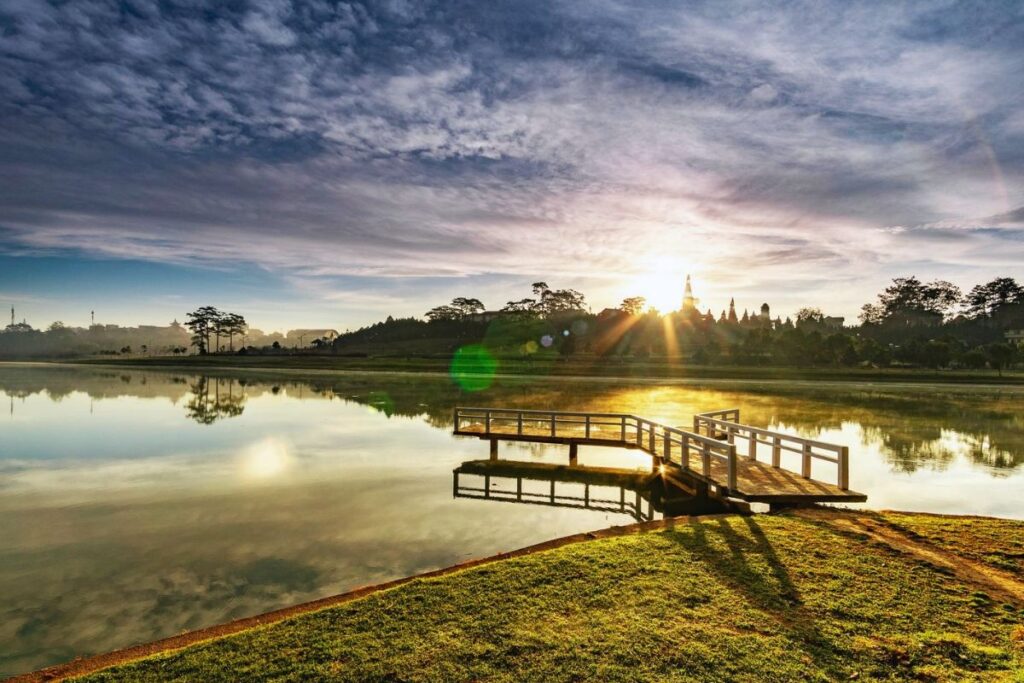
Xuan Huong Lake is one of Dalat’s most recognizable landmarks and a natural starting point for exploring the city. Its curved shoreline, surrounding pine trees, and views of nearby buildings create a relaxed atmosphere throughout the day.
Take a morning walk along the waterfront, stop for coffee, or simply watch local residents exercising and enjoying the fresh air. The lake is particularly pleasant in the early morning and late afternoon, when the light is softer and temperatures are comfortable.
2. Visit Dalat Central Market
Dalat Central Market offers a glimpse into the city’s everyday life. Fresh vegetables, strawberries, flowers, preserved fruits, local snacks, and regional specialties fill its stalls.
It is also a good place to discover Dalat’s agricultural identity. The surrounding highlands supply much of southern Vietnam with fresh produce, and the market reflects that connection between the city and its countryside.
Visit in the morning for a more traditional market atmosphere, or explore the surrounding streets in the evening to experience the city’s lively street-food scene.
3. Discover Dalat Railway Station
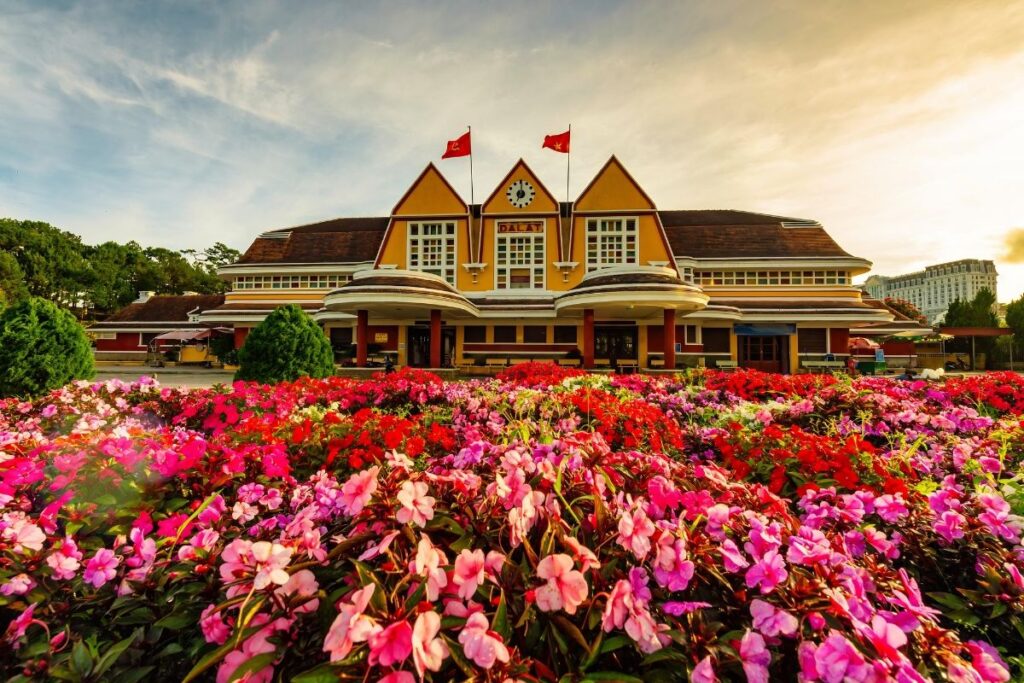
Dalat Railway Station is one of the city’s most distinctive architectural landmarks. Built during the French colonial period and completed in 1938, its unusual roof design and Art Deco influences make it particularly interesting for architecture enthusiasts.
The station also offers a glimpse into Dalat’s former railway connections. Visitors can sometimes take a heritage train on the short route between Dalat and Trai Mat, subject to the operating schedule.
If you have time, consider combining the railway experience with a visit to Linh Phuoc Pagoda.
4. Explore the Crazy House
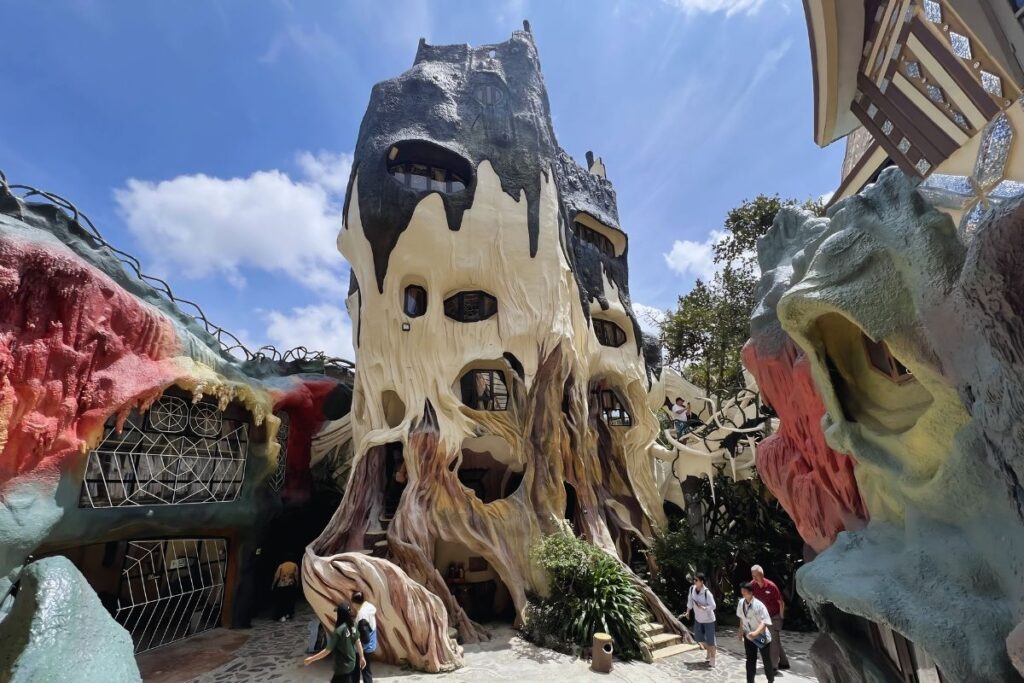
Known locally as Hang Nga Guesthouse, the Crazy House is one of Dalat’s most unusual architectural attractions. Designed by Vietnamese architect Dang Viet Nga, the building features twisting staircases, organic shapes, narrow bridges, and interiors inspired by nature.
Rather than following conventional architectural rules, its design feels like walking through an imaginative sculpture. It is particularly appealing to visitors interested in unconventional architecture, photography, and creative design.
B. Discover Dalat’s Historical and Cultural Landmarks
Dalat’s cultural attractions offer a different perspective on the city, from its colonial-era heritage to its Buddhist traditions.
5. Visit Linh Phuoc Pagoda
Located in Trai Mat, approximately 8 kilometers from central Dalat, Linh Phuoc Pagoda is famous for its elaborate mosaic decorations made from pieces of glass, porcelain, and ceramics.
The temple’s detailed exterior, colorful interiors, and impressive dragon sculpture make it one of the most visually distinctive religious landmarks in the region.
For a memorable visit, consider taking the heritage train from Dalat Railway Station to Trai Mat. Remember to dress respectfully, as this remains an active place of worship.
6. Find Peace at Truc Lam Zen Monastery
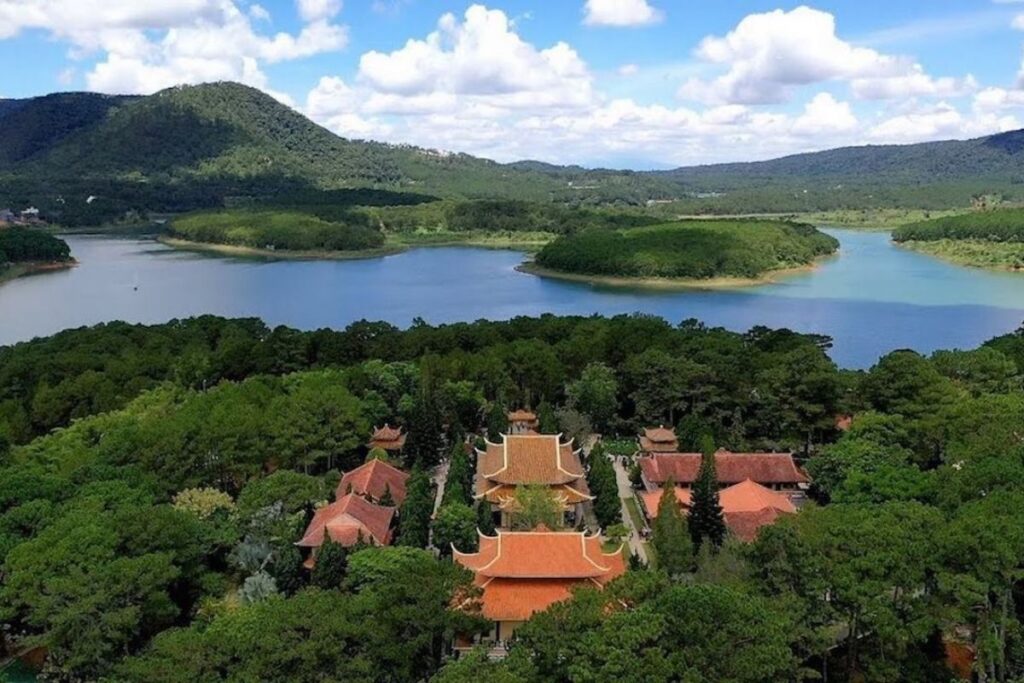
Overlooking Tuyen Lam Lake, Truc Lam Zen Monastery offers a quieter experience away from the busy city center.
Surrounded by pine forests and landscaped gardens, the monastery is a peaceful place to appreciate Vietnamese Buddhist architecture and enjoy views of the surrounding highlands.
Visitors can explore the public areas, walk through the gardens, and take time to enjoy the tranquil setting. Modest clothing and respectful behavior are recommended.
7. Explore Bao Dai’s Summer Palace
Dalat’s association with Vietnam’s former royal family is reflected in Bao Dai’s summer palaces. These historic residences offer an opportunity to learn more about the final emperor of Vietnam and the country’s transition through the twentieth century.
The best-known site for many visitors is Bao Dai Palace III, which preserves elements of the royal family’s former living environment.
C. Enjoy Dalat’s Gardens and Scenic Attractions
8. Visit Dalat Flower Gardens
Dalat’s reputation as Vietnam’s City of Flowers is closely connected to its favorable growing conditions and extensive flower production.
Dalat Flower Gardens showcase a wide variety of ornamental plants and flowers, offering an easy introduction to the city’s horticultural identity.
It is a good stop for photography enthusiasts and visitors interested in the agricultural character of the highlands.
9. Explore the Valley of Love
The Valley of Love is a landscaped attraction featuring gardens, walking paths, viewpoints, and recreational areas.
Although it is more developed and tourist-oriented than some of Dalat’s natural landscapes, it can be an enjoyable visit for couples and families looking for a relaxed outdoor experience.
D. Enjoy Outdoor Adventures
10. Visit Datanla Waterfall
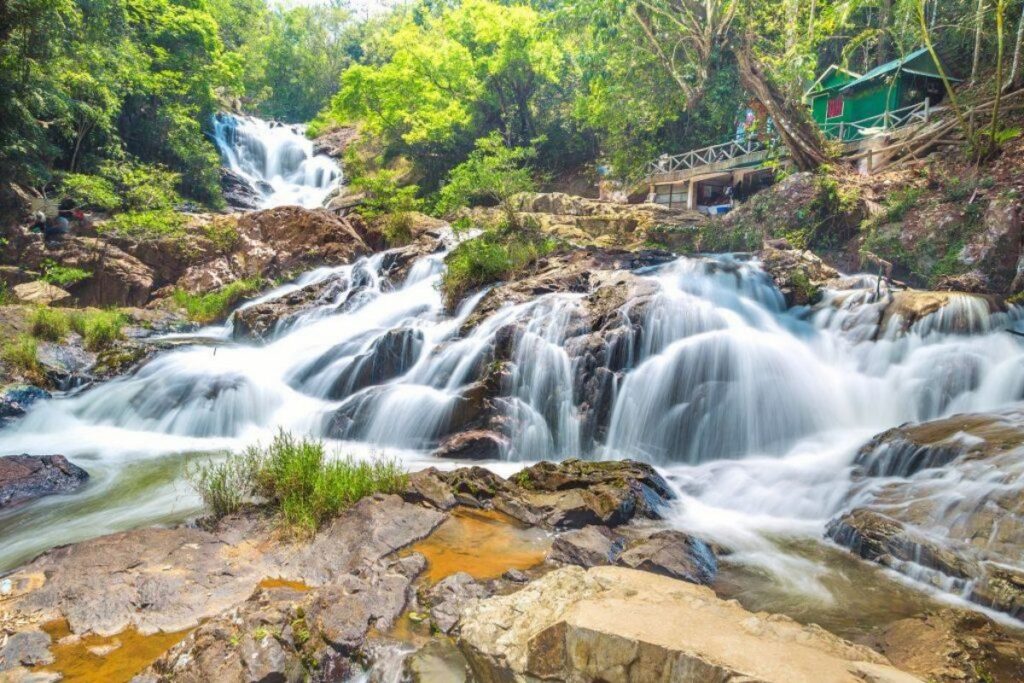
Datanla Waterfall is one of Dalat’s best-known natural attractions. Located along Prenn Pass, it combines forest scenery with cascading water and several outdoor activities.
Visitors can walk through the forest to reach the waterfall or try the alpine coaster, which winds through the surrounding pine-covered landscape.
For more adventurous travelers, guided canyoning experiences offer opportunities to rappel, climb, and descend natural waterfalls. These activities should only be undertaken with qualified guides and appropriate safety equipment.
11. Take in the Views from Lang Biang Mountain
Lang Biang Mountain is one of the most recognizable natural landmarks around Dalat. Its elevated viewpoints provide expansive views across the highlands, surrounding forests, and agricultural valleys.
Visitors can choose from different ways to explore the area, including guided hikes and organized vehicle excursions.
Beyond the scenery, Lang Biang is also closely connected to the history and cultural identity of the K’Ho people. Taking time to understand this local heritage adds more meaning to the visit.
E. Explore Dalat’s Unique Attractions
12. Discover the Clay Tunnel
The Clay Tunnel, also known as the Dalat Clay Sculpture Tunnel, features large-scale sculptures depicting the city’s history, landmarks, and cultural symbols.
Its distinctive clay artwork makes it a popular destination for visitors interested in photography and unusual attractions.
13. Visit the Infinity Lake
Infinity Lake is a scenic photo spot associated with the Clay Tunnel area. Its reflective water and sculptural installations create the illusion of a landscape extending into the surrounding hills.
It is particularly popular with visitors looking for distinctive photographs, although the experience is more focused on visual presentation than traditional sightseeing.
For travelers with limited time, prioritize the city center, one or two cultural landmarks, and a natural attraction. Dalat’s appeal is not simply the number of places you can visit, but the variety of experiences found within its highland landscape.
06. Exploring Dalat’s Surrounding Countryside
Some of Dalat’s most rewarding experiences lie beyond the city center. As you travel into the surrounding highlands, the urban landscape gradually gives way to pine-covered hills, coffee plantations, vegetable farms, tea fields, and spectacular waterfalls.
Exploring the countryside offers a different perspective on Dalat, revealing the agricultural communities and natural landscapes that help define this part of Vietnam.
A. Discover Tuyen Lam Lake and Its Surroundings
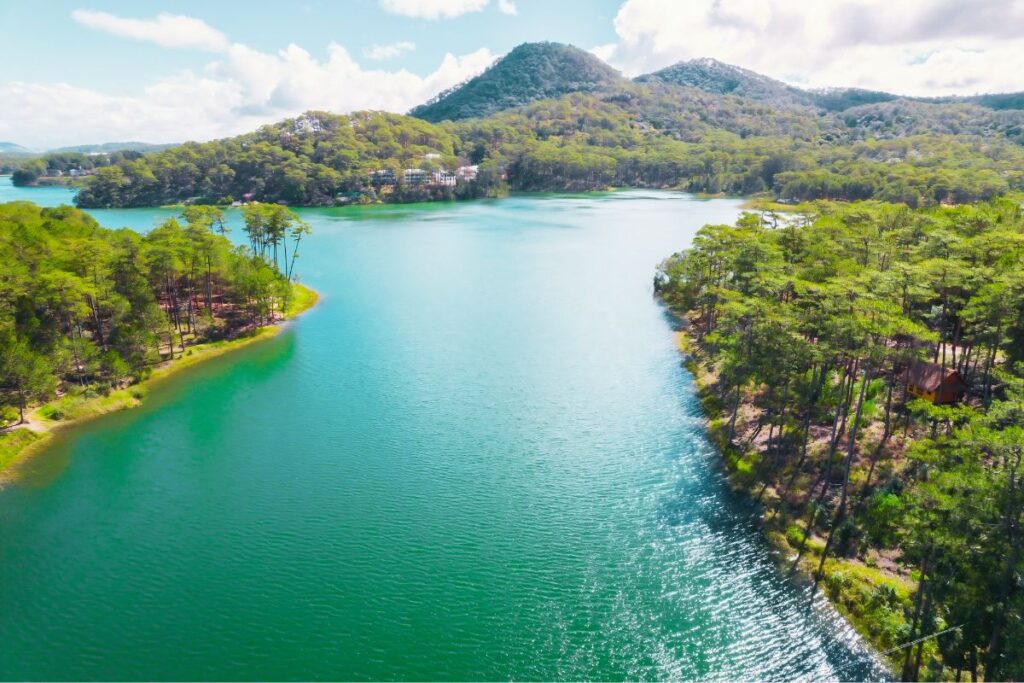
Located south of the city center, Tuyen Lam Lake is one of the most scenic natural areas around Dalat. Surrounded by pine forests and rolling hills, the lake offers a quieter atmosphere than the more urban Xuan Huong Lake.
Visitors can enjoy the landscape through lakeside walks, boat excursions, kayaking, or simply relaxing at a nearby café or resort.
The surrounding area is also home to Truc Lam Zen Monastery, making it easy to combine nature and cultural sightseeing in one trip.
For travelers seeking a peaceful escape from the city, Tuyen Lam is one of the most worthwhile places to explore.
B. Explore Coffee Farms and Highland Agriculture
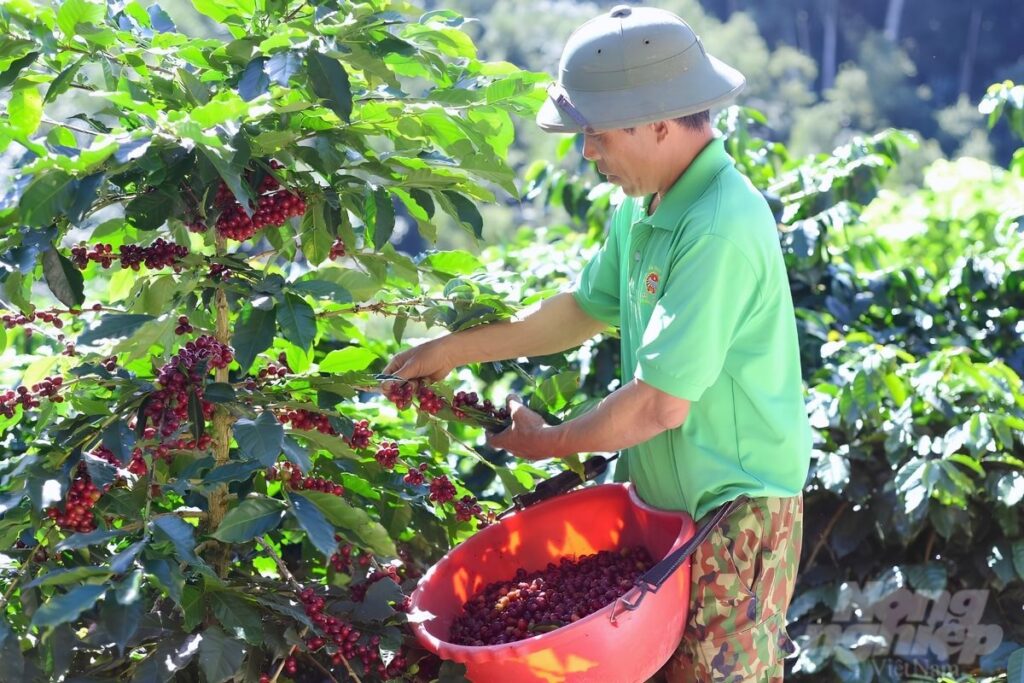
Dalat’s surrounding countryside is closely connected to agriculture. The cool highland climate and fertile growing areas support the cultivation of coffee, vegetables, flowers, and other crops.
Coffee farms are particularly interesting for visitors who want to understand how Vietnam’s coffee industry extends beyond its better-known Robusta-growing regions.
Some farms and specialty coffee producers offer guided visits where travelers can learn about coffee cultivation, harvesting, processing, and roasting.
The countryside also reveals another side of Dalat’s economy: greenhouses, flower nurseries, strawberry farms, and vegetable-growing communities supply markets across southern Vietnam.
These agricultural landscapes are more than scenic photo opportunities. They provide a glimpse into the work and traditions behind the fresh produce that appears on local tables.
C. Visit Waterfalls Beyond the City Center
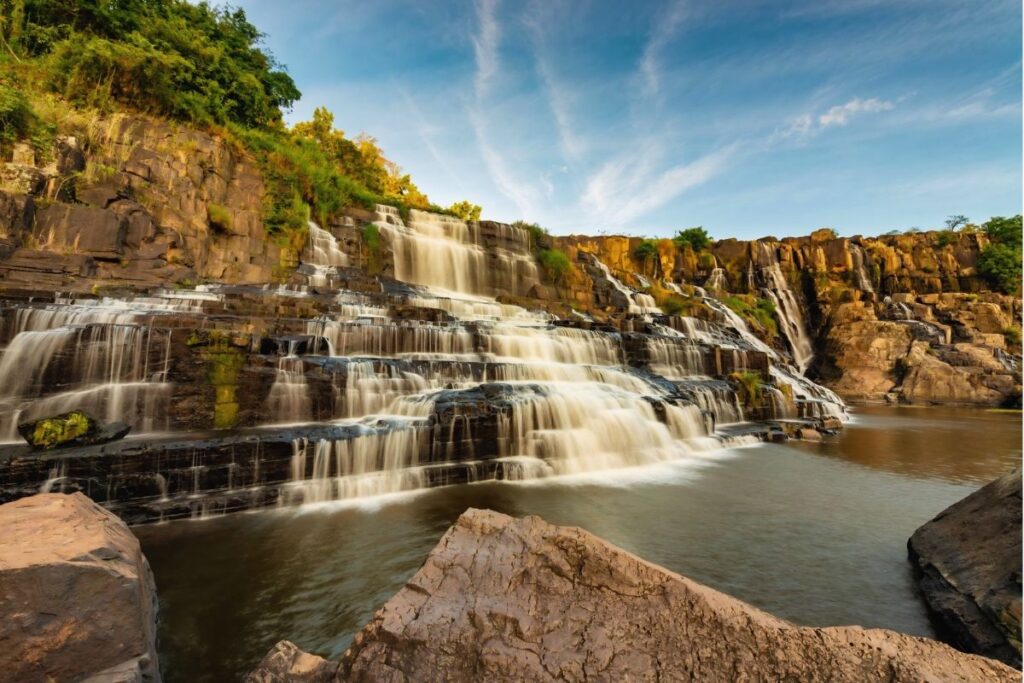
Dalat’s highland landscape is home to several impressive waterfalls, each offering a different setting.
Pongour Waterfall, located farther from the city, is known for its broad, terraced rock formations and natural surroundings. Its scale and distinctive landscape make it an appealing destination for travelers willing to spend more time on the road.
Elephant Waterfall, near Nam Ban, is another well-known natural attraction in the wider Dalat region. Its rugged surroundings and powerful flow offer a more adventurous experience.
Before visiting either waterfall, check local access conditions, weather, and operating status. Heavy rain can affect trails and visitor safety.
D. Take a Scenic Drive Through the Countryside
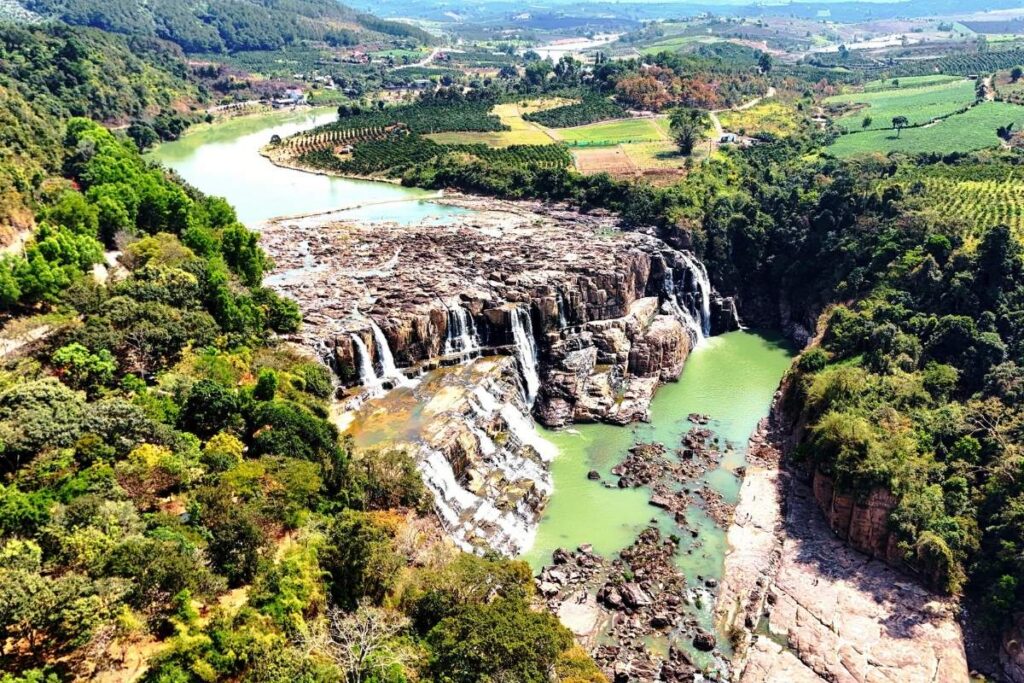
One of the simplest ways to appreciate the Dalat region is to explore its mountain roads.
The route toward Cau Dat is particularly appealing, passing tea-growing landscapes, coffee farms, and elevated viewpoints. Early mornings can bring mist across the hills, creating some of the area’s most memorable scenery.
Rather than rushing from one attraction to another, consider allowing time for spontaneous stops, local cafés, and roadside viewpoints.
Exploring Dalat’s countryside is ultimately about experiencing the highlands at a slower pace. It is where the region’s natural beauty, agricultural heritage, and everyday life come together.
07. Dalat Food Guide: What to Eat
Food is an important part of experiencing Dalat. The city’s cool highland climate, agricultural surroundings, and mix of regional culinary influences have created a food culture that feels different from what many visitors encounter in Vietnam’s larger cities.
From sizzling street snacks and warm bowls of soup to shared hotpots and fresh local produce, Dalat offers plenty of reasons to explore beyond its attractions.
Here are some local dishes worth trying during your visit.
A. Try Dalat’s Most Famous Local Dishes
1. Banh Trang Nuong (Vietnamese Grilled Rice Paper)
Often nicknamed Vietnamese pizza, banh trang nuong is one of Dalat’s best-known street foods. A thin sheet of rice paper is grilled over charcoal and topped with ingredients such as egg, green onions, dried shrimp, pork floss, sausage, and sometimes cheese.
The result is crispy, savory, and best enjoyed straight from the grill while still hot.
You will find it at street stalls throughout the city, particularly around Dalat Market and the night market area.
2. Banh Uot Long Ga (Steamed Rice Sheets with Chicken and Offal)
This local specialty combines delicate steamed rice sheets with shredded chicken, chicken offal, fresh herbs, and a light dipping sauce.
The textures are what make the dish interesting: soft rice sheets, tender chicken, and the slightly chewy texture of chicken gizzards and other offal.
It is commonly enjoyed as a breakfast or light meal and offers a taste of Dalat’s everyday food culture.
3. Banh Can (Mini Savory Rice Cakes)
Banh can consists of small rice-flour cakes cooked in round clay molds over charcoal. Depending on the vendor, they may contain quail eggs, chicken eggs, or other savory fillings.
They are usually served in pairs with dipping sauce, sometimes accompanied by meatballs or shredded green mango.
Freshly cooked and slightly crisp on the outside, these little cakes make a satisfying breakfast or afternoon snack.
4. Banh Mi Xiu Mai (Vietnamese Baguette with Pork Meatballs)
A popular breakfast choice, banh mi xiu mai is served with small pork meatballs in a warm, lightly seasoned tomato-based broth.
Instead of being filled like a conventional Vietnamese sandwich, the baguette is dipped into the broth, allowing its crisp crust to soak up the sauce.
It is a particularly comforting meal on a cool Dalat morning.
5. Nem Nuong (Grilled Pork Rolls)
Nem nuong features seasoned grilled pork, typically shaped into sausages or small rolls and served with rice paper, fresh herbs, vegetables, and dipping sauce.
Part of the experience is assembling your own rolls before dipping them into a rich, savory sauce.
Although grilled pork rolls are found in several Vietnamese regions, Dalat has developed its own popular versions and restaurant traditions.
B. Warm Up with Dalat’s Comfort Food
6. Lau Ga La E (Chicken Hotpot with La E Leaves)
Few meals feel more appropriate for Dalat’s cool evenings than a bubbling chicken hotpot.
Lau ga la e combines chicken, mushrooms, aromatic herbs, and la e leaves, a fragrant Vietnamese herb with a distinctive peppery, slightly citrusy character.
The broth is usually served with rice noodles or vermicelli, making it a satisfying meal to share with family or friends.
7. Hot Soy Milk and Street Snacks
As evening temperatures drop, the streets around Dalat Market become popular places to enjoy warm soy milk, grilled corn, roasted sweet potatoes, and other simple snacks.
These foods are not necessarily exclusive to Dalat, but the combination of charcoal grills, steaming drinks, and cool mountain air has become part of the city’s nighttime atmosphere.
C. Explore Dalat’s Markets and Local Produce
Dalat’s agricultural surroundings are reflected in its fresh vegetables, strawberries, flowers, and locally produced foods.
A visit to Dalat Central Market is a good opportunity to discover seasonal produce, dried fruits, jams, and other regional specialties.
For dessert, look out for kem bo, a creamy avocado-based treat often served with ice cream or coconut toppings.
Our recommendation: Start with banh mi xiu mai for breakfast, try banh uot long ga for a local lunch, and spend an evening sampling banh trang nuong, hot soy milk, and grilled snacks around Dalat Market. If you are traveling with others, make time for a shared chicken hotpot dinner.
08. Dalat Coffee Culture: Discover Vietnam’s Highland Coffee
Coffee is an important part of everyday life in Vietnam, but Dalat offers a different perspective on the country’s coffee culture.
Surrounded by highland farms and a cooler growing environment, the region is particularly associated with Arabica coffee. Its coffee-growing heritage, independent cafés, and specialty producers make it an appealing destination for travelers who want to explore more than just a good cup of Vietnamese coffee.
A. Why Dalat Is Known for Arabica Coffee
Vietnam is widely recognized as one of the world’s major coffee-producing countries, with Robusta accounting for much of its production.
Dalat and the surrounding highlands are particularly interesting because of their Arabica-growing areas. Places such as Cau Dat have elevations and climatic conditions suitable for growing this more delicate coffee variety.
Arabica is often associated with a lighter body, more pronounced acidity, and a wider range of aromatic characteristics compared with traditional Robusta.
The highland environment, including cooler temperatures and differences between daytime and nighttime conditions, contributes to the region’s distinctive coffee-growing character.
B. Visit Coffee Farms in the Surrounding Highlands
One of the best ways to understand Dalat’s coffee culture is to visit a working coffee farm.
Depending on the farm and season, visitors may learn how coffee cherries grow, when they are harvested, and how the beans are processed, dried, and roasted.
Some producers offer guided experiences that take travelers through different stages of coffee production, followed by a tasting session.
Cau Dat is one of the most recognizable coffee-growing areas associated with Dalat. Its surrounding hills and agricultural landscapes also make the journey worthwhile for visitors interested in rural scenery.
If you enjoy specialty coffee, consider arranging a farm visit rather than simply stopping for photographs.
C. Experience Dalat’s Independent Coffee Shops
Coffee shops are part of the city’s everyday rhythm. From small neighborhood cafés to hillside establishments overlooking pine forests, Dalat offers many places to enjoy a slower morning or an afternoon break.
Some cafés focus on specialty Arabica and carefully prepared brewing methods, while others offer traditional Vietnamese coffee with condensed milk.
Look beyond the most photographed establishments. A small local café can sometimes provide a more memorable experience than a crowded tourist hotspot.
D. What Makes Dalat Coffee Experiences Special?
The appeal of Dalat coffee goes beyond the drink itself.
You can begin the morning among the surrounding hills, visit a coffee farm, learn about the production process, and finish the day with a freshly brewed cup overlooking the highlands.
For travelers interested in food, agriculture, and local culture, this combination offers a deeper understanding of the region.
Dalat is not simply a place to drink coffee. It is an opportunity to discover the landscape, farming traditions, and people behind Vietnam’s coffee culture.
09. Where to Stay in Dalat: Best Areas and Accommodation Options
Choosing where to stay in Dalat can make a noticeable difference to your trip. The city offers everything from centrally located hotels and boutique guesthouses to peaceful lakeside resorts and countryside homestays.
If this is your first visit, staying near the city center is usually the most convenient option. However, travelers looking for nature, privacy, or a slower highland experience may prefer accommodation outside the main urban area.
A. Dalat City Center: Best for First-Time Visitors
The city center is the most practical base for travelers who want easy access to restaurants, cafés, shopping areas, and major attractions.
Staying around Dalat Market and the surrounding streets makes it easier to explore on foot, particularly in the evening when the night market becomes a popular gathering place.
This area is especially suitable for short stays, independent travelers, and visitors who prefer having everyday conveniences nearby.
Best for: First-time visitors, couples, food lovers, and travelers without private transportation.
B. Around Xuan Huong Lake: Best for Scenic Views and Convenience
The area around Xuan Huong Lake offers a pleasant balance between accessibility and scenery.
Some hotels and accommodation options provide views of the lake or nearby green spaces, while the central market and other attractions remain within convenient reach.
It is a good choice for travelers who want a comfortable stay without being too far from the city’s main activity areas.
Best for: Couples, families, and visitors who value convenient sightseeing.
C. Tuyen Lam Lake: Best for Nature and Resort Stays
For a quieter experience, consider staying around Tuyen Lam Lake.
This area is surrounded by pine forests, rolling hills, and peaceful lakeside scenery. Several resorts and retreats offer a more secluded atmosphere than accommodation in the city center.
The trade-off is distance. Restaurants, markets, and central attractions generally require a taxi, private car, or other transportation.
Best for: Couples, nature lovers, honeymooners, and travelers seeking a relaxing retreat.
D. Dalat Countryside: Best for Homestays and Slow Travel
The countryside surrounding Dalat offers a different accommodation experience, with garden homestays, hillside properties, and smaller guesthouses.
Some places provide beautiful mountain views and a more personal connection to the local environment.
However, check the property’s exact location before booking. Some countryside stays are considerably farther from the city than their listings may suggest.
Best for: Slow travelers, photographers, families with flexible schedules, and visitors staying several nights.
E. What Type of Accommodation Should You Choose?
Dalat has options for different budgets and travel styles:
- Budget hotels and hostels: Practical for short stays and independent travelers.
- Boutique hotels: A good balance of comfort, design, and location.
- Homestays: Suitable for travelers looking for a more personal and relaxed experience.
- Resorts: Ideal for privacy, mountain scenery, and longer stays.
Our recommendation: First-time visitors should choose accommodation near Dalat Market or Xuan Huong Lake. If you have three or more days and want to experience the quieter side of the highlands, consider spending one night at a lakeside resort or countryside retreat.
10. How to Get to Dalat
Dalat is accessible by domestic flights and long-distance road transportation. The best option depends on where you are traveling from and how much time you have.
For visitors coming from overseas, the easiest approach is usually to fly into Ho Chi Minh City or Hanoi before continuing to Dalat.
A. Flying to Dalat: Lien Khuong International Airport
Lien Khuong International Airport (DLI) is the main airport serving Dalat and the surrounding Lam Dong region. It is located approximately 30 kilometers south of Dalat city center.
The airport resumed operations on August 19, 2026, following runway and taxiway repairs. Travelers planning a visit should check current airline schedules because flight availability and frequencies can change. Cục hàng không Việt Nam+1
Direct domestic connections include routes linking Dalat with major Vietnamese cities such as Hanoi and Ho Chi Minh City, depending on the operating schedule.
From the airport, you can reach the city center by airport transfer, taxi, or pre-arranged private car.
B. Traveling from Ho Chi Minh City to Dalat
The journey from Ho Chi Minh City to Dalat covers approximately 300 kilometers by road.
A sleeper bus is one of the most popular options, particularly for budget-conscious travelers. The journey generally takes around 7–8 hours, depending on traffic and road conditions.
Limousine vans and private transfers offer alternatives for travelers who prefer smaller vehicles or more flexible departure arrangements.
If you have limited vacation time, consider flying instead of spending most of a day on the road.
C. Traveling from Nha Trang to Dalat
Nha Trang is another convenient starting point for a trip to Dalat.
The road journey is approximately 135 kilometers via National Highway 27C and typically takes around 3–4 hours, depending on the vehicle and road conditions.
The route passes through mountainous landscapes and the scenic Khanh Le Pass, making it an interesting journey in its own right.
Buses and limousine vans are common options. Private transfers are also available for travelers who want greater flexibility.
Because this is a mountain route, check road conditions before departure, particularly during periods of heavy rain.
D. Traveling from Hanoi to Dalat
For travelers starting in northern Vietnam, flying is by far the most practical option.
Direct flights from Noi Bai International Airport (HAN) to Lien Khuong generally take around 1 hour and 50 minutes to 2 hours.
VietJet Air, Vietnam Airlines, and Vietravel Airlines have operated this route. However, frequencies and schedules vary, so check the available flights for your travel dates. Cục hàng không Việt Nam+2
Traveling overland from Hanoi is possible, but the distance and journey time make it impractical for most visitors with limited vacation days.
Our recommendation: Fly from Hanoi or Ho Chi Minh City if convenience is your priority. If you are combining Nha Trang and Dalat in one itinerary, consider taking a daytime bus or limousine through Khanh Le Pass for a scenic highland journey.
11. Getting Around Dalat: Transportation Guide
Getting around Dalat is relatively straightforward, although the best transportation option depends on where you stay and which attractions you want to visit.
The city center is manageable on foot, but many waterfalls, coffee farms, mountain viewpoints, and countryside attractions are spread across the surrounding highlands.
A. Walking Around the City Center
Walking is one of the easiest ways to explore central Dalat.
Areas around Xuan Huong Lake, Dalat Market, and many cafés and restaurants are accessible on foot. This allows you to discover small streets, local shops, and everyday city life at your own pace.
However, Dalat is built on hilly terrain, so expect slopes and uneven sidewalks in some areas.
B. Using Taxis and Ride-Hailing Apps
Taxis and ride-hailing services are convenient options for visitors who do not want to drive.
Grab is a familiar choice for international travelers, allowing users to book rides and see estimated fares before confirming a journey, where the service is available.
Licensed local taxi companies are another practical option. For longer trips to attractions outside the city, arrange the fare or return journey in advance.
C. Renting a Motorbike
Motorbikes provide greater flexibility for exploring Dalat’s countryside and surrounding mountain roads.
However, riding conditions can be challenging for inexperienced visitors. Roads may be steep, winding, slippery after rain, and affected by fog or reduced visibility.
International visitors should also understand Vietnam’s licensing and insurance requirements before renting a motorbike. An International Driving Permit must meet applicable Vietnamese requirements, and the appropriate motorcycle category must be covered.
If you are not an experienced and legally qualified rider, renting a motorbike is not recommended.
D. Private Cars and Guided Tours
For families, couples, and travelers planning to visit several attractions in one day, hiring a private car or joining a guided tour can be more comfortable.
This option is particularly useful for visiting distant waterfalls, coffee farms, and scenic areas outside the city center.
It also removes the need to navigate unfamiliar mountain roads yourself.
Our recommendation: Walk around central Dalat, use taxis or ride-hailing services for nearby attractions, and arrange a private car for countryside excursions. Only rent a motorbike if you have the necessary riding experience, license, and insurance coverage.
12. Dalat Travel Itineraries: How to Spend 1, 2, 3, or 4 Days
Planning your Dalat itinerary is easier when you group attractions by location rather than trying to visit everything in one day. The city center, eastern outskirts, southern highlands, and northern mountain areas each offer different experiences.
For most first-time visitors, three days provide a good balance of sightseeing, outdoor activities, and time to enjoy the city’s relaxed atmosphere.
A. One Day in Dalat
If you only have one day, focus on the city center and a few nearby attractions.
Morning
- Walk around Xuan Huong Lake.
- Explore Dalat Central Market.
- Enjoy Vietnamese coffee at a local café.
Afternoon
- Visit the Crazy House or Dalat Railway Station.
- Choose one additional attraction depending on your interests and available time.
Evening
- Explore Dalat Night Market.
- Try local street food, including banh trang nuong and warm soy milk.
One day provides a brief introduction to Dalat, but leaves little time for the surrounding countryside.
B. Two Days in Dalat
Two days allow you to combine city sightseeing with a nature-focused excursion.
Day 1: City Center and Cultural Attractions
Explore Xuan Huong Lake, Dalat Market, the Crazy House, and Dalat Railway Station. If the train is operating on your preferred date, consider taking the heritage train to Trai Mat and visiting Linh Phuoc Pagoda.
Finish the evening with dinner and a walk through the night market.
Day 2: Nature and Highland Scenery
Start at Datanla Waterfall, where you can explore the forest and try the alpine coaster. Continue toward Tuyen Lam Lake and Truc Lam Zen Monastery.
This combination offers a good introduction to Dalat’s natural landscape without spending the entire day traveling between distant attractions.
C. Three Days in Dalat
Three days is our recommended itinerary for first-time visitors.
Day 1: Explore the City
Visit the lake, market, railway station, and Crazy House. Leave time for cafés and local food rather than filling every hour with sightseeing.
Day 2: Discover Nature
Explore Datanla Waterfall, Tuyen Lam Lake, and the surrounding pine forests. Consider a cable car ride or an outdoor activity if conditions allow.
Day 3: Experience the Countryside
Choose between a coffee farm visit around Cau Dat, a trip to Lang Biang Mountain, or a scenic drive through the highlands.
This final day gives you a chance to discover the agricultural and cultural side of the region.
D. Four Days in Dalat
With four days, you can explore at a slower pace.
Follow the three-day itinerary and use your additional day for a longer countryside excursion, a visit to Pongour Waterfall, or a guided coffee farm experience.
You can also spend more time exploring local markets, small cafés, and agricultural communities.
Our recommendation: Choose three days for a first visit and four days if you enjoy nature, photography, coffee, or slow travel. Keep some flexibility in your schedule because afternoon rain and mountain road conditions can affect outdoor excursions.
13. Dalat Travel Costs and Budget: How Much Does a Trip Cost?
Dalat is generally an affordable destination for international travelers, especially compared with major cities in the United States and many popular resort destinations in Southeast Asia.
Your overall budget depends mainly on accommodation, transportation, dining preferences, and how many paid attractions or outdoor activities you include.
A. Accommodation Costs
Dalat offers a wide range of accommodation options:
- Budget: Hostels, guesthouses, and simple hotels.
- Mid-range: Boutique hotels and comfortable centrally located properties.
- Comfort: Higher-end hotels, private villas, and lakeside resorts.
Staying outside the city center can provide better scenery and more privacy, although transportation expenses may increase.
B. Food and Drink
Local food is generally inexpensive. Street-food dishes, traditional breakfasts, and casual meals are affordable compared with dining at international restaurants.
Coffee shops also offer a wide range of prices, from simple neighborhood cafés to specialty coffee establishments and premium hillside venues.
Trying local food is one of the easiest ways to enjoy Dalat without spending much.
C. Transportation and Attraction Fees
Transportation costs depend on how you explore the city.
Walking and ride-hailing services are practical for central attractions, while private cars or organized tours are more convenient for countryside excursions.
Some attractions charge entrance fees, and activities such as alpine coasters, cable cars, and guided canyoning may require additional payments.
Always check current prices with the attraction or service provider before visiting.
D. How Much Should You Budget for Dalat?
As a general planning estimate, consider the following daily budgets per person:
| Travel style | Estimated daily budget |
|---|---|
| Budget | $25–45 |
| Mid-range | $50–100 |
| Comfort | $100–180+ |
These are indicative estimates, not fixed prices. They assume ordinary sightseeing and exclude international flights. Accommodation costs can vary significantly depending on whether you share a room, travel during holidays, or choose a resort.
Our recommendation: For a comfortable three-day trip, a mid-range budget of approximately $150–300 per person is a reasonable starting point, excluding transportation to Dalat. Allow extra money for private excursions, premium accommodation, and adventure activities.
14. Practical Travel Tips for Dalat
A little preparation can make your Dalat trip much more comfortable. Although the city is relatively easy to explore, its changing weather, hilly terrain, and spread-out attractions require a slightly different approach from visiting Vietnam’s larger cities.
Here are some practical tips to keep in mind before you go.
A. What to Pack for Dalat
Dalat is cooler than most Vietnamese destinations, particularly in the early morning and evening.
Pack:
- Light clothing for comfortable daytime temperatures.
- A sweater, fleece, or light jacket for cooler evenings.
- Comfortable walking shoes with good grip.
- A compact rain jacket or umbrella.
- Sunscreen, sunglasses, and a hat.
If you plan to visit waterfalls, hike, or explore the countryside, bring suitable outdoor clothing and footwear.
B. Prepare for Changing Weather
Dalat’s weather can change throughout the day. Even during the dry season, mornings may be cool and afternoons sunny.
During the rainy season, showers can affect outdoor excursions and mountain roads.
Start outdoor activities early whenever possible, and keep an alternative plan for rainy afternoons.
C. Carry Some Cash
Vietnamese dong (VND) is the local currency.
Hotels, larger restaurants, and some established businesses accept international bank cards, but cash remains useful for street food, local markets, small cafés, and countryside purchases.
Keep smaller denominations available for everyday expenses.
D. Stay Connected
A local SIM card or eSIM makes it easier to use navigation apps, contact accommodation providers, and arrange transportation.
Viettel, VinaPhone, and MobiFone are the main mobile networks in Vietnam. Check your phone’s eSIM compatibility before traveling, and consider downloading offline maps for countryside excursions.
E. Take Care on Mountain Roads
Dalat’s surrounding roads can be steep, winding, and slippery after rain. Fog may also reduce visibility, particularly in the early morning.
If you are unfamiliar with Vietnamese traffic, use a professional driver or organized tour rather than renting a motorbike.
For outdoor activities such as canyoning, choose established operators with qualified guides and appropriate safety equipment.
F. Respect Local Culture and the Environment
Dalat’s countryside is home to agricultural communities and Indigenous groups, including the K’Ho people.
When visiting local communities, religious sites, and working farms, ask permission before taking photographs of people, follow local instructions, and avoid entering private agricultural land without permission.
Dispose of rubbish responsibly and help protect the forests, lakes, and waterfalls that make the region special.
Our recommendation: Pack in layers, plan outdoor activities for the morning, carry some cash, and avoid overloading your itinerary. Dalat is best enjoyed when you leave enough time to appreciate its landscapes and slower pace of life.
Frequently Asked Questions About Dalat Travel Guide
1. Is Dalat worth visiting?
Yes. Dalat is worth visiting for its cool climate, pine forests, waterfalls, coffee farms, and relaxed atmosphere. It offers a different experience from Vietnam’s tropical beaches and busy urban destinations, making it an excellent addition to a longer Vietnam trip.
2. What is Dalat famous for?
Dalat is famous for its mild climate, pine forests, flower gardens, French colonial architecture, coffee farms, and scenic waterfalls. The city is also known for local specialties such as banh trang nuong, banh uot long ga, and chicken hotpot with la e.
3. How many days should I spend in Dalat?
Most first-time visitors should plan to spend 2–3 days in Dalat. Two days are enough to explore the main attractions, while three days allow additional time for waterfalls, coffee farms, and the surrounding countryside.
4. What is the best month to visit Dalat?
December to March is generally a good time to visit Dalat because the weather is typically drier and more comfortable for outdoor activities. However, the city can be visited throughout the year, including the greener rainy season.
5. Is Dalat cold throughout the year?
No. Dalat has a mild highland climate rather than consistently cold weather. Days are often comfortable, while early mornings and evenings can feel chilly. A light jacket is useful throughout the year.
6. Is Dalat safe for foreign tourists?
Dalat is generally a welcoming destination for international visitors. As with any travel destination, take normal precautions with personal belongings and transportation. Extra care is advisable when riding motorbikes or exploring mountain roads.
7. Can you visit Dalat without renting a motorbike?
Yes. You can explore the city center on foot and use taxis, ride-hailing services, private cars, or organized tours to reach attractions outside the city. Renting a motorbike is not essential.
8. Is Dalat expensive compared with other Vietnamese cities?
Dalat is generally affordable compared with many major international destinations. Local food and everyday transportation are relatively inexpensive, although boutique hotels, resorts, and organized outdoor activities can increase your travel budget.
Final Thoughts: Discover a Different Side of Vietnam in Dalat
Dalat offers a side of Vietnam that many first-time visitors do not expect. Beyond the country’s tropical beaches and energetic cities, this highland destination reveals a landscape of pine forests, cool mornings, coffee farms, flower gardens, and winding mountain roads.
Its appeal lies not only in its attractions but also in the experiences between them: enjoying a slow morning at a hillside café, exploring a local market, discovering the countryside, or simply taking time to appreciate the cooler mountain air.
Whether you spend two days exploring its main landmarks or several days discovering the surrounding highlands, Dalat offers plenty of reasons to slow down and see Vietnam from a different perspective.
If you are planning a trip to Vietnam, consider adding Dalat to your itinerary. It may become one of the most unexpected and memorable stops along the way.
Continue Exploring Vietnam
Dalat offers a different perspective on Vietnam — one shaped by cool highland air, pine-covered hills, coffee farms, flower gardens, and a slower pace of everyday life. But there is much more to discover beyond this mountain city.
Continue exploring Vietnam Travel Guide and Vietnam Insights from Tam Voc Viet for practical travel advice and stories about the country’s culture, food, traditions, and everyday experiences.
Recommended next reads:
- Vietnam Coffee Culture Guide: Discover the country’s distinctive coffee traditions, brewing methods, and café culture.
- North Vietnam Travel Guide — Build a complete northern Vietnam itinerary around Hanoi and its surrounding destinations.
- Phu Quoc Travel Guide — A tropical island destination with white-sand beaches and luxury resorts
- Hoi An — Lantern streets, riverside cafés, and ancient architecture
- Da Nang — Beaches, seafood, and coastal city life
- Hue — Imperial history, royal tombs, and traditional cuisine
- Ha Noi — Vietnam’s adventure capital
- Sapa Travel Guide — Explore mountain landscapes, rice terraces, and local culture in northern Vietnam.
- Ha Long Bay Travel Guide — Plan your trip to Vietnam’s iconic limestone islands and emerald waters.
- Ninh Binh Travel Guide — Discover dramatic karst landscapes, rivers, temples, and countryside near Hanoi.
- Ha Giang Travel Guide — Explore one of northern Vietnam’s most spectacular mountain regions.
- 👉 Best Places to Visit in South Vietnam
Together, these stories are part of Vietnam Insights, exploring the country beyond its best-known destinations and helping readers understand the places, people, and experiences that make Vietnam distinctive.
Sources & Further Reading
This guide draws on geographical, historical, tourism, and cultural information to provide a broader understanding of Dalat and its surrounding highlands.
Useful sources for further research include:
- Vietnam National Authority of Tourism — Destination information and travel guidance for Dalat and Vietnam’s Central Highlands.
- Lam Dong Provincial Tourism Information — Local destination information, attractions, cultural experiences, and regional tourism developments.
- Research and historical records on the Central Highlands — Background on the region’s geography, Indigenous communities, and French colonial-era development.
- Vietnamese coffee industry and agricultural sources — Context on coffee cultivation, particularly Arabica-growing areas around Cau Dat and the wider Dalat region.
How These Sources Inform This Guide
These sources help establish the geographical, historical, and cultural context behind Dalat’s development as a highland destination.
They also provide background for understanding the region’s agricultural landscape, coffee production, local communities, and tourism attractions.
Travel conditions, opening hours, transport services, and access to individual attractions can change. Readers should check current information before making specific travel arrangements.
Editorial Note
Dalat is more than a collection of scenic attractions.
Its character comes from the relationship between its highland environment, historical development, agricultural communities, and everyday urban life. The city’s cool climate, pine-covered hills, flower gardens, and coffee-growing countryside create an atmosphere quite different from Vietnam’s tropical coastal destinations.
However, Dalat should not be treated as a single, uniform experience.
The atmosphere around Xuan Huong Lake and the central market differs from the quieter surroundings of Tuyen Lam Lake. A coffee farm in Cau Dat offers a different perspective from a small café in the city center. The wider countryside also reflects the lives and traditions of communities that have shaped the region long before it became a popular tourist destination.
This guide focuses on helping international travelers understand Dalat as a destination rather than simply providing a checklist of places to visit.
Our recommendations combine practical travel guidance with geographical, historical, and cultural context. Individual experiences may vary depending on the season, weather, location, and travel style.
Visitors are encouraged to explore respectfully, support local businesses, and approach the region’s cultural heritage with curiosity rather than assumptions.
About Tam Voc Viet
Tam Voc Viet explores Vietnam for international readers who want to understand more than where to go.
Our Vietnam Travel Guide provides practical information for discovering destinations across the country, while Vietnam Insights explores Vietnamese culture, people, traditions, food, relationships, and everyday experiences.
From the historic streets of Hanoi and the energy of Ho Chi Minh City to the mountain landscapes of Dalat, Vietnam offers many different ways to travel and understand the country.
Our goal is to go beyond familiar travel descriptions and provide useful, thoughtful perspectives that help readers connect with the places they visit.
Sometimes, understanding a destination means looking beyond its famous attractions and discovering the landscape, people, and everyday life that give it character.
Article Information
Category: Vietnam Travel Guide
Topic: Dalat / Vietnam’s Central Highlands / Nature & Culture
Focus Keyword: Dalat Travel Guide
Secondary Keywords: Da Lat Vietnam, things to do in Dalat, best time to visit Dalat, where to stay in Dalat, Dalat food guide, Dalat coffee farms, Dalat travel tips, Dalat itinerary
Published: November 2026
Last Updated: November 2026
Author: Tam Voc Viet Editorial Team
