


 Tiếng Việt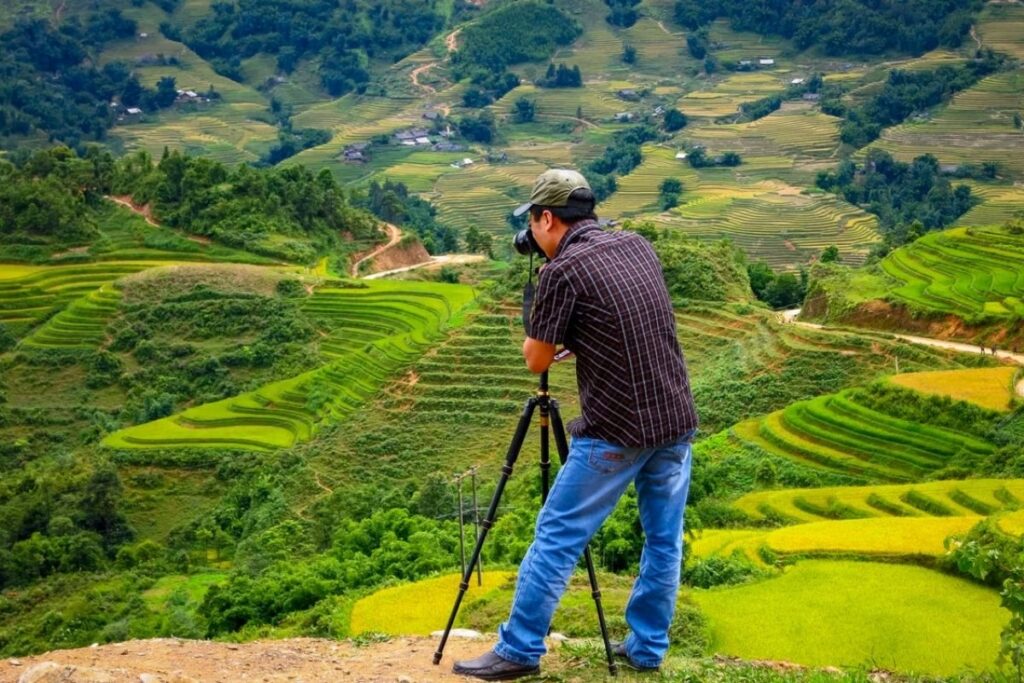
There is a moment when Sapa stops looking like a photograph.
It usually happens somewhere between the mountain road from Hanoi and the first glimpse of the rice terraces.
From a distance, the landscape looks almost too perfect: steep green mountains, layers of rice fields carved into the hillsides, small villages tucked into valleys, and clouds moving slowly across the peaks.
Then you get closer.
You see farmers working in the fields.
A motorbike passes.
A child walks home from school.
A hotel is being built beside an older wooden house.
A group of trekkers comes around the corner.
And suddenly Sapa feels less like a postcard and more like a place where people actually live.
That contrast is what makes Sapa interesting.
Sapa is one of northern Vietnam’s best-known mountain destinations, famous for its rice terraces, trekking routes, ethnic communities, and dramatic landscapes. It is also a busy tourism center, and that reality is part of the experience.
If you come expecting an untouched mountain village, Sapa may surprise you.
If you come expecting a living destination where traditional rural life and modern tourism exist side by side, it becomes much easier to appreciate.
This Sapa travel guide is designed around that reality.
Rather than simply listing attractions, we look at what Sapa is really like, what is worth doing, where to go, how to trek, when to visit, what to eat, and how to experience the region respectfully.
Table of Contents
Quick Facts About Sapa
| Travel Question | Quick Answer |
|---|---|
| Where is Sapa? | Lao Cai Province, northern Vietnam |
| How far is Sapa from Hanoi? | Roughly 5–6 hours by road |
| Best for | Trekking, rice terraces, mountain scenery and cultural experiences |
| Recommended stay | 2–3 nights |
| Best overall seasons | April–May and September–October |
| Highest peak | Fansipan, 3,143 meters |
| Main attractions | Fansipan, Muong Hoa Valley, Cat Cat Village, waterfalls and mountain villages |
| Best way to get there | Direct bus, private transfer, or train to Lao Cai + road transfer |
| Good for first-time visitors? | Yes, especially travelers interested in nature and trekking |
What Is Sapa Like?
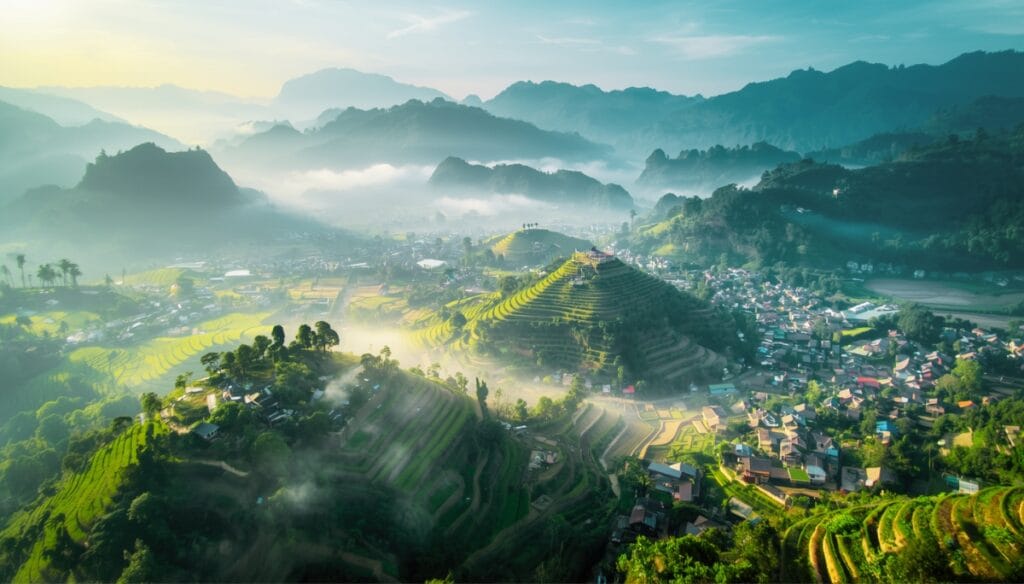
Sapa sits in Vietnam’s northern mountains at roughly 1,500 meters above sea level. The town is surrounded by steep valleys, forested mountains, waterfalls and some of the country’s most dramatic rice terraces.
For many international travelers, the biggest surprise is that Sapa is really two experiences in one.
The first is Sapa town.
This is where you’ll find hotels, restaurants, cafés, tour operators, shops and transportation. It is convenient and easy to explore, but it can also feel crowded and commercialized.
The second is the landscape outside town.
This is where Sapa becomes special.
The valleys around Lao Chai and Ta Van are filled with rice terraces and walking trails. Small communities live among the mountains, and homestays give travelers an opportunity to experience a much quieter side of northern Vietnam.
That distinction is important when planning your trip.
If you spend your entire stay in central Sapa, you may leave wondering what all the excitement was about. If you use the town as a base and spend time walking through the surrounding valleys, the experience can be completely different.
Is Sapa Worth Visiting?
Yes — but it depends on what you want from a Vietnam trip.
Sapa is an excellent choice if you enjoy:
- Mountain landscapes
- Hiking and trekking
- Rice terraces
- Photography
- Local food
- Homestays
- Cultural experiences
- Cooler weather
- Slower travel
It may be less appealing if your ideal vacation is based around beaches, nightlife, luxury shopping or consistently warm weather.
Sapa also requires a little more effort than destinations such as Hanoi or Hoi An. You need to travel several hours into the northern mountains, and weather conditions can affect your plans.
The payoff is the scenery.
Few places in Vietnam give travelers the opportunity to walk through landscapes where steep mountains, rice terraces and village communities are so closely connected.
For travelers building a broader North Vietnam itinerary, Sapa also works well alongside Hanoi, Ha Long Bay, Ninh Binh and Ha Giang.
Best Things to Do in Sapa
Sapa is not a place where you need to race from one attraction to the next.
The town has plenty of sights, but the experiences that make the trip memorable usually happen outside the center: walking through rice terraces, following a mountain trail into the valleys, staying with a local family, or simply watching the weather move across the hills.
If you have only a short time in Sapa, prioritize Muong Hoa Valley, one village trek, and either Fansipan or a homestay. With more time, slow down and explore beyond the most photographed attractions.
Here are the experiences worth your time.
1. Walk Through the Rice Terraces

The rice terraces are the landscape that defines Sapa.
Rather than viewing them from a single lookout, walk through the valleys where the terraces are part of the landscape and everyday farming life. Routes around Muong Hoa, Lao Chai, Ta Van, and Y Linh Ho offer some of the best opportunities to experience this side of Sapa.
The scenery changes with the agricultural calendar. Terraces can appear intensely green during the growing season and turn golden as harvest approaches.
For first-time visitors, a half-day or full-day walk is usually enough to understand why Sapa has become one of northern Vietnam’s best-known trekking destinations.
Best for: first-time visitors, photographers, and travelers who want to experience Sapa beyond viewpoints.
Worth the time? Absolutely. If you do only one outdoor activity in Sapa, make it a walk through the surrounding valleys.
2. Explore Muong Hoa Valley
If you have time for only one major landscape experience in Sapa, choose Muong Hoa Valley.
The valley brings together many of the things travelers come to Sapa to see: layered rice terraces, steep mountains, village communities, walking trails, and changing mountain weather.
It is also one of the best places to understand why Sapa feels very different once you leave the town center.
Early morning can be particularly rewarding. Mist may settle over the valley, while sunlight gradually reaches the terraces and mountain slopes. On another day, clouds may obscure the views entirely.
That unpredictability is part of Sapa.
Muong Hoa is also a natural starting point for treks toward communities such as Lao Chai and Ta Van.
Best for: scenery, trekking, photography, and first-time visitors.
Worth the time? Yes. This is one of the experiences I would protect in almost any Sapa itinerary.
3. Trek From Lao Chai to Ta Van
For travelers who want a more immersive experience than a short sightseeing walk, the Lao Chai–Ta Van area is one of the best places to spend a day.
The trails pass through terraced hillsides and rural communities, giving you a closer look at how farming and village life fit into the mountain landscape.
The point is not simply to reach a destination.
The walking itself is the experience.
You may pass farmers working in the fields, children heading home, buffalo near the terraces, small streams, and homes scattered along the hillsides. Conditions can change quickly, particularly after rain, so good footwear matters.
A local guide can also add considerable value. Beyond navigation, a knowledgeable guide can explain farming practices, local customs, village history, and the cultural context behind what you are seeing.
Best for: travelers who want scenery and cultural context rather than a checklist of attractions.
Worth the time? One of the strongest choices for a full day in Sapa.
4. Ride the Cable Car to Fansipan
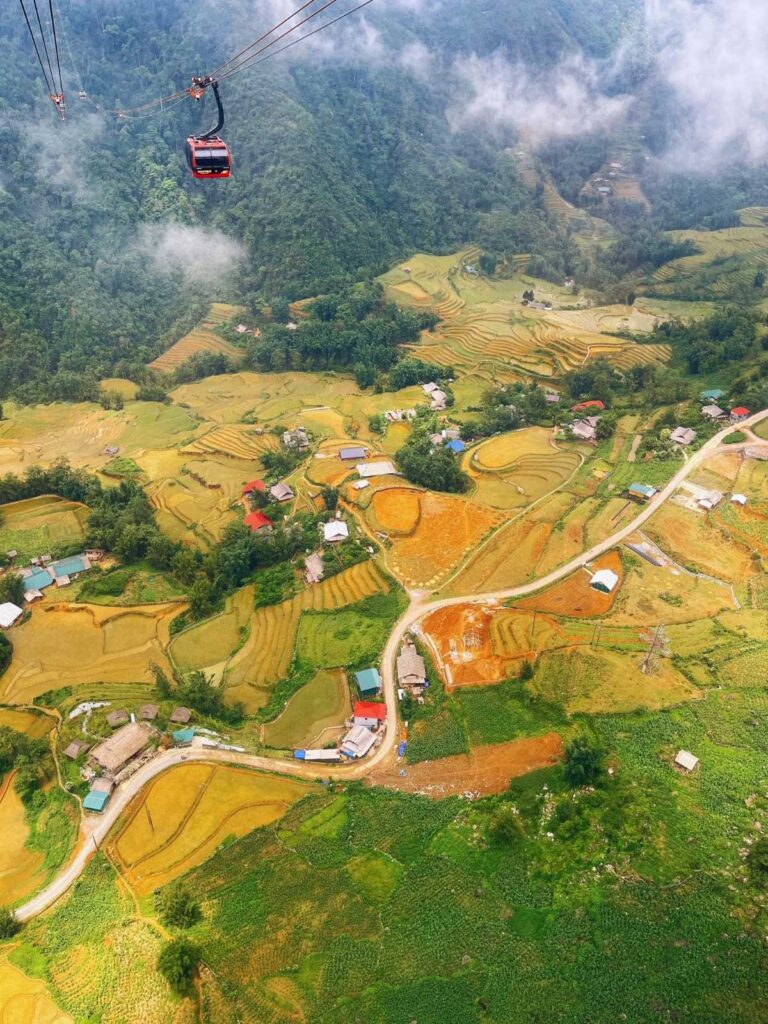
At 3,143 meters, Fansipan is the highest peak in Vietnam and the Indochina Peninsula.
For most visitors, the cable car is the practical way to experience the mountain.
The journey itself is part of the attraction. As the cable car climbs above the surrounding landscape, views can open across the Hoang Lien Son mountains and surrounding valleys. On clear days, the elevation gives you a completely different perspective from the valley floor.
But there is an important catch.
Fansipan is weather-dependent.
On a clear day, the views can be spectacular. In heavy cloud or fog, you may find yourself looking at very little beyond the immediate surroundings.
That is why I would avoid treating Fansipan as an attraction that must be completed regardless of conditions. Check the weather and visibility before committing to it.
Best for: first-time visitors, panoramic views, families, and travelers who do not want a demanding mountain trek.
Worth the time? Yes when visibility is good. If the mountain is completely covered in cloud, consider spending that time in the valleys instead.
5. Trek Fansipan — If You Actually Enjoy Hiking
Reaching Fansipan on foot is a very different experience from taking the cable car.
This is not the hike to choose simply because you want to say you climbed the highest mountain in Vietnam.
The trek involves significant elevation gain, changing weather, uneven terrain, and a much greater physical commitment than the valley walks around Sapa.
For experienced hikers, however, it can become one of the highlights of a northern Vietnam adventure.
Most first-time visitors do not need to climb Fansipan on foot to have a rewarding Sapa trip. If your priority is cultural interaction, rice terraces, and village landscapes, a valley trek may offer more variety for the time and effort involved.
Choose the mountain trek because you enjoy hiking—not because you feel obligated to check Fansipan off a list.
Best for: experienced hikers and adventure travelers.
Worth the time? Yes for the right traveler; unnecessary for most first-time visitors.
6. Stay Overnight in a Village Homestay
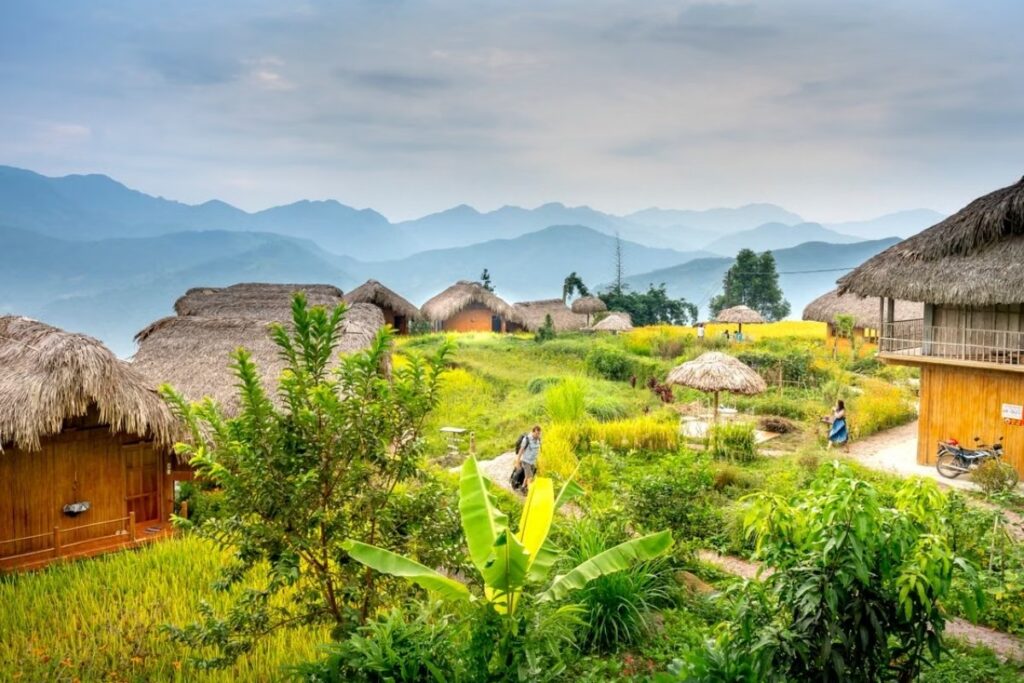
One of the easiest ways to experience a different side of Sapa is to spend at least one night outside the main town.
Areas around Ta Van, Lao Chai, Ta Phin, and Ban Ho offer a quieter alternative to central Sapa.
The difference can be immediate.
Instead of waking up to traffic, cafés, and tour groups, you may wake to mountain views, rice terraces, birds, and the sounds of village life.
Homestays vary considerably. Some are simple family-run houses with basic facilities. Others have become comfortable guesthouses with private rooms, balconies, and attractive valley views.
The point of staying in a homestay is not necessarily luxury.
It is proximity to the landscape and local life.
Many also serve home-cooked meals, which can make the stay feel more personal than a conventional hotel.
For travelers with three or more days, I would strongly consider spending at least one night outside central Sapa.
Best for: couples, slow travelers, photographers, and travelers interested in village life.
Worth the time? Yes—especially if your Sapa trip feels too centered on the town itself.
7. Visit Cat Cat Village — With Realistic Expectations
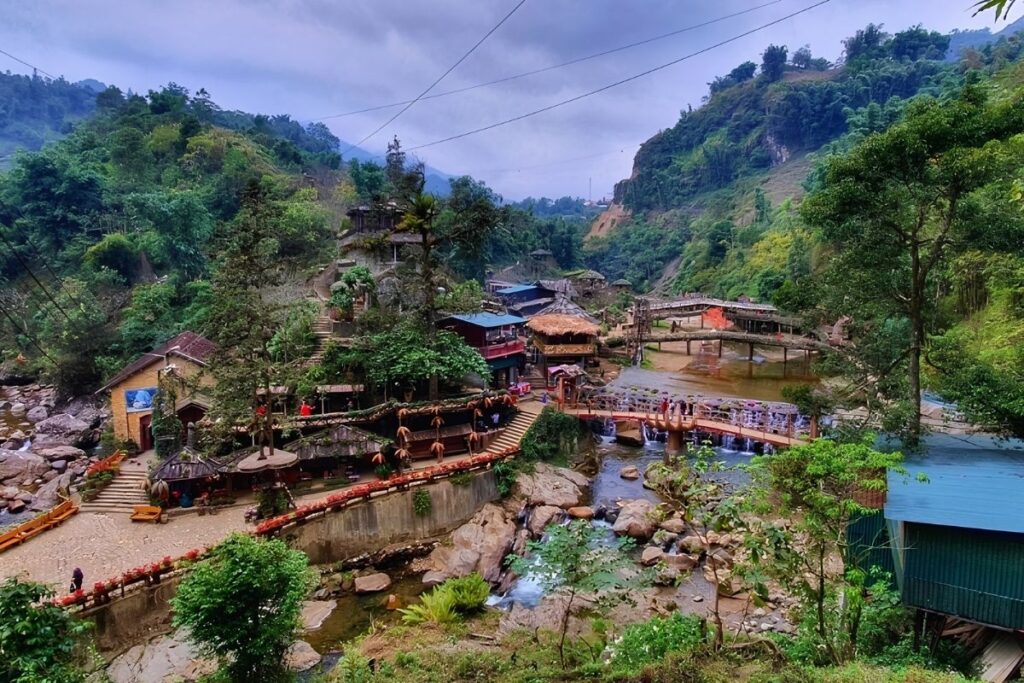
Cat Cat is one of the easiest cultural attractions to visit from Sapa town.
The village is associated with the Hmong community and includes traditional-style houses, handicrafts, walking paths, streams, waterfalls, and numerous viewpoints.
It is also one of the most photographed places around Sapa.
But there is an important caveat:
Cat Cat is highly commercialized.
That does not make it a bad place to visit. In fact, its accessibility makes it useful for travelers with only one day in Sapa or for visitors who are not able to take a longer trek.
The mistake is expecting an untouched mountain village.
If you have three or four days, I would not make Cat Cat the centerpiece of your trip. Use it as a short cultural stop, then spend more time exploring the wider Muong Hoa Valley or walking toward Ta Van and Lao Chai.
And remember that these are communities, not open-air museums.
Ask before photographing people, especially children, and be thoughtful about purchases and interactions with local residents.
Best for: first-time visitors, short stays, and travelers who want an easy introduction to Sapa’s cultural landscape.
Worth the time? Yes, if you have limited time. Less essential if you have several days and want quieter experiences.
8. Visit a Highland Market
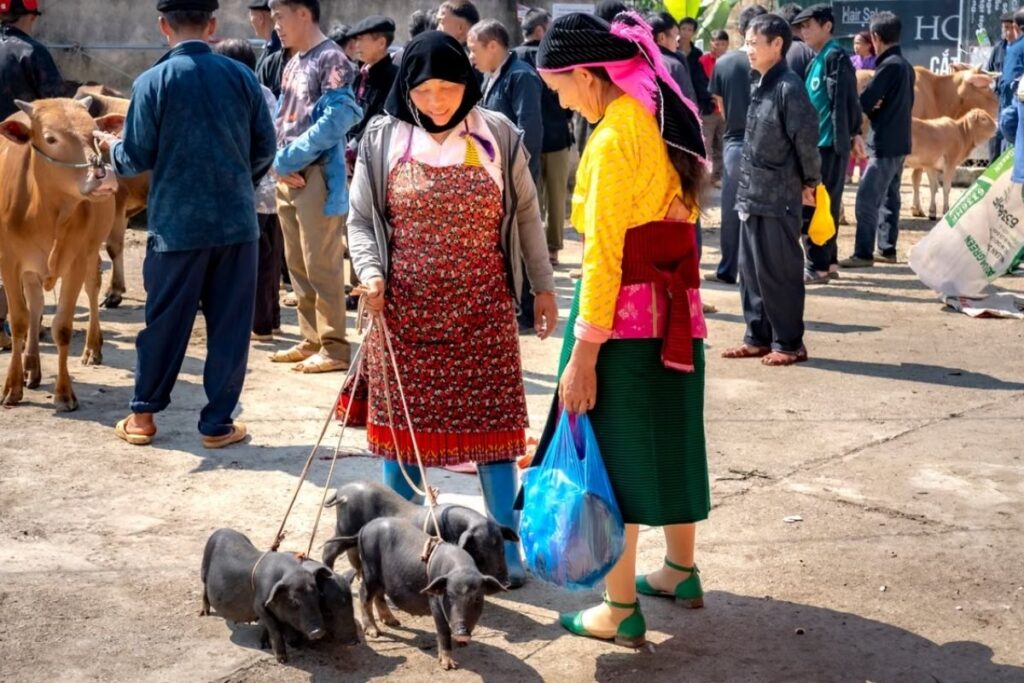
Markets offer another way to see northern Vietnam beyond the trekking trails.
The market in Sapa town is the easiest option if you are staying centrally. You can browse local produce, food, clothing, handicrafts, and other everyday goods without making a separate excursion.
For a more distinctive highland market experience, however, you need to travel farther.
Bac Ha Market and Can Cau Market are separate destinations and should not be treated as quick stops within Sapa itself. They work better as day trips or as part of a broader northern Vietnam itinerary.
Market schedules can vary, so check locally before making a special journey.
Most importantly, approach these markets as places where people actually live and trade.
The most interesting part is not necessarily buying something. It is watching how food, agricultural products, clothing, livestock, and local relationships come together in one place.
Best for: cultural travelers, photographers, and visitors interested in northern Vietnam beyond Sapa’s main attractions.
Worth the time? Yes for longer trips; not essential if you only have two days.
For a broader look at Vietnamese market culture, see our Vietnamese Markets & Bargaining Culture guide.
9. Walk to Love Waterfall
Love Waterfall, located in the Hoang Lien Son mountain area, offers a relatively accessible nature experience away from the busiest streets of Sapa.
The attraction involves a walk through a forested landscape toward the waterfall, making it more appealing to travelers who want some time in nature without committing to a full-day trek.
The waterfall itself is less important than the walk.
If you have already spent a full day trekking through Muong Hoa, you may not need to add another waterfall to your itinerary. But if you have extra time or want a shorter outdoor excursion, Love Waterfall can fit nicely into a flexible day.
Best for: short hikes, nature lovers, and travelers with extra time.
Worth the time? Optional. Prioritize Muong Hoa and a village trek first.
10. Slow Down and Let Sapa Happen
This may be the least obvious thing to do in Sapa—and one of the most rewarding.
Leave some space in your itinerary.
Sit on a homestay terrace. Have a bowl of hot food after a wet trek. Watch clouds move through the valley. Walk a little farther than the viewpoint on your map. Stop when the scenery changes.
Sapa is a destination where the most memorable moments are not always attached to a ticket, attraction, or named viewpoint.
The more you try to see everything, the more likely you are to experience only the tourist version of the destination.
The better approach is to choose a few experiences and leave room around them.
Best for: everyone.
Worth the time? More than you might expect.
Best Time to Visit Sapa
There is no single “best” month to visit Sapa.
The right time depends on what you want to see.
Come in early summer and the rice terraces are bright green, with young crops covering the mountainsides. Arrive around harvest season and the same hills can turn golden, creating the classic Sapa landscape seen in photographs. Visit in winter and you may find a very different Sapa—cool, misty, quiet, and sometimes surprisingly cold.
That seasonal change is part of what makes Sapa special.
For most travelers, April–May and September–October offer the best balance of scenery, trekking conditions, and comfortable temperatures. But if the rice terraces are your main reason for visiting, September is particularly appealing.
Sapa by Season
| Season | What Sapa Is Like | Best For |
|---|---|---|
| March–April | Cool weather, spring landscapes, and terraces beginning a new growing cycle | Trekking, photography, quieter travel |
| May–June | Fresh green terraces and warmer days | Green rice fields, hiking, photography |
| July–August | Lush mountain scenery, but wetter conditions are more likely | Green landscapes, experienced hikers |
| September–October | Rice terraces shift from green to golden as harvest approaches | Rice-terrace photography, trekking |
| November–February | Cooler, often misty weather with fewer visitors | Quiet mountain escapes, atmospheric photography |
These are broad seasonal patterns rather than fixed dates. Farming schedules can vary from one valley to another, and mountain weather can change quickly.
Spring: March to May
Spring brings cooler temperatures and a gradual return of color to the valleys.
March and April can be particularly appealing if you prefer trekking without the heat and humidity found in much of Vietnam later in the year. The terraces may not yet have the deep green appearance associated with summer, but the landscape can feel calmer and less crowded.
By May, newly planted rice fields begin creating vivid green patterns across parts of the mountainsides.
This is a good period for travelers who care more about walking, scenery, and comfortable mountain weather than seeing golden rice terraces.
Summer: June to August
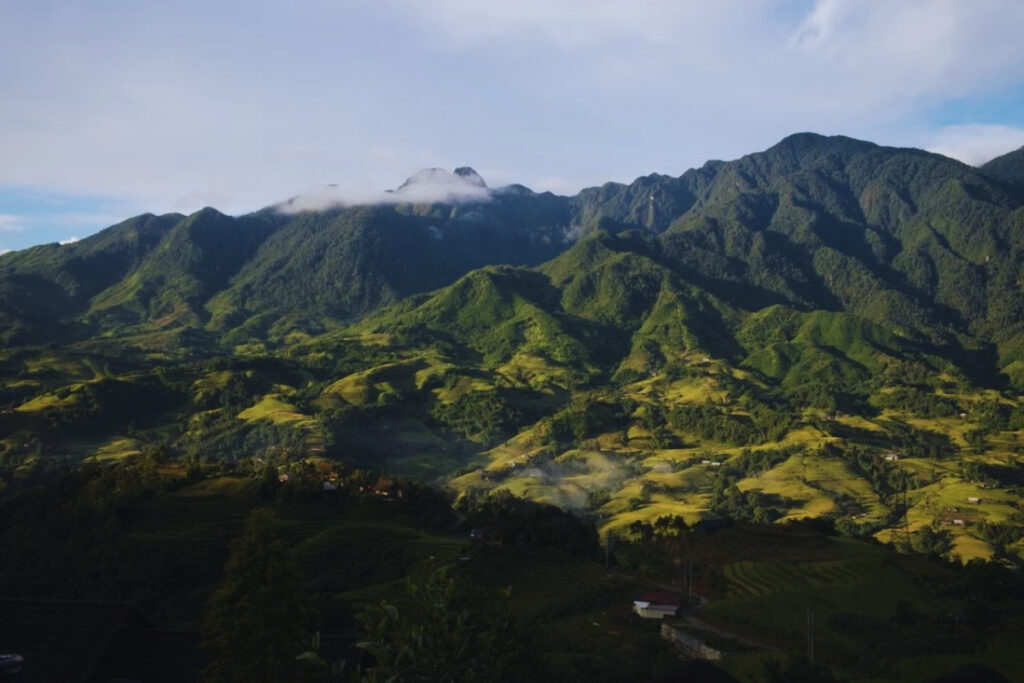
Summer is when Sapa’s rice terraces become intensely green.
The mountains can look almost impossibly lush, especially in June and July. For photographers, the contrast between green terraces, dark mountain slopes, and passing clouds can be spectacular.
The trade-off is rain.
Heavy showers can make trekking trails muddy and visibility less predictable. A rainy morning does not necessarily ruin a day in Sapa—the weather can change quickly—but travelers should be prepared for wet conditions.
If you visit during these months, bring proper footwear and keep your itinerary flexible.
Harvest Season: September to October
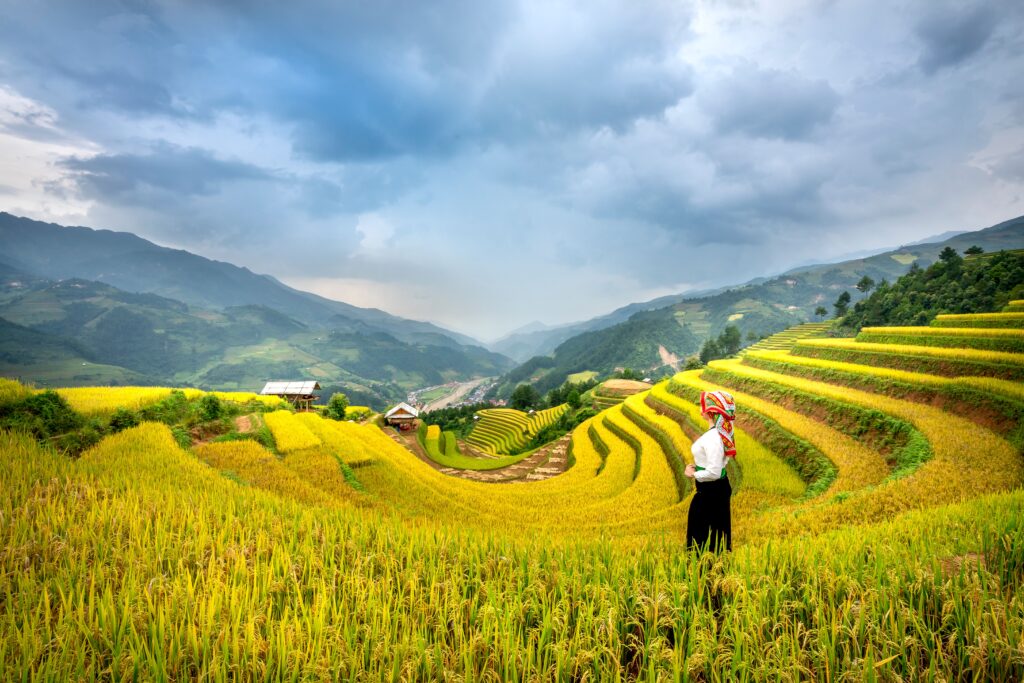
If your main reason for visiting Sapa is the rice terraces, September is one of the strongest months to consider.
As harvest approaches, sections of the terraces gradually change from green to shades of yellow and gold. The timing is not identical across every valley, so you should not expect every terrace to reach peak color on the same day.
This is also one of the most visually rewarding periods for trekking.
The weather is generally more comfortable than during the wettest part of summer, while the combination of golden terraces, mountain valleys, and cooler air creates the landscape many first-time visitors imagine when they picture Sapa.
October can still be excellent, although some fields may already have been harvested.
Winter: November to February
Winter reveals a quieter side of Sapa.
Temperatures can fall considerably, particularly at higher elevations, and mist often settles over the mountains. The rice terraces are no longer the main attraction, but the atmosphere can be compelling in its own way.
On clear days, mountain views can be dramatic. On misty days, Sapa can feel almost otherworldly.
This is a good time for travelers who prefer cool weather, fewer crowds, and a slower mountain experience.
Do not, however, choose winter specifically because you expect snow. Snow is unusual rather than a normal seasonal feature.
So, When Should You Go?
For a first trip, I would narrow it down like this:
- Best overall: April–May or September–October
- Best for golden rice terraces: September
- Best for lush green terraces: May–July
- Best for trekking: April–May and September–October
- Best for cooler, quieter travel: November–February
- Best for photographers: September–October, although every season offers a different landscape
The important thing is not to chase a single “perfect” month.
Sapa is an agricultural mountain landscape, not a fixed postcard. The terraces change as farmers plant, grow, and harvest their rice. Weather changes the mountains from one hour to the next.
That unpredictability is part of the experience.
If you come for the rice terraces, choose your season carefully. If you come for Sapa itself, give the mountains room to surprise you.
Where to See Sapa’s Rice Terraces
Sapa’s rice terraces are not one single attraction.
They stretch across the valleys and mountainsides surrounding town, changing with the farming season and the weather. From a distance, they can look almost perfectly sculpted. Up close, they become something different: narrow paths, irrigation channels, farmers working the fields, homes scattered along the hillsides, and villages connected by trails.
That is why the best way to experience Sapa’s rice terraces is not simply to find the highest viewpoint.
Walk through them.
For most first-time visitors, the most rewarding areas are Muong Hoa Valley, Lao Chai, Ta Van, and Y Linh Ho. They are close enough to combine into a longer day of exploring, but each offers a slightly different perspective on the landscape.
Muong Hoa Valley: The Classic Sapa Landscape
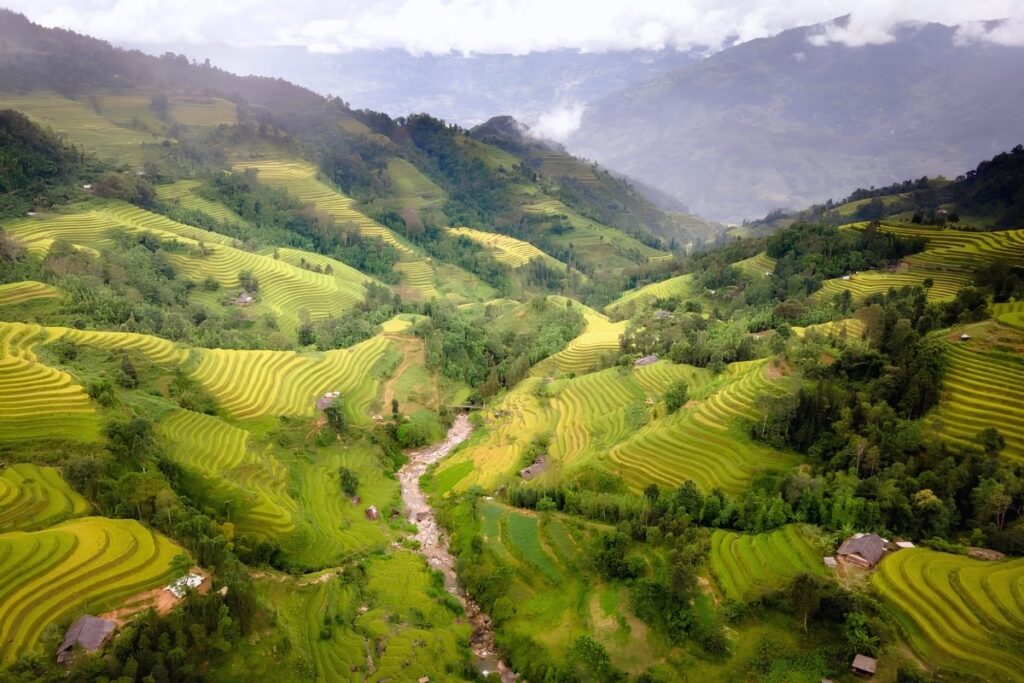
If you have never seen Sapa’s rice terraces before, start with Muong Hoa Valley.
The valley is home to some of the region’s most dramatic terraced landscapes, with mountains rising on either side and villages scattered across the lower slopes. It is also one of the easiest places to combine spectacular scenery with a trekking route.
From viewpoints above the valley, the terraces appear as sweeping lines across the mountainsides.
But the view changes once you descend.
Walking along the valley paths, you begin to notice the details: small streams running between fields, farmers tending crops, buffalo grazing near the terraces, and houses tucked into the landscape.
That contrast—from the wide mountain panorama to the details of rural life—is what makes Muong Hoa so rewarding.
Best for: First-time visitors, photographers, and travelers who want the classic Sapa scenery.
Allow: Half a day to a full day, depending on your route.
Lao Chai: Walk Into the Landscape
Lao Chai is one of the best places to experience the terraces as part of a longer valley walk.
Rather than treating the rice fields as a backdrop, trekking around Lao Chai puts you directly into the landscape. Trails pass between terraces and villages, with the mountains constantly changing around you.
The experience is particularly atmospheric when clouds or mist move through the valley.
On a clear day, you can see the full scale of the terraced hillsides. On a cloudy day, visibility may be limited—but the landscape can feel quieter and more intimate.
This is also an area where the agricultural character of Sapa becomes especially obvious.
Rice terraces are working farmland. Their appearance changes because people are planting, growing, watering, and harvesting rice—not because someone has arranged the landscape for visitors.
Best for: Trekking, photography, and travelers interested in rural life.
Allow: Half a day to a full day.
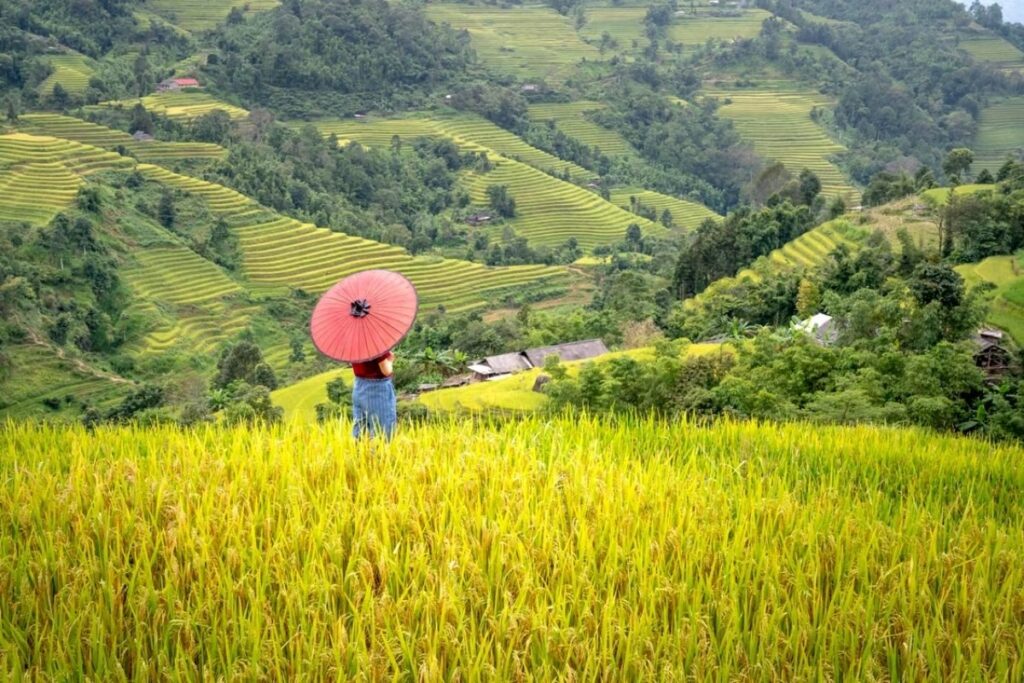
Ta Van: Rice Terraces at a Slower Pace
If you want to combine rice terraces with a more relaxed village experience, Ta Van is one of the best choices.
The village sits within the Muong Hoa Valley and is surrounded by mountain scenery and terraced fields. It is also a popular area for homestays, making it possible to stay overnight rather than returning to central Sapa after a day of sightseeing.
That changes the experience.
The valley feels different early in the morning and late in the afternoon, when the busiest day-trippers have moved on. Mist can settle over the hills. Farmers begin working. The light changes across the terraces.
You are no longer simply looking at Sapa’s landscape.
You are spending time within it.
For travelers who enjoy slow travel, photography, and cultural experiences, an overnight stay in the valley can be more rewarding than trying to fit another attraction into the itinerary.
Best for: Couples, slow travelers, photographers, and travelers interested in homestays.
Allow: A full day, or an overnight stay.
Y Linh Ho: A More Immersive Valley Experience
Y Linh Ho is a good choice for travelers who want to spend more time walking rather than simply stopping at viewpoints.
The area is surrounded by steep mountains, terraced fields, streams, and rural paths. It is commonly incorporated into longer trekking routes connecting with Lao Chai and Ta Van.
What makes Y Linh Ho interesting is the sense of progression.
The scenery does not arrive as one big attraction.
It unfolds as you walk.
A bend in the trail reveals another hillside. The terraces appear from a different angle. Clouds move across the mountains. A village comes into view farther down the valley.
For hikers and photographers, that gradual discovery is part of the appeal.
Best for: Active travelers, hikers, and photographers looking for a longer walk through the valley.
Allow: Half a day to a full day, depending on the route.
Which Rice-Terrace Area Should You Choose?
You do not need to visit every valley to appreciate Sapa’s rice terraces.
If your time is limited, choose according to the experience you want:
| Area | Best For | Experience |
|---|---|---|
| Muong Hoa Valley | First-time visitors | Classic panoramic scenery + trekking |
| Lao Chai | Hikers and photographers | Terraces + village life |
| Ta Van | Slow travelers | Terraces + homestays + quieter atmosphere |
| Y Linh Ho | Active travelers | Longer valley walks + mountain scenery |
For a first visit, Muong Hoa Valley and the Lao Chai–Ta Van area make the strongest combination. You can see the broad landscape, walk through the terraces, and experience village life without trying to cover too much ground.
And that last point matters.
Sapa rewards travelers who leave some space in the itinerary.
The Best View Is Not Always the Best Experience
There is nothing wrong with stopping at a viewpoint and taking the photograph.
In fact, you should.
But if you have the time and the weather cooperates, go one step further and walk into the valley.
The terraces are more interesting when you can see how they connect to everything around them: water, soil, footpaths, homes, livestock, and the people who cultivate them.
That is also why Sapa’s rice terraces feel different from a conventional scenic attraction.
They are not an isolated landmark.
They are part of a living agricultural landscape.
And once you see them that way, the terraces become more than something beautiful to photograph. They become one of the clearest ways to understand why the mountains around Sapa have shaped local life for generations.
Sapa Trekking Guide: Which Trail Is Right for You?
Trekking is one of the best reasons to visit Sapa, but you do not need to be an experienced hiker to enjoy it.
The mistake is assuming that every Sapa trek is the same. A short walk through the Muong Hoa Valley can be relatively relaxed, while longer routes between mountain villages can involve steep slopes, slippery paths, and significant elevation changes.
For most first-time visitors, the best introduction is a half-day or full-day trek through the Muong Hoa Valley and villages around Lao Chai and Ta Van. These routes offer the combination that makes Sapa special: rice terraces, mountain scenery, village life, and enough physical activity to feel like you have actually entered the landscape.
If you want something more challenging, there are longer mountain routes and the option of trekking toward Fansipan. But you should choose those because you genuinely enjoy hiking—not simply because they sound impressive on an itinerary.
Sapa Trekking at a Glance
| Trekking Experience | Difficulty | Typical Time | Best For |
|---|---|---|---|
| Muong Hoa Valley walk | Easy–Moderate | Half day | First-time visitors |
| Lao Chai–Ta Van | Moderate | Full day | Scenery + village life |
| Ta Phin area | Moderate | Half/full day | Quieter cultural experience |
| Longer mountain treks | Moderate–Hard | 1–2+ days | Experienced hikers |
| Fansipan trekking | Hard | Multi-day | Serious hikers |
These difficulty levels are general guidelines rather than official trail ratings. Mountain conditions can change quickly, especially after rain.
1. Muong Hoa Valley: The Best First Trek
If this is your first time trekking in Sapa, start with Muong Hoa Valley.
The landscape changes constantly as the trail moves through rice terraces, hillsides, streams, and village communities. You do not need to complete an ambitious route to experience the scenery.
For many travelers, a half-day walk is enough.
The main advantage is flexibility. You can choose a shorter route if the weather turns bad, or continue farther into the valley if conditions are good.
The trails can become muddy after rain, and some sections are uneven or steep. Good walking shoes are therefore more important than expensive hiking equipment.
Difficulty: Easy to moderate
Time: Half day to full day
Best for: First-time trekkers, families with older children, photographers, and travelers who want scenery without a demanding climb.
Why I Recommend It
Muong Hoa gives you the landscape people imagine when they think of Sapa, but you experience it from ground level rather than from a viewpoint.
That difference matters.
You are not simply looking at the rice terraces. You are walking between them.
2. Lao Chai to Ta Van: The Classic Full-Day Trek
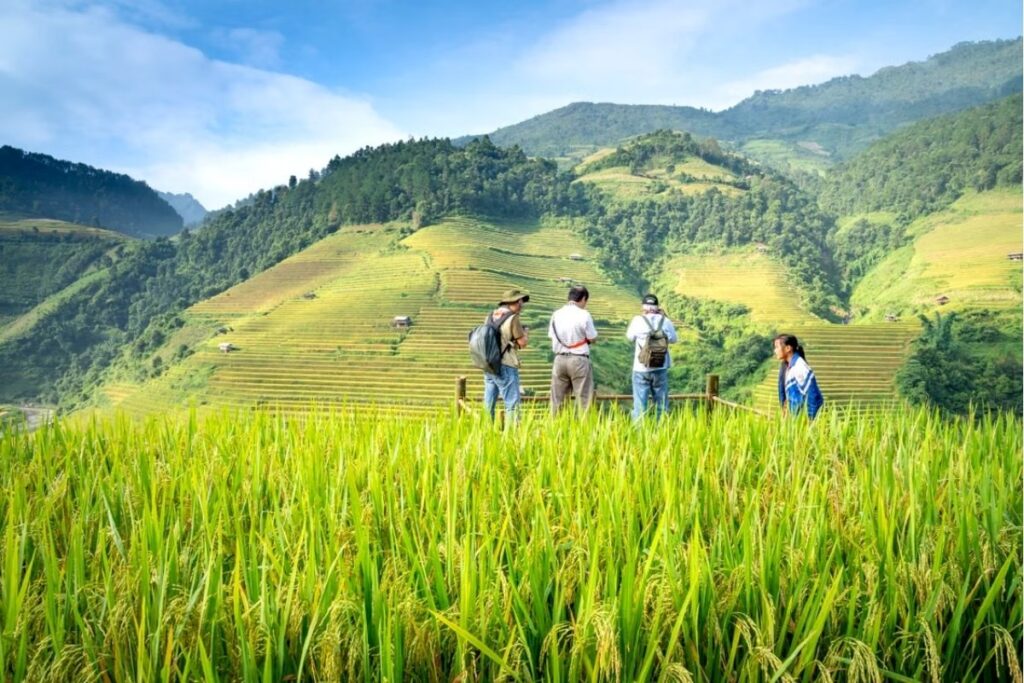
For travelers who want a more complete Sapa trekking experience, the route between Lao Chai and Ta Van is one of the strongest choices.
The trail passes through terraced hillsides and rural communities, with changing views throughout the day.
This is also where the cultural side of trekking becomes more important.
A good guide can explain the villages you pass through, farming practices, local customs, and the history of the communities living in the valleys. Without that context, it is easy to see the landscape without understanding it.
The route can involve uneven terrain and steep sections, particularly after rain.
You do not need to be an athlete, but you should be comfortable walking for several hours on natural trails.
Difficulty: Moderate
Time: Full day
Best for: Active travelers, photographers, couples, and anyone who wants scenery combined with cultural context.
The Trade-Off
This is a more rewarding experience than simply visiting a village by vehicle, but it requires time and reasonable fitness.
If you are uncomfortable with uneven ground or long walks, choose a shorter route instead.
3. Ta Phin: A Quieter Alternative
Ta Phin offers another option for travelers who want to spend time in the countryside without following the most familiar Sapa routes.
The area is known for its mountain scenery and local communities, and the surrounding trails can provide a quieter experience than some of the more heavily visited attractions closer to central Sapa.
It is a good choice when you have already experienced Muong Hoa and want something different.
Difficulty: Moderate
Time: Half day to full day
Best for: Repeat visitors, slower travelers, and travelers looking for a less central experience.
The key word here is quieter, not untouched.
No popular destination around Sapa should automatically be described as “undiscovered” or “completely authentic.” Communities here are living places that have also become part of the tourism economy.
4. Longer Mountain Treks
If you enjoy hiking for its own sake, Sapa can be the starting point for more demanding mountain adventures.
These routes require more preparation than a standard valley trek. Weather, trail conditions, elevation, navigation, and accommodation all become more important as you move farther from town.
This is where having an experienced local guide becomes particularly valuable.
Do not judge a mountain trek only by its distance. A route that looks manageable on a map can become much harder when it involves steep ascents, wet ground, or changing weather.
Difficulty: Moderate to hard
Time: One to several days
Best for: Experienced hikers and travelers who want trekking to be a central part of the trip.
If hiking is not already something you enjoy at home, there is little reason to choose the hardest route simply to make your Vietnam itinerary look more adventurous.
5. Fansipan Trekking: A Different Level of Commitment
Fansipan is Vietnam’s highest peak, but reaching it on foot is a very different experience from taking the cable car.
A Fansipan trek involves substantial elevation gain and mountain conditions that can change quickly. It requires better preparation, appropriate equipment, sufficient fitness, and a realistic understanding of the physical demands.
For experienced hikers, it can be an unforgettable challenge.
For everyone else, the cable car offers a much easier way to experience the mountain.
There is no prize for choosing the harder option.
If your main goal in Sapa is rice terraces, village life, and cultural experiences, spending a full day walking through the valleys may actually give you a more varied experience than committing your limited vacation time to a demanding summit trek.
Difficulty: Hard
Time: Multi-day
Best for: Experienced hikers and adventure-focused travelers.
Do You Need a Guide for Trekking in Sapa?
For short, straightforward walks near town, an independent traveler may be comfortable without a guide.
For longer village-to-village routes, however, I generally recommend hiring a reputable local guide.
The benefit is not simply navigation.
A good guide can help you understand what you are seeing: who lives in the villages, how rice cultivation works on steep slopes, how local communities have adapted to tourism, and which paths make sense for the weather and your fitness level.
There is also a practical advantage.
Trail conditions can change after rain, and routes that look obvious on a map may not be as straightforward on the ground.
The best guide experience should feel like walking with someone who knows the area—not being pushed through a predetermined shopping itinerary.
If you book a trek through a hotel or tour company, ask exactly what is included before paying.
Sapa Trekking Difficulty: What “Moderate” Really Means
One of the problems with travel websites is that the word “moderate” can mean almost anything.
In Sapa, a moderate trek may involve:
- several hours of walking;
- uneven natural surfaces;
- steep uphill and downhill sections;
- muddy trails after rain;
- narrow paths;
- occasional stream crossings;
- changing weather;
- and little shade in exposed areas.
You do not need specialist mountaineering skills for the classic valley routes, but basic fitness makes the experience much more enjoyable.
If you regularly walk, hike, or exercise, most standard day treks should feel manageable.
If you are not used to long walks, choose a shorter route and discuss the distance with your guide before setting out.
A Simple Rule
If you can comfortably walk for several hours on uneven ground, you can probably enjoy a standard Sapa valley trek.
The bigger issue is often not fitness.
It is weather.

Trekking in the Rain: The Reality of Sapa’s Trails
Sapa looks different after rain.
The terraces become intensely green, streams swell, and mist can settle across the mountains.
It can also make the trails significantly more difficult.
Mud is common. Stones become slippery. Downhill sections can be particularly awkward, and shoes that felt perfectly adequate on a dry morning may suddenly seem like the wrong choice.
This is why I would not plan every hour of a Sapa trip around trekking.
Leave room to change your plans.
If heavy rain arrives, a shorter walk, local meal, market visit, or homestay afternoon may be a better choice than forcing a long mountain route.
The mountains will still be there tomorrow.
What to Wear for Trekking in Sapa
You do not need a suitcase full of technical hiking gear.
For most day treks, focus on practical basics:
Hiking or trail shoes
Wear shoes with good grip.
Avoid smooth-soled sneakers, particularly during the rainy season.
And if you care about keeping your shoes clean, leave the white sneakers at the hotel.
Lightweight layers
Mountain temperatures can change quickly, especially when clouds move in or you gain elevation.
Several light layers are more useful than one heavy jacket.
Rain protection
A lightweight waterproof jacket or poncho can make a huge difference.
Do not rely entirely on a weather forecast to decide whether to bring one.
Small backpack
Carry water, snacks, sunscreen, a phone, power bank, rain protection, and any personal essentials.
Sun protection
Cloud cover does not eliminate UV exposure.
Bring sunscreen, sunglasses, and a hat.
Extra socks
This sounds insignificant until your feet are wet halfway through a trek.
Bring a spare pair.
What to Pack for a Sapa Trek
For a typical day trek:
- Comfortable hiking shoes
- Lightweight rain jacket or poncho
- Small backpack
- Reusable water bottle
- Sunscreen
- Hat
- Sunglasses
- Insect repellent
- Phone and power bank
- Small amount of cash
- Snacks
- Extra socks
For longer treks, your guide or tour operator should provide a more specific packing list based on the route and overnight arrangements.
How to Trek Respectfully in Local Communities
Sapa’s trails do not pass through an empty wilderness.
They pass through places where people live and work.
You may walk past homes, farms, schools, livestock, and people working in rice fields. Treat those surroundings as you would a neighborhood at home.
Ask before photographing people.
Do not enter private homes or fields without permission.
Do not assume that children selling products want to be photographed simply because they are used to tourists.
And avoid treating traditional clothing or village life as a costume designed for visitors.
For a broader guide to respectful behavior in Vietnam, see our Vietnamese Etiquette Guide.
If you want to understand the wider cultural context of the communities you may encounter around Sapa, our Vietnamese Ethnic Groups Guide provides a useful introduction.
My Recommendation for First-Time Trekkers
If I were planning a first trip to Sapa, I would not begin with the hardest trail.
I would start with a full or half-day Muong Hoa Valley trek, ideally continuing toward Lao Chai and Ta Van if the weather and fitness level allow.
Then I would spend a night in a village homestay.
That combination gives you something a checklist of attractions cannot:
you see the mountains, walk through the terraces, meet people who live in the valleys, and experience how different Sapa feels after the town disappears behind you.
And that is really the point of trekking here.
You are not hiking merely to reach a viewpoint.
You are walking into the landscape.
Where to Stay in Sapa
Where you stay can change your entire Sapa experience.
The biggest decision is not whether to book a luxury hotel, boutique property, or budget room. It is whether you want to stay in Sapa town or closer to the valleys and villages outside it.
Sapa town is convenient, lively, and easy to navigate. The surrounding villages are quieter and put you closer to the rice terraces and trekking routes.
For a first visit, staying in town is usually the easiest choice. If you have three or more nights, consider splitting your stay between Sapa town and a village homestay.
That combination gives you the best of both sides of the destination.
Sapa Accommodation at a Glance
| Area | Best For | Atmosphere | Main Advantage | Main Trade-Off |
|---|---|---|---|---|
| Sapa Town | First-time visitors | Busy, convenient | Restaurants, transport, hotels | More commercial |
| Ta Van | Homestays, couples, hikers | Quiet, rural | Valley scenery and trails | Less convenient for town activities |
| Lao Chai | Trekkers, photographers | Rural, scenic | Rice terraces and trekking | Fewer conveniences |
| Ta Phin | Slow travelers | Quiet, cultural | Less central, peaceful setting | Longer transfers |
| Mountain Resorts | Couples, luxury travelers | Peaceful, upscale | Views, spas, comfort | Less connected to everyday village life |
Stay in Sapa Town If You Want Convenience
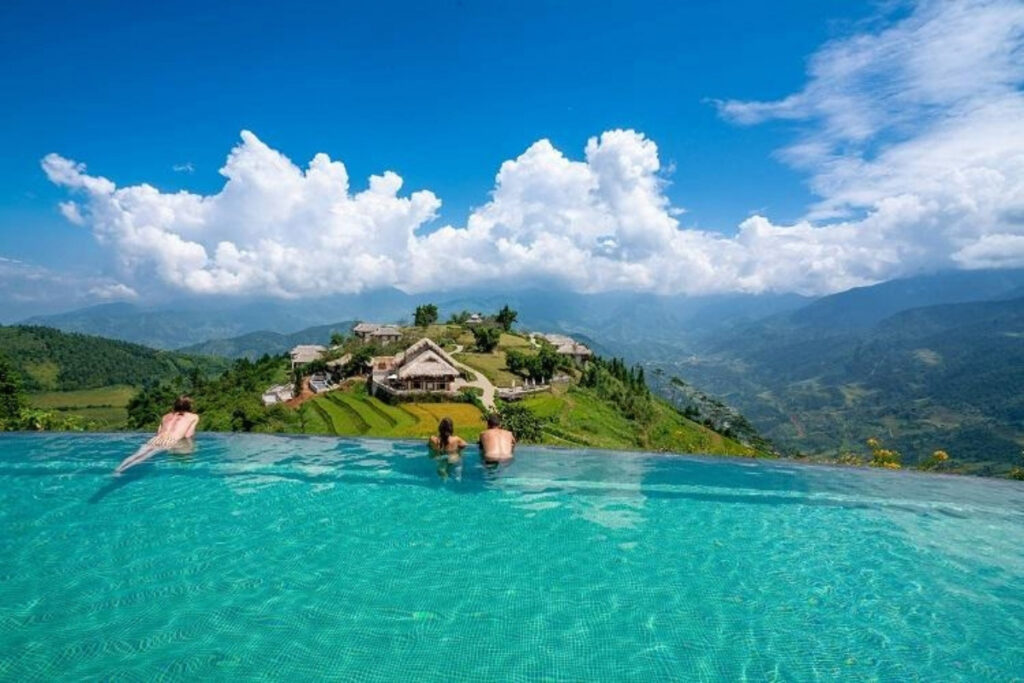
Sapa town is the easiest choice for most short visits.
You will find the widest selection of hotels, restaurants, cafés, shops, tour operators, and transportation. It is also convenient for visiting Fansipan and arranging day trips.
The trade-off is atmosphere. Sapa town is a busy tourism center, not an untouched mountain village. Expect traffic, construction, tour groups, restaurants, and souvenir shops.
Best for: first-time visitors, families, short stays, and travelers who prioritize convenience.
Stay in Ta Van for Village Life
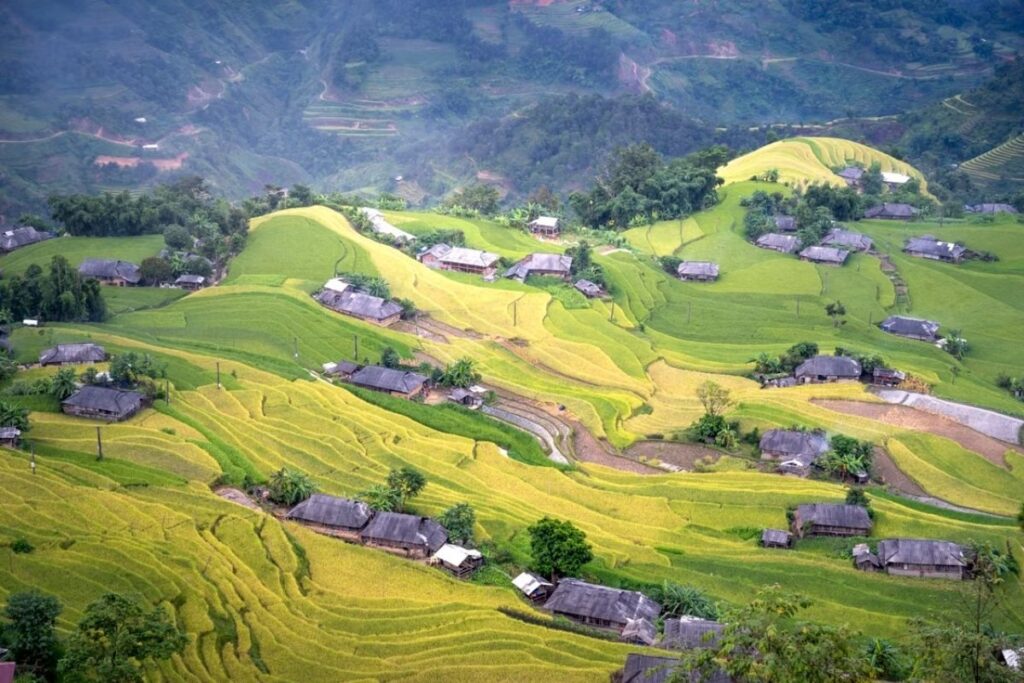
Ta Van is one of the best choices if you want to experience Sapa beyond the town.
The village sits among rice terraces and mountain trails, with homestays offering a quieter setting and easier access to the countryside. A stay here can feel less like sightseeing and more like slowing down in the landscape.
The downside is fewer restaurants and transportation options than in central Sapa.
Best for: couples, hikers, photographers, cultural travelers, and stays of three nights or more.
Stay in Lao Chai for Rice Terraces and Trekking
Lao Chai is particularly appealing to travelers who come to Sapa for rice terraces and hiking.
Staying closer to the valley means you can start walking without first traveling from town to the trailhead. The area is quieter and more rural, but services are more limited.
Best for: trekkers, photographers, nature lovers, and travelers seeking a rural setting.Stay in Ta Phin for a Quieter Experience
Ta Phin offers a slower alternative away from the busiest parts of Sapa.
It can suit travelers interested in local communities, mountain scenery, and a more peaceful pace. However, it is less convenient for a short first visit because you are farther from central Sapa and its main services.
Best for: repeat visitors, slow travelers, and those looking for a quieter cultural experience.
Choose a Mountain Resort for Comfort
Mountain resorts are a good option if your ideal Sapa trip combines spectacular views with comfort, spa facilities, and plenty of downtime.
The trade-off is that a resort can feel removed from everyday village life.
Best for: couples, luxury travelers, special occasions, and travelers who value relaxation as much as trekking.
Hotel or Homestay in Sapa?
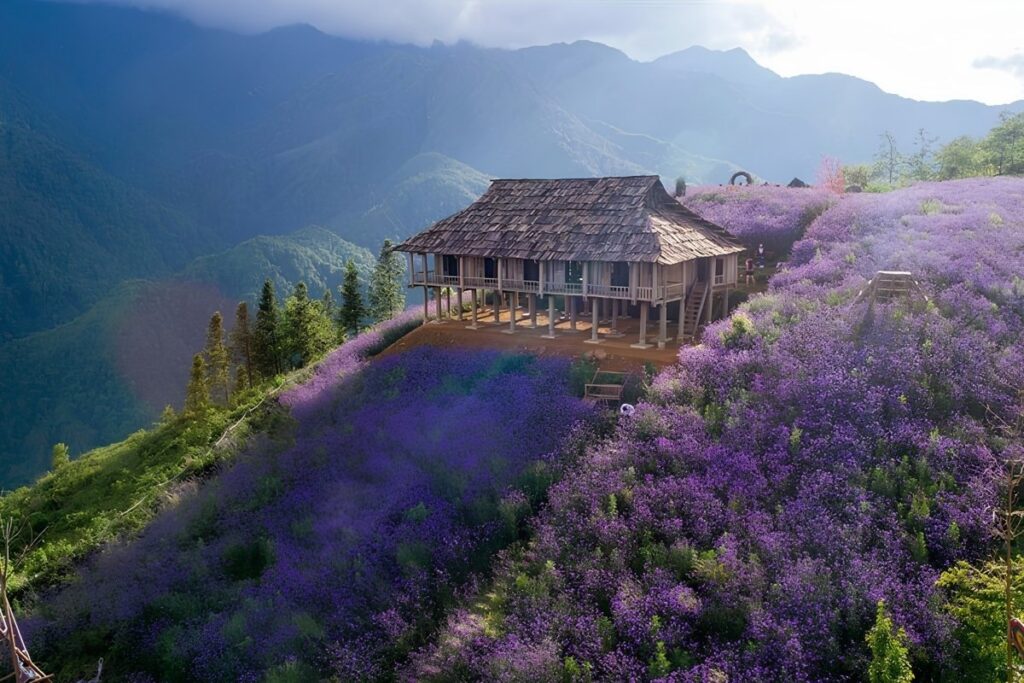
Choose a hotel if you want predictable facilities, private amenities, restaurants, and easy transportation.
Choose a homestay if you want a quieter setting, village scenery, home-cooked meals, and more interaction with local hosts.
One important point: “homestay” does not always mean staying in a traditional family home. Some properties operate more like small guesthouses. Check recent reviews and confirm what type of accommodation you are booking.
Best Area to Stay in Sapa for Different Travelers
- First-time visitors: Sapa town
- Families: Sapa town or a comfortable resort
- Couples: Ta Van or a mountain resort
- Hikers: Ta Van or Lao Chai
- Photographers: Lao Chai or Ta Van
- Solo travelers: Sapa town
- Luxury travelers: Mountain resort
- Slow travelers: Ta Phin or Ta Van
What to Check Before Booking
Don’t choose a Sapa hotel based on photographs alone. Before booking, check:
- Location: “Near Sapa” can mean very different things.
- Recent reviews: Look for comments about cleanliness, noise, heating, hot water, and road access.
- Heating: Sapa can be surprisingly cold, especially in winter.
- Transportation: Check how easily you can reach the property from town.
- Views: Mountain views can disappear in fog, so don’t choose a property solely for the scenery.
- Luggage access: Some village accommodations are not directly accessible by large vehicles.
My Recommendation for a First Sapa Trip
For two nights, stay in Sapa town. It keeps the trip simple and gives you easy access to restaurants, transportation, Fansipan, and trekking tours.
With three nights, consider:
1 night in Sapa town + 2 nights in Ta Van.
With four or five nights, you have more freedom to stay outside town and let the weather shape your plans.
For me, that is the real choice in Sapa:
Stay in town for convenience. Stay in the valleys for the experience. If you have enough time, experience both.
What to Eat in Sapa: A Taste of Vietnam’s Northern Highlands
Food may not be the main reason travelers come to Sapa, but after a day in the mountains, local dishes become part of the experience.
Sapa’s food reflects its cool climate, mountain agriculture, ethnic communities, and growing tourism scene. Alongside familiar Vietnamese dishes, you’ll find hotpots, grilled foods, seasonal vegetables, sticky rice, and traditional highland specialties.
Rather than chasing every “must-try” dish, focus on food that fits the setting: a steaming hotpot on a cool evening, grilled skewers after a trek, or a home-cooked meal at a village homestay.
1. Salmon Hotpot
Salmon hotpot is one of the dishes most closely associated with modern Sapa cuisine. Locally raised freshwater salmon is typically cooked with mushrooms, tofu, vegetables, herbs, and a flavorful broth.
It is particularly appealing on a cool evening after hiking in the mountains.
Best for: a warming dinner after a day outdoors.
2. Thang Co
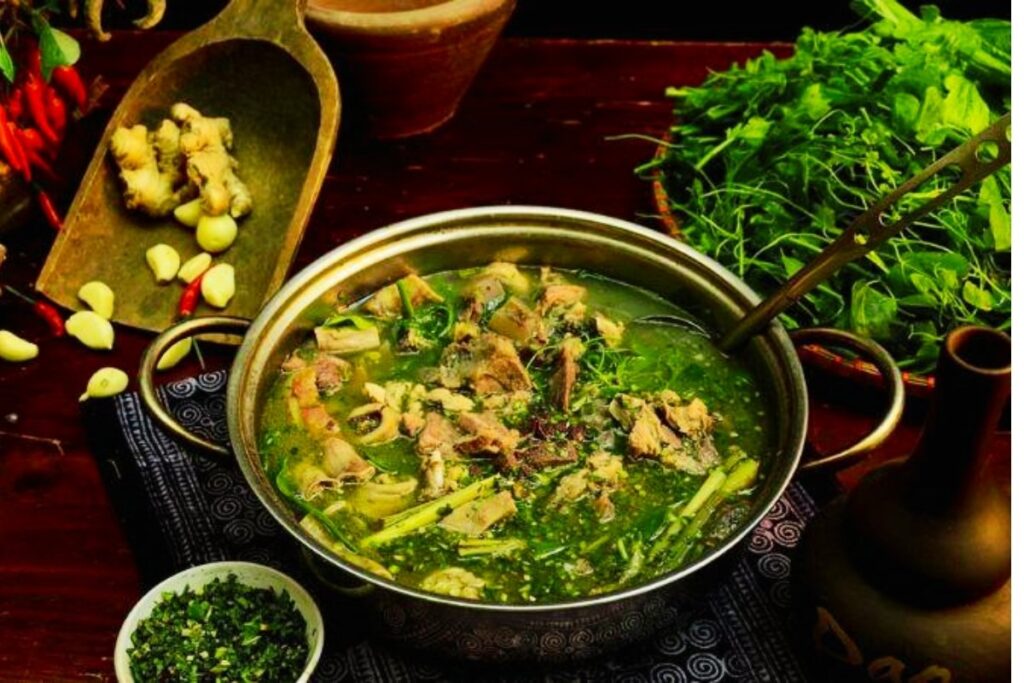
Thang Co is one of the most distinctive traditional foods associated with Vietnam’s northern highlands and Hmong communities.
Traditional versions are made with horse meat and offal, along with herbs and spices. Modern restaurant versions can vary.
The flavor is rich and aromatic, and it may be unfamiliar to international travelers. If you try it, approach it as part of Sapa’s food culture rather than an “exotic food challenge.”
Best for: adventurous eaters and travelers interested in northern Vietnamese food traditions.
3. Grilled Meat and Skewers
Grilled skewers are easy to find around Sapa’s busy streets and night-market areas.
Depending on the stall, you may find meat, vegetables, mushrooms, tofu, and other ingredients cooked over charcoal.
They are simple, casual, and particularly enjoyable on cool evenings.
Tip: Choose busy stalls where food is cooked fresh and has good turnover.
4. Com Lam: Bamboo-Cooked Sticky Rice
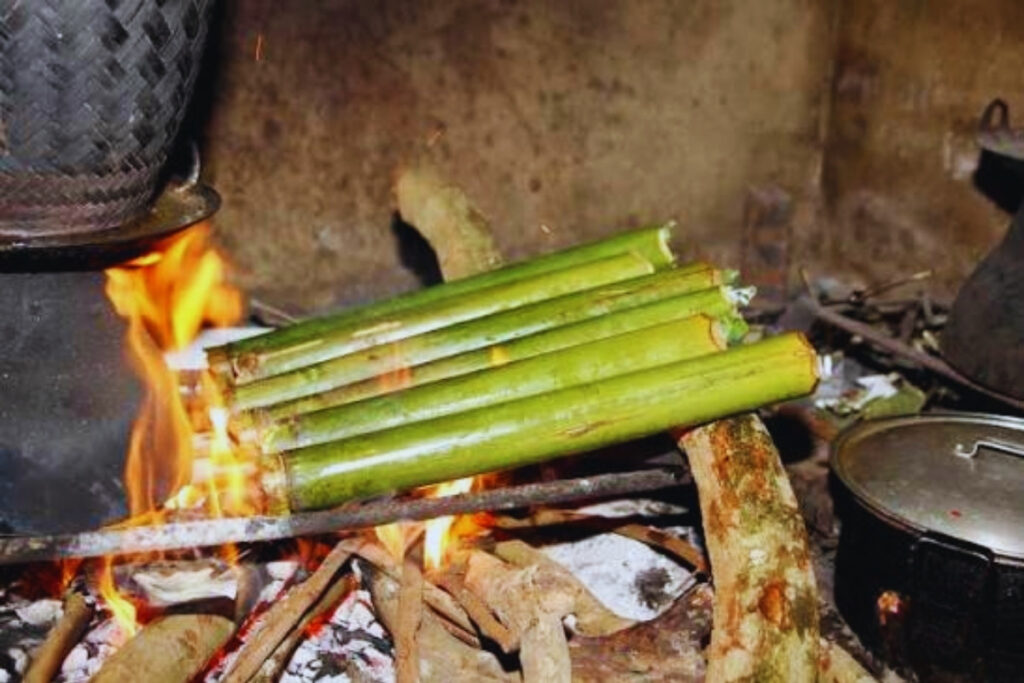
Com lam is sticky rice cooked inside bamboo tubes, giving the rice a subtle bamboo aroma.
It is common in the food traditions of Vietnam’s mountainous regions and may be served with grilled meat, sesame salt, or other accompaniments.
You may find it at local restaurants, markets, and village homestays.
Best for: trekkers, travelers interested in regional food, and anyone looking for a simple local staple.
5. Mountain Vegetables
Do not overlook the vegetables.
Sapa’s mountain climate supports a variety of seasonal produce, which appears in hotpots, soups, stir-fries, and family-style meals. Chayote, cabbage, mustard greens, herbs, and other seasonal vegetables are common examples.
At a village homestay, ask what is fresh or in season. A simple plate of locally grown vegetables can be one of the most memorable parts of the meal.
Best for: everyone, especially travelers interested in seasonal and locally grown food.
6. Local Herbal and Mountain Flavors
Highland dishes often use aromatic herbs, spices, marinades, and dipping sauces that may taste different from food in Hanoi or other major Vietnamese cities.
You do not need to identify every ingredient. Just pay attention to the earthy, herbal, and sometimes intensely aromatic flavors that give northern mountain cuisine its character.
7. Food at a Village Homestay
If you stay in Ta Van, Lao Chai, Ta Phin, or another village, consider having dinner at your homestay.
Meals are often served family-style, with rice, vegetables, meat, soup, and other dishes prepared from ingredients available that day.
The experience is as much about the setting as the food. Sitting around a table with your hosts gives you an opportunity to ask what is grown locally, what people eat every day, and which dishes are reserved for special occasions.
For travelers interested in experiencing Vietnam beyond its major tourist attractions, a homestay meal can be one of the most rewarding ways to understand Sapa’s food culture.
What Should You Eat in Sapa?
If you only have a few meals in Sapa, I would prioritize:
- Salmon hotpot for a classic Sapa dinner
- Thang Co for a taste of northern highland food culture
- Grilled skewers for a casual evening meal
- Com lam for a traditional mountain staple
- Seasonal vegetables for a lighter local option
- A homestay dinner for the most immersive experience
The best Sapa food is not necessarily the most famous dish on the menu. Sometimes it is simply the meal that makes sense after a long day in the mountains.
Where to Eat in Sapa
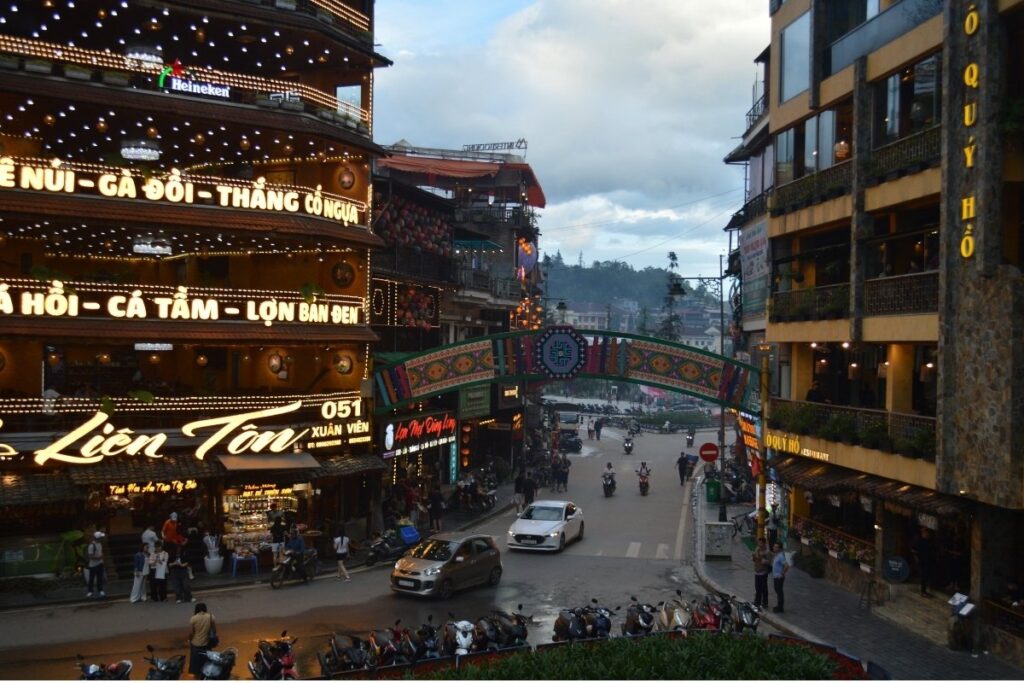
The best place to eat depends on what you are looking for.
Sapa Town
This is where you will find the widest range of restaurants.
Choose the town when you want:
- More restaurant choices
- Local specialties
- Vietnamese comfort food
- Cafés
- Casual street food
- International dishes
The downside is that tourist-oriented restaurants are common, so quality can vary.
Look beyond the most obvious restaurants on the busiest streets.
Sapa Market and Night-Market Areas
Markets are useful for trying small portions of different foods rather than committing to a full meal.
They are especially good for grilled foods, snacks, fruit, and casual local dishes.
But remember that markets are working environments, not food museums.
Observe how locals eat, choose busy stalls with good turnover, and use normal food-safety judgment.
Village Homestays
For cultural context, this is my favorite option.
A homestay meal gives you something a restaurant cannot easily reproduce: the setting of everyday life.
You are not just tasting a dish.
You are seeing how food fits into the rhythm of a household.
A Note About “Authentic” Sapa Food
You will see the word “authentic” used frequently on restaurant menus and travel websites.
Be cautious with it.
Sapa has changed significantly through tourism, and its food scene has changed along with it.
Some dishes are strongly connected to local traditions.
Others have been adapted for visitors.
Some restaurants combine regional ingredients with cooking styles that are familiar to tourists.
None of this automatically makes the food bad.
It simply means that local does not always mean untouched by tourism.
If you want a deeper connection to regional food culture, ask where ingredients come from, eat seasonal dishes, visit markets, and share a meal with a local host.
That approach is more meaningful than searching for a restaurant claiming to serve “100% authentic” food.
Sapa Food and Vietnamese Cuisine
Sapa should not be treated as a completely separate culinary world from the rest of Vietnam.
You will still encounter rice, noodles, soups, grilled meats, vegetables, herbs, dipping sauces, and familiar Vietnamese cooking techniques.
What changes is the environment and the ingredients.
The cooler climate, mountain agriculture, ethnic communities, and local traditions give Sapa’s food its own character.
That is why food is best understood as part of the landscape.
The same country that gives you pho in Hanoi gives you mountain vegetables, grilled foods, com lam, and highland specialties in Sapa.
The contrast is part of the journey.
For a broader look at Vietnamese cuisine and regional food traditions, continue with our Vietnamese Cuisine.
How to Get to Sapa from Hanoi
For most international travelers, getting to Sapa is straightforward once you understand one important detail:
Sapa does not have a railway station or commercial airport.
The easiest route is usually by road from Hanoi, while the classic train option takes you to Lao Cai, about 30–40 km from Sapa, where you continue by road.
For most first-time visitors, a direct bus or limousine-style transfer from Hanoi is the simplest choice. Families and small groups may prefer a private car, while travelers who enjoy overnight train journeys may prefer the Hanoi–Lao Cai train.
Hanoi to Sapa: At a Glance
| Option | Approximate Travel Time | Best For | Main Advantage | Main Trade-Off |
|---|---|---|---|---|
| Direct bus / limousine | 5.5–6.5 hours | Most travelers | Simple, direct | Long road journey |
| Overnight train + transfer | 8+ hours | Train lovers | Overnight experience | Requires a second transfer |
| Private car | About 5–6 hours | Families & groups | Flexible | More expensive |
| Motorbike | Flexible | Experienced riders | Scenic adventure | Demanding mountain roads |
Travel times are approximate and can vary with traffic, weather, road conditions, and your departure point in Hanoi.
1. Hanoi to Sapa by Direct Bus
For most first-time visitors, a direct bus is the easiest way to get to Sapa from Hanoi.
Sleeper buses and limousine-style services typically take around 5.5 to 6.5 hours and arrive directly in Sapa, eliminating the need to change vehicles in Lao Cai.
Best for: convenience, budget-conscious travelers, and short Vietnam itineraries.
Before booking, check the exact pickup and drop-off locations. Some services offer hotel pickup, while others depart from designated terminals in Hanoi.
Our take: For most travelers, the direct bus offers the best combination of convenience, travel time, and cost.
2. Hanoi to Sapa by Overnight Train
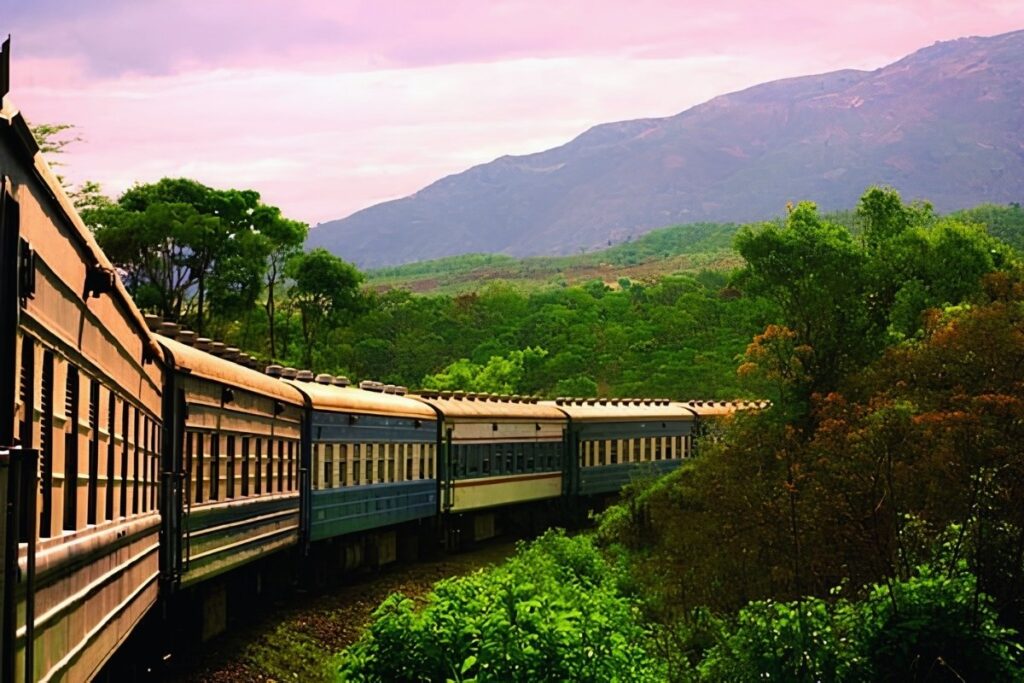
The train does not go directly to Sapa. It travels from Hanoi to Lao Cai, where you continue to Sapa by shuttle, taxi, private car, or hotel transfer.
The overnight train generally takes around eight hours, followed by roughly another hour by road.
The main reason to choose the train is the experience itself. An overnight sleeper allows you to travel while you sleep and save some daytime hours.
Best for: travelers who enjoy overnight trains and do not mind the additional transfer.
Our take: Choose the train for the journey, not because it is faster than the bus.
3. Hanoi to Sapa by Private Car
A private car is often the most comfortable option for families, couples, and small groups.
You can choose your departure time, make rest stops, carry more luggage, and adjust the journey around children or other travelers.
The main disadvantage is cost, although the price can become more reasonable when shared among several passengers.
Best for: families and groups who value flexibility and comfort.
4. Hanoi to Sapa by Motorbike
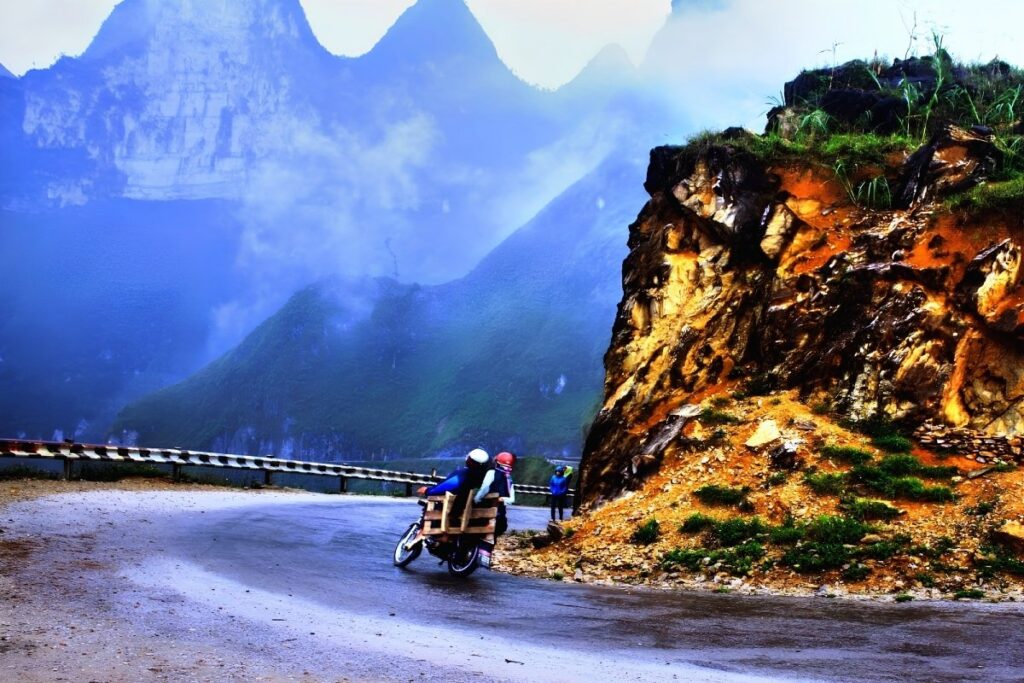
Riding from Hanoi to Sapa can be an unforgettable northern Vietnam adventure, but it is not suitable for inexperienced riders.
Mountain roads, rain, fog, sharp turns, traffic, and changing conditions can make the journey demanding.
Consider your riding experience, licensing, insurance, motorcycle condition, and weather before choosing this option.
Best for: experienced riders looking for the journey itself rather than simply transportation.
Which Way Should You Travel to Sapa?
For most travelers, the choice is simple:
- Bus: Best overall for convenience and value
- Train: Best for an overnight travel experience
- Private car: Best for families and small groups
- Motorbike: Best for experienced riders seeking adventure
If you are visiting Sapa for the first time, I would generally choose a direct bus or limousine-style transfer from Hanoi.
Getting From Lao Cai to Sapa
If you travel by train, remember that Lao Cai is not your final destination.
From Lao Cai Station, you will need to continue by road to Sapa. Options include:
- Shared shuttle
- Taxi
- Private transfer
- Pre-arranged hotel transportation
The drive usually takes around an hour, depending on traffic and conditions.
If your train arrives late at night or early in the morning, arranging the onward transfer in advance can make the journey considerably easier.
Traveling to Sapa With Children
For families, minimizing transfers can be more important than saving a small amount of money.
A direct bus is simple, but five to six hours on the road can be tiring for younger children. A private car provides more flexibility for breaks, snacks, luggage, and departure times.
An overnight train can also be a fun option if your children are comfortable sleeping while traveling.
Family tip: If possible, avoid scheduling another major activity immediately after arriving in Sapa. Give yourself time to check in, rest, and adjust to the mountain environment.
Allow Extra Time for Mountain Travel
Sapa is reached through mountainous terrain, so weather and road conditions can affect travel times.
If your itinerary continues from Hanoi → Sapa → another destination, avoid booking tight same-day connections.
A little extra time can make the journey much less stressful.
Our Recommendation
For most first-time visitors, take the direct bus from Hanoi to Sapa.
Choose the train if you enjoy overnight railway travel, a private car if comfort and flexibility matter most, and a motorbike only if you are confident riding on mountain roads.
The goal is simple: arrive in Sapa with enough time and energy to enjoy the mountains.
How Many Days Do You Need in Sapa?
For most first-time visitors, three days and two nights is the sweet spot for Sapa.
Two nights gives you enough time to see the mountain landscape, take a trek through the valleys, and experience the destination without spending most of your trip getting there and back.
If you have only two days, Sapa is still worth visiting—but you will need to be selective.
With four or five days, the trip becomes less about checking off attractions and more about slowing down, spending time in the villages, and allowing the mountain weather to shape your plans.
The right length depends less on how many attractions you want to see and more on how you want to experience Sapa.
Sapa at a Glance
| Length of Stay | Best For | What You Can Realistically Do |
|---|---|---|
| 2 days / 1–2 nights | Short Vietnam itineraries | Fansipan + one trek + Sapa town |
| 3 days / 2–3 nights | First-time visitors | Fansipan + trekking + village experience |
| 4 days | Slower travelers | Longer trek + village stay + waterfalls |
| 5 days | Hikers & photographers | Remote areas + flexible weather days |
For most travelers, three days is the best balance.
A 2-Day Sapa Itinerary
Two days is enough for a first taste of Sapa, but you need to resist the temptation to see everything.
The goal should be to experience the two sides of the destination: the mountains above town and the valleys below it.
Day 1: Arrive, Explore Sapa and Visit Fansipan
Arrive in Sapa from Hanoi and check into your accommodation.
If you arrive early and the weather is clear, consider taking the cable car toward Fansipan.
The mountain can look completely different depending on the weather. On a clear day, the views can be spectacular. On a foggy day, visibility may be limited.
That is why I would not treat Fansipan as an attraction you simply have to “complete.”
Check the conditions first.
Afterward, spend some time walking around Sapa town.
You do not need a packed schedule.
Explore the streets, have dinner, and get an early night if you are planning a trek the next morning.
Day 2: Muong Hoa Valley Trek
Spend your second day outside the town center.
A trek through Muong Hoa Valley, with a route toward Lao Chai and Ta Van, gives you a much better sense of why Sapa is famous.
Choose the route according to your fitness level and the weather.
After the trek, return to Sapa or, if your itinerary allows, spend the night in a village homestay.
Who Should Choose Two Days?
A two-day trip works well if:
- Sapa is one stop among many in Vietnam
- You have limited vacation time
- You mainly want to see the rice terraces
- You want to experience Fansipan
- You are comfortable with a relatively fast pace
If possible, make it two nights rather than one.
The journey from Hanoi is long enough that arriving and leaving within roughly 24 hours can make Sapa feel rushed.
A 3-Day Sapa Itinerary
Three days is my preferred length for a first Sapa trip.
It gives you enough time to experience the major landscapes without turning the trip into an attraction checklist.
Most importantly, you have room to slow down.
Day 1: Arrive and Get Your Bearings
Travel from Hanoi to Sapa.
Check into your hotel or homestay and spend the afternoon exploring the town.
If weather conditions are good, visit Fansipan.
Otherwise, save the mountain for another day.
Have dinner in town and rest.
You have a trekking day ahead.
Day 2: Trek Through Muong Hoa Valley
This is the day I would prioritize.
Head into the Muong Hoa Valley and trek through the countryside around Lao Chai and Ta Van.
Take your time.
Stop for photographs.
Talk with your guide.
Watch farmers working in the fields.
Have lunch along the route or at a local homestay.
The point is not to finish the trail as quickly as possible.
It is to experience the landscape at walking speed.
If you are staying in Ta Van, spend the night there rather than immediately returning to Sapa town.
The change can be surprisingly dramatic.
Day 3: Slow Morning + One More Experience
Have breakfast without rushing.
If you stayed in a village, this is a good time to simply enjoy the surroundings before returning to Sapa.
Depending on the weather and your interests, you could then choose:
- A waterfall
- Ta Phin
- A shorter village walk
- Local market time
- Additional photography
- A relaxed afternoon in Sapa
Then continue to Hanoi or your next destination.
Why Three Days Works So Well
Three days gives Sapa enough breathing room.
If rain affects your trekking day, you may still have another morning.
If fog hides Fansipan, you can try again.
If you discover that you enjoy village life more than sightseeing, you have time to stay longer.
That flexibility is valuable in the mountains.
A 4-Day Sapa Itinerary
Four days is ideal if you want to experience Sapa at a slower pace.
Instead of adding more attractions, use the extra day to go deeper.
Day 1: Sapa Town + Fansipan
Arrive, settle in, and explore Sapa.
Visit Fansipan if conditions are favorable.
Day 2: Full-Day Trek
Spend most of the day walking through Muong Hoa Valley and the surrounding villages.
A longer trek allows you to move farther from the busiest areas and spend more time in the countryside.
Day 3: Village Stay or Ta Phin
Use this day for a different side of Sapa.
Consider Ta Phin or another village experience, depending on your interests and transportation arrangements.
A second night outside central Sapa can make the trip feel considerably more relaxed.
Day 4: Weather-Dependent Day
Keep this day flexible.
If the previous trekking day was affected by rain, use today for another hike.
If the weather has been clear, spend the morning photographing the terraces or visiting a waterfall.
Then return to Sapa and continue your journey.
The Advantage of Four Days
You are no longer planning around perfect weather.
You have room for the mountains to behave like mountains.
That is a major advantage.
A 5-Day Sapa Itinerary
Five days makes sense primarily for travelers who genuinely enjoy hiking, photography, village stays, or slow travel.
You do not need five days simply to see Sapa’s major attractions.
With that much time, I would avoid adding a new attraction every few hours.
Instead, consider:
- A multi-day trek
- Two or more nights in village homestays
- Ta Phin
- Ban Ho
- Waterfalls
- Longer photography walks
- Local markets
- Additional time in Muong Hoa Valley
- A weather buffer
This is also the point where Sapa can become part of a broader northern Vietnam adventure rather than a standalone sightseeing stop.
Should You Stay in Sapa Town Every Night?
Not necessarily.
For a short trip, staying in Sapa town is the easiest option.
For three or more nights, I would consider splitting your accommodation.
For example:
Night 1: Sapa town
Nights 2–3: Ta Van
This gives you convenient access when you first arrive while allowing you to experience the quieter valleys later.
For four or five days, you can go further and spend multiple nights outside the town center.
The important thing is to understand what you are trading.
Sapa town gives you convenience.
The villages give you atmosphere.
Neither is automatically better.
How to Build Your Sapa Itinerary Around the Weather
This is one of the most useful pieces of advice I can give first-time visitors.
Do not treat your Sapa itinerary as a fixed list.
The mountains may have other plans.
A clear morning can become foggy by afternoon.
Rain can make a trail muddy.
Cloud can completely hide Fansipan.
Instead of scheduling every major activity on a specific day, identify your priorities and keep some flexibility.
For example:
Priority 1: Trekking
Priority 2: Fansipan
Priority 3: Village experience
Priority 4: Waterfalls or other attractions
If the weather is perfect on Day 1, take advantage of it.
If it rains, switch to a more flexible activity.
This is one reason I prefer three or more days whenever possible.
What I Would Skip on a Short Trip
If you only have two days, do not try to visit every waterfall, market, village and viewpoint.
You will spend more time in vehicles than experiencing Sapa.
Instead, focus on:
- One mountain experience — Fansipan
- One serious valley experience — Muong Hoa trekking
- One cultural experience — village or homestay
- One relaxed meal — preferably outside the standard tourist routine
That is enough.
Sapa is not improved by seeing ten attractions instead of four.
The Sapa Itinerary I Would Choose
If I were planning the trip for a first-time visitor with enough time, I would choose three days:
Day 1: Hanoi → Sapa → town → Fansipan if weather permits
Day 2: Muong Hoa Valley → Lao Chai → Ta Van → homestay
Day 3: Slow morning → waterfall or Ta Phin → return toward Hanoi
And if I had a fourth day?
I would not automatically add another attraction.
I would keep it open.
That extra day could become a second trekking day, a photography day, a longer village stay, or simply a buffer against mountain weather.
Sapa rewards that kind of flexibility.
Essential Sapa Travel Tips
Sapa is easy to visit, but the mountains reward travelers who prepare for changing weather, uneven trails, and a slower pace.
Pack Light Layers
Sapa’s weather can change quickly, particularly in the mountains. Bring lightweight layers, a rain jacket, and warmer clothing if you’re visiting during the cooler months. Layers are more practical than one heavy jacket.
Wear Proper Walking Shoes
Even if you do not plan a serious trek, comfortable shoes with good grip are essential. Trails around the villages can become muddy and slippery after rain. Save the stylish shoes for dinner.
Carry Some Vietnamese Dong
Cards are widely accepted in Sapa town, but cash is still useful at smaller restaurants, markets, homestays, and businesses in rural areas. Carry enough for the day without keeping a large amount on you.
Leave Room for Weather Changes
Do not build your Sapa itinerary around a rigid schedule. Fog can obscure mountain views, while rain can make trekking routes difficult. Keep a backup plan and be willing to change your schedule when conditions shift.
Check Trekking Conditions
Before a longer hike, ask your guide or accommodation about current trail conditions. After heavy rain, some routes can become slippery or more challenging than expected. Choose a trek that matches your fitness and experience.
Bring a Small Daypack
For a day trek, keep your bag light. Water, sunscreen, rain protection, a phone, power bank, cash, snacks, and basic personal essentials are usually enough.
Download Important Details
Save your accommodation address, transportation information, and offline maps before heading into the mountains. Mobile service can vary outside central Sapa, and a screenshot of your hotel details can be useful when speaking with drivers.
Choose Your Homestay Carefully
Not every property marketed as a “homestay” offers the same experience. Check recent reviews and look for details about the hosts, location, meals, and accommodation style before booking.
Respect Local Communities
Sapa is home to diverse ethnic communities, and respectful travel matters. Ask before photographing people, particularly children, and avoid treating traditional clothing or village life as a tourist attraction.
For broader advice on local customs, see our Vietnamese Etiquette Guide.
Buy Local Thoughtfully
Sapa is known for textiles, embroidery, handicrafts, and other locally marketed products. If supporting local artisans is important to you, ask about where and how an item was made rather than assuming every “handmade” product was produced locally.
For more context, read our Vietnamese Markets & Bargaining Culture.
Don’t Overplan Sapa
This may be the most useful tip of all.
You do not need to see every waterfall, viewpoint, village, market, and attraction. Choose one major experience each day and leave time around it.
A morning trek followed by a long village lunch can be more rewarding than rushing between five attractions.
In Sapa, leave some space in the itinerary. The mountains are part of the experience—and they do not run on a schedule.
FAQ about Sapa Travel Guide
How many days do you need in Sapa?
For most first-time visitors, three days and two nights is a good balance. Two days works for a shorter itinerary, while four or more days are better suited to travelers who want longer treks or a slower village experience.
What is the best time to visit Sapa?
The best time depends on what you want to see. September and October are particularly attractive for rice-terrace scenery, while spring can offer pleasant trekking conditions and greener mountain landscapes. Weather can vary significantly from year to year.
Is Sapa worth visiting?
Yes, especially if you enjoy mountain landscapes, trekking, rice terraces, photography, and cultural experiences. It is less suitable if your ideal Vietnam trip centers on beaches, nightlife, or highly predictable weather.
Is Sapa safe for tourists?
Sapa is generally considered a safe destination for international travelers. Use normal precautions with valuables and take mountain conditions seriously, particularly on wet or unfamiliar trekking routes.
Can beginners trek in Sapa?
Yes. Several popular routes are suitable for beginners, particularly shorter walks through the valleys and villages. Choose a route according to your fitness level and current trail conditions.
Do you need a guide for trekking in Sapa?
Not necessarily for every short, well-known route. A local guide is particularly useful for longer treks, unfamiliar trails, changing weather, and travelers who want more cultural context.
How do you get from Hanoi to Sapa?
For most travelers, a direct bus or limousine-style transfer is the simplest option. Another option is an overnight train from Hanoi to Lao Cai followed by a road transfer to Sapa.
Does it snow in Sapa?
Snow is uncommon but can occasionally occur during unusually cold winter weather, particularly at higher elevations. It should not be treated as a reliable seasonal attraction.
Why Sapa Belongs on a North Vietnam Itinerary
Sapa makes the most sense when you see it as part of a larger northern Vietnam journey.
A typical North Vietnam route might combine:
Hanoi → Sapa → Ha Long Bay → Ninh Binh
Or, for travelers with more time:
Hanoi → Sapa → Ha Giang → Ninh Binh → Ha Long Bay
Each destination offers a different experience.
Hanoi provides the urban and historical side of northern Vietnam.
Sapa brings mountains, rice terraces and highland communities.
Ha Giang offers a more rugged road-trip experience.
Ninh Binh combines limestone landscapes, rivers and rural scenery.
Ha Long Bay adds the famous karst seascape.
For travelers planning their first trip to northern Vietnam, exploring the region as a connected journey can be much more rewarding than treating each destination as an isolated stop.
You can continue planning with the broader Vietnam Travel.

Final Thoughts on Sapa travel guide
Sapa is easy to photograph.
The harder thing is to experience it well.
The rice terraces are spectacular. Fansipan is impressive. The mountain roads, waterfalls, villages, and misty valleys give you plenty of reasons to come.
But those are not necessarily the things you will remember most.
You may remember walking through Muong Hoa Valley while clouds moved across the mountains.
A simple lunch after a long trek.
A conversation with a local guide.
The quiet of a village homestay after the tour groups have left.
Or a morning when the weather refused to cooperate—and somehow made the landscape even more beautiful.
That is what I think makes Sapa worth the journey.
It is not perfect.
It is not untouched.
And it is not always easy.
But if you arrive with realistic expectations, give yourself enough time, and look beyond the busiest parts of town, Sapa can offer something increasingly rare in modern travel:
the feeling that you are not simply visiting a destination—you are moving through a landscape where people actually live.
Come for the mountains.
Stay for the valleys.
Continue Exploring North Vietnam
Sapa is only one part of northern Vietnam’s mountain landscape. If you enjoyed its rice terraces, village trails, and highland culture, there is much more to explore beyond the valleys around Sa Pa.
Continue planning your journey with these in-depth guides from Tam Voc Viet: North Vietnam Travel Guide, Hanoi Travel Guide, Ha Giang Travel Guide, Ha Long Bay Travel Guide, Ninh Binh Travel Guide, Vietnam Travel Guide.
Together, these guides help you see northern Vietnam as more than a collection of famous attractions. They reveal the different landscapes, communities, traditions, and everyday experiences that make this region one of the most rewarding parts of the country to explore.
Editor’s Note: Seeing the Real Sapa
Sapa is often introduced through photographs of golden rice terraces and mist-covered mountains. Those landscapes are real, but they are only part of the story.
The most rewarding Sapa experiences often happen away from the busiest streets of town.
Walk through Muong Hoa Valley. Spend time in Ta Van or Lao Chai. Stay overnight in a locally operated homestay. Stop for a meal after a long trek instead of rushing to the next attraction.
These slower experiences reveal something that photographs cannot: Sapa is not simply a mountain destination. It is a living landscape shaped by farming, family life, local traditions, and communities that have lived in these valleys for generations.
Travelers can make a meaningful difference by approaching these communities with curiosity and respect.
Ask before taking photographs. Support locally operated businesses when possible. Avoid treating villages as staged attractions, and remember that the people you meet are residents—not part of the scenery.
The more slowly you travel through Sapa, the more you tend to notice.
What Surprised Us Most About Sapa
After exploring Sapa and the surrounding valleys, one thing stands out:
The most memorable part of Sapa is often not the attraction itself, but the journey between them.
It may be a narrow trail winding between rice terraces, a conversation with a local guide, a quiet morning outside a village homestay, or the sudden appearance of mountains through the clouds.
Sapa also reminds travelers that beautiful destinations do not have to be perfect.
The town can feel busy. Popular attractions can be commercialized. Mountain weather can change quickly, and trekking conditions are not always predictable.
But once you leave the busiest areas and spend time in the valleys, Sapa offers a much quieter experience.
That contrast is part of what makes the destination interesting.
Come for the mountains and rice terraces. Stay long enough to experience the communities and landscapes beyond the postcard view.
See more about Sapa on my Youtube Channel: TAM VOC VIET – VIETNAM INSIGHTS

This is my first post on our website… <3