


 Tiếng Việt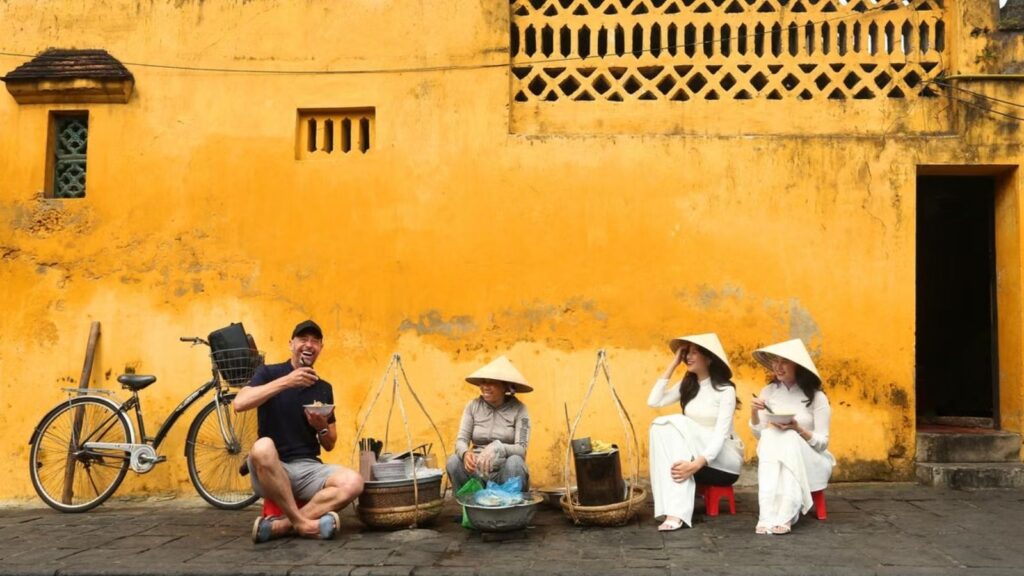
What foreigners love most about living in Vietnam is rarely one spectacular thing.
People come to Vietnam for all kinds of reasons: a job, a relationship, a year abroad, or simply the desire to try a different life.
What makes many people stay is often much less dramatic.
It might be the bowl of noodles downstairs that costs less than expected. The café where the staff eventually remembers your order. A colleague who invites you to lunch instead of letting you eat alone. The convenience of getting almost anything done within a short ride. Or the simple pleasure of stepping outside and finding that the street is still alive.
Vietnam is not effortless. Traffic can be exhausting, the weather can be intense, bureaucracy can test your patience, and learning Vietnamese is a long-term project for most foreigners. Life here comes with its own adjustments.
Yet many foreigners discover that the things they enjoy most are not necessarily the attractions they noticed when they first arrived.
They begin to appreciate the rhythm of everyday life.
Food becomes part of the routine rather than an experience reserved for special occasions. Coffee becomes a social ritual. The street becomes an extension of home. Work can come with a surprising amount of informal connection. And ordinary interactions with neighbors, shop owners, coworkers, and strangers can make a new country feel less foreign over time.
That may help explain why Vietnam continues to rank highly among expat destinations. In InterNations’ 2025 Expat Insider survey, Vietnam ranked fifth overall among 46 destinations and first in the Personal Finance Index for the fifth consecutive year. More importantly for the experience of living here, 88% of expats rated the general friendliness of Vietnamese people positively, while 89% said the same about friendliness toward foreign residents.
But statistics can only explain part of the story.
The more interesting question is this:
What does everyday life in Vietnam actually feel like once you stop being a visitor?
Table of Contents
Quick Answer
Foreigners who spend longer periods in Vietnam often appreciate a combination of things rather than one single advantage:
- Affordable everyday life that can leave more room for dining, travel, and leisure
- Vietnamese food as part of an ordinary routine, not just something to try on vacation
- Warm, informal social interactions with local people
- A café culture built around spending time, not simply buying coffee
- Lively public spaces where much of everyday life happens outside the home
- A strong sense of variety, from major cities to beaches, mountains, and smaller communities
- Opportunities to build a social life, even when arriving without an established network
The appeal is not universal, and it is not always effortless. Vietnam also brings traffic, heat, air-quality concerns, bureaucracy, language barriers, and cultural differences that can take time to understand.
What many long-term foreign residents appreciate, however, is the cumulative effect of everyday life. A meal can be inexpensive enough to become a routine. A café can become a familiar place. A coworker can become a friend. A neighborhood can gradually stop feeling foreign.
That is different from simply enjoying a country as a visitor.
1. Everyday Life Feels Surprisingly Accessible
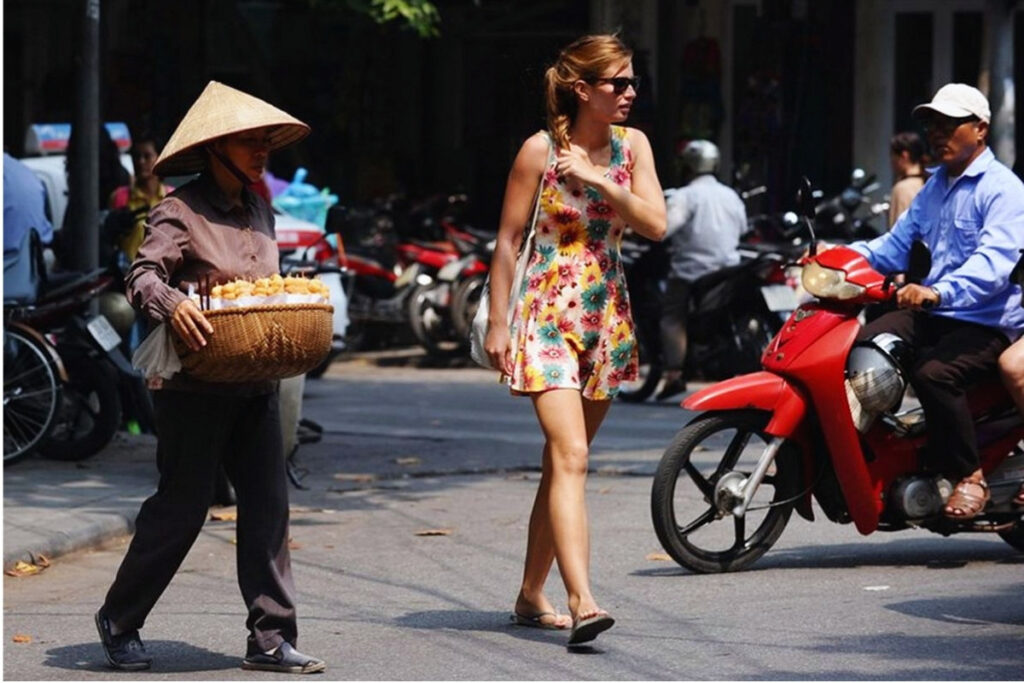
One of the things foreign residents often notice after settling in Vietnam is how much of daily life can happen within a relatively small radius.
Breakfast might be a few minutes from home. A café may be downstairs or around the corner. A neighborhood shop, pharmacy, food stall, or convenience store can cover several small needs without turning them into a separate outing. If you need something farther away, a short motorbike or taxi ride can often get you there.
None of this sounds remarkable on its own.
The difference is what it does to the rhythm of a normal day.
For some foreigners living in Vietnam, everyday life can feel less dependent on advance planning. You may decide where to eat when you are already hungry rather than planning dinner hours in advance. Meeting someone for coffee does not necessarily require a formal appointment. A quick errand can fit between two other things instead of taking over the afternoon.
That sense of accessibility is one reason affordability matters here.
It is not simply about finding something that costs less than it would in the United States or another foreign country. For some expats, lower everyday costs can change how they use their time and disposable income.
Eating out can become a normal part of the week. A massage or small personal service may feel accessible rather than occasional. A weekend trip may require less financial planning. Paying for convenience can sometimes make more sense than spending an hour doing something yourself.
InterNations’ 2025 Personal Finance Index ranked Vietnam first among 46 destinations for the fifth consecutive year. Eighty-nine percent of respondents in Vietnam said they were satisfied with the general cost of living, while 87% said their disposable household income was enough or more than enough for a comfortable life.
Those figures describe expats’ perceptions, not a universal measure of what Vietnam costs to live in. Housing, income, location, family circumstances, and personal habits can change the calculation considerably.
The more interesting point is the relationship between cost and routine.
A foreign resident earning a local salary will experience Vietnam differently from someone earning remotely in U.S. dollars. A person living in central Hanoi will have different expenses from someone living in a smaller city. A family with children will make different choices from a single professional.
So affordability should not be treated as a promise that life in Vietnam is automatically cheap.
What many people notice instead is that some ordinary parts of life can remain financially accessible enough to become habits.
There is a useful contradiction here, too.
Vietnam can feel remarkably straightforward at street level while becoming much more complicated when paperwork, regulations, or official processes enter the picture. Ordering lunch may take minutes. Sorting out an administrative issue may require considerably more patience.
That contrast is not an exception to life here.
It is part of understanding it.
The attraction is not that everything is easy.
It is that enough of everyday life can feel accessible, social, and convenient that a foreign resident can gradually build a routine around it.
2. Vietnamese Food Stops Feeling Like Something You Try
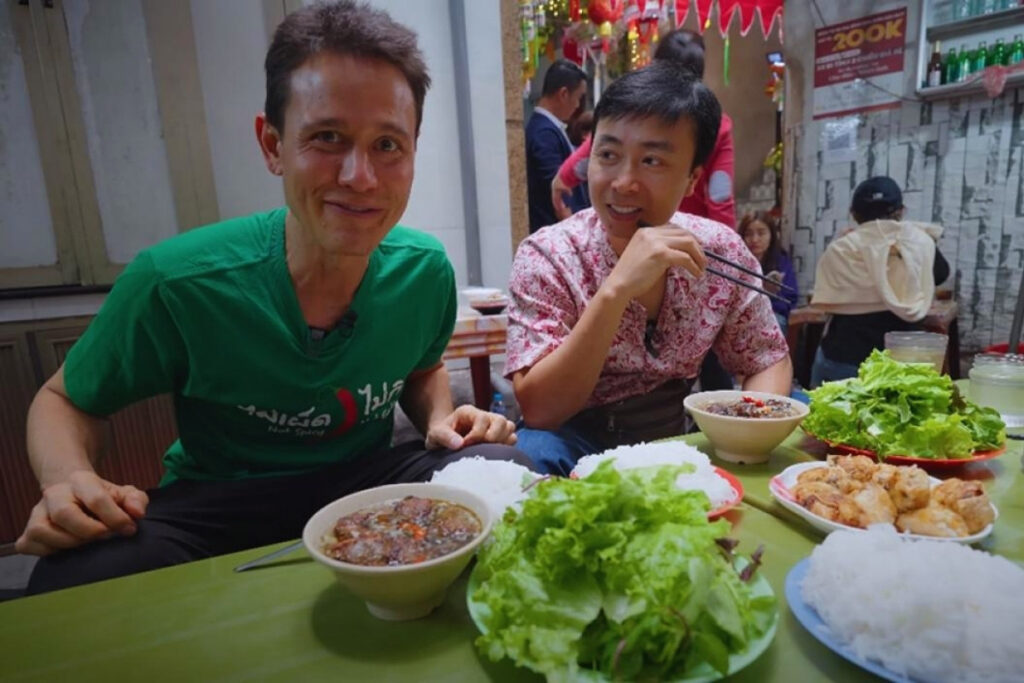
Foreigners often arrive in Vietnam with a list of foods they want to try.
Pho.
Banh mi.
Bun cha.
Vietnamese coffee.
Fresh spring rolls.
Then, for people who stay longer, something quietly changes.
The food stops being an attraction.
It becomes lunch.
Or breakfast.
Or the place you go because you are hungry and it happens to be nearby.
That transition is one of the clearest differences between experiencing Vietnamese food as a traveler and living around it.
A bowl of noodles can be an ordinary morning meal. A small rice restaurant can become the place you return to several times a week. A family-run shop may have a menu that barely needs explaining because the regulars already know what they want.
And food does not stay in one category.
A quick breakfast can turn into coffee. Lunch can become a conversation with coworkers. Dinner can become a reason to meet friends. A rainy afternoon can send you into a small café where you stay longer than planned.
The food also changes as you move around the country.
Northern, central, and southern Vietnamese cooking have different flavor profiles and local specialties. Even familiar dishes can vary from one city or family-run restaurant to another.
That regional variation gives long-term residents something tourists rarely have time to develop: a personal food map.
Not the “best restaurants in Vietnam.”
Your restaurants.
The breakfast place near your apartment.
The noodle shop a coworker recommended.
The stall where the owner eventually recognizes you.
The café you started visiting because you liked the coffee and kept returning because you liked the atmosphere.
InterNations’ 2024 survey found that 89% of expats in Vietnam rated the variety of culinary and dining options positively.
But the more important point is that food is not isolated from social life.
A colleague asking whether you have eaten may be the beginning of a lunch invitation. Friends may decide where to eat before they decide what they are going to talk about. A meal can occupy a much larger place in the social rhythm of the day than its nutritional purpose would suggest.
Eventually, “I want to try Vietnamese food” can become simply:
“Where should we eat?”
That small change says a lot.
The food has stopped being part of the experience.
It has become part of life.
3. Friendliness Is Often Experienced Through Small Interactions

“Vietnamese people are friendly” is one of the most common things foreigners hear about Vietnam.
It is also one of the least useful ways to explain what that friendliness actually feels like.
For many foreign residents, it appears in small interactions rather than dramatic gestures.
A shop owner remembers what you usually order. A neighbor helps you figure something out. A coworker asks whether you want to join lunch. Someone notices that you are having trouble communicating and tries another way of explaining something.
None of these moments has to become a friendship.
That is important.
Friendliness is not the same thing as intimacy, and feeling welcome does not mean that every interaction will be comfortable or that cultural differences disappear.
Still, repeated small encounters can change how a place feels.
InterNations’ 2024 survey found that 88% of expats in Vietnam rated the general friendliness of Vietnamese people positively, while 89% rated friendliness toward foreign residents positively. Eighty-five percent also said they felt welcome in the country.
Those figures should be read for what they are: survey responses from expats, not a measurement of every Vietnamese person’s behavior.
But they help explain why friendliness repeatedly appears in foreign residents’ descriptions of life in Vietnam.
The experience can be particularly noticeable in ordinary places.
The person serving breakfast may eventually recognize you.
The security guard in your building may start greeting you by name.
A coworker who once invited you to lunch may begin including you in plans without asking whether you are “the foreigner” on the team.
Over time, these interactions create something more subtle than hospitality.
They create familiarity.
There can be an adjustment period, however.
Vietnamese social interactions are shaped by age, relationships, family, status, and forms of address that may be unfamiliar to people from other cultures. Questions about age, marriage, family, or personal circumstances can sometimes feel unusually direct to a foreigner. Advice may also be offered more freely than someone from a more individualistic culture expects.
The same behavior can therefore be interpreted differently depending on the person experiencing it.
One foreign resident may find a personal question warm and interested.
Another may find it intrusive.
Neither reaction necessarily tells you what the other person intended.
That is why the most useful way to understand Vietnamese friendliness is to pay attention to the pattern, not a single interaction.
You may begin with strangers being helpful.
Then people start recognizing you.
Eventually, some of those familiar faces become part of your ordinary routine.
That is when friendliness becomes something more meaningful.
Not because everyone becomes your friend, but because the place begins to feel less anonymous.
4. Life Happens Outside the Home
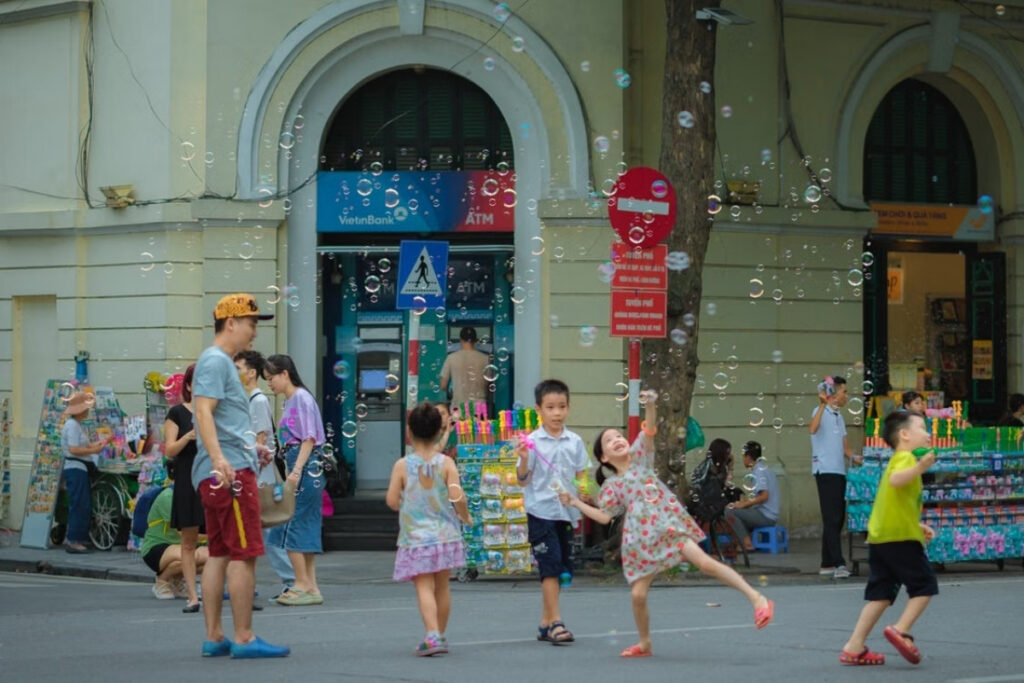
In many Vietnamese cities, you do not have to go somewhere special to feel that something is happening.
Walk outside in the early evening and a quiet street can change character quickly.
A café fills with customers. Food stalls become busier. Families sit down for dinner. Friends pull small plastic stools toward a table. Children move between adults. Motorbikes continue through the background while conversations unfold at the roadside.
The street is doing several jobs at once.
It is a route, a dining area, a meeting place, a marketplace, and sometimes simply somewhere to sit and watch the evening unfold.
For foreigners coming from more car-dependent or private forms of urban life, this can be one of the most noticeable changes.
Public space is not always just something you pass through.
It can be where you spend time.
That difference is easy to notice as a visitor. Living here changes the way you experience it.
At first, street life may seem like something worth photographing.
Later, it becomes the background to your Tuesday evening.
You may stop noticing the traffic itself but remember the smell of grilled food from the corner. You may no longer think about the small café as a cultural experience because it is simply where you meet someone after work.
This is one reason everyday Vietnam can feel unusually vivid.
The most memorable part of a neighborhood is not necessarily a landmark. It may be the way the street changes between morning and evening.
A place can become familiar through repetition.
The same breakfast stall.
The same corner café.
The same shop owner.
The same road home.
For a visitor, those details can be easy to miss.
For a resident, they become the texture of daily life.
5. Vietnamese Café Culture Gives People a Reason to Stay
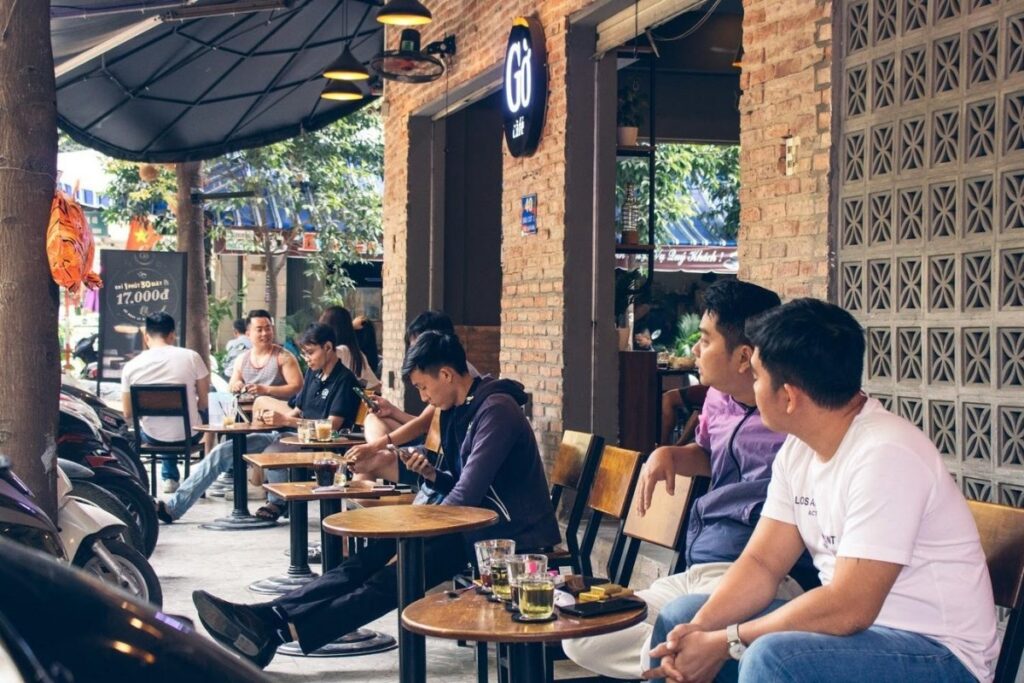
Vietnam’s coffee culture is easy to describe through its drinks.
Egg coffee.
Cà phê sữa đá.
Specialty coffee.
Strong Vietnamese drip coffee.
But the drink is only part of why cafés matter.
The more revealing question is:
Why do people stay?
A small street café may offer little more than a few stools, a metal table, and a view of passing traffic. A modern coffee shop may have air conditioning, Wi-Fi, comfortable chairs, and enough space to work. Between them is an enormous range of places where people meet, study, talk, work, wait, read, or simply sit.
The coffee gets you there.
The time spent there is often the more interesting part.
For a foreign resident, this can become one of the easiest local habits to adopt.
You can suggest coffee without turning it into a formal social event.
You can sit alone without necessarily being expected to leave quickly.
You can work somewhere other than your apartment.
You can meet a friend after work without planning an entire evening around it.
Or you can simply sit and watch the street.
That last possibility is easy to underestimate.
Not every hour has to produce something.
A café can provide a socially familiar reason to pause.
A conversation can last longer than expected. A coffee can become lunch. A short meeting can turn into another hour because nobody has an urgent reason to leave.
For foreigners accustomed to cafés being primarily places to purchase a drink and move on, that difference can be surprisingly noticeable.
It also connects café culture to the wider rhythm of Vietnamese cities.
People do not necessarily need a special occasion to meet.
They meet because they are nearby.
They meet because they have time.
They meet because coffee is an easy excuse.
That does not mean every foreign resident falls in love with this rhythm. Some people prefer privacy, quieter spaces, or more structured schedules.
But for those who enjoy being around everyday movement, cafés can become part of how they organize their social lives.
Eventually, you may stop thinking about the café as a cultural feature of Vietnam.
You simply know where you want to sit.
And that is when the habit has become part of your life.
6. Living in Vietnam Gives You a Country-Sized Backyard
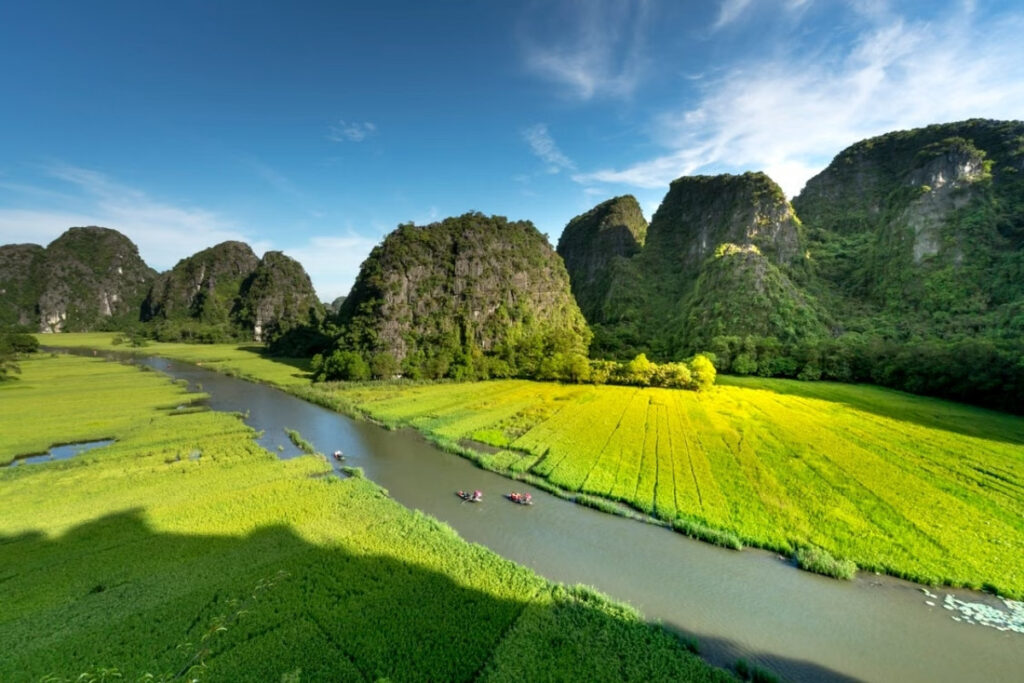
One advantage of living in Vietnam is easy to overlook when talking about expat life: the country remains available for exploration even after the novelty of your own city wears off.
A city eventually becomes familiar.
You know the commute.
You know where to eat.
You know which streets are convenient.
You have your regular café.
Then you take a weekend away.
From Hanoi, the landscape can change dramatically within a relatively short trip. Mountains, rice valleys, limestone landscapes, villages, and smaller towns offer a different pace from the capital.
From Ho Chi Minh City, the Mekong Delta opens up another kind of landscape and rhythm, while coastal destinations provide an easy change of scenery.
The point is not that Vietnam has beautiful destinations. Every country can make that claim.
The lifestyle advantage is that you can keep discovering the country you live in.
A weekend does not always need to become a major vacation.
You might simply want a quieter morning, different food, less traffic, or a landscape you do not see during your working week.
For someone living abroad, that matters.
Long-term life can become repetitive anywhere. Having a variety of places within reach gives the routine some breathing room.
Vietnam can therefore feel larger than the city where you live without requiring an international flight every time you want a change.
It gives foreigners something like a country-sized backyard.
And once Vietnam becomes home, travel within the country stops being only about sightseeing.
It becomes part of how you reset.
7. Work Can Become Part of Your Social Life
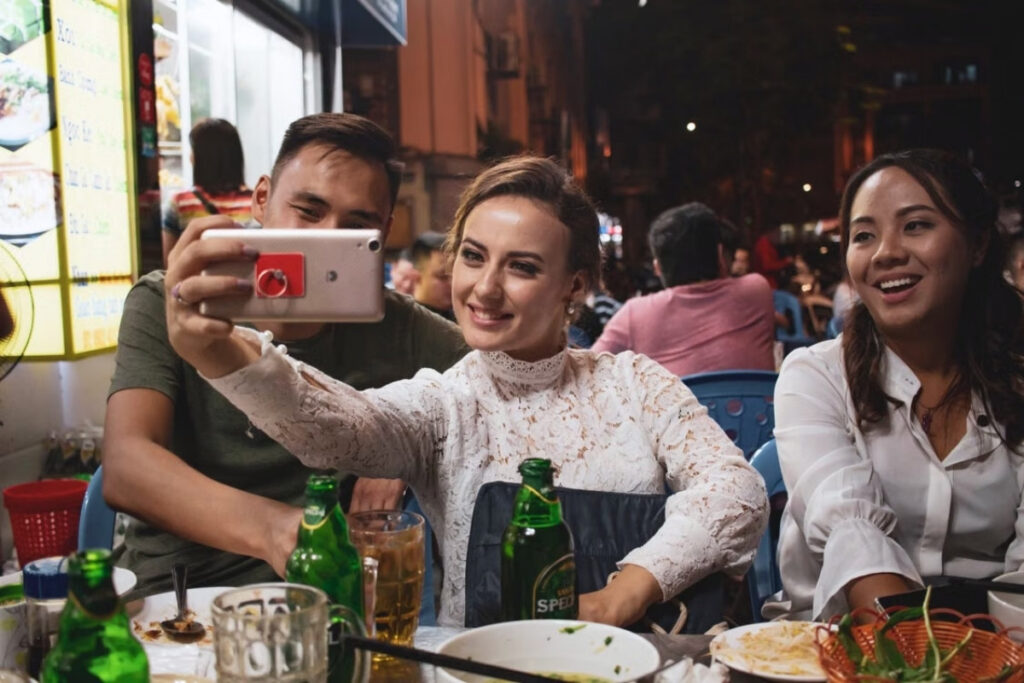
Working in Vietnam is not universally relaxed, informal, or easy.
Companies differ. Industries differ. Generations differ. A multinational corporation in Ho Chi Minh City may operate very differently from a family-owned business or a young technology company.
What some foreigners do appreciate, however, is the social dimension of working life.
Lunch may be shared rather than treated as a purely functional break.
Coffee can become part of a working relationship.
Coworkers may move between professional and personal conversation more easily than a foreigner expects.
A team dinner may be as much about maintaining relationships as celebrating a business result.
This can make the workplace feel more personal.
It can also create misunderstandings.
A foreigner accustomed to very direct communication may find indirect disagreement frustrating. Someone used to flat organizational structures may need time to understand how hierarchy and seniority influence conversations and decisions.
The same relationship-oriented environment that can feel warm can also feel complicated.
That distinction is important.
InterNations’ 2024 survey found that 73% of expats in Vietnam rated their work-life balance positively, compared with 60% globally. But only 43% said moving to Vietnam had improved their career prospects, compared with 56% globally.
In other words, an enjoyable lifestyle and a strong career trajectory are not necessarily the same thing.
For some foreigners, that trade-off is acceptable.
They may value the people they work with, the rhythm of life outside the office, and the ability to build a broader life more than maximizing career progression.
And this is where a coffee or lunch can matter.
It may look unrelated to work.
But in a relationship-oriented professional environment, informal time can help people understand one another in ways that a formal meeting cannot.
The relationship is not separate from the work.
Sometimes, it is part of how the work gets done.
8. Being Surrounded by People Is Not the Same as Belonging
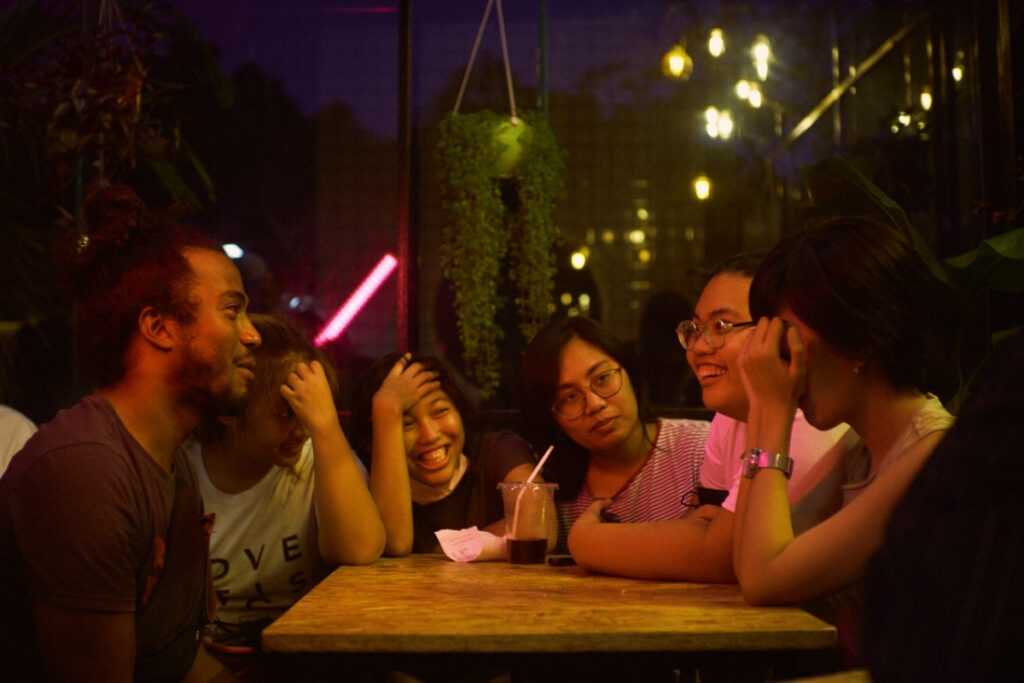
Arriving alone in another country can be exciting.
It can also be lonely.
You may know where the good restaurants are before you know who to call when something goes wrong. You may have coworkers before you have close friends. You may spend every evening surrounded by people and still feel like an outsider.
Vietnam can offer plenty of opportunities to build connections.
Workplaces, cafés, gyms, language exchanges, hobby groups, neighborhood businesses, and international communities all create possible points of contact.
InterNations’ 2025 Ease of Settling In framework specifically measures factors such as social life, personal support networks, making local friends, feeling welcome, feeling at home, and local friendliness.
The important distinction is between friendliness and belonging.
Someone can be friendly without becoming a close friend.
A lively social life does not automatically create a support network.
And being welcomed does not mean that cultural differences disappear.
That is why the strongest foreign experiences in Vietnam often develop gradually.
A colleague becomes someone you see outside work.
A café becomes a place where you know the staff.
A neighbor becomes someone you can ask for help.
A casual invitation becomes a regular dinner.
Those relationships are built through repetition.
For some foreigners, that process happens quickly. For others, it takes years.
And not everyone wants the same degree of local integration.
Some people are happiest with a largely international social circle. Others actively seek Vietnamese friends and deeper cultural immersion. Many move between the two.
There is no single correct way to belong.
What Vietnam can provide is opportunity.
There are many small doors into social life.
You still have to walk through them.
9. The Small Things Become the Things You Miss

The reasons people become attached to a country are not always the ones they mention when they first arrive.
A newcomer may talk about the food, beaches, mountains, or low cost of living.
Months or years later, the things that feel hardest to replace can be much smaller.
It might be the breakfast place near the apartment.
The café where the staff knows your order.
The friend who always knows where to eat.
The shop owner who recognizes you when you walk past.
The particular sound of your street in the evening.
None of these would make a very impressive tourist itinerary.
They matter because they are repeated.
Familiarity changes the way you experience a place.
A street that once seemed confusing can become the road you automatically take home. A restaurant you originally chose because it was convenient can become the place you recommend to someone else. A café that first seemed interesting because of its Vietnamese atmosphere can eventually become the place you go when you need an hour to yourself.
The details stop announcing themselves.
You no longer think, “This is a Vietnamese experience.”
You think, “This is where I usually go.”
That shift is easy to miss while it is happening.
It may only become obvious when you leave.
A foreign resident returning home for several weeks might expect to miss the big things first. Instead, what comes back to mind can be surprisingly ordinary: a particular breakfast, the sound of traffic outside the window, the ease of getting coffee, an evening walk, or a familiar face behind a counter.
That is one of the strange things about living abroad.
A place becomes important through repetition before you consciously decide that it matters.
You build a life out of small routines.
Then, one day, you realize that the routines are the part you would have to rebuild somewhere else.
Maybe that is why the most difficult thing to explain about loving life in Vietnam is also the simplest.
You may not miss a landmark.
You may miss Tuesday morning.
10. What Foreigners Don’t Love About Living in Vietnam
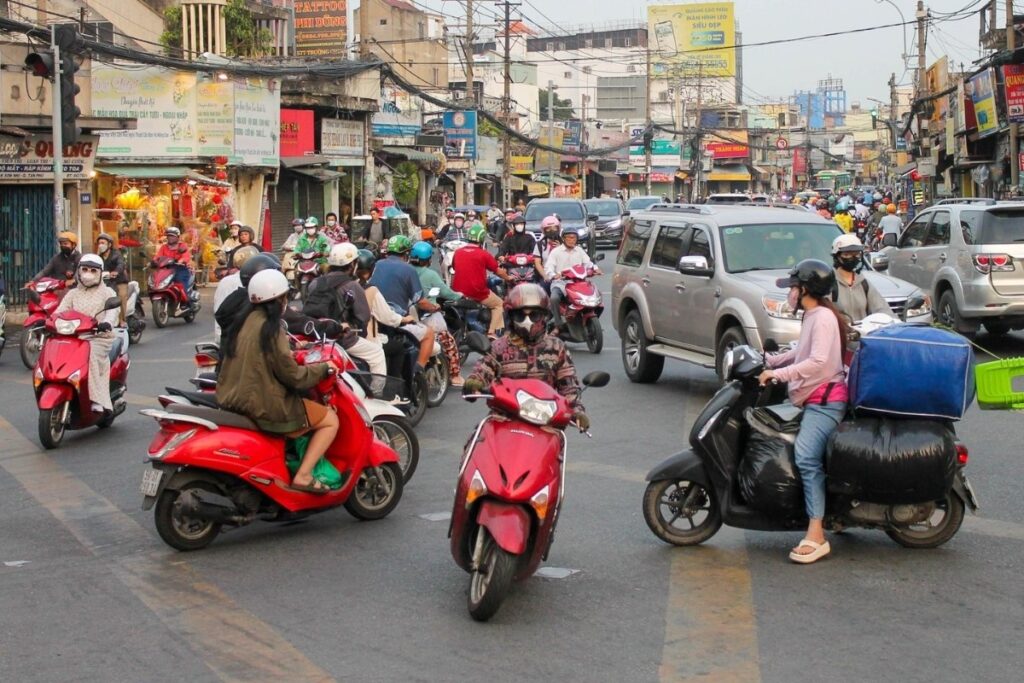
A convincing case for living in Vietnam needs room for the parts that are difficult.
The same streets that make city life lively can also be noisy and congested.
The same climate that makes outdoor life possible for much of the year can bring intense heat and humidity.
The same informal systems that make some daily errands remarkably easy can coexist with bureaucracy that requires patience.
And the same country that offers an extraordinary amount of street-level activity does not always offer the urban environment that foreigners expect.
This is reflected in expat research.
In the 2025 Expat Insider, Vietnam ranked fifth overall among 46 destinations, but its strengths were not evenly distributed across every part of life. The country’s strong financial performance helped drive its overall result, while Quality of Life remained a weaker area.
That distinction matters.
Vietnam can be an attractive place to build a lifestyle without being a top performer in every quality-of-life category.
Air quality, urban infrastructure, transportation, administrative processes, and environmental conditions can all affect how comfortable daily life feels, particularly in large cities.
Language is another long-term consideration.
A foreigner can often manage many daily tasks without speaking Vietnamese, especially in international neighborhoods and major cities. But language still changes the depth of the experience.
You can navigate a restaurant without Vietnamese.
It is harder to understand a joke between neighbors, a family conversation, or the social meaning behind a particular phrase without it.
And cultural differences do not disappear because you enjoy the country.
Communication can be indirect.
Hierarchy may matter more than expected.
Personal questions can be normal.
Rules and social conventions may not always operate in the way a foreigner assumes they will.
What feels charming during a two-week visit can become tiring when experienced every day.
That is not an argument against Vietnam.
It is simply the difference between visiting a country and living in one.
A country is not a vacation package.
It is a place with trade-offs.
Vietnam becomes more interesting when those trade-offs are part of the story.
11. Why Some Foreigners Love Living in Vietnam Long-Term
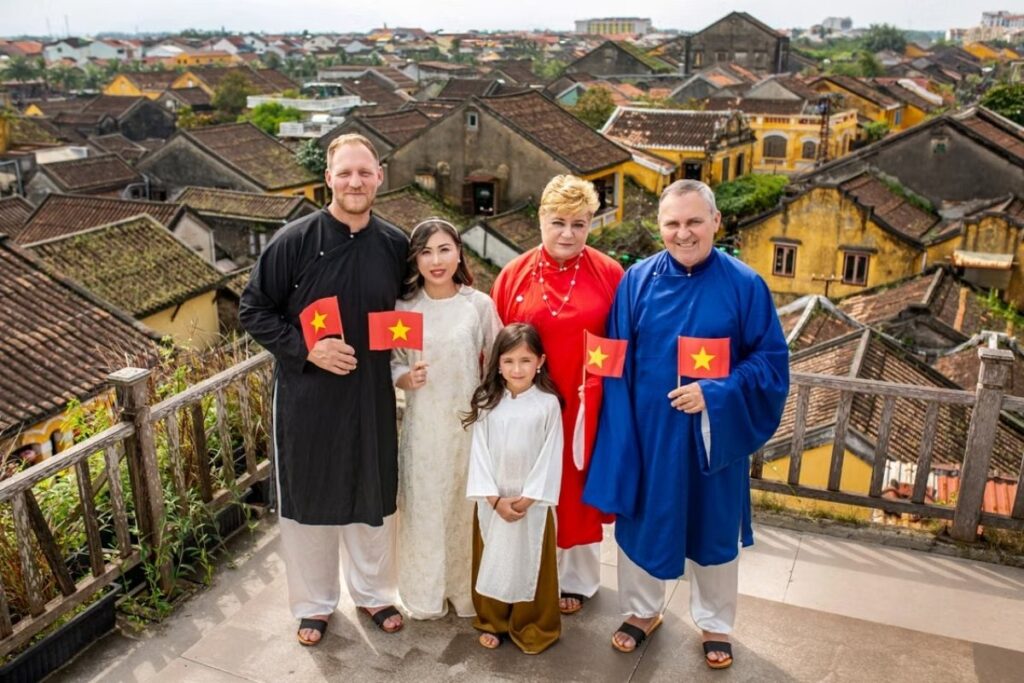
People rarely move abroad for one reason.
A job may bring them to Vietnam.
So may a relationship, retirement, study, curiosity, or the simple desire to try a different life.
What keeps them there can be harder to explain.
A neighborhood begins to feel familiar.
A favorite restaurant becomes part of the weekly routine.
Coworkers become friends.
A person learns enough Vietnamese to have small conversations.
Weekend trips become traditions.
The practical side of life becomes easier to navigate.
Eventually, the question may change from:
“How long should I stay?”
to:
“Why would I leave?”
There is evidence of that longer-term attachment among Vietnam’s expat population. InterNations’ 2025 survey found that 54% of its Vietnam respondents had already lived in the country for five years or more, while 30% said they wanted to stay forever. InterNations notes that financial satisfaction may play a role in this long-term attachment.
Those numbers do not mean Vietnam is a permanent home for most foreigners.
People leave.
Some discover that the climate does not suit them. Others want different career opportunities, better infrastructure, or a lifestyle closer to family. Some enjoy the country but decide that another destination fits them better.
There is no single foreign experience of Vietnam.
What is interesting is the pattern in the people who do stay.
The reasons can become less spectacular over time.
At first, they may talk about food, beaches, mountains, or affordability.
Later, they talk about their neighborhood.
Their favorite coffee shop.
The friend who helped them through a difficult week.
The colleague who became part of their social circle.
The routines they would have to rebuild somewhere else.
That is a different kind of attachment.
It is not tourism anymore.
It is belonging.
Final Thoughts: Vietnam Is Easy to Like, Harder to Explain
People rarely become attached to a country because of one spectacular feature.
It happens through accumulation.
A meal becomes a routine.
A café becomes familiar.
A coworker becomes a friend.
A neighborhood becomes recognizable.
A weekend trip becomes somewhere you return to without needing a reason.
That is why the answer to what foreigners love about living in Vietnam is more complicated than a list of advantages.
Yes, affordability can give some residents more flexibility.
Yes, Vietnamese food can become part of everyday life.
Yes, many expats describe local people as welcoming and friendly.
But none of those things exists in isolation.
Food creates reasons to gather. Cafés create places to spend time. Streets make everyday life visible. Relationships make an unfamiliar place more personal. Affordable choices can make some of those routines easier to maintain.
And then something changes.
You stop experiencing Vietnam only as a country you chose to live in.
You start experiencing it as the place where your ordinary life happens.
That does not mean Vietnam is perfect. It is not.
Traffic can be tiring. The climate can be demanding. Bureaucracy can be frustrating. Language and cultural differences do not disappear simply because you enjoy living here.
Perhaps that is why the strongest attachment is often built around familiarity rather than perfection.
Knowing where to have breakfast.
Recognizing someone in your neighborhood.
Having a café you return to without thinking.
Knowing which road to take home.
Those things are easy to overlook when they are happening.
They become much harder to replace when they are gone.
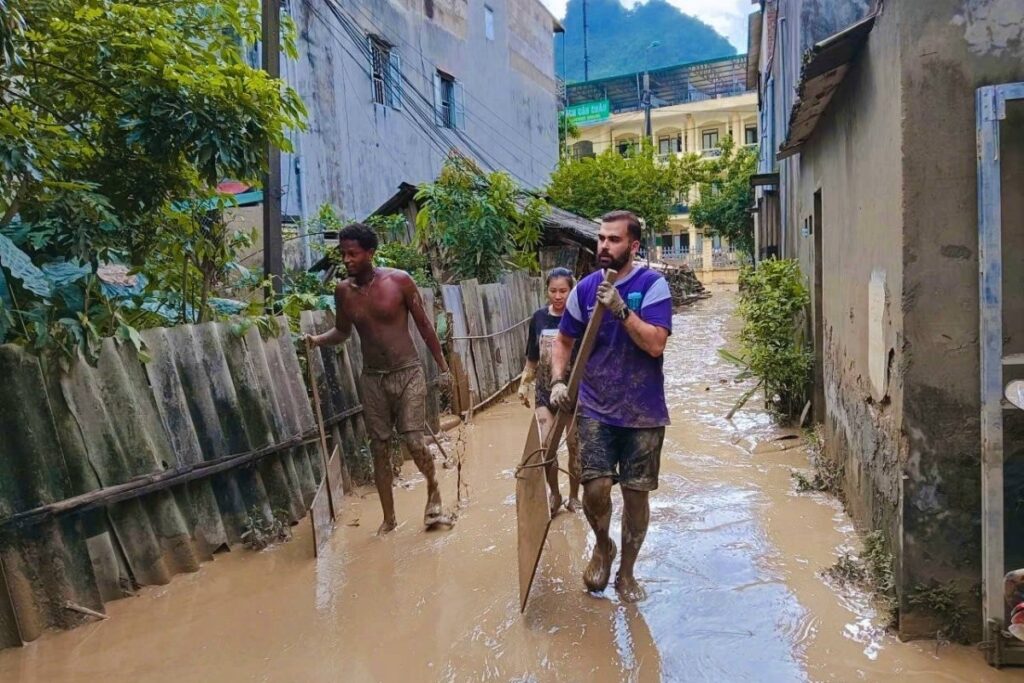
You do not necessarily decide that Vietnam has become home.
One day, you simply realize that you know how to live there.
And for many foreign residents, that may be the part they end up loving most.
Continue Exploring Vietnam
Living in Vietnam is about more than finding the right neighborhood or learning how to navigate daily life.
The longer you stay, the more you begin to notice the relationships, routines, food traditions, family values, and social habits that shape everyday life across the country.
If you want to understand Vietnam beyond famous destinations and tourist attractions, explore more Vietnam Insights from Tam Voc Viet — stories about everyday life, local perspectives, food culture, traditions, and the details that are easy to miss on a first visit.
Recommended next reads:
- Living in Vietnam: The Complete Guide for Foreigners — Explore the practical and cultural side of making a life in Vietnam.
- Vietnamese Culture — Explore the traditions, values, beliefs, and everyday customs that shape life in Vietnam.
- Vietnamese Family Culture — Understand how family relationships, respect, responsibility, and tradition influence everyday Vietnamese life.
- The Story Behind Vietnam’s Street Food Culture — Discover the history, regional influences, family traditions, and everyday habits behind Vietnam’s street food culture.
- Why Do Vietnamese Families Eat Together? — Understand how meals connect family life, traditions, and relationships.
- Why Do Vietnamese Wake Up So Early? — Explore the morning habits and everyday rhythms that shape life in Vietnam.
- 15 Things That Surprise First-Time Visitors to Vietnam — Discover some of the everyday details that may feel unexpected when you first arrive.
- Common Culture Shocks in Vietnam — A practical look at cultural differences travelers may notice in Vietnam.
Together, these Vietnam Insights offer a closer look at the people, routines, relationships, traditions, and everyday experiences that can make Vietnam feel very different once you move beyond the role of a visitor.
A Note for Foreigners Considering Life in Vietnam
If you are thinking about living in Vietnam, it helps to arrive with something more useful than a checklist of expectations.
Curiosity.
Life here may not always work the way you are used to. The pace of a neighborhood, the way people communicate, the role of family, the rhythm of meals and coffee, and even the way people spend time in public can feel unfamiliar at first.
Try not to judge those differences too quickly.
Instead, give yourself time to observe.
Notice where people go for breakfast. Watch how neighborhoods change throughout the day. Pay attention to how coworkers socialize outside the office. Learn why certain foods are eaten at particular times. Notice how family relationships influence everyday decisions.
And remember that there is no single experience of living in Vietnam.
Life in Hanoi is not the same as life in Ho Chi Minh City. A coastal town can feel completely different from a mountain community. A foreign professional working for a multinational company may experience Vietnam differently from a retiree, student, entrepreneur, or someone living with a Vietnamese family.
The goal is not to become “Vietnamese.”
Nor is it to expect Vietnam to adapt completely to the way you lived before.
The more useful approach is to understand the context around you.
Be curious.
Learn a little Vietnamese.
Try local food beyond the dishes you already know.
Build relationships outside your own expat circle.
Give yourself time to become familiar with the rhythm of your neighborhood.
Some parts of Vietnam may frustrate you. Others may surprise you. And some of the things you initially find strange may eventually become the things you miss most when you leave.
That is often how living abroad works.
You do not simply learn how to live in another country. You gradually discover what parts of that country become part of your own everyday life.
Sources & Further Reading
- InterNations — Expat Insider 2025: Vietnam — Survey data and rankings covering expat satisfaction, personal finances, quality of life, and life in Vietnam.
- InterNations — Expat Insider 2024: Vietnam — Data on local friendliness, social life, food, work-life balance, language, bureaucracy, and other aspects of expat life in Vietnam.
- Vietnam National Authority of Tourism — Official information on Vietnam’s destinations, culture, food, regions, and tourism resources.
- General Statistics Office of Vietnam — Official demographic and socioeconomic data relevant to understanding life in Vietnam.
Editorial note:
Living in Vietnam can look very different depending on where someone lives, how long they stay, their work, income, language ability, relationships, and personal expectations.
This article focuses on recurring experiences and patterns reported by foreigners and supported by available research. It does not suggest that every foreign resident will have the same experience.
Statistics cited from expat surveys represent the experiences and opinions of survey respondents rather than a universal measure of life in Vietnam.
Cultural observations are intended to provide context rather than define every Vietnamese person, family, workplace, or community.
About the Author
Tam Voc Viet Editorial Team
The Tam Voc Viet Editorial Team creates travel and cultural guides for international readers who want to understand Vietnam beyond its most famous destinations.
Our content explores Vietnam through its history, culture, food, traditions, people, and everyday life, with particular attention to the details that help international visitors and foreign residents experience the country more thoughtfully.
For cultural and travel topics, Tam Voc Viet draws on official Vietnamese sources, established cultural institutions, research materials, and relevant international sources where appropriate.
When discussing cultural or historical claims, we aim to distinguish documented information from interpretation. When describing everyday experiences, we use contextual examples rather than presenting them as universal rules.
Vietnam is also not a fixed cultural picture. Its cities, workplaces, families, food culture, and social habits continue to change as different generations, international connections, technology, and new lifestyles reshape everyday life.
Our goal is not to tell readers exactly what Vietnam is supposed to be.
It is to help them notice the context behind what they experience.
Article Information
Category: Vietnam Insights
Topic: Living in Vietnam / Expat Life in Vietnam
Published: August 2026
Last Updated: August 2026
Author: Tam Voc Viet Editorial Team
