Ten years ago, most travelers came to Vietnam for backpacking routes, street food, and cheap beach hotels.
Luxury resorts were barely part of the conversation.
That changed fast.
Today, Vietnam has some of the most visually impressive resorts in Southeast Asia — from jungle-covered bays near Nha Trang to private pool villas hidden along the coastline outside Hoi An.
But what makes Vietnam stand out is not just luxury pricing or beachfront infinity pools.
It’s the variety.
Some resorts here feel polished and social. Others feel so isolated that after sunset, all you hear are waves, insects, and distant fishing boats moving across the water.
And depending on where you stay, the experience can feel completely different.
Table of Contents
Why Vietnam Is One of Asia’s Best Luxury Resort Destinations
Vietnam has become one of Southeast Asia’s fastest-growing luxury resort destinations.
One reason many travelers leave surprised by Vietnam is how far their money still goes at the luxury level.
In places like Phu Quoc or Da Nang, it’s still possible to book beachfront villas and five-star resorts for prices that would barely cover a standard hotel room in the Maldives during peak season.
High-end resorts here often include:
large villa-style accommodations
private beach access
exceptional spa facilities
personalized hospitality
surprisingly strong food programs
At the same time, Vietnam offers dramatic geographic variety that many resort destinations lack.
You can choose between:
tropical islands
remote jungle bays
mountain lodges
wellness retreats
cultural beach towns
modern coastal cities
That flexibility is a major reason many travelers end up returning to Vietnam for completely different resort experiences.
Best Luxury Resorts in Vietnam
InterContinental Danang Sun Peninsula Resort – Da Nang
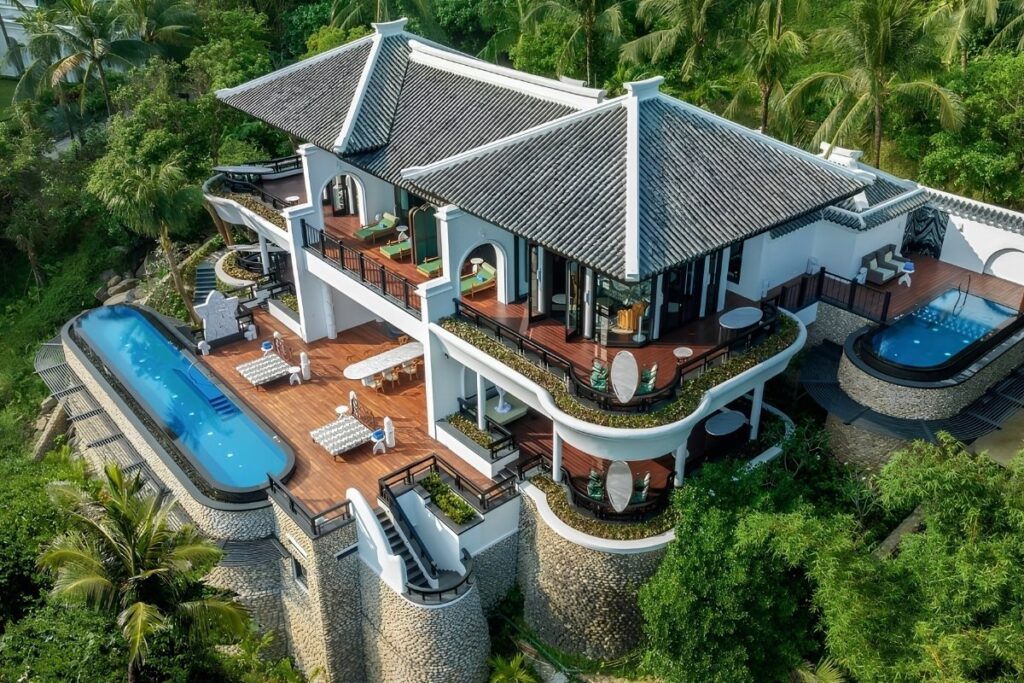
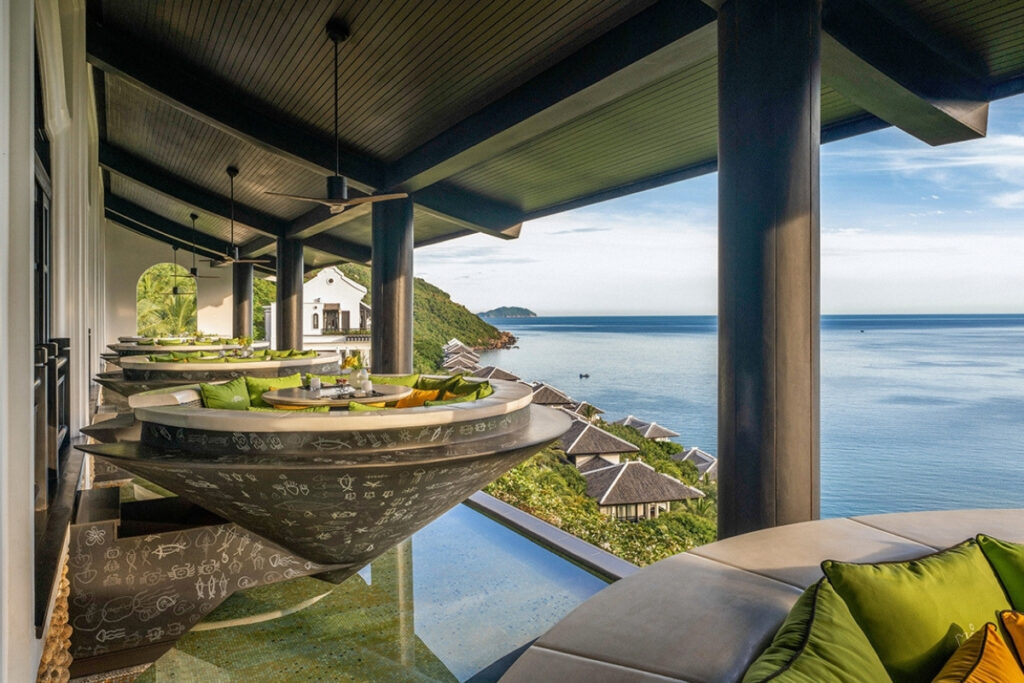
The hillside layout of InterContinental Danang creates dramatic ocean views throughout the property.
Set on the forested Son Tra Peninsula outside Da Nang, this is probably the most iconic luxury resort in Vietnam.
The first thing many travelers notice is how dramatic the setting feels. The resort is built into steep jungle-covered hills that drop directly toward the ocean, giving the entire property a secluded atmosphere despite being relatively close to the city.
The property barely feels flat.
Stairways, jungle paths, terraces, and hidden viewing decks are built directly into the hillside, so moving around the resort almost becomes part of the experience itself.
The resort combines jungle scenery, private beaches, and luxury villas just outside Da Nang.
In the afternoon heat, even getting back to your room can feel like a small workout — although the views usually make up for it.
During humid summer afternoons, the hillside layout can feel noticeably hotter than travelers expect, especially for guests staying in upper-level villas farther from the beach.
Architect Bill Bensley designed the property with theatrical black-and-white interiors, hidden stairways, and extravagant Vietnamese-inspired details that make almost every corner feel intentionally photogenic.
What Makes It Special
Private stretch of beach
One of the best resort spas in Vietnam
Excellent service standards
Stunning ocean-view villas
Strong food scene for a resort property
Who It’s Best For
Honeymooners
Luxury travelers
Couples wanting privacy without total isolation
Who Might Want to Skip It
Travelers looking for nightlife, walkable restaurants, or frequent city exploration may find the resort slightly too secluded for a short stay.
Reality Check
The property is spread across steep hillsides, so guests rely heavily on resort shuttles and funicular transport to move around.
JW Marriott Phu Quoc Emerald Bay Resort
Among luxury resorts in Vietnam, this is probably the one travelers photograph the most.
Located on the southern coast of Phu Quoc Island, the resort was also designed by Bill Bensley, but the atmosphere here feels completely different from Da Nang. Instead of jungle drama, the property leans playful and surreal.
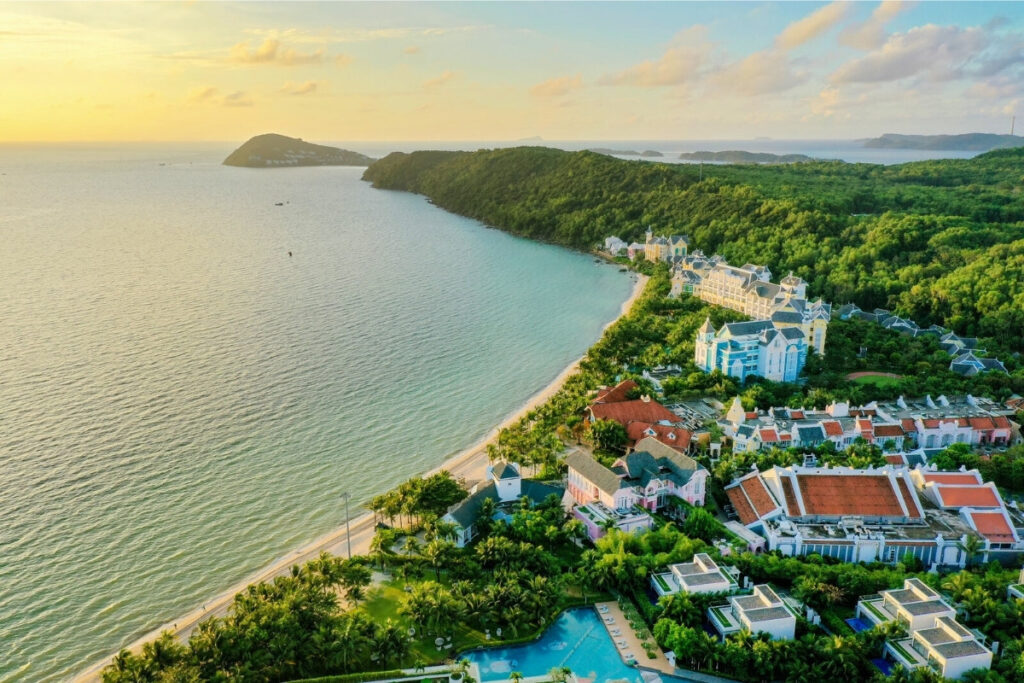
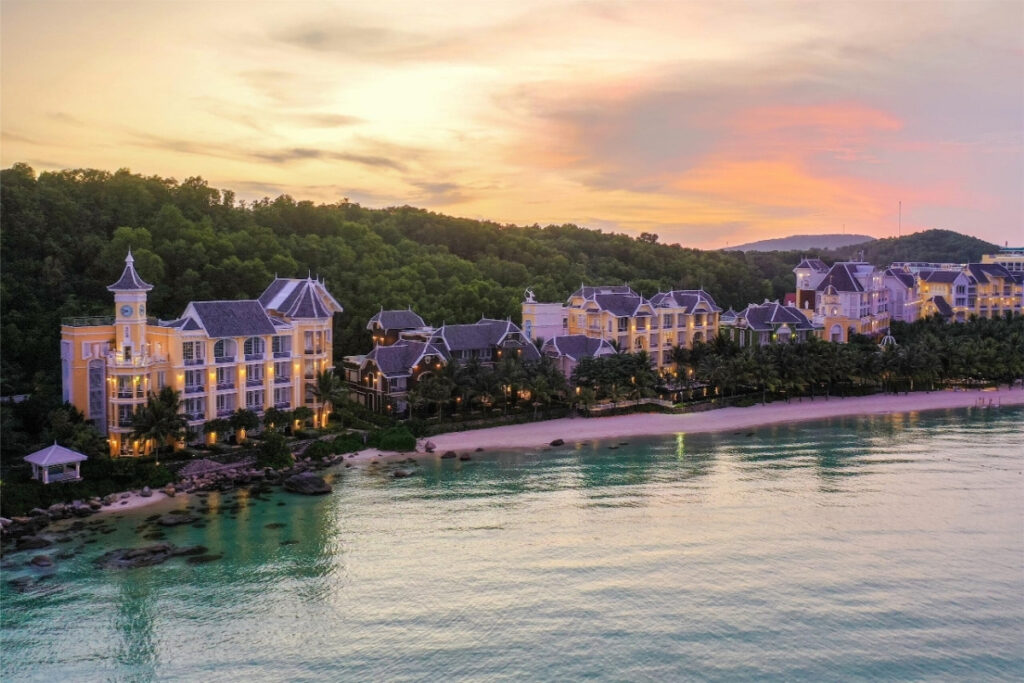
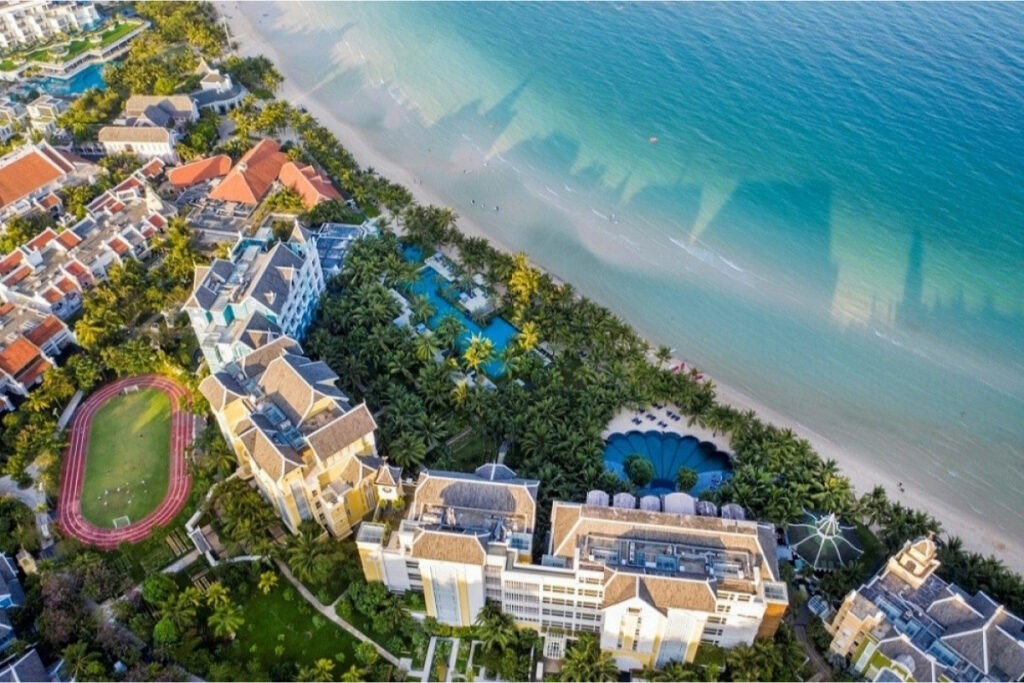
JW Marriott Phu Quoc is known for its theatrical architecture and calm beachfront setting.
On paper, the idea sounds ridiculous — a luxury resort designed like an old French university.
Then you arrive, and somehow it works.
Lecture halls become restaurants. Dormitory-inspired buildings sit beside the beach. Antique-style decorations are scattered across courtyards and hallways in ways that feel weirdly theatrical without becoming tacky. Vintage academic buildings, oversized ceramic art pieces, hidden courtyards, and colorful interiors make the property feel visually unique without becoming gimmicky.
The beach itself is one of the resort’s biggest strengths. The sand is soft, the water is calm during dry season months, and sunsets here are genuinely impressive.
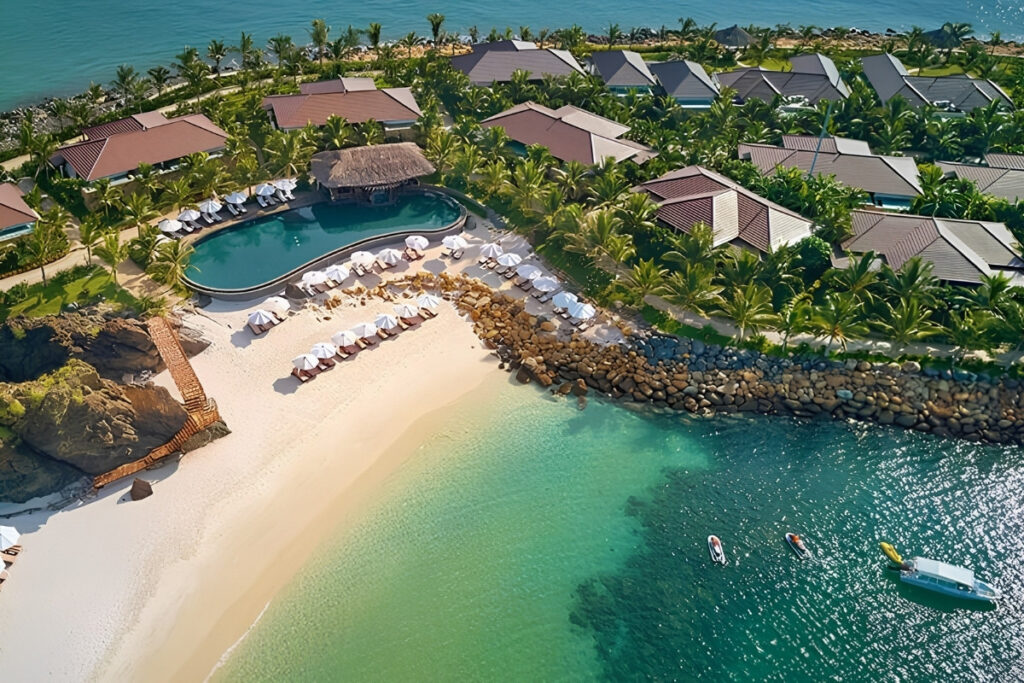
Southern Phu Quoc offers some of Vietnam’s most popular luxury beach resorts.
Breakfast hours can become noticeably crowded during peak holiday periods, especially with large family groups and tour travelers arriving at similar times.
Best For
Couples
Luxury beach vacations
Resort-focused island trips
Travelers who value design and atmosphere
What Travelers Should Know
Southern Phu Quoc has developed quickly in recent years. While the resort itself still feels upscale and relaxing, parts of the island outside the property can feel more commercialized than travelers expect.
Best Time to Visit
November through April generally offers the calmest beach conditions and most reliable weather.
Six Senses Ninh Van Bay – Nha Trang
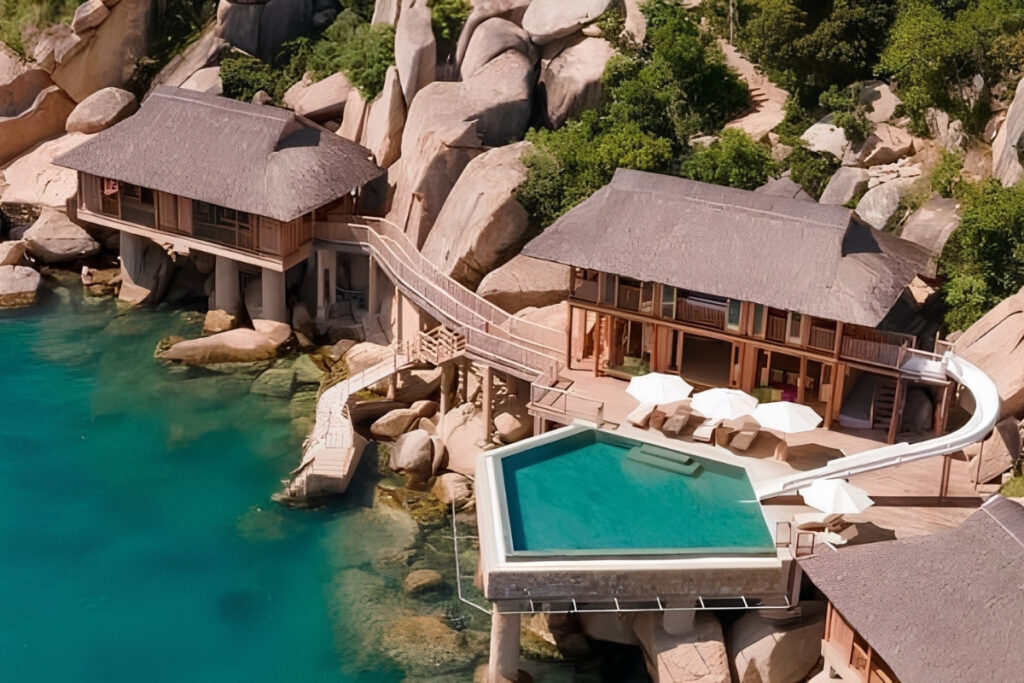
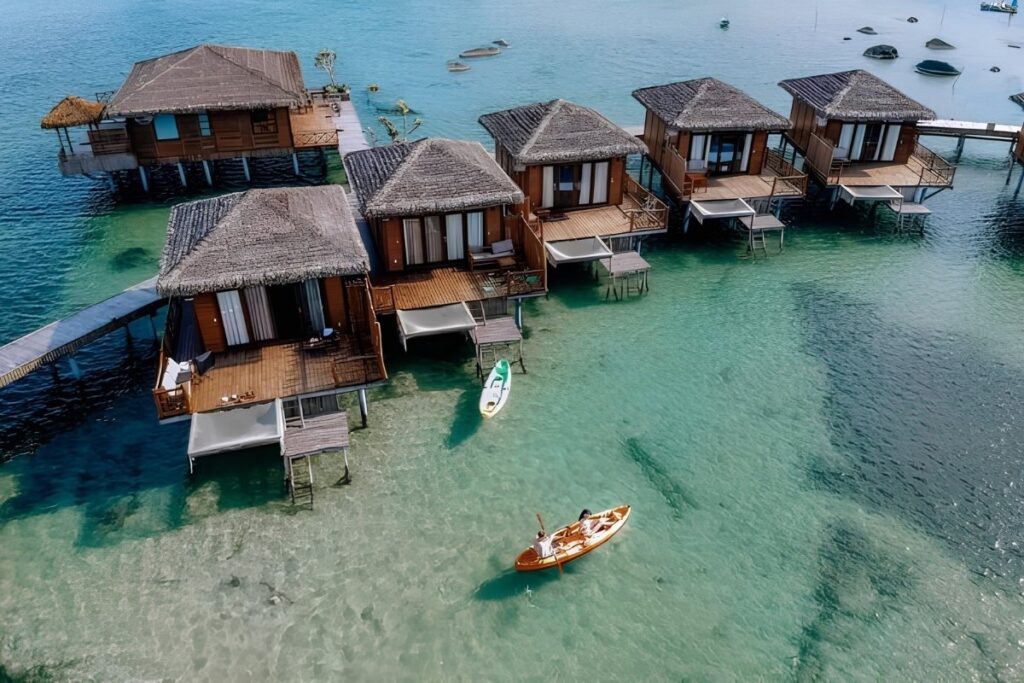
Six Senses Ninh Van Bay is accessible only by boat, creating a more secluded atmosphere.
If your idea of luxury means privacy, silence, and disconnecting from crowds entirely, this may be the best resort in Vietnam.
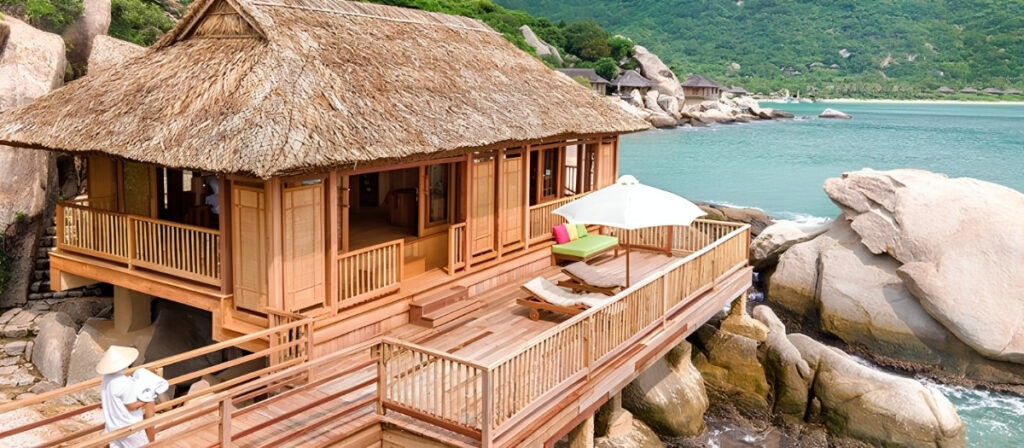
Six Senses Ninh Van Bay sits on a secluded peninsula near Nha Trang and is only accessible by boat. The transfer alone immediately changes the atmosphere of the trip. Once you arrive, there are no city streets, traffic noise, or nearby commercial areas — just villas built between jungle-covered hills and the sea.
After the boat transfer, the pace changes almost immediately.
Depending on sea conditions, the boat ride can feel either calm and scenic or surprisingly rough during windy months.
There’s very little background noise besides waves, insects, and wind moving through the hills behind the villas.
Some travelers end up loving that silence.
Others start feeling restless after two or three days.
Mornings are quiet, afternoons revolve around the beach or spa, and evenings are mostly about ocean views and long dinners rather than nightlife.
At night, the resort becomes extremely quiet. Some guests love hearing waves and insects outside the villas, while others may find the jungle atmosphere slightly unfamiliar at first.
Some hillside villas look spectacular online but involve more walking, stairs, and elevation changes than many travelers expect when booking.
Why People Love It
The resort blends eco-luxury design with quiet beaches and dramatic coastal scenery.
Travelers who like walking into local restaurants, bars, or nearby towns at night may feel isolated here, especially after multiple days inside the resort.
Reality Check
Because the resort is remote, food and activities are significantly more expensive than in mainland Vietnam.
Best Resort in Vietnam for Wellness Retreats
Amanoi – Vinh Hy Bay
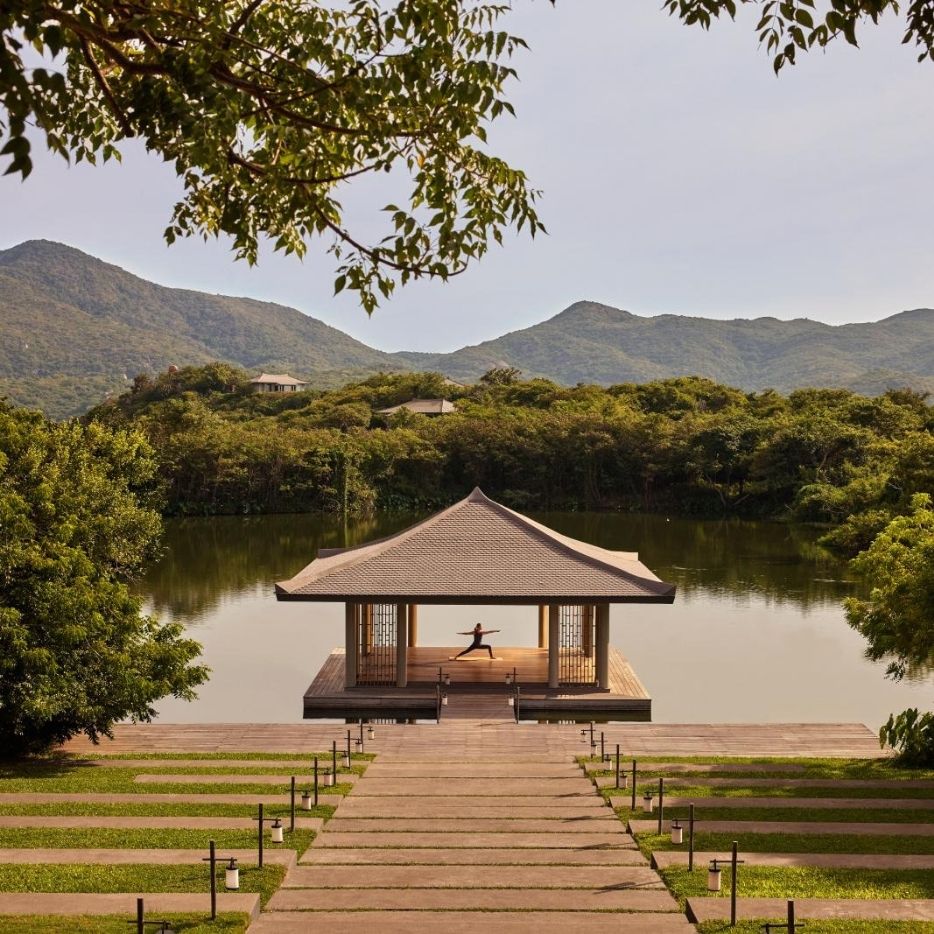
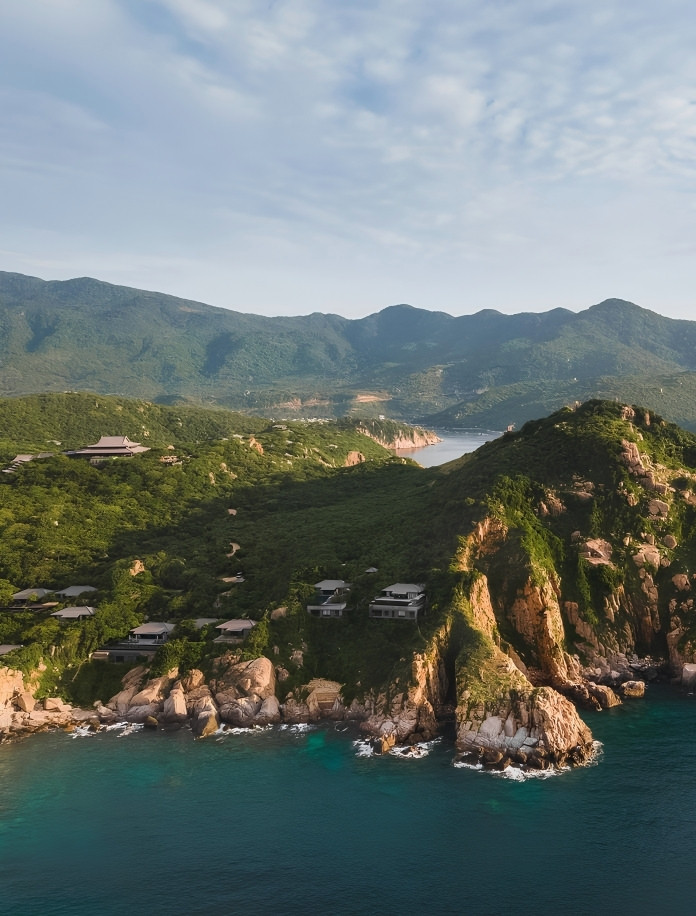
Amanoi focuses on privacy, wellness experiences, and peaceful coastal landscapes.
Amanoi is not the kind of place people book accidentally.
Most guests come here specifically because they want distance from crowds, schedules, traffic, or even other tourists.
For some travelers, it becomes the highlight of their Vietnam trip.
For others, especially people who get bored easily, the quiet atmosphere can start feeling a little too controlled after a few nights.
After dark, the resort becomes remarkably still. Travelers used to busy cities or constant activity sometimes underestimate how isolated the atmosphere feels at night.
Hidden inside Nui Chua National Park along Vietnam’s south-central coastline, the property combines mountain landscapes, ocean views, and minimalist architecture in a way that feels noticeably calmer than most luxury beach resorts in Southeast Asia.
On windy evenings, you can sometimes hear waves crashing loudly against the shoreline from inside the villas, especially during rougher weather periods.
Unlike larger resort properties that constantly feel active, Amanoi is intentionally quiet.
The atmosphere revolves around:
wellness programs
meditation
spa treatments
private pools
slow travel experiences
What Surprises Many Travelers
Amanoi focuses on privacy, wellness experiences, and peaceful coastal landscapes.
Even though Vietnam is often associated with affordability, Amanoi operates firmly in the ultra-luxury category. Prices here can rival top resorts in Thailand or the Maldives.
Amanoi works best for travelers who genuinely enjoy slow mornings, private villas, and staying inside the resort for most of the trip.
Who Might Not Love It
Travelers looking for nightlife, social energy, or busy beach scenes may find the atmosphere too calm.
Best Resorts in Vietnam for Families
Vinpearl Resort & Spa Phu Quoc
Vinpearl Phu Quoc is one of the most family-friendly beach resorts in Vietnam.
Not every traveler visiting Vietnam wants an ultra-remote wellness retreat or honeymoon resort.
For families, Vinpearl Phu Quoc is often a more practical option because it combines beachfront resort facilities with easy entertainment access.
The area nearby includes:
theme parks
water parks
golf courses
family-friendly attractions
Why Families Like It
Large pools
Kid-friendly activities
Spacious rooms
Easier logistics than remote resorts
Good value for longer stays
Reality Check
The experience feels more like a large international resort complex than a boutique Vietnamese luxury retreat.
That works very well for some travelers — especially families with younger children — but less so for travelers seeking exclusivity or local atmosphere.
Best Boutique Luxury Resort in Vietnam
Zannier Hotels Bai San Ho – Phu Yen
Phu Yen remains one of Vietnam’s quieter coastal regions for luxury travel.
Phu Yen remains one of the least-developed coastal regions in Vietnam, and that’s a big part of this resort’s appeal.
Unlike more famous destinations like Da Nang or Phu Quoc, the coastline here still feels relatively quiet and local. Fishing villages, empty beaches, and rice fields dominate the landscape instead of nightlife districts and large commercial developments.
Zannier Hotels Bai San Ho was designed to blend into that environment rather than overpower it.
The villas draw inspiration from traditional Vietnamese architecture, and the property feels noticeably more understated than many luxury resorts competing for attention online.
The resort blends traditional Vietnamese-inspired architecture with secluded coastal scenery.
Best For
Quiet luxury travelers
Boutique resort lovers
Travelers wanting a less-commercial side of Vietnam
What Makes It Different
Compared to larger resort destinations in Vietnam, the area still feels noticeably quieter and less commercial once you leave the property.
Best Mountain Resort in Vietnam
Topas Ecolodge – Sapa
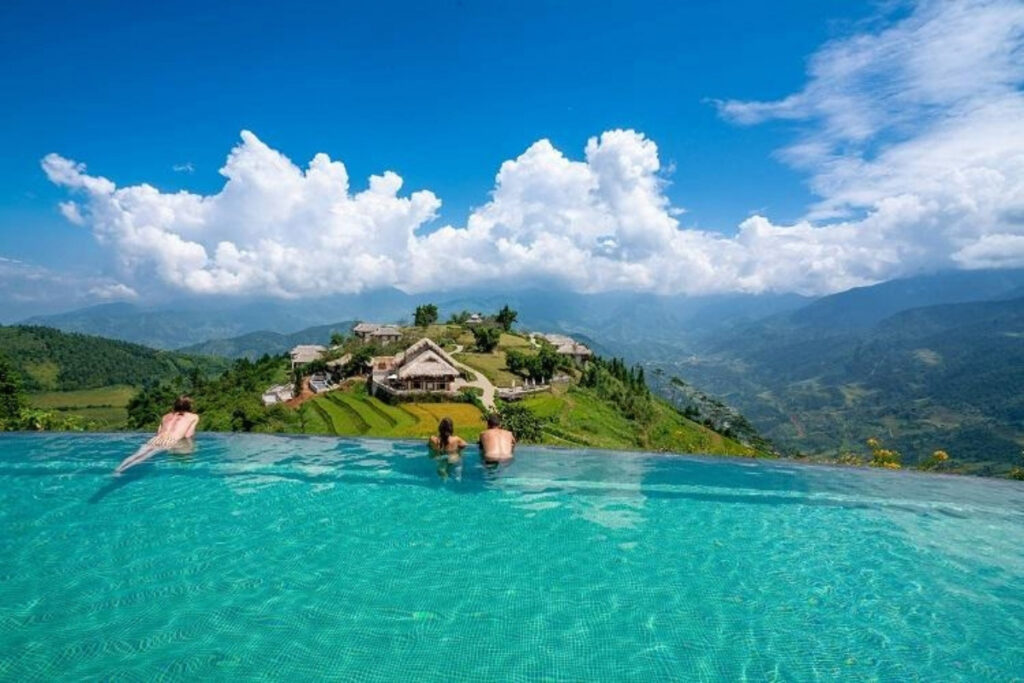
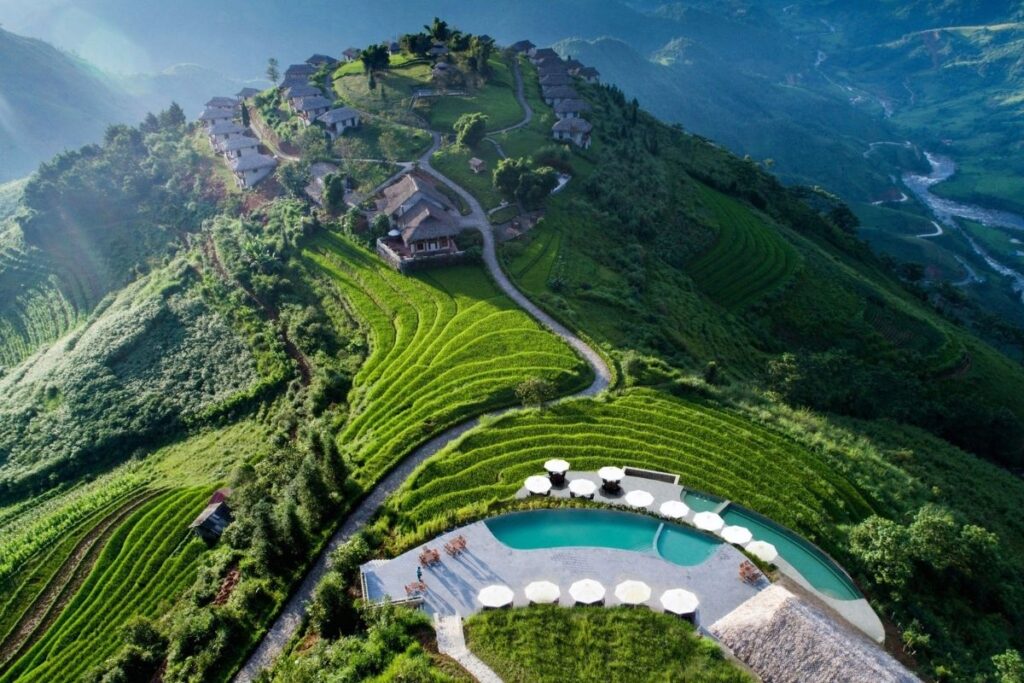
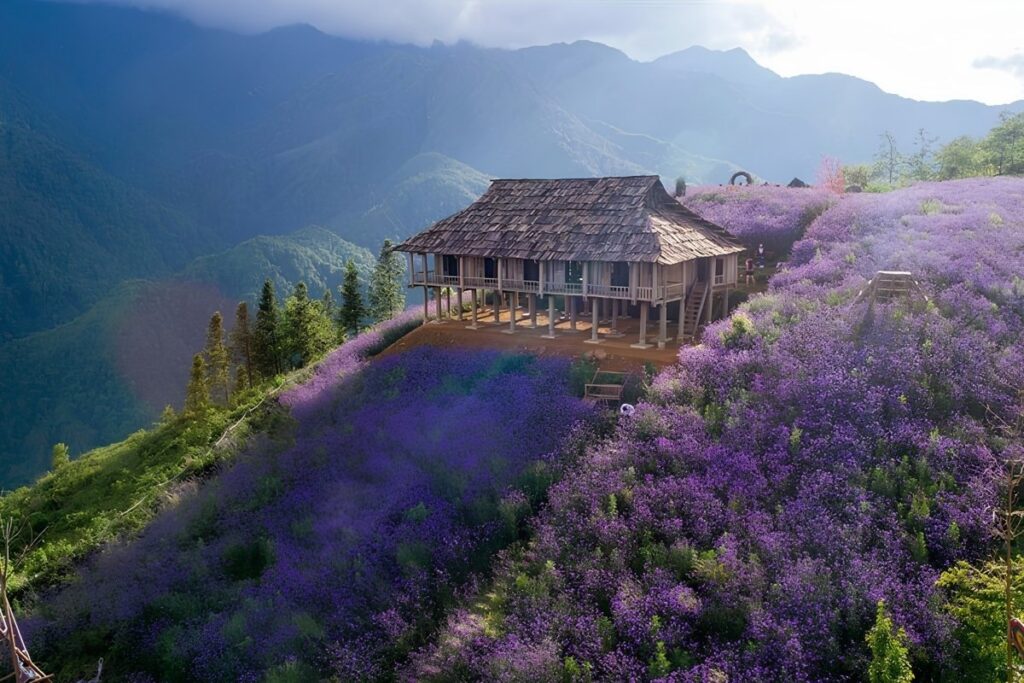
Topas Ecolodge offers mountain views far removed from Vietnam’s tropical beach destinations.
Most travelers associate Vietnam resorts with tropical beaches, but northern Vietnam offers a completely different experience.
Topas Ecolodge sits high in the mountains outside Sapa overlooking rice terraces and valleys that change dramatically with the seasons.
During colder months, mornings can feel misty and surprisingly chilly. In harvest season, the rice terraces turn golden across entire hillsides.
Most people come here for the mountain views rather than the resort facilities themselves.
Northern Vietnam’s cooler mountain climate creates a completely different resort experience.
Best For
Nature lovers
Couples
Hiking trips
Travelers wanting a break from tropical heat
Important to Know
Sapa’s weather can become foggy, cold, and rainy depending on the season. In winter, temperatures occasionally drop low enough that rooms can feel surprisingly chilly at night, especially for travelers expecting tropical weather throughout Vietnam.
Which Area in Vietnam Has the Best Resorts?
Phu Quoc
Midday heat in Vietnam can feel far more exhausting than many first-time visitors expect, particularly during humid months between May and August.
Best for:
Easy beach vacations
Island resorts
Honeymoons
Warm winter weather
What Travelers Often Underestimate
Parts of southern Phu Quoc still feel polished and relaxing, especially inside large resorts.
But outside resort areas, ongoing construction, expanding roads, and fast tourism growth have changed the atmosphere noticeably compared to just a few years ago. Some areas still feel peaceful, while others now feel heavily built-up and touristy.
During rainy periods, some public beach areas around the island can also collect plastic waste or washed-up debris more quickly than travelers expect from promotional photos online.
Da Nang
During monsoon season, beaches in central Vietnam can become rougher and less swimmable for days at a time, even at high-end beachfront resorts.
Best for:
Luxury beach resorts
Golf vacations
First-time visitors to Vietnam
Combining beaches with day trips
Da Nang also offers one of the easiest airport-to-resort experiences in Vietnam.
Hoi An
Best for:
Couples
Cultural trips
Wellness-focused vacations
The combination of beach resorts and the Ancient Town gives Hoi An a more romantic atmosphere than most resort destinations in Vietnam.
Nha Trang
Best for:
Resort-focused stays
Island scenery
Snorkeling trips
Some parts of Nha Trang city itself feel busy and heavily developed, but nearby bays can still feel surprisingly secluded.
Con Dao
Best for:
Remote luxury
Nature
Quiet beaches
Privacy
Con Dao feels significantly less commercial than Phu Quoc, although flights are often more expensive and less convenient.
How Much Do Luxury Resorts in Vietnam Cost?
Resort Type
Average Price
Mid-Range Beach Resort
$80–200/night
Luxury Resort
$250–700/night
Ultra-Luxury Villas
$800+/night
Compared to similar luxury experiences in Bali, Phuket, or the Maldives, Vietnam still delivers surprisingly strong value — especially for villa stays.
Best Time to Visit Vietnam Resorts
Vietnam’s climate changes dramatically depending on the region.
Central Vietnam
(Da Nang, Hoi An, Hue)
Best months: February–August
Southern Vietnam
(Phu Quoc, Con Dao)
Best months: November–April
Northern Vietnam
(Sapa)
Best months: March–May and September–November
One of the biggest mistakes travelers make is assuming weather conditions are similar across the entire country.
Tips Before Booking a Resort in Vietnam
Don’t Underestimate Transfer Times
Some “remote” luxury resorts require:
domestic flights
long car rides
private boat transfers
A resort that looks close on a map can still take half a day to reach.
Peak Season Prices Rise Fast
Luxury resorts in Vietnam often sell out surprisingly early around:
Christmas
New Year
Lunar New Year
winter travel season
Some Resorts Are Better for Staying In
Properties like Amanoi or Six Senses work best when travelers actually plan to spend most of their time at the resort.
Others, like resorts in Da Nang or Hoi An, are easier for exploring surrounding destinations.
Which Resort Area Fits Your Travel Style?
Destination
Best For
Possible Downsides
Phu Quoc
Easy beach vacations
Increasing development
Da Nang
Convenience + luxury
Less secluded
Amanoi
Privacy + wellness
Expensive & isolated
Sapa
Cooler weather
Fog & rain
Frequently Asked Questions About Resorts in Vietnam
What is the best luxury resort in Vietnam?
Many travelers consider InterContinental Danang Sun Peninsula Resort, Amanoi, and Six Senses Ninh Van Bay among the best luxury resorts in Vietnam. Each offers a very different experience.
InterContinental Danang works well for travelers who want dramatic scenery and easier access to Da Nang and Hoi An. Amanoi focuses more on privacy and wellness, while Six Senses Ninh Van Bay is ideal for travelers looking for isolation, quiet beaches, and a slower pace.
Is Phu Quoc or Da Nang better for luxury resorts?
It depends on the kind of trip you want.
Phu Quoc is better for classic tropical beach vacations and resort-focused stays. Many travelers choose it for winter sunshine, beachfront villas, and longer relaxing trips.
Da Nang is usually more convenient for first-time visitors because it combines luxury resorts with easier transportation, golf courses, restaurants, and quick access to Hoi An.
Are luxury resorts in Vietnam expensive?
Compared to destinations like the Maldives, Phuket, or Bali, luxury resorts in Vietnam often offer better overall value.
Five-star beachfront resorts in Vietnam typically range from around $250 to $700 per night, while ultra-luxury villas can cost significantly more depending on the season and location.
Prices also rise noticeably during Christmas, New Year, and Lunar New Year holidays.
What is the best time to visit beach resorts in Vietnam?
The best time depends heavily on the region.
For Da Nang and Hoi An, the driest weather usually falls between February and August.
Phu Quoc and southern Vietnam are generally best between November and April.
Northern mountain destinations like Sapa are most comfortable during spring and autumn months when temperatures are cooler and skies are clearer.
Which Vietnam resorts are best for honeymoons?
Amanoi, Six Senses Ninh Van Bay, and InterContinental Danang are among the most popular honeymoon resorts in Vietnam.
Couples looking for privacy often prefer more isolated resorts, while travelers wanting restaurants, nightlife, and nearby attractions may enjoy Da Nang or Hoi An more.
Are resorts in Vietnam all-inclusive?
Most luxury resorts in Vietnam are not fully all-inclusive in the same way as resorts in the Caribbean or the Maldives.
Breakfast is commonly included, but lunches, dinners, spa treatments, airport transfers, and activities are usually charged separately.
Remote resorts can also have significantly higher food and beverage prices than nearby cities.
How many days should you stay at a resort in Vietnam?
For most travelers, three to five nights works well for a luxury resort stay in Vietnam.
More isolated properties like Amanoi or Six Senses are better suited for travelers who genuinely enjoy slower travel, wellness experiences, and spending most of their time inside the resort.
For shorter trips, destinations like Da Nang or Hoi An are often easier because travelers can combine resort stays with sightseeing and local restaurants nearby.
Are Vietnam resorts family-friendly?
Yes, many beach resorts in Vietnam are very family-friendly, especially in destinations like Phu Quoc and Da Nang.
Large resorts often include kids’ clubs, family pools, entertainment complexes, golf courses, and easy beach access.
However, some ultra-luxury wellness resorts are designed more for couples and quiet retreats than family vacations with young children.
Which area in Vietnam has the most beautiful beaches?
Phu Quoc, Con Dao, Nha Trang, and parts of central Vietnam near Da Nang and Hoi An are known for having some of the country’s best beaches.
Beach conditions can change significantly depending on the season. During monsoon months, some beaches become rougher, windier, or less swimmable even at luxury resorts.
Are remote luxury resorts in Vietnam difficult to reach?
Some are surprisingly time-consuming to access.
Even after domestic flights, travelers may still need long car transfers or private boat rides to reach certain resorts. Places like Six Senses Ninh Van Bay or Amanoi feel intentionally isolated, which is part of their appeal.
Travelers planning shorter Vietnam trips often underestimate how much travel time remote resorts can require.
Final Thoughts
Vietnam offers everything from island resorts and wellness retreats to mountain lodges and beachfront villas.
Vietnam’s luxury resort scene has evolved far beyond the budget-travel reputation the country once had.
Today, travelers can find everything from ultra-private wellness retreats and jungle-covered bays to family-friendly beachfront resorts and design-focused boutique stays.
But the best resort in Vietnam depends less on star ratings and more on the kind of trip you actually want.
For easy tropical vacations, Phu Quoc remains the most convenient option.
For a balance between luxury and accessibility, Da Nang and Hoi An are hard to beat.
And for travelers seeking privacy, quiet, and a more immersive escape, resorts like Amanoi or Six Senses Ninh Van Bay offer experiences that feel far removed from the typical Southeast Asia beach vacation.ith families.
If you’re planning your trip, you may also want to explore our guides to:
These internal guides help travelers better understand transportation, budgeting, itineraries, accommodation, and local travel experiences across Vietnam.
The most memorable trips in Vietnam are rarely the ones that move the fastest.
If you enjoy slower, experience-focused travel, we also share local insights, food experiences, and practical Vietnam travel advice through our YouTube channel: TAM VOC VIET – VIETNAM INSIGHTS
And practical advice for international travelers visiting Vietnam
Author Note
The recommendations in this guide are based on repeated travel experiences across Vietnam between 2023 and 2026, including resort stays, regional transportation changes, and seasonal travel conditions affecting international visitors.
Tam Voc Viet
Tam Voc Viet is dedicated to sharing authentic insights into Vietnam’s culture, history, travel, cuisine, and people. Our mission is to help international readers discover Vietnam through accurate, well-researched, and engaging content. Every article is created with a focus on quality, reliability, and real value for travelers and anyone interested in Vietnam.



 Tiếng Việt