


 Tiếng Việt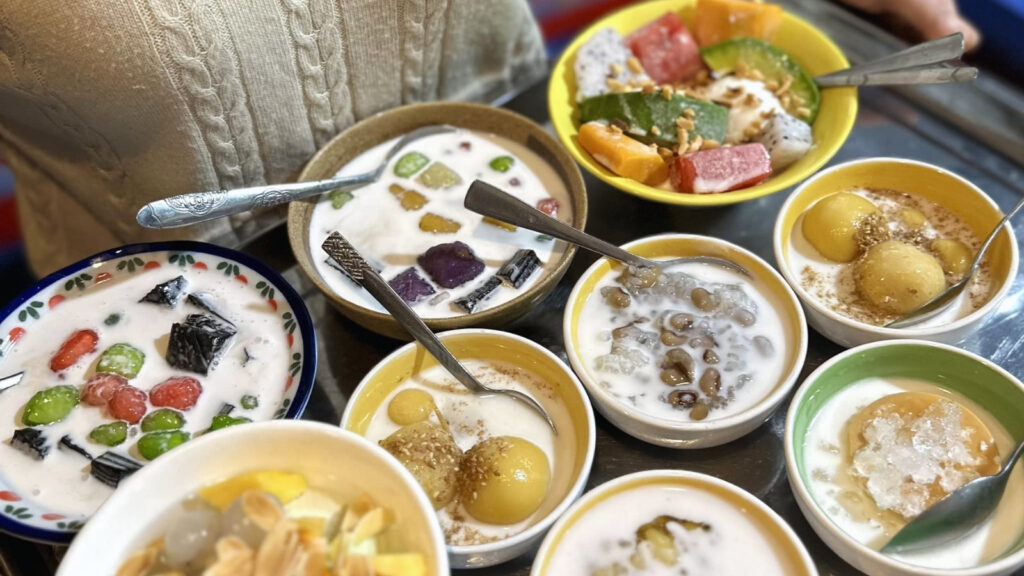
After finishing a bowl of pho or enjoying fresh seafood by the coast, many travelers assume dessert isn’t a big part of Vietnamese cuisine.
They’re usually surprised.
Vietnamese desserts are lighter, fresher, and less sugary than many Western sweets. Instead of butter, cream, or chocolate, local desserts often feature coconut milk, sticky rice, tropical fruits, beans, sesame, pandan, and fragrant herbs. Many are served warm, while others are packed with crushed ice to help people cool down during Vietnam’s tropical afternoons.
From colorful street-side sweet soups to elegant royal pastries and refreshing fruit-based desserts, Vietnam offers an incredible variety of treats that deserve just as much attention as its famous savory dishes.
Here’s your complete guide to the country’s most delicious desserts.
Quick Answer: What Are the Most Popular Vietnamese Desserts?
If you’re visiting Vietnam for the first time, start with chè, chè ba màu, bánh flan, kem dừa, bánh da lợn, and bánh cốm. These iconic desserts showcase the country’s signature ingredients—including coconut milk, sticky rice, tropical fruits, mung beans, and pandan—while reflecting the unique food traditions of different regions. Most Vietnamese desserts are lighter and less sugary than Western sweets, making them easy to enjoy even after a hearty meal.
Author Experience: During multiple trips across Vietnam between 2023 and 2026, I made it a habit to stop at neighborhood dessert stalls, traditional markets, and family-run cafés whenever possible. Some of the most memorable desserts weren’t found in famous restaurants, but at small roadside vendors where recipes had been passed down for generations. This Best Vietnamese Desserts guide combines firsthand observations, regional food research, conversations with local vendors, and practical travel insights gathered throughout those journeys.
Why Vietnamese Desserts Are Different
Unlike desserts in many Western countries, Vietnamese sweets rarely aim to be overwhelmingly rich.
Instead, they focus on:
- Natural sweetness
- Contrasting textures
- Fresh seasonal ingredients
- Balance rather than indulgence
A single dessert may combine chewy sticky rice, creamy coconut milk, crunchy peanuts, soft beans, and aromatic pandan into one bowl.
Many desserts are also tied to local harvests and festivals, making them an important part of Vietnamese culture rather than simply an after-meal treat.
Quick Guide: Best Vietnamese Desserts
| Dessert | Best For | Region |
|---|---|---|
| Chè | Variety lovers | Nationwide |
| Chè Ba Màu | Refreshing summer dessert | South |
| Chè Thái | Fruit lovers | South |
| Chè Bưởi | Coconut lovers | South |
| Bánh Flan | Coffee lovers | South |
| Bánh Chuối | Banana dessert | South |
| Xôi Ngọt | Breakfast dessert | North |
| Bánh Da Lợn | Pandan lovers | South |
| Bánh Bò | Coconut cake | South |
| Bánh Đậu Xanh | Tea pairing | North |
| Bánh Cốm | Traditional gift | Hanoi |
| Bánh Phu Thê | Wedding dessert | Bắc Ninh |
| Chè Trôi Nước | Festival dessert | Nationwide |
| Bánh Trôi | Lunar festival | North |
| Kem Dừa | Ice cream | South |
| Sữa Chua Nếp Cẩm | Yogurt dessert | North |
| Tàu Hũ | Light snack | Nationwide |
| Trái Cây Dầm | Fresh fruit dessert | South |
| Rau Câu | Jelly dessert | Nationwide |
| Kem Xôi | Ice cream with sticky rice | Hanoi |
Vietnamese Desserts at a Glance
Here’s a quick comparison to help you choose the right dessert based on your taste and travel style.
| Dessert | Served | Sweetness | Best For |
|---|---|---|---|
| Chè | Hot or Cold | ⭐⭐⭐ | First-time visitors |
| Chè Ba Màu | Cold | ⭐⭐⭐ | Summer afternoons |
| Kem Dừa | Cold | ⭐⭐⭐⭐ | Hot weather |
| Bánh Cốm | Room temperature | ⭐⭐ | Cultural experience |
| Tàu Hũ | Hot or Cold | ⭐⭐ | Light dessert |
| Bánh Flan | Cold | ⭐⭐⭐ | Coffee lovers |
| Kem Xôi | Warm & Cold | ⭐⭐⭐⭐ | Evening snack |
Table of Contents
1. Chè — Vietnam’s Famous Sweet Soup
No dessert represents Vietnam better than chè.
Rather than one recipe, chè refers to hundreds of different sweet soups and puddings made with beans, lotus seeds, taro, sweet corn, mung beans, coconut milk, jelly, fruits, and sticky rice.
Served hot or cold depending on the season, chè can be enjoyed as dessert, an afternoon snack, or even breakfast.
Where to try
- Dong Xuan Market (Hanoi)
- Dong Ba Market (Hue)
- Ben Thanh Market (Ho Chi Minh City)
Around lunchtime, the dessert corner inside Ben Thanh Market becomes noticeably busier. Vendors call out to regular customers while bowls of crushed ice, coconut milk, and colorful beans move quickly across the counter.
These long-established markets are among the best places to experience authentic regional versions of chè prepared by local vendors.
If you’re only going to try one Vietnamese dessert, make it chè. Every region has its own version, and no two stalls prepare it exactly the same way. One afternoon in Vietnam is enough to understand why locals never seem to get tired of it.
Last spring, I stopped at Dong Xuan Market before lunch and noticed almost every chè stall had a queue of local office workers. The vendor recommended chè sen, explaining it was her family’s most requested recipe for over 30 years.
Local Tip: In Hanoi, many long-established chè shops prepare different varieties every morning, and locals often stop by in the afternoon when the weather becomes warmer.
👉 Best Food Markets in Vietnam
2. Chè Ba Màu (Three-Color Dessert)
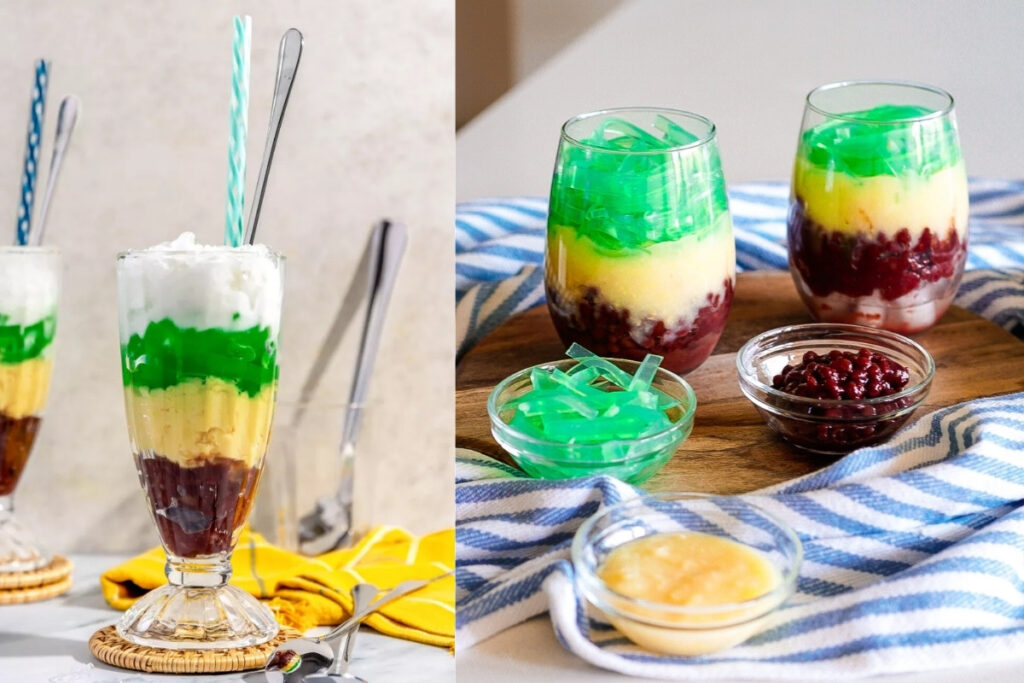
Perhaps Vietnam’s most recognizable street dessert.
Layers of:
- Red beans
- Yellow mung beans
- Green pandan jelly
are topped with crushed ice and rich coconut milk.
The first thing you’ll notice is the contrast of colors. Then comes the texture—soft beans, chewy pandan jelly, crushed ice, and creamy coconut milk in every spoonful. On a hot afternoon in southern Vietnam, few desserts are more refreshing.
Traveler’s Tip: Order it with less ice if you want a richer coconut flavor, especially at traditional street vendors.
What Does It Taste Like?
Imagine a lighter version of the Filipino halo-halo. Chè ba màu combines creamy coconut milk, chewy jelly, soft beans, and crushed ice into a dessert that’s refreshing without being overly sweet.
3. Chè Thái
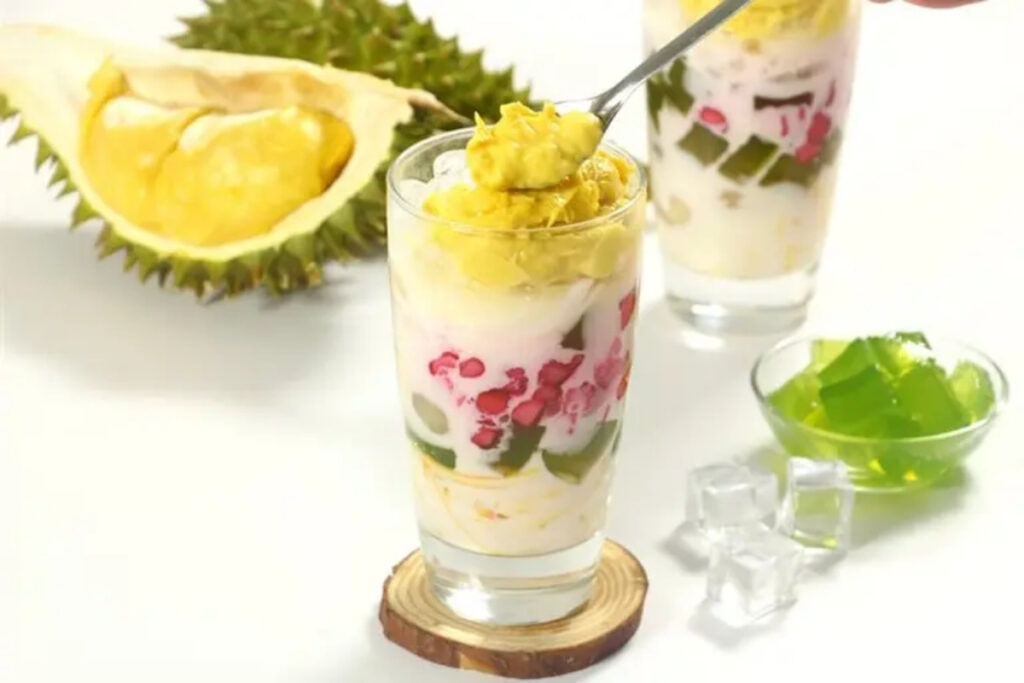
Originally inspired by neighboring Thailand but now fully embraced by Vietnamese dessert culture.
Expect:
- Jackfruit
- Lychee
- Longan
- Jelly
- Coconut milk
- Ice
- Sometimes durian
It’s colorful, refreshing, and especially popular in southern Vietnam.
If you enjoy tropical fruit, this is one of the safest choices for first-time visitors. Many local dessert shops allow you to customize the fruit selection depending on what’s in season.
4. Chè Bưởi
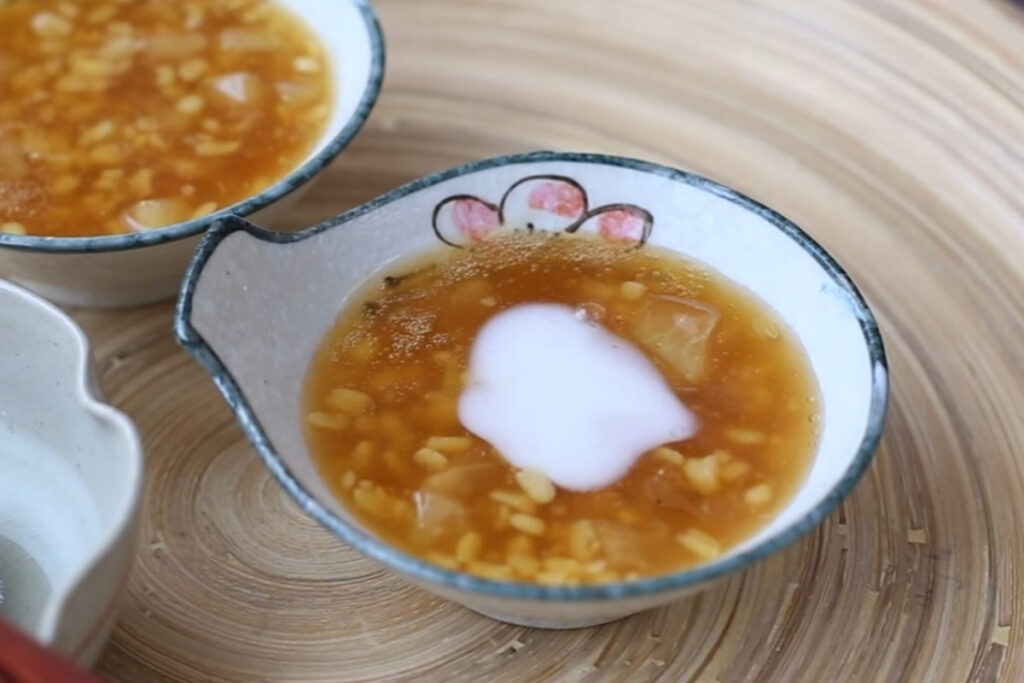
One of southern Vietnam’s signature desserts.
Made from:
- Pomelo peel
- Green beans
- Coconut milk
Properly prepared pomelo peel becomes surprisingly chewy while losing its bitterness.
The result is unique, aromatic, and unlike any dessert many international visitors have tried before.
One of Vietnam’s most famous desserts is actually made from pomelo peel—a part of the fruit that many visitors would normally throw away.
Many travelers are surprised to learn that the chewy pieces are made from pomelo peel rather than fruit flesh. Preparing them properly takes time, which is why good chè bưởi is often a sign of an experienced dessert vendor.
5. Bánh Flan
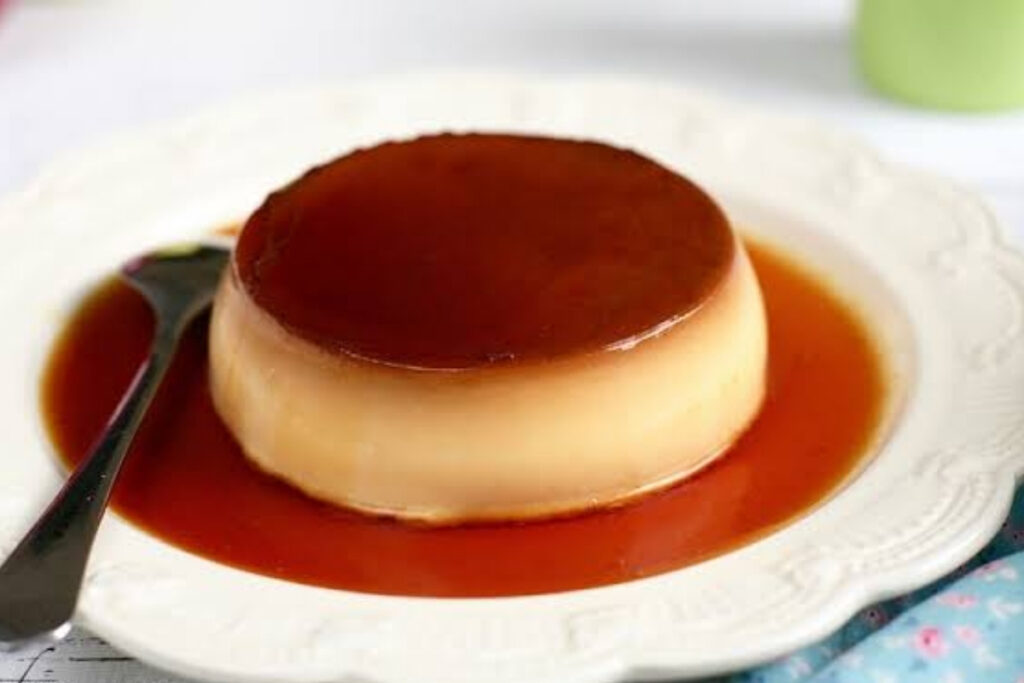
French influence meets Vietnamese coffee culture.
Average Price
Most cafés sell bánh flan for around 20,000 – 40,000 VND ($0.80–1.60 USD), making it one of Vietnam’s most affordable café desserts.
Vietnamese flan is silkier than many Western versions and is often served with:
- Crushed ice
- Strong coffee
- Coconut milk
- Caramel syrup
Many cafés offer it as an afternoon treat.
Introduced during the French colonial period, bánh flan has evolved into something distinctly Vietnamese. Today it’s commonly enjoyed with strong Vietnamese coffee or crushed ice, creating a dessert that blends European influence with local tastes.
Although bánh flan is found everywhere, I wouldn’t recommend judging Vietnamese desserts by flan alone. The country’s most memorable sweets are still the traditional recipes served at neighborhood markets.
Editor’s Pick
If you’re visiting Vietnam for only a few days, don’t miss these three desserts:
🥇 Chè Ba Màu
🥈 Bánh Flan
🥉 Kem Dừa
Together they showcase Vietnam’s balance of tropical fruit, coconut, and traditional cooking techniques while remaining approachable for first-time visitors.
6. Bánh Chuối
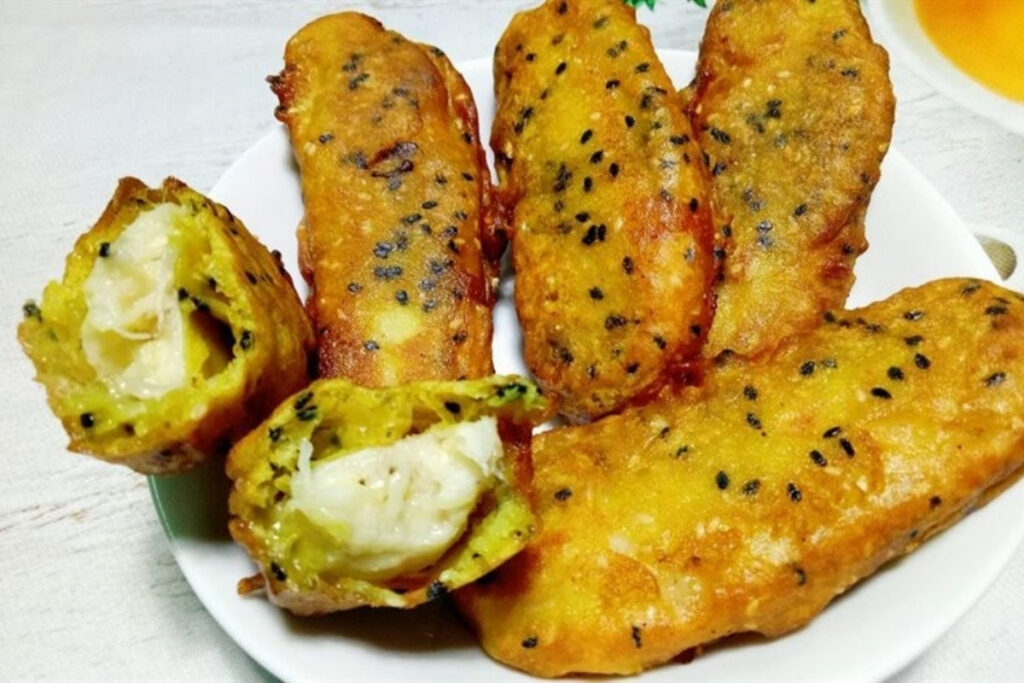
Bananas thrive across Vietnam, making banana desserts incredibly popular.
Depending on the region, bánh chuối may be:
- Baked
- Steamed
- Fried
Most versions include coconut milk and tapioca pearls for extra texture.
You’ll notice regional variations across Vietnam. Some versions are baked until caramelized, while others are steamed for a softer texture or fried until crisp on the outside.
7. Xôi Ngọt (Sweet Sticky Rice)
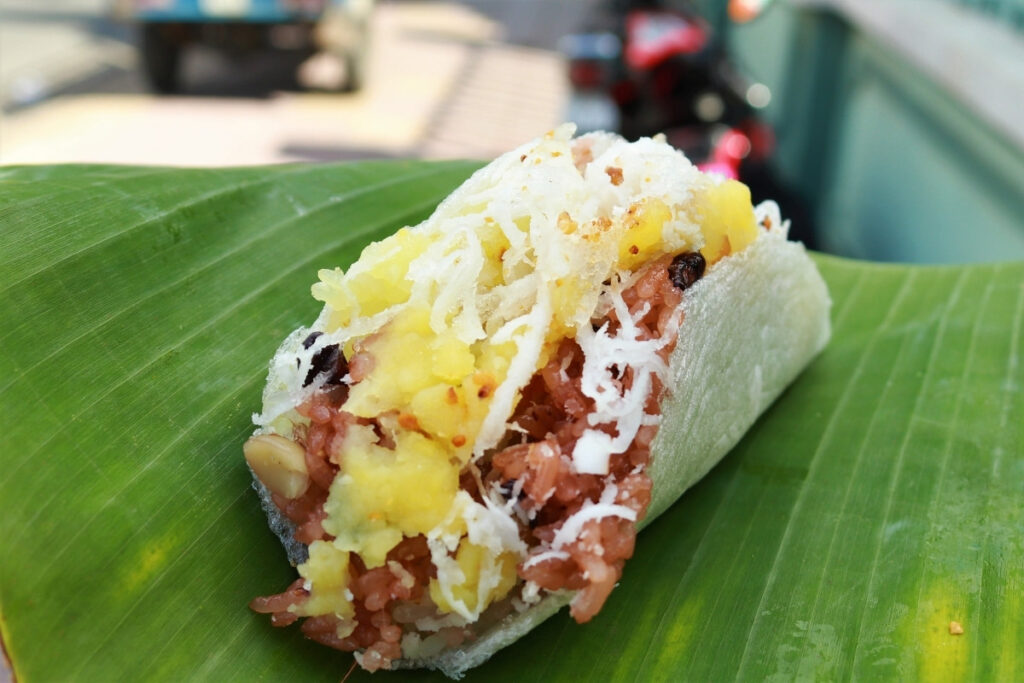
Sticky rice isn’t just breakfast.
Sweet versions may include:
- Mung bean
- Coconut
- Sesame
- Peanut
- Corn
- Mango
Simple but deeply satisfying.
Unlike many desserts that are reserved for after meals, sweet sticky rice is often eaten for breakfast or as a filling afternoon snack, making it one of Vietnam’s most versatile comfort foods.
8. Bánh Da Lợn (Layered Pandan Cake)
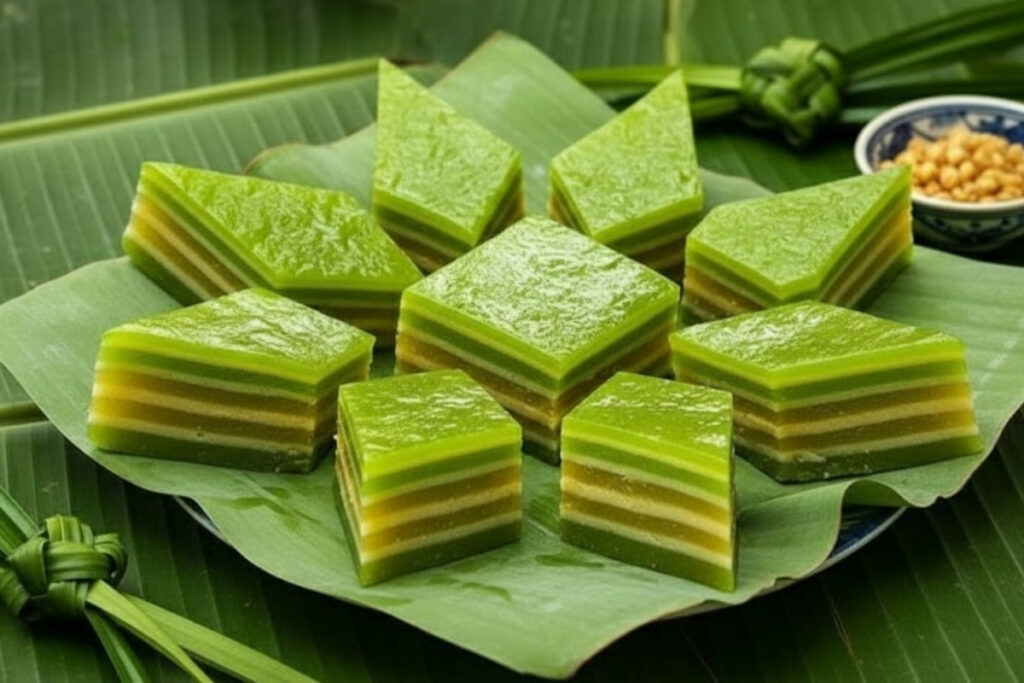
This beautiful layered cake is instantly recognizable by its alternating green and yellow stripes.
Made from:
- Pandan
- Coconut milk
- Tapioca flour
- Mung bean
Its chewy texture surprises many first-time visitors.
With its vibrant green-and-yellow layers, bánh da lợn is one of Vietnam’s most photogenic desserts. Freshly cut slices reveal delicate layers that are both soft and pleasantly chewy.
9. Bánh Bò (Honeycomb Cake)
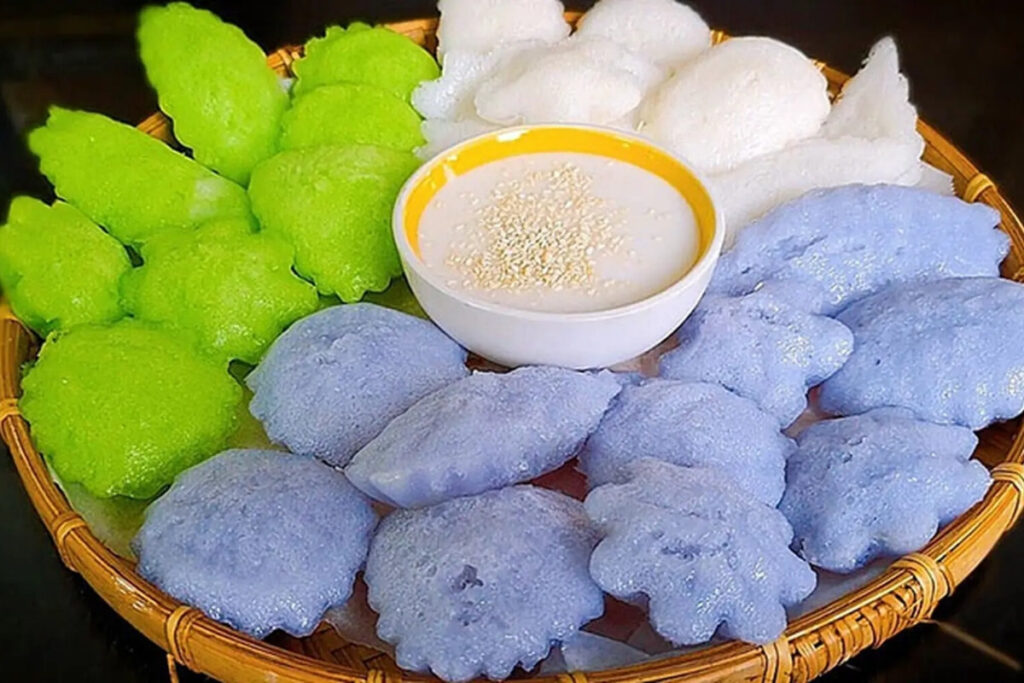
Despite its name, “cow cake” contains neither beef nor dairy. The name refers to its airy, honeycomb-like texture—a result of natural fermentation that gives the cake its distinctive appearance.
The name comes from the cake’s honeycomb texture.
Lightly fermented, fluffy, and fragrant with coconut, it’s one of Vietnam’s classic afternoon snacks.
10. Bánh Đậu Xanh (Mung Bean Cake)
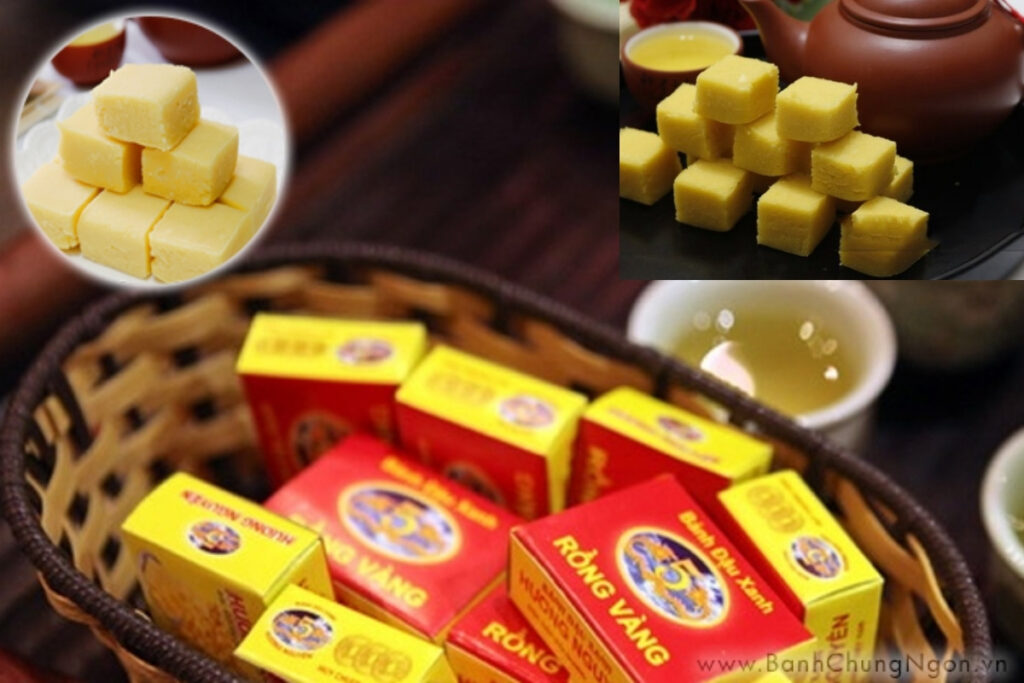
Originating in Hải Dương Province, these small mung bean cakes practically melt in your mouth.
They’re commonly served with hot tea and make popular souvenirs.
Because they’re individually wrapped and travel well, bánh đậu xanh cakes are among the most popular edible souvenirs visitors bring home from northern Vietnam.
Local Favorite
Among northern Vietnamese, bánh cốm and bánh đậu xanh remain two of the most popular traditional gifts, often purchased during festivals and family celebrations.
11. Bánh Cốm (Hanoi Green Rice Cake)
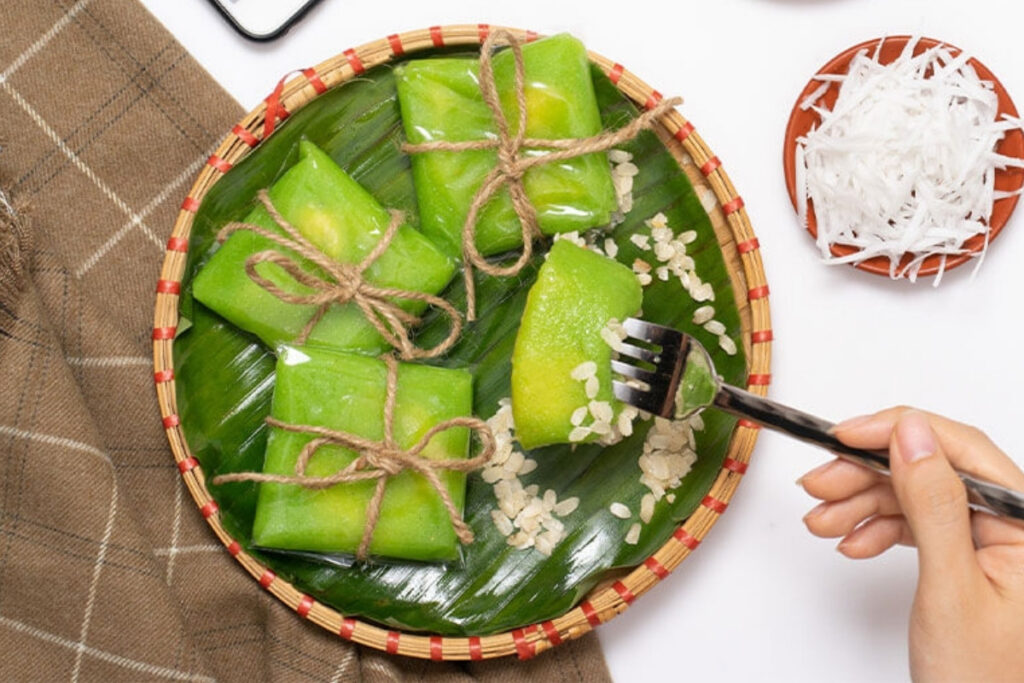
A Hanoi specialty.
Made with young green rice (cốm) wrapped around sweet mung bean filling, bánh cốm offers delicate floral aromas unique to northern Vietnam.
It’s traditionally enjoyed during weddings and festivals.
Cultural Note: More than just a dessert, bánh cốm represents an important part of Hanoi’s culinary heritage. Many Hanoi families still buy bánh cốm as gifts during weddings and important celebrations, making it one of the city’s most meaningful traditional sweets.
Walking through Hanoi’s Old Quarter, you’ll often notice green boxes of bánh cốm displayed in shop windows before wedding season. Many local families still consider them an essential engagement gift.
Where to Buy
Visitors looking for authentic bánh cốm should explore Hanoi’s Old Quarter, where several family-run shops have specialized in this traditional dessert for decades.
12. Bánh Phu Thê (Vietnamese Wedding Cake)
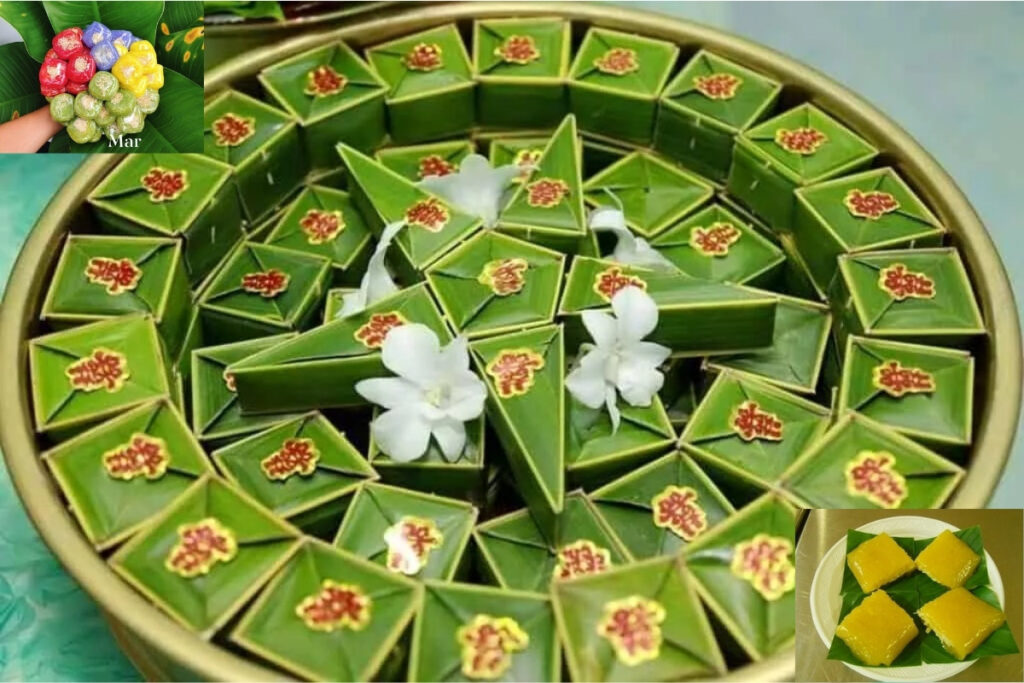
One of Vietnam’s most symbolic desserts.
This translucent cake filled with mung bean represents lasting love and is traditionally served at weddings.
Its chewy tapioca shell contrasts beautifully with the creamy filling.
Did You Know? The cake symbolizes harmony and lifelong happiness, which is why it has long been associated with Vietnamese engagement ceremonies.
13. Chè Trôi Nước
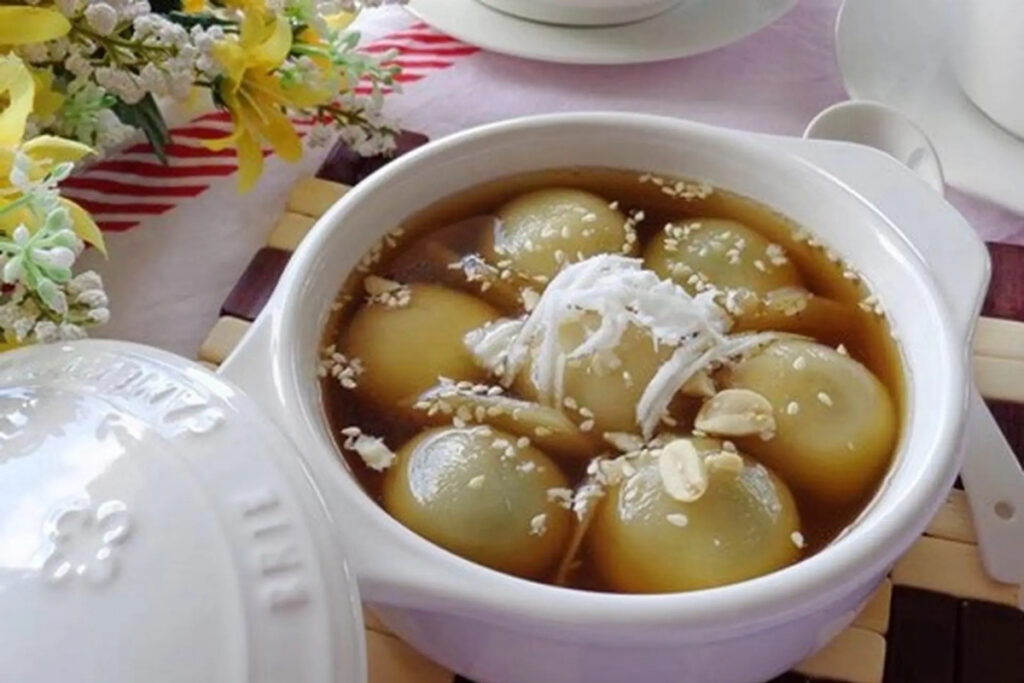
Soft glutinous rice balls filled with mung bean float in warm ginger syrup.
Finished with sesame seeds and coconut milk, it’s especially popular during traditional festivals.
During traditional festivals, families often prepare chè trôi nước together at home, turning dessert-making into a cherished family tradition that has been passed down through generations.
14. Bánh Trôi
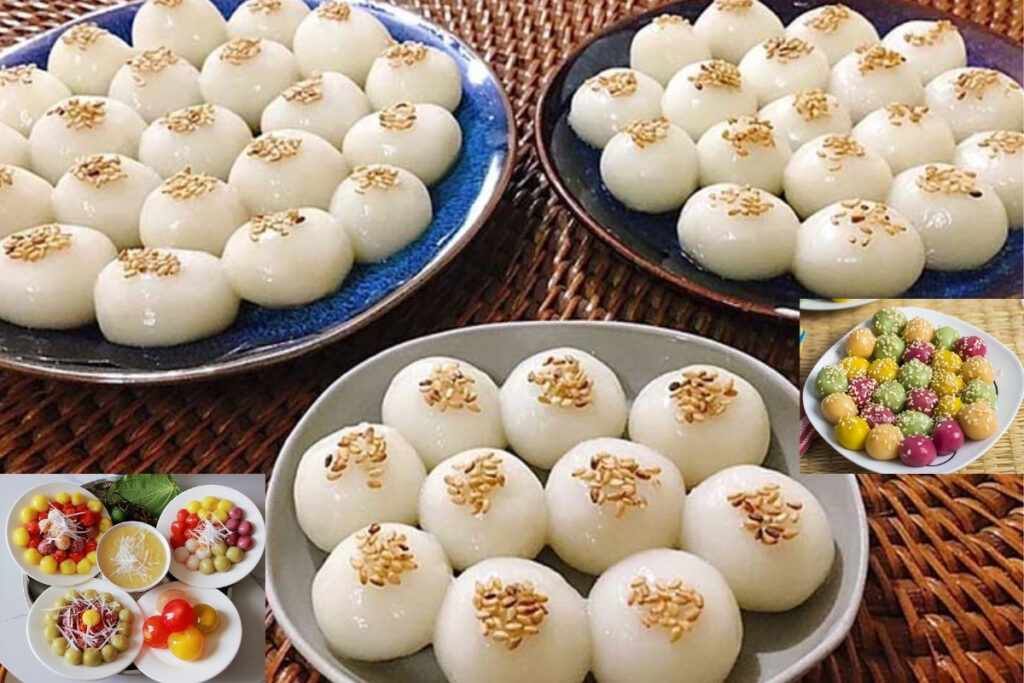
Smaller than chè trôi nước, these rice balls contain palm sugar that melts into syrup when cooked.
They are closely associated with the Hàn Thực Festival in northern Vietnam.
Although simple in appearance, bánh trôi carries deep cultural significance and is closely associated with the Hàn Thực Festival celebrated in northern Vietnam each spring.
15. Kem Dừa (Vietnamese Coconut Ice Cream)
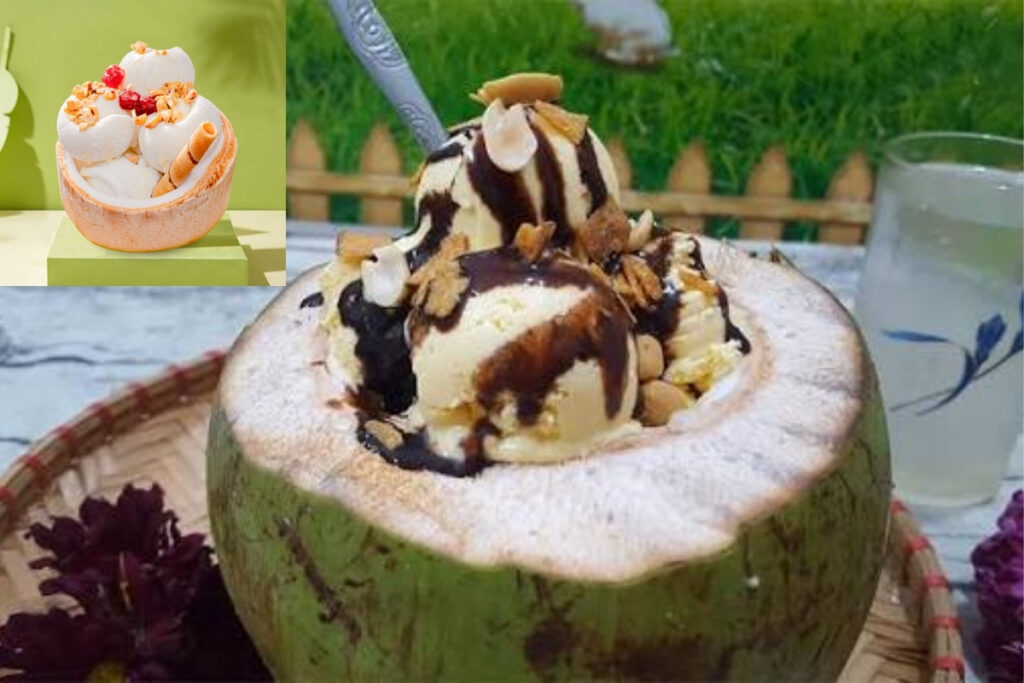
One of the country’s most refreshing modern desserts.
Served inside a coconut shell with toppings like:
- Roasted peanuts
- Toasted coconut
- Sticky rice
- Chocolate
- Wafers
A favorite among both locals and travelers.
Sitting beneath the shade of palm trees while enjoying coconut ice cream served inside a fresh coconut shell has become a favorite experience for many visitors exploring southern Vietnam.
Where locals enjoy it: Coconut ice cream is especially popular in Ben Tre, Vietnam’s coconut-growing region, where freshly harvested coconuts are used daily.
Best Season
Although available year-round, coconut ice cream is especially enjoyable between March and August when southern Vietnam experiences its hottest weather.
I ordered my first coconut ice cream near the riverside in Ben Tre on an unusually hot afternoon. Before serving it, the vendor cracked open a coconut that had been harvested earlier that morning. It was one of those simple travel moments that stayed with me long after the trip ended.
Traveler’s Favorite
Visitors exploring southern Vietnam consistently rank coconut ice cream and tropical fruit desserts among their most memorable culinary experiences thanks to the region’s year-round abundance of fresh produce.
16. Sữa Chua Nếp Cẩm (Purple Sticky Rice Yogurt)
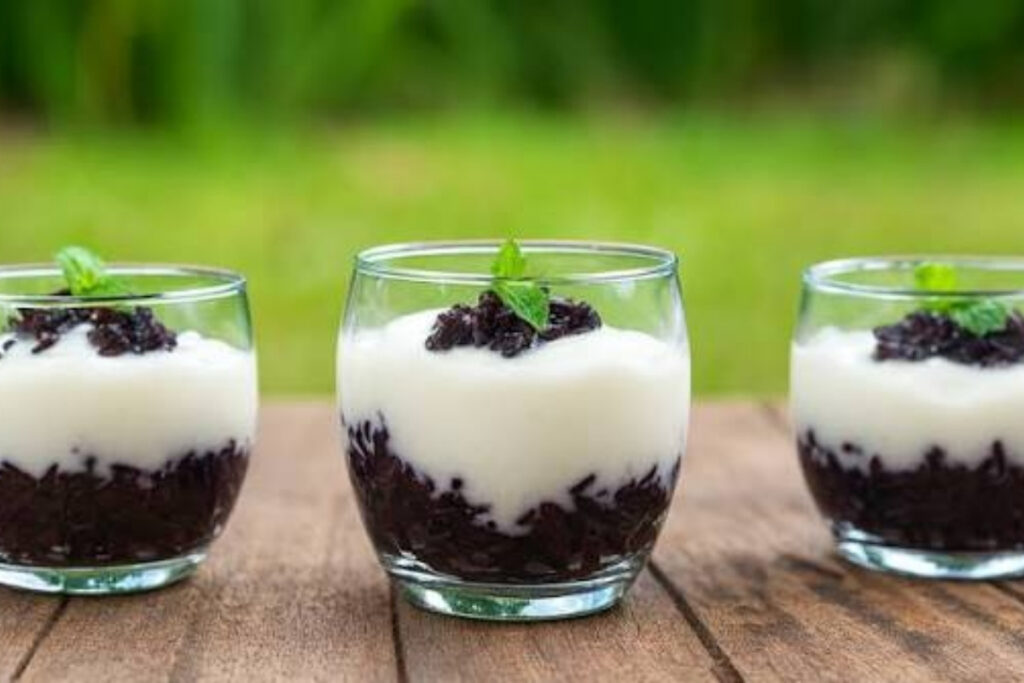
One of the healthiest Vietnamese desserts.
Creamy yogurt combines with fermented purple sticky rice to create a mildly sweet dessert rich in texture and probiotics.
Increasingly popular with younger Vietnamese.
Combining yogurt with fermented purple sticky rice creates a dessert that’s both satisfying and relatively light, making it especially popular among younger Vietnamese seeking healthier sweet options.
17. Tàu Hũ (Silken Tofu Dessert)
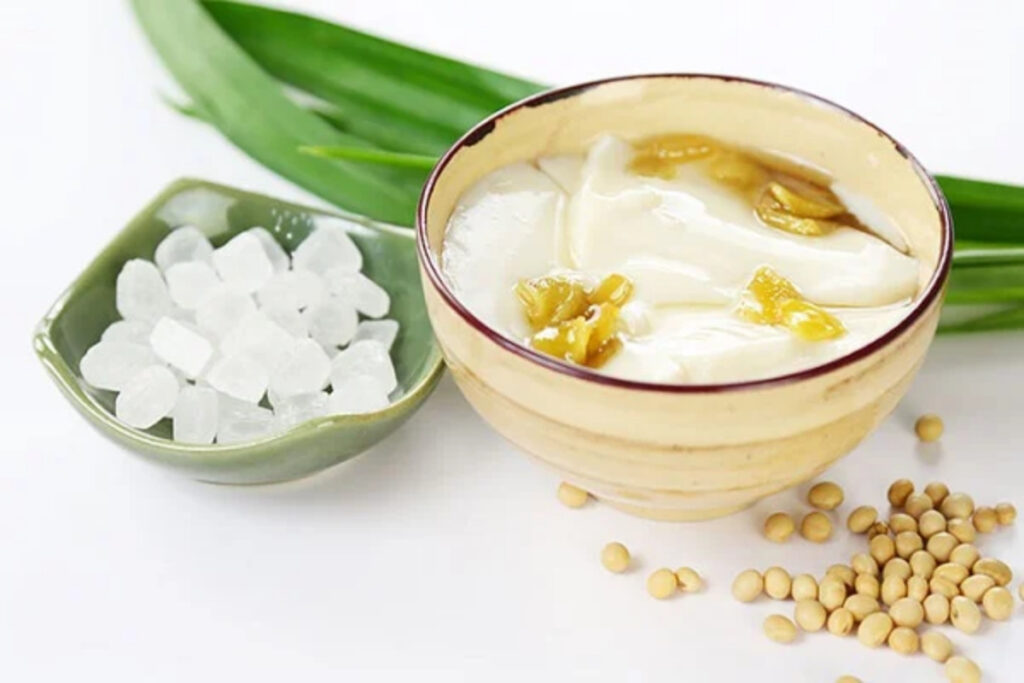
Silky tofu served warm with ginger syrup or cold with coconut milk.
Light, delicate, and perfect after a large meal.
Warm on cool mornings or chilled during summer afternoons, tàu hũ is a comforting dessert that locals enjoy throughout the year.
18. Trái Cây Dầm (Mixed Tropical Fruit Dessert)
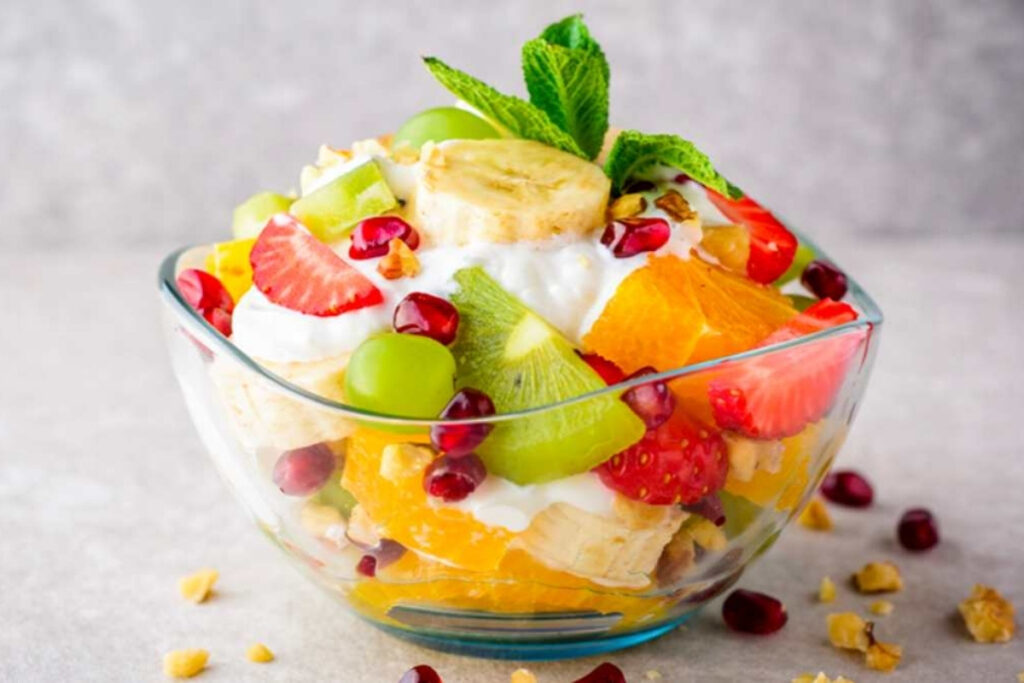
Vietnam’s tropical fruit salad.
Often includes:
- Mango
- Watermelon
- Dragon fruit
- Papaya
- Avocado
- Jackfruit
Mixed with condensed milk, coconut milk, or yogurt.
Fresh, colorful, and ideal during hot weather.
The exact ingredients change throughout the year depending on what’s freshly harvested, meaning no two bowls are ever quite the same.
19. Rau Câu (Vietnamese Jelly Dessert)
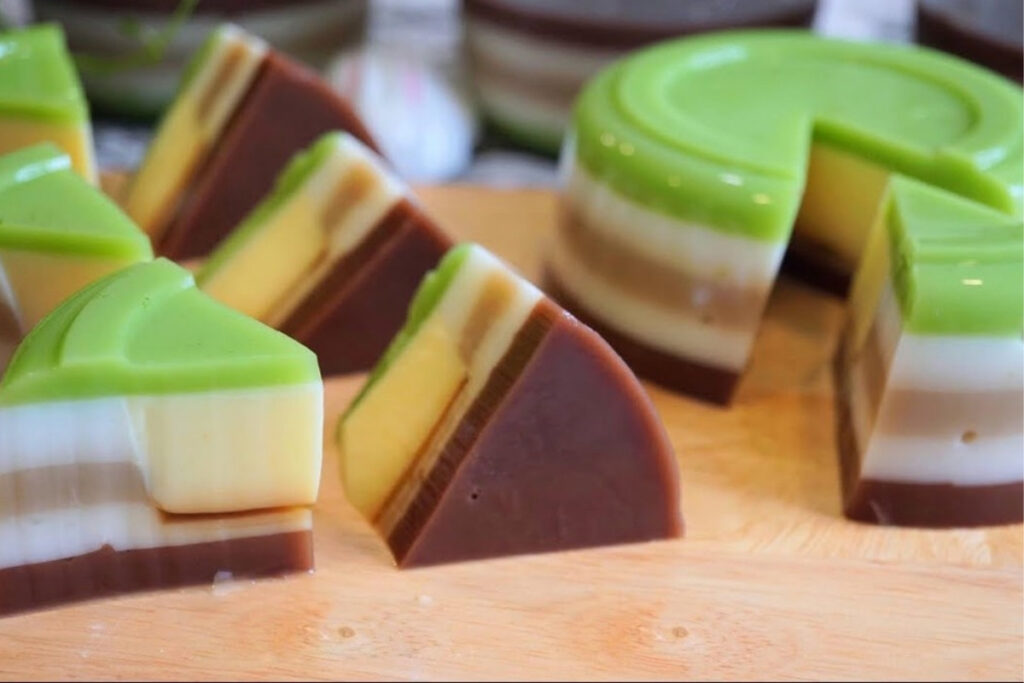
Vietnamese jelly desserts come in countless varieties.
Popular flavors include:
- Coconut
- Coffee
- Pandan
- Mango
- Passion fruit
They’re commonly served at family celebrations.
Colorful jelly desserts frequently appear at birthday parties, family gatherings, and holiday celebrations, making them a nostalgic favorite for many Vietnamese families.
20. Kem Xôi
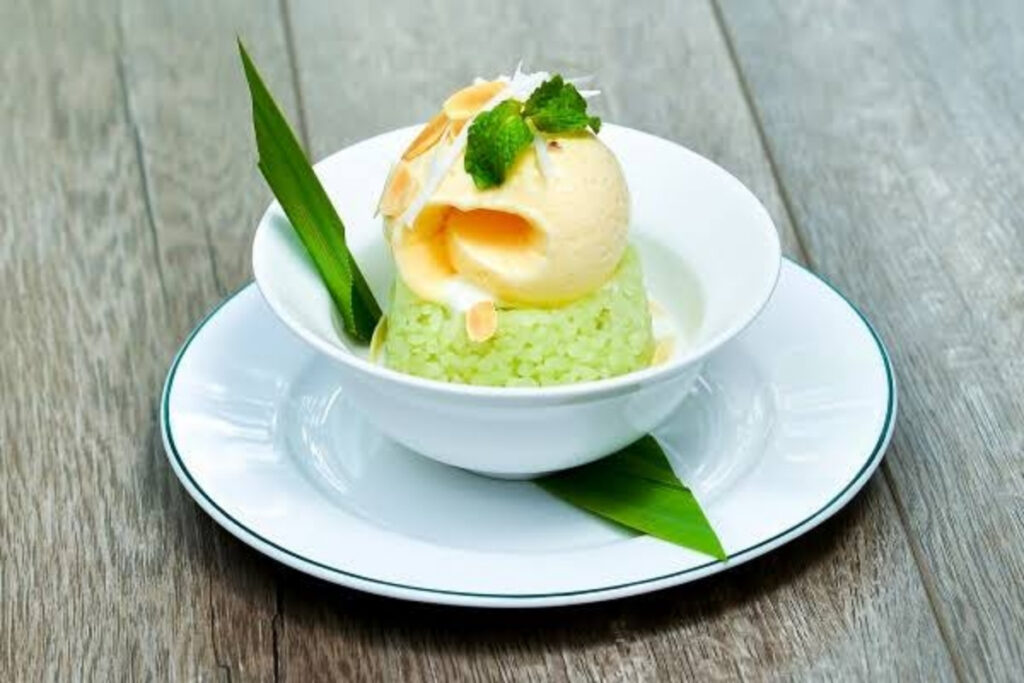
A Hanoi favorite.
Hanoi’s cooler evenings make the contrast between warm sticky rice and cold ice cream especially satisfying, which helps explain why kem xôi remains a local favorite long after dinner.
Vanilla or coconut ice cream sits on warm sticky rice topped with toasted coconut.
The contrast between hot and cold makes it unforgettable.
If you’re visiting Hanoi and only have time for one local dessert after dinner, kem xôi is an excellent choice. The contrast between warm sticky rice and cold ice cream creates a combination that’s uniquely Vietnamese and surprisingly addictive.
Local Recommendation
Many locals enjoy kem xôi after dinner while walking around Hoan Kiem Lake, making it a perfect evening dessert during a visit to Hanoi.
Regional Dessert Specialties
Best Cities for Dessert Lovers in Vietnam
Each region offers a different dessert experience.
- Hanoi is known for traditional sweets such as bánh cốm, kem xôi, and warm chè enjoyed during cooler months.
- Hue is famous for its refined royal-inspired chè, often prepared with lotus seeds and seasonal ingredients.
- Ho Chi Minh City offers the country’s widest variety of modern and traditional desserts, from colorful chè stalls to coconut ice cream cafés.
- Ben Tre is the best destination for coconut-based desserts thanks to its extensive coconut plantations.
Northern Vietnam
Known for subtle sweetness and traditional festival desserts.
Don’t miss:
- Bánh Cốm
- Kem Xôi
- Bánh Trôi
- Sữa Chua Nếp Cẩm
Central Vietnam
Home to Vietnam’s royal culinary traditions.
Look for:
- Huế-style chè
- Lotus seed desserts
- Sesame sweets
Southern Vietnam
The country’s dessert capital.
Expect abundant coconut milk, tropical fruits, colorful jellies, and iced desserts.
Popular choices include:
- Chè Ba Màu
- Chè Thái
- Kem Dừa
- Trái Cây Dầm
Dessert Map by Region
| Region | Signature Desserts |
|---|---|
| Northern Vietnam | Bánh Cốm, Kem Xôi, Bánh Trôi, Sữa Chua Nếp Cẩm |
| Central Vietnam | Lotus Seed Chè, Huế Royal Chè, Sesame Candies |
| Southern Vietnam | Chè Ba Màu, Chè Thái, Kem Dừa, Trái Cây Dầm |
Where to Find the Best Vietnamese Desserts
The best sweets aren’t always found in dessert shops.
Instead, explore:
- Traditional street markets
- Family-run chè stalls
- Neighborhood cafés
- Night markets
- Local bakeries
- Food courts
- Old-town dessert vendors
Many shops specialize in just one dessert perfected over decades.
Typical Prices
Most traditional Vietnamese desserts cost between 15,000 and 50,000 VND ($0.60–2 USD) depending on the location and ingredients, making dessert tasting one of the most affordable culinary experiences in Vietnam.
What to Expect When Ordering
Many dessert stalls display dozens of colorful ingredients behind glass counters. If you’re unsure what to choose, simply ask for the shop’s most popular combination or point to what looks appealing. Portions are usually inexpensive, making it easy to sample several desserts during one visit.
Vietnamese Dessert Etiquette
A few customs can enhance the experience:
- Desserts are often enjoyed as an afternoon snack rather than after dinner.
- Many sweet soups can be ordered hot or cold.
- Sharing several desserts is common, allowing everyone to sample different flavors.
- Don’t hesitate to ask vendors for seasonal specialties, which often showcase the freshest local ingredients.
Seasonal Vietnamese Desserts
Some treats are best enjoyed at particular times of year:
| Season | Desserts |
|---|---|
| Spring | Bánh Trôi, Chè Trôi Nước |
| Summer | Chè Ba Màu, Kem Dừa, Trái Cây Dầm |
| Autumn | Bánh Cốm, Lotus Seed Chè |
| Winter | Warm Ginger Sweet Soups, Tàu Hũ |
Tips for First-Time Visitors
If you’re new to Vietnamese desserts:
- Start with familiar flavors like flan or coconut ice cream.
- Try one type of chè before exploring more adventurous combinations.
- Visit busy stalls where ingredients turn over quickly.
- Embrace seasonal fruits—Vietnam’s tropical produce is often the highlight of many desserts.
- Don’t be surprised if dessert is served with crushed ice, beans, or sticky rice; these combinations are central to Vietnamese culinary traditions.
Best Time of Day to Eat Vietnamese Desserts
- Morning: Xôi Ngọt, Tàu Hũ
- Afternoon: Chè, Chè Ba Màu, Bánh Flan
- Evening: Kem Xôi, Kem Dừa, Trái Cây Dầm
Common Mistakes First-Time Visitors Make
Many travelers skip dessert because they assume Vietnamese cuisine focuses mainly on savory dishes. Others only try desserts at tourist restaurants, missing the incredible variety available at neighborhood markets and long-established local vendors.
Another common mistake is expecting Western-style cakes or pastries. Vietnamese desserts celebrate natural ingredients, subtle sweetness, and contrasting textures instead of rich butter or cream.
Final Thoughts
Vietnamese desserts reflect the same balance, freshness, and regional diversity that define the country’s cuisine as a whole. Rather than relying on heavy creams or refined sugar, they celebrate local ingredients—from fragrant pandan and creamy coconut to tropical fruits harvested at peak ripeness.
Whether you’re cooling off with a bowl of chè ba màu in Ho Chi Minh City, enjoying bánh cốm with tea in Hanoi, or sharing kem dừa on a warm evening by the beach, each dessert offers a glimpse into Vietnam’s everyday food culture.
For many travelers, these sweet moments become some of the most memorable flavors of the journey—and a reminder that Vietnam’s culinary treasures extend well beyond its famous bowls of pho and bánh mì.
Long after visitors forget the names of every dessert they tried, they often remember something else: sitting on a tiny plastic stool, sharing a bowl of chè with friends, and realizing that in Vietnam, dessert isn’t simply the end of a meal—it’s part of everyday life.
My Personal Favorites
After trying dozens of desserts across Vietnam, these are the ones I recommend most to first-time visitors:
🥇 Chè Ba Màu
🥈 Kem Dừa
🥉 Bánh Cốm
Best for adventurous eaters:
✅ Chè Bưởi
Best for hot weather:
✅ Trái Cây Dầm
Best traditional dessert:
✅ Bánh Phu Thê
Frequently Asked Questions
What is the most popular Vietnamese dessert?
Chè is the most iconic Vietnamese dessert. It encompasses hundreds of sweet soups and puddings made with beans, coconut milk, fruits, sticky rice, and jellies, enjoyed throughout the country.
Are Vietnamese desserts very sweet?
Generally no. Compared with many Western desserts, Vietnamese sweets are lighter and rely on natural ingredients like coconut, tropical fruit, beans, and pandan, creating a more balanced sweetness.
What dessert should first-time visitors try?
For a first visit, try chè ba màu, kem dừa, bánh flan, and bánh da lợn. Together they showcase the variety of textures and flavors found in Vietnamese desserts.
Are there vegan Vietnamese desserts?
Yes. Many traditional desserts are naturally vegan or can be made without dairy, using coconut milk instead. Examples include many types of chè, sticky rice desserts, fruit desserts, and pandan jelly.
Where can I find authentic Vietnamese desserts?
The best places are neighborhood chè shops, traditional markets, street food stalls, night markets, and long-established local cafés. These venues often prepare recipes passed down through generations.
Can I eat Vietnamese desserts if I’m lactose intolerant?
Many traditional desserts use coconut milk instead of dairy, making them suitable for people who avoid lactose. However, desserts containing yogurt, condensed milk, or flan should be checked individually.
Which Vietnamese desserts are vegan?
Many varieties of chè, tàu hũ, rau câu, and fruit desserts can be vegan, although some vendors add condensed milk or yogurt.
What is the best dessert souvenir from Vietnam?
Bánh đậu xanh, bánh cốm, sesame candies, and coconut candies are among the easiest traditional sweets to take home.
Which desserts are served hot?
Chè trôi nước, tàu hũ, and some regional varieties of chè are commonly served warm.
Are Vietnamese desserts expensive?
Not at all. Most traditional desserts cost less than $2 USD, making them an affordable way to explore Vietnam’s culinary culture.
Which dessert is best for children?
Kem dừa, bánh flan, trái cây dầm, and chè ba màu are usually popular choices thanks to their mild sweetness and colorful presentation.
If Vietnamese desserts have sparked your appetite, continue exploring the country’s incredible food culture through our guides to Vietnam’s best street food, regional specialties, traditional coffee, and local markets. Together, they offer a deeper understanding of why Vietnam has become one of Asia’s most exciting culinary destinations.
If you’re planning your first trip to Vietnam, our Vietnam Visa Guide explains entry requirements and travel preparation. Travelers looking to build a complete itinerary should also explore our Best Places to Visit in Vietnam guide, while our Vietnam Transportation Guide helps visitors navigate the country efficiently.
For accommodation recommendations, see our Best Hotels in Vietnam and Best Resorts in Vietnam guides. Travelers interested in longer stays can also explore our Best Places for Digital Nomads in Vietnam article for destination-specific insights.
These internal guides help travelers better understand transportation, budgeting, itineraries, accommodation, and local travel experiences across Vietnam.
The most memorable trips in Vietnam are rarely the ones that move the fastest.
If you enjoy slower, experience-focused travel, we also share local insights, food experiences, and practical Vietnam travel advice through our YouTube channel:
TAM VOC VIET – VIETNAM INSIGHTS
About This Guide
This guide was researched and updated after multiple food-focused trips across Vietnam between 2023 and 2026. The featured desserts were explored through visits to traditional markets, family-run dessert shops, neighborhood cafés, and regional food destinations across Hanoi, Hue, Da Nang, Hoi An, Ho Chi Minh City, Ben Tre, and the Mekong Delta.
Recommendations combine firsthand travel experiences, conversations with local vendors, regional culinary research, and practical tips designed specifically for international travelers planning a food-focused journey through Vietnam.
