


 Tiếng Việt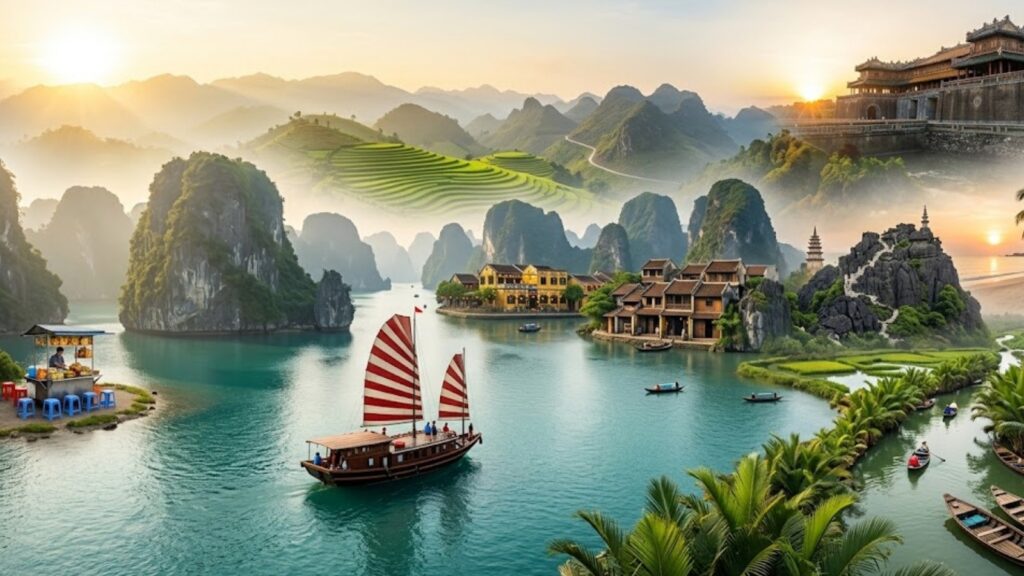
Vietnam is one of Southeast Asia’s most rewarding travel destinations.
Stretching from the mountains near China to the tropical waters of the Gulf of Thailand, the country offers an incredible variety of experiences packed into a relatively small geographic area. Travelers can explore ancient towns, cruise through dramatic limestone bays, hike mountain rice terraces, taste world-famous street food, relax on tropical beaches, and discover a culture shaped by thousands of years of history.
What makes Vietnam especially appealing is that many of its best experiences remain affordable compared to other popular destinations in Asia.
Whether you’re planning a two-week adventure or a month-long journey, these are the best things to do in Vietnam.
Why Trust This Guide

Vietnam is one of the most diverse travel destinations in Southeast Asia, and planning a trip can feel overwhelming for first-time visitors.
This guide combines destination research, local recommendations, and first-hand travel observations collected across Vietnam between 2023 and 2026. The featured experiences are based on visits to major destinations including Hanoi, Ha Long Bay, Ninh Binh, Sapa, Ha Giang, Hue, Da Nang, Hoi An, Ho Chi Minh City, the Mekong Delta, and Phu Quoc.
Rather than focusing only on famous landmarks, we’ve included cultural experiences, local food traditions, scenic routes, lesser-known destinations, and practical travel insights that help visitors experience Vietnam beyond typical tourist itineraries.
Whether you’re planning your first trip to Vietnam or looking for new places to explore, this guide highlights experiences that consistently rank among the most memorable for international travelers.
What Are the Best Things to Do in Vietnam?
The best things to do in Vietnam include cruising through Ha Long Bay, exploring Hanoi’s Old Quarter, visiting Hoi An Ancient Town, trekking the rice terraces of Sapa, riding the Ha Giang Loop, experiencing Vietnamese street food, discovering the Mekong Delta, relaxing on Phu Quoc Island, and exploring the caves of Phong Nha. These experiences showcase Vietnam’s unique mix of culture, history, food, nature, and adventure.
Top 10 Things to Do in Vietnam
✅ Cruise Ha Long Bay
✅ Explore Hoi An Ancient Town
✅ Visit Hanoi’s Old Quarter
✅ Trek Through Sapa
✅ Ride the Ha Giang Loop
✅ Experience Vietnamese Street Food
✅ Visit Ninh Binh
✅ Explore Hue’s Imperial City
✅ Discover the Mekong Delta
✅ Relax on Phu Quoc Island
Table of Contents
1. Cruise Through Ha Long Bay

No Vietnam bucket list would be complete without visiting Ha Long Bay, one of the country’s most iconic natural wonders.
Thousands of limestone islands rise dramatically from emerald waters, creating one of the most recognizable landscapes in Asia.
The best way to experience the bay is on an overnight cruise, allowing time to kayak through hidden lagoons, explore caves, and watch sunrise over the karst formations.
Travel Tip:
Choose a 2-day or 3-day cruise for a quieter experience beyond the busiest tourist routes.
Travelers planning an overnight cruise can also read our complete Ha Long Bay Travel Guide for itinerary ideas and practical tips.
2. Wander the Ancient Streets of Hoi An

Hoi An is arguably Vietnam’s most charming destination.
Its lantern-lined streets, yellow colonial buildings, riverside cafés, and preserved trading houses create an atmosphere unlike anywhere else in the country.
At night, thousands of colorful lanterns illuminate the old town, transforming it into one of Vietnam’s most photogenic locations.
Don’t Miss:
- Japanese Covered Bridge
- Riverside lantern festival
- Traditional tailor shops
- Local cooking classes
See our detailed Hoi An Travel Guide for lantern festivals, local food recommendations, and accommodation suggestions.
3. Experience Hanoi’s Old Quarter

Vietnam’s capital is chaotic, fascinating, and full of character.
The Old Quarter offers travelers an authentic glimpse into local life, where motorbikes, street vendors, ancient temples, and modern cafés coexist within narrow streets that have existed for centuries.
Walking through Hanoi is an experience in itself.
Top Experiences:
- Try traditional pho for breakfast
- Visit Hoan Kiem Lake
- Watch a water puppet performance
- Explore hidden alleyways and local markets
Food lovers should also explore our Vietnam Coffee Culture Guide and Hanoi Food Guide.
4. Ride the Hai Van Pass

Often called the most scenic coastal road in Vietnam, the Hai Van Pass delivers spectacular views of mountains meeting the sea.
Made famous internationally by television travel shows, the route connects Da Nang and Hue.
Travelers can ride motorbikes, join guided tours, or hire private drivers.
Why It’s Special:
The pass combines ocean views, jungle-covered mountains, historic military bunkers, and winding roads in one unforgettable journey.
5. Explore the Imperial City of Hue

Hue served as Vietnam’s imperial capital during the Nguyen Dynasty.
Today, travelers can visit palaces, temples, royal tombs, and ancient citadels that showcase the country’s royal heritage.
History enthusiasts often consider Hue one of Vietnam’s most culturally important destinations.
Highlights:
- Imperial Citadel
- Tomb of Emperor Khai Dinh
- Perfume River
- Thien Mu Pagoda
6. Trek Through Sapa’s Rice Terraces
Northern Vietnam offers some of Southeast Asia’s most stunning mountain scenery.
Sapa’s terraced rice fields change dramatically with the seasons, creating breathtaking landscapes that attract photographers and hikers from around the world.
Multi-day treks also provide opportunities to learn about the region’s ethnic minority communities.
Best Time to Visit:
September and October during the golden harvest season.

7. Discover the Ha Giang Loop
For adventurous travelers, few experiences rival the Ha Giang Loop.
This multi-day motorcycle route winds through some of Vietnam’s most remote and dramatic mountain landscapes.
Massive limestone peaks, deep valleys, and traditional villages make it one of the country’s most memorable adventures.
Good to Know:
Even travelers without riding experience can join tours with local drivers.
8. Eat Street Food Like a Local

Food is one of the biggest reasons travelers fall in love with Vietnam.
From tiny roadside stalls to bustling night markets, the country’s street food culture is among the world’s best.
Must-Try Dishes:
- Pho
- Bun Cha
- Banh Mi
- Bun Bo Hue
- Cao Lau
- Fresh Spring Rolls
Many visitors consider food tours among the best things to do in Vietnam because they combine culture, history, and local life.
9. Visit the Mekong Delta

The Mekong Delta offers a completely different side of Vietnam.
Life here revolves around waterways, canals, and fertile farmland.
Travelers can explore floating markets, fruit orchards, small villages, and river communities.
Popular Activities:
- Boat tours
- Cycling through villages
- Tropical fruit tasting
- Local homestays
Our Food Markets in Vietnam guide explores several traditional markets throughout the Mekong region.
10. Relax on Phu Quoc Island

Vietnam’s largest island has become one of Southeast Asia’s fastest-growing beach destinations.
Phu Quoc offers white-sand beaches, crystal-clear waters, snorkeling, diving, and luxury resorts.
Despite increasing development, parts of the island still retain a laid-back tropical atmosphere.
11. Visit Da Nang’s Beaches

Da Nang combines modern city life with beautiful beaches.
My Khe Beach regularly appears on lists of Asia’s best urban beaches thanks to its soft sand and long coastline.
The city also serves as an excellent base for exploring central Vietnam.
12. Explore the World’s Largest Cave System

Phong Nha-Ke Bang National Park is home to some of the most extraordinary caves on Earth.
Adventure travelers can explore massive underground rivers, limestone chambers, and cave networks unlike anything else in Southeast Asia.
The park contains Son Doong Cave, recognized as the world’s largest cave.
13. Take a Coffee Journey Through Vietnam

Vietnam is the world’s second-largest coffee producer, and coffee culture is deeply woven into everyday life.
Travelers should try:
- Egg Coffee
- Coconut Coffee
- Vietnamese Iced Coffee
- Salt Coffee
Each region offers its own interpretation of Vietnam’s coffee traditions.
14. Watch the Lanterns Along the Thu Bon River
One of the most magical experiences in Vietnam occurs after sunset in Hoi An.
Small wooden boats glide along the river while lanterns float on the water, creating a scene that feels timeless and unforgettable.
15. Visit Ninh Binh’s Limestone Landscapes

Often called “Ha Long Bay on land,” Ninh Binh features towering karst mountains rising from rice fields and winding rivers.
Boat rides through Trang An and Tam Coc are among Vietnam’s most scenic experiences.
16. Explore Ho Chi Minh City’s Energy

Vietnam’s largest city represents the country’s modern, entrepreneurial spirit.
Skyscrapers, rooftop bars, historical landmarks, and incredible food create an exciting urban atmosphere.
Top Attractions:
- Ben Thanh Market
- War Remnants Museum
- Notre Dame Cathedral Area
- Nguyen Hue Walking Street
17. Experience Vietnam’s Night Markets
Night markets provide a vibrant introduction to local food and culture.
Popular destinations include:
- Hanoi Weekend Night Market
- Hoi An Night Market
- Da Nang Night Market
- Phu Quoc Night Market
18. Learn About Vietnam’s History

Vietnam’s history spans thousands of years and includes periods of dynastic rule, colonial influence, and modern transformation.
Museums, temples, historical sites, and cultural centers throughout the country provide valuable context for understanding modern Vietnam.
19. Join a Vietnamese Cooking Class
Cooking classes remain one of the most popular cultural experiences for international visitors.
Many classes begin with local market tours before teaching participants how to prepare authentic Vietnamese dishes.
20. Chase Sunrises and Sunsets Across Vietnam
Vietnam’s diverse geography offers incredible opportunities for photography.
Some of the best locations include:
- Ha Long Bay
- Sapa
- Ninh Binh
- Mui Ne
- Phu Quoc
- Hoi An
21. Visit the Golden Bridge at Ba Na Hills

Few attractions in Vietnam have gained international attention as quickly as the Golden Bridge.
Located in the mountains above Da Nang, this extraordinary pedestrian bridge appears to be held up by two giant stone hands emerging from the hillside. Since opening, it has become one of the most photographed landmarks in Southeast Asia and a highlight on many Vietnam bucket lists.
The bridge sits within the Ba Na Hills resort complex, where visitors can also explore European-inspired architecture, gardens, cable cars, and panoramic mountain views.
While the bridge can become crowded during peak hours, visiting early in the morning offers a more peaceful experience and better photography opportunities.
Why Visit?
- One of Vietnam’s most iconic landmarks
- Spectacular mountain scenery
- Easy day trip from Da Nang or Hoi An
- Incredible photography opportunities
22. Explore Vietnam’s Floating Markets
Long before roads connected much of the Mekong Delta, rivers served as the region’s primary transportation network.
Today, floating markets remain one of the most fascinating cultural experiences in southern Vietnam.
At sunrise, dozens of boats gather to trade fruits, vegetables, flowers, and local products directly on the water. Vendors advertise their goods by hanging samples from tall bamboo poles, creating a colorful and uniquely Vietnamese scene.
The most famous markets include Cai Rang Floating Market near Can Tho and the smaller Phong Dien Floating Market.
Although modernization has reduced the number of traditional floating markets, they still offer an authentic glimpse into local life that many travelers never forget.
Travel Tip
Join a sunrise boat tour for the most authentic experience and the best photographs.
23. Sandboard Across the Dunes of Mui Ne

Most travelers don’t expect to find desert-like landscapes in Vietnam.
That’s what makes Mui Ne so surprising.
Located along the country’s southeastern coast, Mui Ne is famous for its vast sand dunes that resemble landscapes more commonly associated with North Africa or the Middle East.
The White Sand Dunes offer opportunities for sandboarding, ATV rides, and spectacular sunrise photography, while the Red Sand Dunes provide beautiful sunset views overlooking the coastline.
Many visitors combine dune exploration with a jeep tour that also includes the Fairy Stream and local fishing villages.
Don’t Miss
- White Sand Dunes at sunrise
- Sandboarding adventures
- Red Sand Dunes at sunset
- Coastal jeep tours
24. Take the Reunification Express Train
Flying may be faster, but traveling by train offers one of the most rewarding ways to experience Vietnam.
The Reunification Express railway stretches from Hanoi to Ho Chi Minh City, connecting many of the country’s most important destinations along the way.
The route passes through coastal villages, rice paddies, mountain landscapes, and some of Vietnam’s most scenic stretches of coastline.
One of the most spectacular segments is the journey between Hue and Da Nang, where the train winds around the Hai Van Pass with sweeping ocean views.
For travelers seeking a slower and more immersive journey, few experiences capture the beauty and diversity of Vietnam quite like train travel.
Best Route
Hue to Da Nang is widely considered the most scenic train ride in Vietnam.
25. Stay With a Local Family
While famous landmarks attract visitors to Vietnam, meaningful cultural connections often become the most memorable part of a trip.
Homestays allow travelers to experience daily life through the eyes of local families.
Guests may share traditional meals, learn regional customs, help prepare food, or simply spend time exchanging stories with their hosts.
Popular homestay destinations include Sapa, Ha Giang, Mai Chau, and villages throughout the Mekong Delta.
For travelers seeking authentic Vietnam experiences, few activities provide a deeper understanding of the country’s culture and people.
Why Travelers Love It
- Authentic cultural immersion
- Traditional home-cooked meals
- Support for local communities
- Unique experiences beyond tourist attractions
26. Escape to Cat Ba Island

While Ha Long Bay attracts most international attention, Cat Ba Island offers many of the same stunning limestone landscapes with a more relaxed atmosphere.
The island serves as a gateway to Lan Ha Bay, a beautiful area often considered less crowded than neighboring Ha Long Bay.
Visitors can kayak through hidden lagoons, cycle through rural villages, relax on quiet beaches, or hike inside Cat Ba National Park.
For travelers who want spectacular scenery without the busiest tourist crowds, Cat Ba is one of Vietnam’s best-kept secrets.
Top Experiences
- Lan Ha Bay cruises
- Kayaking adventures
- Cat Ba National Park hikes
- Beach relaxation
27. Explore the Peaceful Valley of Mai Chau
Nestled among emerald mountains in northern Vietnam, Mai Chau offers a quieter alternative to some of the country’s more visited destinations.
The valley is known for its rice fields, stilt-house villages, and welcoming ethnic minority communities.
Cycling through the countryside remains one of the best ways to explore the area, allowing visitors to experience daily rural life at a slower pace.
Unlike larger tourist destinations, Mai Chau rewards travelers seeking tranquility, authentic culture, and beautiful scenery.
Best For
- Slow travel
- Cycling adventures
- Cultural immersion
- Traditional village experiences
28. Discover Vietnam’s Ethnic Minority Cultures
Vietnam is home to more than 50 officially recognized ethnic groups, each with its own language, traditions, clothing, architecture, and cultural heritage.
Travelers who venture beyond major cities can encounter extraordinary cultural diversity, particularly in northern mountain regions such as Sapa, Ha Giang, Bac Ha, and Mai Chau.
Traditional markets, seasonal festivals, handicraft workshops, and village visits provide opportunities to learn about communities that have preserved their customs for generations.
Understanding this diversity adds depth and meaning to any journey through Vietnam.
Cultural Highlights
- Traditional hill tribe markets
- Handmade textile workshops
- Local festivals and celebrations
- Village trekking experiences
Why Vietnam Belongs on Every Traveler’s Bucket List
Few countries offer the variety of experiences found in Vietnam.
In a single trip, travelers can cruise through world-famous bays, trek mountain rice terraces, wander ancient towns, relax on tropical beaches, sample extraordinary street food, explore massive cave systems, and connect with cultures that have evolved over thousands of years.
Whether you’re visiting for ten days or a month, Vietnam delivers unforgettable experiences that continue to inspire travelers long after they return home.
Essential Vietnam Travel Tips for First-Time Visitors
Planning your first trip to Vietnam can be exciting, but understanding a few local travel basics will help you enjoy a smoother experience.
Visa Requirements
Vietnam’s visa requirements vary depending on nationality and length of stay. Many international travelers can apply online through Vietnam’s electronic visa system before arrival.
Always check the latest visa regulations before booking flights, as entry requirements may change.
Currency and Payments
The local currency is the Vietnamese Dong (VND).
Cash is still widely used throughout Vietnam, especially at local restaurants, traditional markets, and smaller businesses. However, credit cards are commonly accepted in hotels, upscale restaurants, and larger tourist establishments.
ATMs are widely available in cities and popular tourist destinations.
Getting Around Vietnam
Vietnam’s transportation network makes it relatively easy to travel between regions.
Popular options include:
- Domestic flights for long distances
- Overnight trains between major cities
- Tourist buses and sleeper buses
- Ride-hailing apps in urban areas
- Private drivers for regional exploration
For many travelers, combining flights with train journeys provides the best balance of convenience and experience.
Internet and SIM Cards
Vietnam offers some of the most affordable mobile data plans in Asia.
Travelers can easily purchase local SIM cards at airports, convenience stores, and mobile service shops. Reliable internet access is available throughout most cities, tourist destinations, and even many rural areas.
Safety Tips
Vietnam is generally considered a safe destination for international visitors.
Basic precautions include:
- Keep valuables secure in crowded areas
- Use reputable transportation providers
- Carry small amounts of cash when exploring markets
- Be cautious when crossing busy streets in large cities
Most visitors find Vietnam welcoming, friendly, and easy to navigate.
Budget Expectations
Vietnam can accommodate nearly every travel style.
Budget travelers often spend between $25–50 USD per day.
Mid-range travelers typically spend $60–150 USD per day.
Luxury travelers can enjoy high-end hotels, private tours, and premium dining experiences at prices that are often significantly lower than comparable destinations in Europe or North America.
Useful Travel Apps
Many travelers find these apps helpful during their trip:
- Google Maps
- Google Translate
- Grab
- Booking.com
- Agoda
Having these apps installed before arrival can make transportation, accommodation, and communication considerably easier.
Common Travel Mistakes to Avoid
Many first-time visitors try to cover too much of Vietnam in a short period.
Rather than rushing through every destination, focus on a few regions and allow time to experience local culture, food, and daily life.
Vietnam rewards slow travel far more than checklist tourism.
Sample Vietnam Itinerary
If you have two weeks in Vietnam, consider this route:
Days 1–3: Hanoi
Days 4–5: Ha Long Bay
Days 6–8: Sapa or Ha Giang
Days 9–10: Hue & Da Nang
Days 11–12: Hoi An
Days 13–14: Ho Chi Minh City
This itinerary combines culture, food, nature, history, and adventure.
Best Time to Visit Vietnam
One of the most common questions travelers ask is: When is the best time to visit Vietnam?
The answer depends on where you plan to go.
Because Vietnam stretches over 1,600 kilometers (1,000 miles) from north to south, weather conditions can vary significantly between regions. It is possible to experience cool mountain temperatures in the north while enjoying tropical beach weather in the south on the same day.
Overall Best Time to Visit Vietnam
For most travelers, the best time to visit Vietnam is between March and April.
During these months, much of the country enjoys pleasant temperatures, lower humidity, and relatively little rainfall. This period is ideal for exploring major destinations such as Hanoi, Ha Long Bay, Ninh Binh, Hoi An, Da Nang, and Ho Chi Minh City.
Vietnam Weather by Region
Northern Vietnam (Hanoi, Ha Long Bay, Ninh Binh, Sapa, Ha Giang)
Best Time: September to November and March to May
Northern Vietnam experiences four distinct seasons.
Autumn (September–November) offers clear skies, cooler temperatures, and beautiful scenery, making it one of the most popular times to visit.
Spring (March–May) brings comfortable weather and blooming landscapes.
Winter months (December–February) can be surprisingly chilly, especially in mountainous regions like Sapa and Ha Giang.
Central Vietnam (Hue, Da Nang, Hoi An)
Best Time: February to August
Central Vietnam enjoys long periods of sunshine and warm temperatures.
Beach destinations such as Da Nang and Hoi An are particularly attractive from March through July.
Heavy rainfall and occasional storms are more common between September and November.
Southern Vietnam (Ho Chi Minh City, Mekong Delta, Phu Quoc)
Best Time: December to April
Southern Vietnam remains warm throughout the year.
The dry season brings sunny weather, making it ideal for city exploration, island vacations, and river cruises.
The rainy season usually runs from May through November, although showers are often brief and followed by sunshine.
Best Time for Specific Experiences
Best Time for Trekking in Sapa
September and October offer stunning golden rice terraces during harvest season.
March and April provide pleasant hiking conditions with fewer crowds.
Best Time for Ha Giang Loop
September through November is widely considered the best period thanks to cool weather and clear mountain views.
Best Time for Beaches
For beach vacations in Da Nang, Hoi An, Nha Trang, and Phu Quoc, the dry season between February and August generally provides the most reliable weather.
Best Time for Food Lovers
Vietnam’s food culture can be enjoyed year-round. However, cooler months in Hanoi from October to March are particularly enjoyable for street food exploration.
Is Vietnam Worth Visiting During the Rainy Season?
Absolutely.
Many travelers are surprised to discover that Vietnam’s rainy season does not usually mean constant rain.
In many areas, rainfall occurs as short afternoon showers rather than all-day storms. Travelers often benefit from lower prices, fewer crowds, and greener landscapes during these months.
For budget-conscious travelers, the rainy season can actually be one of the best times to visit Vietnam.
Frequently Asked Questions About Visiting Vietnam
What are the best things to do in Vietnam for first-time visitors?
First-time visitors should prioritize experiences that showcase Vietnam’s diversity. Popular choices include cruising Ha Long Bay, exploring Hanoi’s Old Quarter, visiting Hoi An Ancient Town, trekking in Sapa, enjoying street food tours, and discovering Ho Chi Minh City.
How many days do you need in Vietnam?
A minimum of 10 to 14 days is recommended for first-time travelers.
This allows enough time to experience northern, central, and southern Vietnam without feeling rushed.
Travelers with three weeks or more can explore destinations such as Ha Giang, Phong Nha, and the Mekong Delta in greater depth.
Is Vietnam safe for tourists?
Vietnam is generally considered one of the safest destinations in Southeast Asia.
Violent crime involving tourists is rare. As with any destination, travelers should remain aware of their surroundings and take precautions against petty theft in crowded areas.
What is Vietnam famous for?
Vietnam is famous for its spectacular natural landscapes, rich cultural heritage, vibrant street food scene, coffee culture, rice terraces, tropical beaches, and historic cities such as Hanoi, Hue, and Hoi An.
What is the most beautiful place in Vietnam?
This depends on personal preference, but Ha Long Bay, Sapa, Ha Giang, Ninh Binh, Phong Nha, and Hoi An are consistently ranked among the most beautiful places in Vietnam.
Is Vietnam expensive to visit?
Compared to many destinations in North America, Europe, and Australia, Vietnam remains remarkably affordable.
Accommodation, transportation, food, and activities generally offer excellent value, making Vietnam one of the best budget-friendly destinations in Asia.
Can you travel Vietnam without speaking Vietnamese?
Yes.
English is commonly spoken in major tourist destinations, hotels, restaurants, and transportation hubs. Translation apps also make communication easy in more remote regions.
What food should I try in Vietnam?
Travelers should not miss:
- Pho
- Banh Mi
- Bun Cha
- Bun Bo Hue
- Cao Lau
- Fresh Spring Rolls
- Vietnamese Egg Coffee
- Vietnamese Iced Coffee
Food is one of the highlights of any trip to Vietnam and often becomes travelers’ favorite part of the experience.
Is Vietnam good for solo travelers?
Vietnam is one of the most popular destinations in Asia for solo travelers.
Its affordability, extensive transportation network, welcoming locals, and thriving backpacker community make it easy to travel independently.
What is the number one tourist attraction in Vietnam?
Ha Long Bay is widely regarded as Vietnam’s most iconic attraction and is often considered the country’s top tourist destination. However, many travelers also rank Hoi An, Sapa, Ninh Binh, and the Ha Giang Loop among their favorite experiences.
Still planning your trip?
You may also find our Vietnam itinerary guides, transportation resources, accommodation recommendations, and regional travel articles useful when building a complete Vietnam travel plan.
Final Thoughts on The Best Things to Do in Vietnam
The best things to do in Vietnam extend far beyond famous landmarks.
What truly makes Vietnam special is the combination of stunning landscapes, rich cultural traditions, world-class street food, welcoming people, and remarkable value for travelers.
Whether you’re cruising through Ha Long Bay, wandering lantern-lit streets in Hoi An, tasting pho in Hanoi, or riding through the mountains of Ha Giang, Vietnam consistently delivers experiences that remain memorable long after the trip ends.
For many travelers, Vietnam isn’t just another destination in Southeast Asia—it’s the place they can’t wait to return to.
If you’re planning your first trip to Vietnam, our Vietnam Visa Guide explains entry requirements and travel preparation. Travelers looking to build a complete itinerary should also explore our Best Places to Visit in Vietnam guide, while our Vietnam Transportation Guide helps visitors navigate the country efficiently.
For accommodation recommendations, see our Best Hotels in Vietnam and Best Resorts in Vietnam guides. Travelers interested in longer stays can also explore our Best Places for Digital Nomads in Vietnam article for destination-specific insights.
These internal guides help travelers better understand transportation, budgeting, itineraries, accommodation, and local travel experiences across Vietnam.
The most memorable trips in Vietnam are rarely the ones that move the fastest.
If you enjoy slower, experience-focused travel, we also share local insights, food experiences, and practical Vietnam travel advice through our YouTube channel:
TAM VOC VIET – VIETNAM INSIGHTS
Author Note
This guide is based on destination research and first-hand travel experiences across Vietnam between 2023 and 2026, including visits to Hanoi, Ha Long Bay, Ninh Binh, Sapa, Ha Giang, Hue, Da Nang, Hoi An, Ho Chi Minh City, the Mekong Delta, Mui Ne, Cat Ba Island, and Phu Quoc.
Recommendations were developed through direct observation, conversations with local residents, tourism professionals, guides, restaurant owners, and fellow travelers encountered throughout multiple journeys across the country.
Because travel conditions, transportation options, and visitor experiences can change over time, readers should verify opening hours, transportation schedules, and local regulations before traveling.
Our goal is to provide practical, experience-focused travel information that helps international visitors discover the best of Vietnam while supporting responsible and culturally respectful tourism.
