


 Tiếng Việt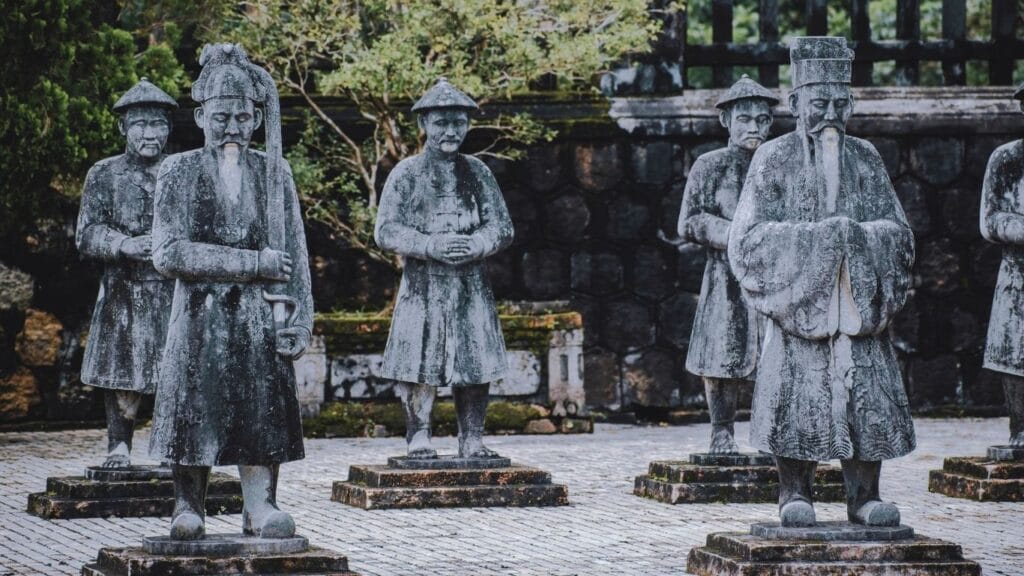
While modern Vietnam moves quickly with busy streets, skyscrapers, and nonstop energy, Hue preserves a quieter and more poetic side of the country — where ancient emperors once ruled beside the peaceful Perfume River.
Known as Vietnam’s former imperial capital, Hue offers a completely different travel experience compared to destinations like Hanoi or Ho Chi Minh City. Instead of nightlife and crowds, travelers come here for ancient citadels, royal tombs, Buddhist pagodas, incredible local food, and a calm atmosphere that feels deeply connected to Vietnamese history and culture.
Early mornings in Hue are peaceful and misty. Dragon boats slowly drift along the Perfume River while locals drink strong Vietnamese coffee beside quiet streets lined with old trees and faded yellow walls. By sunset, the city becomes soft, romantic, and incredibly photogenic.
This complete Hue Travel Guide covers the best things to do in Hue, where to eat, how many days to stay, travel tips, nearby attractions, and why Hue remains one of the most culturally rich destinations in Vietnam.
Table of Contents
Why Visit Hue?
Unlike many fast-developing cities in Southeast Asia, Hue still feels authentic, elegant, and deeply historical.
The city served as the capital of the Nguyen Dynasty — Vietnam’s last royal dynasty — from 1802 until 1945. Today, much of that imperial heritage still survives through ancient architecture, royal palaces, temples, gates, and mausoleums spread throughout the city.
What makes Hue truly special is the atmosphere.
Life moves slower here.
You will not find endless skyscrapers or chaotic nightlife. Instead, Hue offers peaceful riverside scenery, quiet pagodas filled with incense smoke, hidden cafés, imperial history, and some of the best traditional food in Vietnam.
One of the most rewarding parts of visiting Hue is simply slowing down.
Unlike Vietnam’s larger cities, Hue invites travelers to experience everyday life at a calmer pace — from quiet mornings beside the Perfume River to late evenings spent eating local dishes under soft yellow street lights.
Some travelers come for the imperial history, while others fall in love with the atmosphere itself: the scent of incense drifting from pagodas, the sound of rain against ancient walls, and the peaceful rhythm of local life that still feels deeply connected to Vietnam’s past.
For many visitors, Hue becomes one of the most memorable destinations in Vietnam because it feels genuine rather than overly commercialized.want a deeper cultural experience beyond beaches and nightlife.

Where Is Hue Located?
Hue is located in Central Vietnam along the country’s scenic coastline.
The city sits roughly:
- 2.5 hours north of Da Nang
- 3 hours from Hoi An
- Near the famous Hai Van Pass
Hue is surrounded by rivers, lagoons, mountains, beaches, and countryside villages, making it an excellent destination for both cultural sightseeing and scenic road trips through Central Vietnam.
Best Things to Do in Hue
Explore the Imperial City of Hue
The most famous attraction in Hue is the magnificent Imperial City of Hue.
Surrounded by massive stone walls and ancient gates, the Imperial City was once the political and cultural center of Vietnam’s emperors.
Walking through the complex feels like stepping back into another century.
Inside the citadel, visitors can explore:
- Ngo Mon Gate
- Thai Hoa Palace
- Forbidden Purple City
- Ancient temples
- Royal courtyards
- Historic gardens
The architecture blends Vietnamese tradition with Chinese and French influences, creating one of the most fascinating historical sites in Southeast Asia.
Visiting early in the morning is highly recommended, especially during summer when temperatures become very hot by midday.
Many travelers are surprised by how large and quiet the Imperial City actually feels once you move away from the main gates. Early mornings are especially beautiful, when soft sunlight hits the ancient walls and tour groups have not yet arrived.
If possible, spend extra time simply walking through the smaller courtyards and side pathways rather than rushing from one landmark to another.
Visit the Royal Tombs
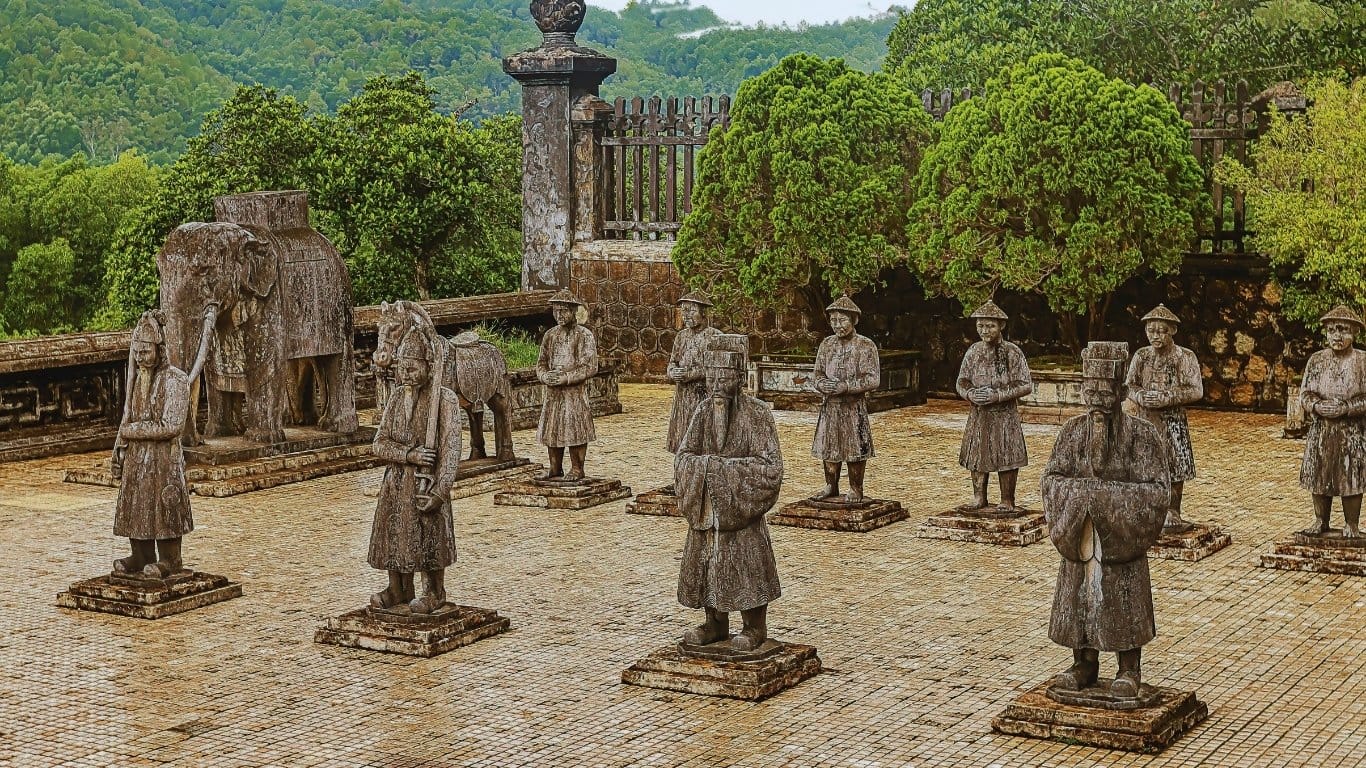
One of the most unique experiences in Hue is exploring the royal tombs of Nguyen emperors scattered throughout the countryside.
Each tomb has its own design, atmosphere, and personality.
Tomb of Khai Dinh
Tomb of Khai Dinh is famous for its dramatic architecture combining Vietnamese, Gothic, and European styles.
The interior is filled with colorful mosaics, intricate dragon decorations, and impressive royal artwork.
Tomb of Minh Mang
Surrounded by peaceful lakes and pine trees, Tomb of Minh Mang is often considered the most beautiful royal tomb in Hue.
The atmosphere here feels elegant, balanced, and incredibly peaceful.
Tomb of Tu Duc
Tomb of Tu Duc feels more like a quiet retreat than a mausoleum.
With lotus ponds, stone pathways, and shaded gardens, it is one of the best places in Hue for photography and relaxing walks.
Visit Thien Mu Pagoda
Located beside the Perfume River, Thien Mu Pagoda is one of Vietnam’s most iconic Buddhist temples.
The seven-story pagoda has become a symbol of Hue itself.
Visitors come here to:
- Admire river views
- Explore temple gardens
- Learn about Vietnamese Buddhism
- Photograph the historic pagoda
- Experience peaceful spiritual surroundings
At sunset, the area becomes especially beautiful as golden light reflects across the river.
Take a Dragon Boat Cruise on the Perfume River
The Perfume River is the heart and soul of Hue.
One of the best ways to experience the city is by taking a traditional dragon boat cruise, especially during the late afternoon or evening.
As the boat moves slowly across the water, you can watch local life along the riverbanks while distant pagodas and old trees create a calm, timeless atmosphere.
Some cruises also include:
- Traditional Hue folk music
- Local snacks
- Stops at pagodas and temples
- Sunset sightseeing
The riverside becomes especially romantic at night when lights reflect softly across the water.especially beautiful at night when lights reflect on the water.
Best Food to Try in Hue
Hue is widely considered one of Vietnam’s greatest food destinations.
Hue cuisine is famous for strong flavors, elegant presentation, spicy dishes, and royal culinary traditions influenced by the imperial court.
Bun Bo Hue
In Hue, Bun Bo Hue is more than just a famous dish — it is part of everyday local life.
Many of the best bowls are served in small family-run restaurants that open early in the morning and often sell out before lunchtime. Sitting on a small plastic stool surrounded by locals is usually a sign you have found an authentic place.

Bún bò Huế is Hue’s most famous dish.
This rich noodle soup combines beef, lemongrass, herbs, chili oil, and deep flavorful broth that many travelers consider even more satisfying than pho.
Locals often eat it early in the morning at small family-run restaurants filled with the smell of simmering broth and fresh herbs.
Banh Beo
Bánh bèo are small steamed rice cakes topped with dried shrimp, crispy pork skin, and scallion oil.
They are simple but incredibly flavorful.
Banh Khoai
Bánh khoái is a crispy savory pancake filled with shrimp, pork, and bean sprouts, usually served with rich peanut dipping sauce.
Che Hue

Chè Huế refers to a variety of colorful sweet desserts unique to Hue.
After dinner, many locals gather at small dessert stalls beside the river to enjoy chè while escaping the evening heat.
Best Time to Visit Hue
The best time to visit Hue is from February to April when temperatures are comfortable and rainfall is lower.
Weather by Season
- February–April → Cool, pleasant weather and blooming flowers
- May–August → Hot and sunny season
- September–November → Cooler atmosphere with fewer tourists
- October–December → Rainy season with occasional flooding
Hue’s rainy weather actually adds a unique atmosphere to the city. Misty streets, riverside cafés, and ancient walls create a romantic and cinematic feeling that many photographers love.
Although some travelers avoid Hue during the rainy season, many photographers and long-term travelers believe this is when the city feels most atmospheric.
Light rain, quiet streets, moss-covered walls, and mist drifting across the Perfume River give Hue a cinematic beauty that feels completely different from the hotter summer months.
How Many Days Should You Spend in Hue?
Most travelers spend:
- 1 day → Main highlights only
- 2–3 days → Ideal amount of time
- 4+ days → Relaxed cultural experience
Hue is best enjoyed slowly rather than rushed.
Taking time to sit at riverside cafés, explore hidden temples, and wander through quiet streets is part of what makes the city memorable.
Is Hue Worth Visiting?
Absolutely.
While destinations like Da Nang and Hoi An are famous for beaches and nightlife, Hue offers something much deeper culturally.
Instead of modern entertainment, Hue gives travelers:
- Imperial history
- Ancient architecture
- Traditional Vietnamese culture
- Peaceful scenery
- Incredible local cuisine
- Authentic travel experiences
For travelers looking to understand Vietnam beyond resorts and tourist hotspots, Hue is one of the best places in the country to visit.
Practical Travel Tips for Hue
✅ Visit the Imperial City early morning to avoid heat and crowds
✅ Rent a bicycle or scooter for easier transportation
✅ Use Grab for affordable rides around the city
✅ Carry cash for local restaurants and markets
✅ Wear lightweight clothing during summer
✅ Bring rain protection during autumn months
✅ Try local restaurants away from tourist-heavy streets
✅ Plan at least one sunset along the Perfume River
Common Travel Mistakes in Hue
One of the biggest mistakes travelers make in Hue is trying to rush everything into a single day.
Hue is best experienced slowly. Spending extra time at cafés, riverside areas, pagodas, and local restaurants often becomes more memorable than simply checking famous landmarks off a list.
Another common mistake is visiting historical sites during the hottest part of the afternoon. Temperatures in Central Vietnam can become extremely high, especially during summer months, so early mornings and late afternoons are usually far more comfortable.
Quick Facts About Hue
| Category | Information |
|---|---|
| Location | Central Vietnam |
| Famous for | Imperial history & royal architecture |
| UNESCO Site | Imperial City of Hue |
| Best time to visit | February–April |
| Ideal stay | 2–3 days |
| Signature food | Bun Bo Hue |
| Nearby destinations | Da Nang, Hoi An & Phong Nha |
Where to Stay in Hue
Most travelers choose to stay near the Perfume River or the city center for convenient access to restaurants, cafés, and historical attractions.
For first-time visitors, the area around the walking streets and riverside offers the best balance of atmosphere, local food, and transportation options.
Luxury travelers often prefer riverside resorts outside the busy center, while budget travelers can easily find affordable guesthouses, boutique hotels, and homestays throughout the city.
How to Get Around Hue
Getting around Hue is relatively easy compared to larger Vietnamese cities.
Most visitors use a combination of:
- Grab taxis
- Rental scooters
- Bicycles
- Private drivers
The city center itself is fairly walkable, especially around the Perfume River area. However, many royal tombs and historical attractions are spread across the countryside, so transportation is often necessary for full-day sightseeing.
For travelers uncomfortable riding scooters, Grab remains one of the easiest and safest options.
FAQ About Hue, Vietnam
Is Hue worth visiting?
Yes. Hue is one of Vietnam’s most culturally rich destinations and offers a more authentic and historical atmosphere compared to many modern tourist cities.
What is Hue famous for?
Hue is famous for:
- The Imperial City
- Nguyen Dynasty history
- Royal tombs
- Buddhist pagodas
- Perfume River
- Traditional cuisine
- Bún bò Huế
How many days do you need in Hue?
Most travelers spend 2–3 days in Hue to comfortably explore the city’s historical sites, food scene, and nearby attractions.
Is Hue better than Hoi An?
It depends on your travel style.
Hoi An is better for lanterns, beaches, and nightlife, while Hue is better for history, culture, temples, and imperial architecture.
What food should I try in Hue?
Must-try dishes include:
- Bún bò Huế
- Bánh bèo
- Bánh khoái
- Chè Huế
Explore More Central Vietnam Travel Guides
Beyond the ancient walls and royal history of Hue, Central Vietnam offers unforgettable journeys filled with beaches, caves, mountain roads, local cuisine, and cultural experiences.
Continue exploring nearby destinations with our detailed Vietnam travel guides:
🍳 Hoi An — A charming lantern-lit town famous for ancient architecture and riverside cafés
🍳 Da Nang — A vibrant coastal city known for beaches, seafood, and modern attractions
🍳 Phong Nha — Vietnam’s adventure capital known for world-famous caves, jungle landscapes, and epic nature experiences
🍳 Hai Van Pass — One of Vietnam’s most scenic coastal mountain roads
🍳 Sapa — Spectacular rice terraces and mountain trekking in Northern Vietnam
🍳 Ha Giang — Vietnam’s most breathtaking motorbike loop adventure
🍳 Phu Quoc — A tropical island destination with white-sand beaches and luxury resorts
👉 Central Vietnam Travel Guide
Final Thoughts
Start planning your journey to Hue and discover one of the most culturally rich destinations in Vietnam, famous for its imperial history, ancient citadels, royal tombs, peaceful pagodas, traditional cuisine, Perfume River atmosphere, and unforgettable cultural experiences.
Whether you come to Hue for imperial history, traditional food, photography, or simply a slower and more meaningful travel experience, the city offers a side of Vietnam that many travelers never forget.
From ancient citadels and royal tombs to peaceful riverside evenings and unforgettable local cuisine, Hue remains one of the most timeless destinations in Southeast Asia.
Our Youtube Channel: TAM VOC VIET – VIETNAM INSIGHTS
