


Nha Trang is one of Vietnam’s most appealing coastal destinations, combining long sandy beaches, tropical islands, fresh seafood, and a lively seaside city atmosphere. Located along the south-central coast, this beach city offers a mix of relaxation, outdoor adventure, cultural attractions, and everyday Vietnamese life.
Whether you want to spend your mornings swimming in the ocean, explore nearby islands by boat, discover ancient Cham architecture, or enjoy seafood at a local restaurant, Nha Trang offers plenty of ways to experience Vietnam beyond its major cities.
But there is more to Nha Trang than its famous beachfront.
Away from the hotels and tourist streets, traditional markets, fishing communities, neighborhood cafés, and centuries-old religious landmarks reveal a different side of the destination. The surrounding region also offers opportunities to explore waterfalls, quiet coastal areas, and the countryside of Khanh Hoa.
For travelers planning a Vietnam vacation, Nha Trang can be a relaxing stop between the country’s larger cultural and urban destinations. It is also an appealing place to spend several days enjoying the sea without sacrificing the convenience of a developed city.
This comprehensive Nha Trang travel guide covers everything you need to plan your visit, including the best time to go, how to get there, the best beaches, island excursions, local food, accommodation, cultural experiences, day trips, and practical travel advice.
Whether you are visiting for a weekend or planning a longer coastal holiday, here is how to make the most of your time in Nha Trang.
Table of Contents
Nha Trang Travel Guide: Quick Answer

Nha Trang is a coastal city in south-central Vietnam, best known for its beautiful beaches, tropical islands, seafood, and Cham cultural heritage. It is an excellent destination for travelers who want a combination of beach relaxation, island excursions, local food, and convenient city facilities.
- Best time to visit: January through August, with February through April particularly appealing for beach activities.
- Recommended stay: 2–3 days for the main attractions; 4–5 days for a slower vacation.
- Top attractions: Nha Trang Beach, Po Nagar Cham Towers, Long Son Pagoda, Dam Market, and the islands of Nha Trang Bay.
- Best beaches: Tran Phu Beach, Bai Dai Beach, and Doc Let Beach.
- Must-try food: Bun cha ca, bun ca sua, nem nuong Ninh Hoa, banh can, and fresh seafood.
- Where to stay: Tran Phu Beach for convenience, Hon Chong for a quieter city stay, or Bai Dai for a resort-focused vacation.
- Getting there: Fly into Cam Ranh International Airport (CXR), approximately 30–35 kilometers south of central Nha Trang.
- Getting around: Taxis, Grab, Xanh SM, private transfers, and walking.
Most first-time visitors will find that three days provide a good introduction to Nha Trang, combining beaches, cultural sightseeing, local food, and an island excursion.
1. Where Is Nha Trang and What Makes It Special?

Nha Trang is located in Khanh Hoa Province on Vietnam’s south-central coast, facing the East Sea. The city sits between the coastline and surrounding mountains, creating a distinctive landscape of beaches, rocky headlands, offshore islands, and urban neighborhoods.
Its main beachfront runs alongside Tran Phu Street, a coastal boulevard lined with hotels, restaurants, cafés, and public spaces. This central location makes it easy for visitors to combine time at the beach with sightseeing and dining.
Nha Trang is also an established transportation hub. Cam Ranh International Airport serves the area, while Nha Trang Railway Station connects the city to Vietnam’s north-south railway network.
Nha Trang Bay: The Natural Heart of the City
Nha Trang Bay is the defining natural feature of the destination. Its coastline includes sandy beaches, rocky formations, and a collection of offshore islands that attract visitors interested in sightseeing and marine activities.
Among the best-known islands are Hon Mun, Hon Tam, and Hon Mieu. Each offers a different experience, from coastal scenery and resort facilities to fishing communities and organized excursions.
The bay is closely connected to the city’s identity. Fishing and seafood trading have long supported local communities, while tourism has created new opportunities through boat excursions, diving services, hotels, and restaurants.
For visitors, the bay offers more than a scenic background. It provides opportunities to explore different parts of the coastline, although the availability of swimming, snorkeling, and diving depends on weather conditions and local conservation regulations.
A Coastal City Shaped by the Sea
Nha Trang’s relationship with the ocean is visible in everyday life. Fishing boats, seafood markets, neighborhood restaurants, and coastal communities all reflect the importance of marine resources to the region.
Early in the morning, fishing activity and market trading begin before the main tourist areas become busy. Seafood vendors prepare their products, restaurants select ingredients, and local residents go about their daily routines.
This connection is also reflected in the local cuisine. Fish cake noodle soup, jellyfish noodle soup, grilled seafood, and other regional specialties make use of ingredients associated with the surrounding waters.
Visitors who explore traditional markets and neighborhood restaurants can experience a side of Nha Trang that is quite different from its resort hotels.
Tourism Meets Local Life
The main tourist district is concentrated around Tran Phu Beach, where hotels, restaurants, cafés, and entertainment venues serve both domestic and international visitors.
Away from the beachfront, the city has a more everyday atmosphere. Traditional markets, small coffee shops, residential streets, and family-run restaurants provide a glimpse into local routines.
Dam Market is a useful place to experience this contrast. It is a traditional commercial center where residents shop for food and household products while visitors browse regional snacks and souvenirs.
This mixture of tourism and local life is one of Nha Trang’s defining characteristics.
What Makes Nha Trang Different?
Nha Trang stands out because it combines several experiences within a relatively convenient area:
- An accessible urban beach close to hotels and restaurants.
- A scenic bay with islands and coastal excursions.
- A strong seafood culture and distinctive regional dishes.
- Cham architectural heritage and Buddhist landmarks.
- A broad selection of hotels, resorts, and accommodation.
- Easy access to nearby beaches and nature attractions.
Nha Trang is not the most secluded coastal destination in Vietnam. Its central beach is part of a developed city, and popular areas can become busy. Its main advantage is the combination of beach access, city convenience, and regional experiences.
2. Is Nha Trang Worth Visiting?

Yes. Nha Trang is worth visiting if you enjoy beaches, island excursions, seafood, and destinations where resort facilities coexist with everyday Vietnamese city life.
The city is particularly suitable for travelers who want a coastal holiday without giving up convenient access to restaurants, shopping, transportation, and cultural attractions.
What Makes Nha Trang Worth Visiting?
A convenient urban beach
Tran Phu Beach is close to the city center, making it easy to enjoy the ocean without arranging transportation. Hotels, cafés, and restaurants are located nearby, so visitors can combine swimming and sightseeing throughout the day.
Island excursions
Nha Trang Bay offers opportunities to explore nearby islands and coastal scenery. Depending on the tour and current regulations, excursions may include sightseeing, swimming at permitted locations, and other marine activities.
Regional food
The city’s seafood is a major attraction, but visitors should also try dishes such as bun cha ca, nem nuong Ninh Hoa, and banh can. These specialties provide a more distinctive taste of the region than international restaurant menus.
Cultural attractions
Po Nagar Cham Towers and Long Son Pagoda offer opportunities to explore the region’s history and religious traditions. They also provide a welcome change from beach activities.
Accommodation choices
Nha Trang has budget hotels, boutique properties, international hotels, beachfront resorts, and secluded luxury accommodation outside the city center.
Who Should Visit Nha Trang?
Nha Trang is a good match for several types of travelers.
- Beach lovers: The city offers convenient access to the main beachfront and several coastal alternatives.
- Families: Hotels, resorts, swimming pools, and organized excursions provide options for different ages.
- Couples: Beachfront accommodation, seafood restaurants, and resort experiences make it suitable for a romantic break.
- Groups of friends: The city offers dining, nightlife, water activities, and sightseeing.
- Food enthusiasts: Local seafood and regional specialties make Nha Trang an interesting culinary destination.
- Independent travelers: Established tourism services make it relatively easy to arrange transportation and explore the city.
Who Might Prefer Another Destination?
Nha Trang may not be the best choice if you want a very secluded beach with little development, a destination focused mainly on historical architecture, or cool mountain weather.
Travelers who prioritize heritage towns may prefer Hue or Hoi An. Those seeking a more remote island atmosphere may prefer parts of Phu Quoc or smaller coastal destinations.
The rainy season is another consideration. If your main priority is daily island-hopping and swimming, September through December is generally less reliable than the drier months.
Nha Trang vs. Da Nang vs. Phu Quoc
These three destinations are among Vietnam’s most recognizable coastal locations, but they offer different travel experiences.
| Category | Nha Trang | Da Nang | Phu Quoc |
|---|---|---|---|
| Destination type | Coastal city and bay | Modern coastal city | Tropical island |
| Main appeal | Beaches and island excursions | Beaches, city life, nearby heritage | Island resorts and relaxation |
| Beach experience | Urban beach and nearby coastal escapes | Long urban beaches and resort areas | Multiple beaches across the island |
| Cultural attractions | Cham heritage and Buddhist landmarks | Museums, heritage, nearby Hoi An | Island history and local traditions |
| Atmosphere | Lively beach city | Modern and urban | More resort-oriented |
| Best suited to | Active beach holidays | Varied sightseeing trips | Relaxed island vacations |
Choose Nha Trang for a combination of beaches, islands, seafood, and city convenience. Choose Da Nang if you want to combine the coast with Hoi An and other cultural attractions. Choose Phu Quoc if your priority is an island-centered vacation.
3. Best Time to Visit Nha Trang

Nha Trang has a tropical coastal climate, with warm temperatures throughout the year. However, rainfall and sea conditions vary by season, making the timing of your trip particularly important if you plan to spend much of your vacation on the water.
In general, January through August is the best overall period for visiting Nha Trang. February through April is especially attractive for travelers seeking a balance of sunshine, warm temperatures, and relatively low rainfall.
September through December is generally wetter and less predictable.
January to August: The Best Overall Period
The first eight months of the year are generally more favorable for beach activities and island excursions.
February to April is an excellent period for first-time visitors. The weather is generally warm and relatively dry, making it suitable for swimming, sightseeing, and exploring the islands.
May to August is also popular. These months are generally hotter and sunnier, making them attractive for a summer beach vacation. However, the midday heat can be intense, and popular hotels and excursions may become busier during Vietnamese school holidays.
Plan outdoor sightseeing for the morning or late afternoon, wear sun protection, and drink enough water.
September to December: The Rainy Season
Rainfall generally becomes more frequent from September onward. October and November are often among the wettest months, and rougher sea conditions can affect boat schedules and marine activities.
September is a transition period, so sunny days are still possible. However, visitors should keep their itineraries flexible.
October and November are less suitable for travelers whose main priority is island-hopping. Boat operators may adjust routes or cancel excursions when conditions are unsafe.
December can bring gradual improvement, but it remains part of the wetter period. Do not assume that a Christmas or New Year visit will guarantee sunny beach weather.
Best Month Based on Your Travel Style
| Travel preference | Recommended period | Why |
|---|---|---|
| Best overall beach vacation | February–April | Generally warm, sunny, and relatively dry |
| Island-hopping | February–August | More favorable seasonal conditions |
| Summer beach holiday | May–August | Hot weather and plenty of sunshine |
| Avoiding intense summer heat | February–March | Generally more comfortable than peak summer |
| Cultural sightseeing | Year-round | Many attractions are not weather-dependent |
| Food and local experiences | Year-round | Markets and restaurants operate throughout the seasons |
| Flexible beach trip | September–December | Possible, but more weather-dependent |
Nha Trang Weather by Month
The following overview describes typical seasonal patterns rather than guaranteeing specific weather conditions.
| Month | Typical conditions | Overall recommendation |
|---|---|---|
| January | Warm, generally becoming drier | Good |
| February | Warm and relatively dry | Excellent |
| March | Sunny and warm | Excellent |
| April | Hot and relatively dry | Excellent |
| May | Hot, with occasional showers | Very good |
| June | Hot and generally sunny | Very good |
| July | Hot, generally sunny | Very good |
| August | Hot, with seasonal variation | Very good |
| September | Increasing rainfall | Fair |
| October | Wet and less predictable | Less favorable |
| November | Often very wet | Less favorable |
| December | Rain may gradually ease | Variable |
Remember that weather on land and conditions at sea are not the same. A sunny day does not automatically mean that the water will be calm enough for a boat trip or snorkeling.
For most first-time visitors, February through April is the strongest recommendation. May through August is another good option for those who enjoy hot summer weather.
4. How to Get to Nha Trang

Nha Trang is accessible by air, train, bus, and private car. Most international visitors arrive through Cam Ranh International Airport, while travelers exploring Vietnam overland may prefer the railway or long-distance buses.
Flying Into Cam Ranh International Airport
Cam Ranh International Airport (CXR) serves Nha Trang and the surrounding region. It handles domestic flights and selected international services.
Domestic connections are available from major Vietnamese cities, including Hanoi, Ho Chi Minh City, and Da Nang. International routes vary by airline and season, so check current schedules before booking.
The airport is approximately 30–35 kilometers south of central Nha Trang. The journey usually takes around 45–60 minutes by road, depending on traffic and your hotel location.
Getting From the Airport to the City
Private transfer: A convenient option for families, groups, and travelers with several suitcases. Your driver can meet you at the airport and take you directly to your accommodation.
Taxi and ride-hailing: Taxis, Grab, and Xanh SM can provide transport into the city. Check the estimated fare and pickup instructions before confirming your ride.
Airport bus: Airport bus services have connected Cam Ranh Airport with Nha Trang. Routes, schedules, and fares can change, so verify the latest information before relying on this option.
For most families, a private transfer is the easiest choice. Solo travelers with light luggage may find a bus more economical.
Traveling to Nha Trang by Train
Nha Trang Railway Station is connected to Vietnam’s north-south railway network, commonly known as the Reunification Express.
Trains connect the city with destinations including Ho Chi Minh City, Da Nang, Hue, and Hanoi.
Train travel is slower than flying, but it offers a different perspective on Vietnam’s landscape, including coastal scenery, rural communities, and mountains.
For long journeys, consider booking a sleeper berth. Check the current timetable and ticket availability through Vietnam Railways.
Traveling by Bus or Private Car
Long-distance buses connect Nha Trang with other destinations along the south-central coast.
Options include standard coaches, sleeper buses, and more comfortable limousine-style services. An overnight bus from Ho Chi Minh City can save daytime hours, although journey times vary with traffic and road conditions.
Private cars are useful for families and small groups, particularly if you want to combine Nha Trang with Cam Ranh, Ninh Hoa, or other regional destinations.
Getting Around Nha Trang
The central tourist area is relatively easy to explore.
- Walking: Suitable for the beachfront, nearby restaurants, and selected shopping areas.
- Taxis and ride-hailing: Convenient for attractions outside the central district.
- Motorbike rentals: Offer flexibility, but only ride if you have the appropriate license and legal authorization. Wear a helmet and check your insurance coverage.
- Local buses: May be useful for selected routes, but verify current schedules and stops.
For most first-time visitors, staying near Tran Phu Beach and using taxis or ride-hailing services is a practical way to explore the city.
5. Best Things to Do in Nha Trang
Nha Trang offers more than a long stretch of coastline. Visitors can explore historic temples, traditional markets, island landscapes, wellness facilities, and a lively dining scene.
Relax at Nha Trang Beach
Tran Phu Beach is the most convenient starting point for first-time visitors.
The beach runs alongside the city’s main coastal boulevard, with hotels, restaurants, cafés, and public spaces nearby.
Early morning is particularly enjoyable. Local residents come to swim, exercise, and walk along the waterfront before the day becomes hot.
Later in the afternoon, visitors gather to relax by the water and enjoy the cooler air.
You can spend a few hours swimming, rent a sun lounger where available, or simply walk along the promenade.
Explore the Islands of Nha Trang Bay
Island excursions are among the city’s most popular activities.
Depending on the tour, visitors may enjoy boat sightseeing, swimming at designated locations, snorkeling where permitted, and relaxing at an island resort.
Before booking, check the exact itinerary, water activity locations, safety arrangements, and whether meals and equipment are included.
Do not assume that every advertised snorkeling stop is currently permitted.
Visit Po Nagar Cham Towers

Po Nagar Cham Towers is one of Nha Trang’s most important historical attractions.
Located on a hill overlooking the Cai River, the complex preserves architectural and religious heritage associated with the Cham civilization.
The towers were built over several centuries, with much of the surviving complex dating from the period between the 7th and 12th centuries.
Dedicated to the goddess Po Nagar, the site remains a place of spiritual significance.
Visitors can explore the brick towers, observe traditional architectural details, and learn about the Cham heritage of the region.
Dress respectfully and remember that this is an active sacred site.
Discover Long Son Pagoda

Long Son Pagoda is a well-known Buddhist temple at the foot of Trai Thuy Mountain.
It is recognized for its traditional architecture and large white Buddha statue overlooking Nha Trang.
Visitors can explore the temple grounds and, if comfortable with the climb, reach the elevated statue for views across the city.
As with other religious sites, wear modest clothing and avoid disturbing worshippers.
Explore Dam Market
Known locally as Cho Dam, Dam Market is one of Nha Trang’s best-known traditional markets.
Its distinctive circular architecture makes it easy to recognize. Inside, stalls sell fresh produce, seafood, snacks, clothing, household goods, and souvenirs.
The market is both a shopping destination and a place to observe everyday commercial life.
Visit in the morning for a more active atmosphere. If buying packaged food or souvenirs, check the product details and compare prices.
Experience Mud Baths and Hot Springs

Nha Trang is well known for mud-bath and mineral-water experiences.
These facilities offer an alternative to beach activities, with options that may include warm mineral pools, mud baths, and spa services.
Thap Ba Hot Springs is one of the established names associated with this experience.
Before booking, check which facilities are included, whether towels and lockers are provided, and whether advance reservations are recommended.
Visit Nha Trang Cathedral
Nha Trang Cathedral, also known as Christ the King Cathedral, is a stone church built during the French colonial period.
Its Gothic-inspired architecture, stained-glass windows, and elevated position make it different from the region’s Cham towers and Buddhist temples.
The cathedral remains a place of worship, so check visiting arrangements and avoid disrupting religious services.
Enjoy Nha Trang’s Nightlife
Nha Trang has a well-established evening entertainment scene.
Visitors can choose between relaxed beachfront dining, rooftop bars, live music, and lively entertainment venues.
Some prefer a seafood dinner followed by a walk along the promenade, while others enjoy beach clubs and rooftop views.
Sailing Club is one of the city’s recognizable beachfront venues. Check current opening hours and events before visiting.
Discover Local Neighborhoods and Fishing Communities
For a different perspective on Nha Trang, explore neighborhoods away from the main tourist streets.
You may find family-run restaurants, small coffee shops, traditional markets, and coastal communities where fishing remains part of everyday life.
Visit a local café early in the morning or try a neighborhood breakfast restaurant.
If you explore a fishing community, remember that it is a working neighborhood. Ask permission before taking close-up photographs and respect private areas.
6. The Best Beaches in and Around Nha Trang
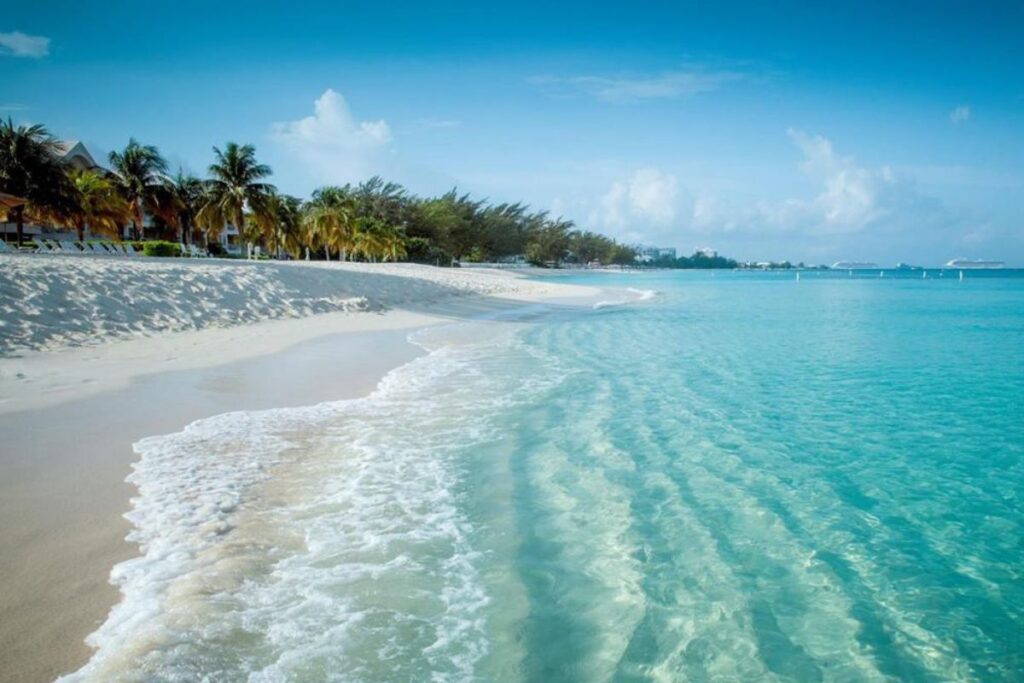
Nha Trang has several beaches, but they offer different experiences. Some are close to the city center, while others require a drive outside the main tourist district.
Nha Trang Beach (Tran Phu Beach)
Tran Phu Beach is the most convenient option for visitors staying in central Nha Trang.
Its main advantage is location. Hotels, restaurants, cafés, and other facilities are close by, making it easy to combine beach time with sightseeing.
The beach is popular with local residents in the morning and becomes busier with visitors later in the day.
Best for: First-time visitors, couples, families, and travelers staying in the city center.
Bai Dai Beach (Long Beach)
Bai Dai is located south of Nha Trang along the Cam Ranh coastline.
It is known for its long sandy shoreline and resort developments. Compared with the central beach, the atmosphere is generally more resort-oriented and less urban.
Visitors can enjoy a quieter coastal setting, although public access arrangements vary by location.
Best for: Couples, families, and travelers looking for a resort-style beach holiday.
Doc Let Beach
Doc Let is located in Ninh Hoa, north of Nha Trang.
The beach is known for its pale sand, coastal scenery, and quieter atmosphere compared with the city center.
Some sections have a relatively gradual shoreline, but swimming conditions and currents should always be checked.
Best for: Travelers who enjoy quieter beaches and do not mind traveling outside the city.
Hon Chong: A Scenic Coastal Landmark
Hon Chong is better known for its rock formations and coastal views than for conventional sandy beach activities.
Large granite boulders create distinctive shapes along the shoreline, making it a popular place for photography and sightseeing.
It is also convenient to combine a visit to Hon Chong with Po Nagar Cham Towers.
Best for: Coastal scenery, photography, and short sightseeing stops.
Which Beach Should You Choose?
| Beach | Location | Best for |
|---|---|---|
| Tran Phu Beach | City center | Convenience and easy access |
| Bai Dai Beach | South of Nha Trang | Resort relaxation |
| Doc Let Beach | North of Nha Trang | A quieter coastal escape |
| Hon Chong | Northern city area | Scenery and photography |
If you are staying in central Nha Trang, Tran Phu Beach is the easiest choice. If you have additional time, Bai Dai or Doc Let offers a worthwhile change of scenery.
7. Island Hopping, Snorkeling and Water Activities

Exploring the islands around Nha Trang Bay is one of the most memorable experiences in the region.
A boat trip can take you away from the urban beachfront and introduce you to smaller islands, coastal scenery, and marine activities.
However, island excursions require some planning. Weather, sea conditions, and conservation regulations can affect which activities are available.
Hon Mun Island: Marine Scenery and Conservation
Hon Mun is one of the best-known islands in Nha Trang Bay and has historically been associated with snorkeling and scuba diving.
Its marine environment helped establish the area as an important location for coral reef conservation in Vietnam.
However, visitors should be aware of restrictions around the protected marine area. Swimming and diving activities in the strictly protected area around Hon Mun were suspended in June 2022 to support ecosystem recovery.
Do not assume that a tour advertised as a Hon Mun snorkeling trip automatically permits visitors to enter the water around the island.
Before booking, ask the operator:
- Where exactly will passengers enter the water?
- Is snorkeling currently permitted at that location?
- Is the activity approved under current marine conservation rules?
- What safety equipment and supervision are provided?
The name of an island on a tour itinerary does not necessarily mean every activity is permitted there.
Hon Tam Island: Beach Relaxation and Resort Experiences
Hon Tam is a popular island destination for visitors seeking beach relaxation and resort facilities.
Depending on the package, visitors may have access to sandy beaches, swimming areas, restaurants, wellness facilities, and selected recreational activities.
Some travelers book a day package, while others choose accommodation on the island.
Compare packages carefully. Boat transfers, meals, and activities may be included in some offers but charged separately in others.
Hon Mieu and Nearby Island Experiences
Hon Mieu is associated with fishing communities and coastal life. It provides a different atmosphere from the resort-oriented experience of Hon Tam.
Some excursions include nearby locations such as Bai Tranh, which is known for its beach and recreational facilities.
Check the exact itinerary before booking, as the available activities and facilities vary by operator.
What to Expect From an Island-Hopping Tour
A typical full-day excursion may include:
- Transfer to the departure pier.
- Boat travel through Nha Trang Bay.
- Stops at selected islands or designated swimming locations.
- Snorkeling or other permitted activities.
- Lunch or refreshments.
- Time to relax before returning to the mainland.
Tours may use traditional wooden boats or speedboats. Speedboats can reduce travel time but may be less comfortable in rough conditions.
Snorkeling and Scuba Diving
Nha Trang has a long association with marine tourism.
Snorkeling allows visitors to observe marine life from the surface, while scuba diving provides access to deeper underwater environments with suitable equipment and training.
Both activities depend on location, visibility, weather, and current conservation regulations.
Beginners should choose reputable operators that provide suitable equipment, clear safety instructions, and appropriate supervision.
Certified divers should confirm the exact dive site and its current access conditions before booking.
Other Water Activities
Depending on the beach and operator, visitors may also find:
- Kayaking in suitable coastal waters.
- Stand-up paddleboarding.
- Parasailing.
- Jet skiing.
- Boat sightseeing.
Check equipment quality, safety procedures, insurance arrangements, and weather-related cancellation policies.
How to Choose an Island Tour
A responsible tour operator should provide clear information about the itinerary, permitted activities, boat safety, and what is included in the price.
Before paying, confirm:
- Which islands and locations are included.
- How much time is spent at each stop.
- Whether meals and equipment are included.
- Where swimming and snorkeling are permitted.
- Whether life jackets are provided.
- What happens if the weather is unsuitable.
The generally drier period from January through August is more favorable for island excursions. If this activity is important to your trip, schedule it early enough to allow for rescheduling.
8. Nha Trang’s Food Scene: What to Eat
Nha Trang’s coastal location has shaped a food culture that is distinctly different from what visitors may encounter in Hanoi or Ho Chi Minh City.
Fresh seafood is an important part of the dining scene, but the region is also known for fish noodle soup, grilled pork rolls, savory rice cakes, and distinctive dipping sauces.
Bun Cha Ca: Fish Cake Noodle Soup
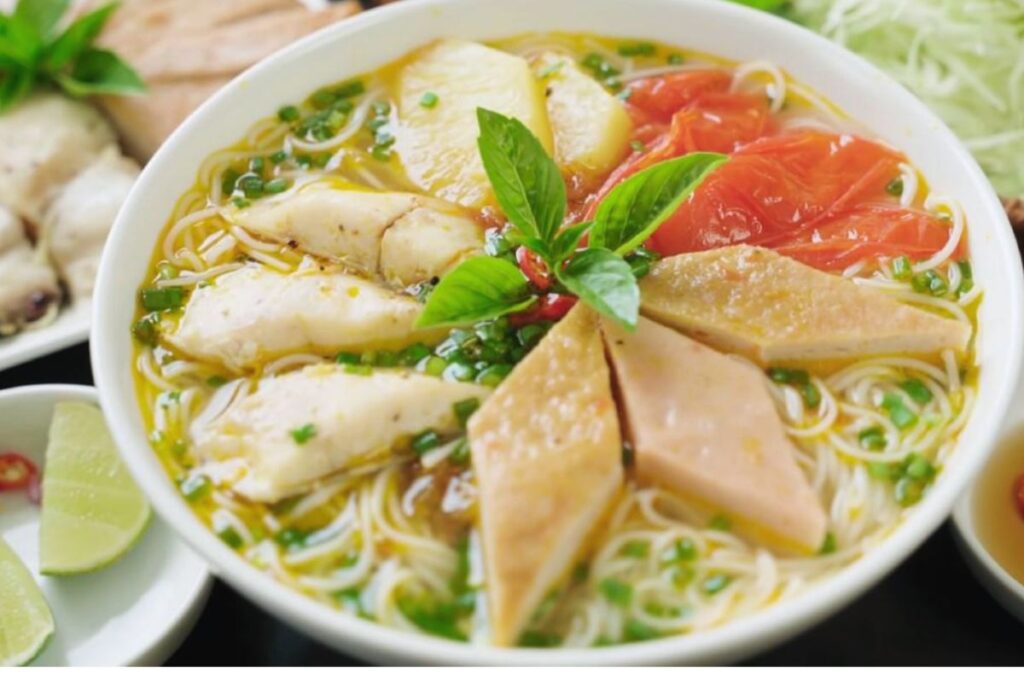
Bun cha ca is one of Nha Trang’s signature dishes.
It combines rice vermicelli with fish cakes and a light, savory broth prepared from fish. The fish cakes are usually made from fresh fish that is ground, seasoned, and shaped before being steamed or fried.
A bowl may also include slices of cooked fish, herbs, vegetables, and condiments.
Another popular variation is bun ca sua, which includes jellyfish. The jellyfish adds a distinctive crunchy texture.
Fish noodle soup is commonly eaten for breakfast or lunch and is an excellent introduction to the region’s cuisine.
Nem Nuong Ninh Hoa: Grilled Pork Rolls

Nem nuong is one of Khanh Hoa Province’s best-known specialties.
The dish consists of seasoned grilled pork served with rice paper, fresh herbs, vegetables, and a thick dipping sauce.
Diners assemble their own rolls, combining the pork with the accompaniments before dipping them into the sauce.
The result is a balance of smoky, savory, fresh, and slightly sweet flavors.
It is particularly enjoyable when shared with friends or family.
Banh Can: Small Savory Rice Pancakes

Banh can is made from rice batter cooked in small individual molds.
The pancakes have a lightly crisp exterior and a soft center. Depending on the restaurant, toppings may include quail eggs, shrimp, squid, or minced meat.
They are usually served with dipping sauce and accompaniments such as herbs or shredded green mango.
Because banh can is prepared in small portions, it is ideal for sharing.
Banh Xeo Muc: Crispy Squid Pancakes
Banh xeo muc is a seafood variation of the Vietnamese crispy pancake.
The rice-based batter is cooked until crisp and combined with squid and other fillings. It is commonly served with fresh herbs, vegetables, and dipping sauce.
The contrast between the crispy pancake and tender seafood makes it a worthwhile dish for visitors who enjoy regional specialties.
Fresh Seafood
No visit to Nha Trang would be complete without trying its seafood.
Restaurants serve fish, shrimp, squid, crab, clams, mussels, and lobster, prepared through steaming, grilling, stir-frying, or hot-pot cooking.
Some establishments allow customers to select seafood from a display before choosing how it should be prepared.
Before ordering, confirm:
- The price per kilogram.
- The weight being charged.
- Whether cooking is included.
- Whether side dishes and sauces cost extra.
- The approximate total for your order.
This is particularly important when ordering expensive items such as lobster or large crab.
Banh Uot, Banh Hoi and Everyday Favorites
Beyond the best-known dishes, Nha Trang has everyday foods worth discovering.
Banh uot consists of thin steamed rice sheets served with herbs, fried shallots, and dipping sauce. It may be accompanied by grilled meat or other savory ingredients.
Banh hoi is made from very fine rice vermicelli arranged into delicate woven sheets, often served with grilled pork and fresh herbs.
These dishes are commonly found in local restaurants and provide a taste of everyday Vietnamese dining.
Vietnamese Coffee and Local Cafés
Vietnamese coffee is an important part of daily life, and Nha Trang has everything from modern specialty cafés to small neighborhood establishments.
Try ca phe sua da, iced coffee with condensed milk, or ca phe den da, iced black coffee.
For a more local experience, visit a neighborhood café early in the morning. You may see residents meeting friends, reading the news, or taking a break before work.
Where to Find Local Food
Several areas are worth exploring:
- Xom Moi neighborhood: A useful area for local noodle shops and casual eateries.
- Dam Market: Traditional market stalls, snacks, and regional products.
- Nguyen Thien Thuat area: A convenient part of the city for restaurants and casual dining.
- Coastal seafood streets: Look for established restaurants with clear menus and visible prices.
A good food itinerary might include bun cha ca for breakfast, nem nuong for lunch, and a seafood dinner.
9. Where to Stay in Nha Trang

Choosing the right accommodation area can shape your entire vacation.
Some hotels are located along the central beachfront, while others are farther north, on nearby islands, or along the Cam Ranh coastline.
The best location depends on whether you want to explore the city, spend most of your time at a resort, or enjoy a quieter coastal setting.
Tran Phu Beach and the City Center
For most first-time visitors, the central area around Tran Phu Beach is the easiest place to stay.
Hotels, restaurants, cafés, shops, and entertainment venues are concentrated here. You can walk to the beach and arrange sightseeing or island excursions without spending too much time traveling.
Accommodation ranges from affordable hotels to international properties.
Best for: First-time visitors, couples, independent travelers, and families who want convenient access to restaurants.
Consider: The area can be busy, particularly on weekends and during domestic holidays. Check guest reviews for noise if you prefer a quiet room.
Northern Nha Trang: Hon Chong and Pham Van Dong
The northern part of Nha Trang offers a different atmosphere from the central tourist area.
Around Hon Chong and Pham Van Dong, visitors will find hotels, restaurants, residential neighborhoods, and coastal views.
It is a good option for travelers who want to stay near the sea without being directly in the busiest part of the city.
Best for: Couples, families, and visitors seeking a quieter city stay.
Consider: You may need a taxi or ride-hailing service to reach the central restaurants and nightlife areas.
Hon Tre Island: A Resort-Focused Holiday

Hon Tre Island is associated with resort developments, beaches, entertainment facilities, and VinWonders Nha Trang.
It can be a convenient choice for families who want accommodation and activities in one area.
However, staying on the island changes how you explore the city. You will need to arrange boat or cable-car transportation to reach the mainland, depending on current services.
Best for: Families, couples, and travelers who prefer an organized resort holiday.
Consider: Check whether park admission and transportation are included in your accommodation package.
Bai Dai and Cam Ranh: Beach Resorts
Bai Dai, along the Cam Ranh coastline south of Nha Trang, is popular for resort-style vacations.
Large beachfront properties offer swimming pools, restaurants, wellness facilities, and access to the beach.
The area is also relatively convenient for travelers arriving at Cam Ranh International Airport.
Best for: Families, couples, and travelers who plan to spend much of their holiday at the resort.
Consider: Bai Dai is not part of the central city. Traveling into Nha Trang for local restaurants and cultural attractions requires additional transportation.
Ninh Van Bay: A More Secluded Experience
Ninh Van Bay is known for its natural scenery and resort properties set among beaches, hills, and tropical vegetation.
Some resorts are reached by a combination of road and boat transfers, creating a more private and destination-focused experience.
Best for: Couples and travelers seeking a secluded coastal stay.
Consider: Dining and activities may be concentrated within the resort, making independent exploration less convenient.
Which Area Should You Choose?
| Area | Best for | Main advantage | Main drawback |
|---|---|---|---|
| Tran Phu Beach | First-time visitors | Convenient city access | Busy atmosphere |
| Hon Chong | Quieter city stay | Coastal scenery | Farther from central nightlife |
| Hon Tre Island | Families and resort guests | Integrated resort activities | Mainland transfers required |
| Bai Dai | Beach resort holidays | Spacious coastal setting | Far from city restaurants |
| Ninh Van Bay | Secluded luxury stays | Natural surroundings | Less convenient for independent sightseeing |
For a first visit lasting two or three days, stay around Tran Phu Beach or a few streets behind it. If your priority is a longer resort vacation, consider Bai Dai, Hon Tre, or Ninh Van Bay.
10. Understanding Nha Trang’s Culture and Local Life

Nha Trang is often introduced through its beaches and hotels, but its cultural identity extends much further.
The region has developed through centuries of interaction between coastal communities, the Cham civilization, Vietnamese Buddhist traditions, and modern urban life.
Cham Heritage
The Cham civilization is one of the most important influences on the history of south-central Vietnam.
Po Nagar Cham Towers preserves architectural and religious heritage associated with the Cham people. The complex reflects the influence of Hindu traditions and remains an important spiritual site.
The goddess Po Nagar, also known in local traditions as the Lady of the Country, holds a significant place in the site’s history.
Understanding this background makes a visit more meaningful than treating the towers as simply another sightseeing attraction.
Buddhist Traditions
Long Son Pagoda provides a glimpse into Buddhist religious life in Nha Trang.
Visitors may see residents offering incense, praying, or spending quiet time within the temple grounds.
When visiting a pagoda, dress modestly, speak quietly, follow posted instructions, and avoid intruding on worshippers’ privacy.
Fishing Traditions and Seafood Culture
Fishing has long supported coastal communities throughout Khanh Hoa.
The importance of the sea is reflected in local markets, fishing boats, seafood restaurants, and regional dishes.
A visit to a seafood market can be an interesting way to observe how local residents select ingredients and how the daily market supports the surrounding community.
Markets and Everyday Life
Traditional markets remain important commercial and social spaces.
Dam Market is one of the city’s best-known examples, but smaller neighborhood markets also provide insight into how residents shop and eat.
Early morning is often the most interesting time to visit, when vendors arrange produce and residents purchase ingredients for the day.
Coffee Culture
Coffee is deeply embedded in everyday Vietnamese life.
In Nha Trang, small neighborhood cafés and modern coffee shops offer different ways to experience this culture.
For a more local experience, choose a neighborhood café rather than always visiting international chains. Order a ca phe sua da and take time to observe the atmosphere.
Respectful Travel
A few simple habits can make interactions more comfortable:
- Learn basic Vietnamese greetings such as xin chao.
- Ask permission before taking close-up photographs.
- Dress appropriately at religious sites.
- Avoid loud behavior in residential neighborhoods.
- Respect fishing communities and working areas.
- Reduce plastic waste, particularly around beaches and islands.
The most memorable cultural experiences may happen in a small café, a local market, or a conversation with someone who has lived beside the sea for generations.
11. Day Trips From Nha Trang
Nha Trang is an excellent base for exploring the wider Khanh Hoa region.
Beyond the city, visitors can discover waterfalls, quieter beaches, countryside landscapes, and secluded coastal areas.
Ba Ho Waterfalls

Ba Ho Waterfalls is one of the region’s best-known nature excursions.
Located north of Nha Trang, the attraction features a stream flowing through a forested landscape and forming a series of natural pools.
The name Ba Ho means Three Lakes, referring to three main pools along the stream.
Visitors can explore the surroundings, enjoy the scenery, and swim where conditions and safety rules permit.
Some routes involve uneven surfaces, rocks, and climbing, so the attraction may not be suitable for visitors with limited mobility.
Wear appropriate shoes, bring drinking water, and check weather conditions before setting out. Heavy rainfall can make trails slippery and water conditions dangerous.
Doc Let Beach
Doc Let is a worthwhile day trip for travelers who want to explore a quieter beach outside the city.
Located in Ninh Hoa, north of Nha Trang, it offers pale sand, coastal scenery, and a more relaxed atmosphere than the central beachfront.
Visitors can spend several hours swimming when conditions are suitable, enjoying seafood, and exploring the surrounding coastline.
Ninh Van Bay
Ninh Van Bay offers scenic coastal landscapes, mountainous surroundings, and secluded resort properties.
It is particularly appealing to travelers seeking a quieter experience than central Nha Trang.
Some resorts can be reached through a combination of road and boat transfers. Check access arrangements before planning a day visit.
Yang Bay Waterfall
Yang Bay is a nature attraction located inland from Nha Trang.
Its landscape includes waterfalls, green valleys, freshwater pools, and areas associated with the culture of the Raglai ethnic community.
Depending on the facilities operating at the time of your visit, activities may include nature walks, cultural experiences, and recreational attractions.
Check current admission arrangements and activity schedules before traveling.
Ninh Hoa
Ninh Hoa is worth considering for travelers interested in regional food and local life.
The area is particularly associated with nem nuong Ninh Hoa, one of Khanh Hoa’s best-known specialties.
A visit can provide an opportunity to explore local eateries and experience a different side of the region beyond the main tourist district.
Da Lat: A Longer Side Trip
Da Lat, located in Vietnam’s Central Highlands, offers a completely different atmosphere from Nha Trang.
Known for its cooler climate, pine forests, lakes, gardens, and French colonial-era architecture, it provides a contrast to the tropical coast.
The journey involves winding mountain roads and several hours of travel. For most visitors, spending at least one or two nights in Da Lat is better than attempting a rushed day trip.
Which Day Trip Should You Choose?
| Destination | Main experience | Suggested time |
|---|---|---|
| Ba Ho Waterfalls | Nature and outdoor adventure | Half or full day |
| Doc Let Beach | Beach relaxation | Full day |
| Ninh Van Bay | Secluded coastal scenery | Full day or overnight |
| Yang Bay | Waterfalls and cultural experiences | Full day |
| Ninh Hoa | Food and local life | Half or full day |
| Da Lat | Highlands and cooler climate | One or more nights |
For a first visit, Ba Ho Waterfalls or Doc Let Beach are worthwhile options if you have an additional day.
12. How Many Days Do You Need in Nha Trang?

Three days is a good starting point for most first-time visitors. This allows enough time to explore the city, enjoy the beach, try regional food, and take an island excursion.
One Day: A Short Introduction
If you only have one day, focus on the central attractions.
| Time | Activity |
|---|---|
| 7:00 AM | Enjoy bun cha ca for breakfast |
| 8:00 AM | Walk along Tran Phu Beach |
| 10:00 AM | Visit Po Nagar Cham Towers |
| 11:30 AM | Explore Hon Chong |
| 12:30 PM | Enjoy a seafood lunch |
| 2:00 PM | Visit Long Son Pagoda |
| 3:30 PM | Explore Dam Market |
| 5:00 PM | Return to the beachfront |
| 7:00 PM | Enjoy dinner and an evening walk |
This itinerary provides a reasonable introduction to the city’s beaches, history, and food.
Two Days: Beaches and Cultural Attractions
Day 1: Discover the City
Start with breakfast at a local restaurant, then spend the morning at Tran Phu Beach.
In the afternoon, visit Po Nagar Cham Towers, Hon Chong, and Long Son Pagoda. Explore Dam Market before enjoying a seafood dinner.
Day 2: Explore the Bay
Dedicate the second day to an organized island excursion. Choose a tour with clearly identified permitted swimming locations and appropriate safety arrangements.
Return to the city in the late afternoon and enjoy a relaxed evening.
Three Days: The Best First-Time Itinerary
Day 1: Beaches, Culture, and Local Food
Spend the morning at Tran Phu Beach. In the afternoon, visit Po Nagar Cham Towers, Long Son Pagoda, and Dam Market. Finish with a seafood dinner.
Day 2: Island-Hopping
Choose a reputable excursion around Nha Trang Bay. Check current marine conservation rules and the exact locations where swimming or snorkeling is permitted.
Day 3: A Slower Side of Nha Trang
Use your final day for a mud-bath experience, Bai Dai Beach, local markets, or a food-focused exploration of the city.
This final day gives you flexibility and allows you to experience Nha Trang beyond its main tourist attractions.
Four to Five Days: A Relaxed Coastal Vacation
With four or five days, you can explore at a slower pace.
| Day | Main focus |
|---|---|
| Day 1 | Central beach, Po Nagar, Long Son Pagoda, and local food |
| Day 2 | Island excursion and permitted marine activities |
| Day 3 | Bai Dai or Doc Let Beach |
| Day 4 | Ba Ho Waterfalls or Yang Bay |
| Day 5 | Markets, mud baths, cafés, and shopping |
Families may prefer an additional resort day, while couples may choose a quieter beach or a longer spa experience.
The advantage of staying longer is having time to enjoy the destination without filling every day with organized activities.
13. Practical Nha Trang Travel Tips

A little preparation can make your visit considerably easier. Although Nha Trang has an established tourism industry, visitors should understand local transportation, payment methods, weather conditions, and everyday customs.
Getting Around
The central tourist area is relatively easy to navigate.
Walking is suitable for the beachfront and nearby restaurants. Grab and Xanh SM are useful for longer journeys, while taxis are available throughout the city.
If you rent a motorbike, make sure you have the appropriate license and legal authorization. Wear a helmet and check your insurance coverage.
When booking accommodation, check the exact map location. Some properties marketed as Nha Trang accommodation are actually far from the central beachfront.
Money and Payment Methods
Vietnam’s official currency is the Vietnamese dong (VND).
Cash remains useful for local markets, small restaurants, street food, and some transportation services.
Hotels, larger restaurants, and established businesses may accept international cards, but availability varies.
For a comfortable trip, carry a small amount of cash, an international debit or credit card, and a backup payment method.
Use reputable bank ATMs and check withdrawal fees before confirming a transaction.
What to Pack
Nha Trang’s warm coastal climate makes lightweight clothing suitable for most of the year.
Consider packing:
- Lightweight shirts and shorts.
- Swimwear.
- Comfortable walking shoes.
- Sandals.
- Sunscreen, sunglasses, and a hat.
- A reusable water bottle.
- A small day bag.
- A waterproof bag for boat excursions.
- Modest clothing for temples and pagodas.
- A light rain jacket if visiting during the wetter months.
Beach and Sun Safety
The tropical sun can be intense, particularly between late morning and mid-afternoon.
Apply sunscreen regularly, wear a hat, drink water, and take breaks in shaded areas.
Do not assume every section of the beach is safe for swimming at all times. Currents and waves can change, so follow local lifeguard instructions and warning flags.
Responsible Island Tourism

Nha Trang Bay is an important natural environment. Visitors can help protect it by following responsible marine tourism practices.
- Never touch or stand on coral.
- Do not collect shells, coral, or marine organisms.
- Avoid feeding wild fish.
- Use permitted swimming and diving areas.
- Follow instructions from qualified guides.
- Take all rubbish back to shore.
The conservation situation around Hon Mun is particularly important. Check the latest local regulations before purchasing a tour.
Local Etiquette
Vietnamese hospitality is often warm and welcoming, but understanding a few local customs can make interactions more comfortable.
Dress respectfully at religious sites, remove shoes when requested, ask permission before photographing people, and avoid loud behavior in residential neighborhoods.
A simple xin chao is a friendly way to begin an interaction. English is commonly used in hotels and larger tourist businesses, but learning a few Vietnamese expressions can be helpful elsewhere.
Common Tourist Mistakes to Avoid
1. Staying too far from the city without realizing it. Check the hotel’s actual location rather than relying only on its description.
2. Booking island tours without checking the itinerary. Confirm the locations, activities, and conservation rules before paying.
3. Visiting during the rainy season without a backup plan. Include cultural attractions, markets, cafés, and indoor experiences.
4. Ordering seafood without confirming prices. Ask for the price per kilogram and the estimated total before ordering.
5. Spending the entire vacation on the main beach. Explore at least one cultural attraction, a traditional market, and another coastal area.
6. Underestimating the sun. Plan outdoor activities around the cooler parts of the day.
7. Assuming online tour information is always current. Confirm operating arrangements and safety restrictions directly with the provider.
Is Nha Trang Safe for Tourists?
Nha Trang is an established tourist destination, and many international visitors travel there without major problems.
Normal travel precautions remain important. Keep valuables secure, use reputable transportation, avoid leaving belongings unattended on the beach, and be cautious when exploring unfamiliar areas late at night.
For water activities, choose established operators and follow local safety instructions.
Travel insurance is worth considering, particularly if your itinerary includes boat excursions, hiking, or other outdoor activities.
14. Final Thoughts: Is Nha Trang the Right Vietnam Destination for You?

Nha Trang offers a distinctive combination of coastal scenery, island experiences, regional food, and everyday Vietnamese life.
It is more than a destination for spending time beside the ocean. Its Cham architecture, Buddhist landmarks, fishing communities, traditional markets, and local restaurants provide opportunities to understand the region beyond its modern tourism industry.
For travelers who enjoy a balance of relaxation and exploration, Nha Trang can be an excellent addition to a Vietnam itinerary.
You can spend the morning swimming at Tran Phu Beach, visit a historic temple in the afternoon, enjoy fresh seafood for dinner, and explore the bay the following day.
If you have more time, the surrounding region offers even more possibilities, from the waterfalls of Ba Ho to the quieter coastline of Doc Let and the cooler highlands of Da Lat.
Nha Trang is not perfect for everyone. Its central beachfront is developed, popular areas can become busy, and seasonal weather can affect marine activities.
Rather than expecting an untouched tropical paradise, approach the city as a lively coastal destination where natural scenery, tourism, and local life exist side by side.
Give yourself enough time to explore beyond the hotel, try regional dishes, visit cultural landmarks, and experience the everyday rhythm of the city.
That is when Nha Trang becomes more than another beach stop on your Vietnam itinerary. It becomes a destination worth understanding, enjoying, and remembering.
Frequently Asked Questions About Nha Trang
Is Nha Trang safe for tourists?
Yes. Nha Trang is an established tourist destination and is generally suitable for international visitors. Keep valuables secure, use reputable transportation, follow beach safety instructions, and take normal precautions when exploring unfamiliar areas.
Is Nha Trang expensive?
Nha Trang offers accommodation and dining options for different budgets. You can find affordable local restaurants, budget hotels, mid-range accommodation, and luxury beachfront resorts.
Local food is generally more affordable than dining at upscale hotels or international restaurants. Seafood prices vary depending on the type, weight, and restaurant.
How many days do you need in Nha Trang?
Three days is a good starting point for most first-time visitors. This allows time for the main beach, cultural attractions, local food, and an island excursion. Four to five days is better if you want a slower vacation or plan to explore nearby beaches and waterfalls.
Can you swim in Nha Trang year-round?
Swimming is possible during much of the year, but conditions vary by season and location. January through August is generally more favorable for beach activities. During the rainy season, particularly October and November, waves and weather can make swimming less predictable.
Always follow local swimming restrictions and safety advice.
Is Nha Trang better than Da Nang?
Neither destination is universally better. Nha Trang is particularly appealing for beach holidays, island excursions, and seafood. Da Nang is a stronger choice if you want to combine beaches with cultural sightseeing and easy access to Hoi An.
Your choice should depend on your travel style and the season.
Is Nha Trang suitable for families?
Yes. Nha Trang offers family-friendly hotels, resorts, swimming pools, beaches, and organized activities. Families should choose accommodation carefully and check the suitability of boat excursions for their children’s ages.
Do people speak English in Nha Trang?
English is commonly used in hotels, larger restaurants, tour agencies, and businesses catering to international visitors. However, English proficiency varies among local residents and smaller businesses. Learning a few basic Vietnamese expressions can make everyday interactions easier.
What is Nha Trang famous for?
Nha Trang is famous for its coastal scenery, sandy beaches, tropical islands, seafood, and Cham heritage. The city is also known for Po Nagar Cham Towers, Long Son Pagoda, mud-bath experiences, and island excursions around Nha Trang Bay.
How far is Nha Trang from Cam Ranh Airport?
Cam Ranh International Airport is approximately 30–35 kilometers south of central Nha Trang. The journey generally takes around 45–60 minutes by car, depending on traffic and your destination.
What is the best beach in Nha Trang?
Tran Phu Beach is the most convenient choice for visitors staying in the city center. Bai Dai is better suited to travelers looking for a resort-style beach experience, while Doc Let offers a quieter coastal alternative farther north.
Can you visit Nha Trang and Da Lat on the same trip?
Yes. Combining Nha Trang and Da Lat is an excellent way to experience two contrasting landscapes in southern Vietnam. Nha Trang offers tropical beaches and coastal activities, while Da Lat is known for its cooler climate, pine forests, lakes, and highland scenery.
Allow at least one or two nights in Da Lat rather than trying to visit it as a rushed day trip.
What should you buy in Nha Trang?
Popular souvenirs include dried seafood, local snacks, Vietnamese coffee, regional food products, and handcrafted items. Traditional markets such as Dam Market offer a variety of local products.
For packaged food, check the ingredients, expiration date, and packaging before purchasing, particularly if you intend to take items home internationally.
Continue Exploring Vietnam
Nha Trang offers a different perspective on Vietnam — one shaped by coastal landscapes, island communities, fresh seafood, Cham heritage, and the everyday rhythm of life by the sea. But there is much more to discover beyond this popular beach destination.
Continue exploring Vietnam Travel Guide and Vietnam Insights from Tam Voc Viet for practical travel advice and stories about the country’s culture, food, traditions, and everyday experiences.
Recommended next reads:
- North Vietnam Travel Guide — Build a northern Vietnam itinerary around Hanoi and its surrounding destinations.
- Da Nang Travel Guide — Explore coastal city life, beautiful beaches, and the attractions of central Vietnam.
- Hoi An Travel Guide — Discover lantern-lit streets, riverside cafés, and the architecture of this historic trading town.
- Hue Travel Guide — Explore Vietnam’s imperial history, royal tombs, and traditional cuisine.
- Phu Quoc Travel Guide — Discover a tropical island destination known for its beaches, seafood, and resort experiences.
- Dalat Travel Guide — Experience cool highland weather, pine-covered hills, flower gardens, and coffee-growing countryside.
- Sapa Travel Guide — Explore mountain landscapes, rice terraces, and local cultures in northern Vietnam.
- Ha Long Bay Travel Guide — Plan a visit to Vietnam’s iconic limestone islands and emerald waters.
- Ninh Binh Travel Guide — Discover dramatic karst landscapes, rivers, temples, and countryside near Hanoi.
- Ha Giang Travel Guide — Explore one of northern Vietnam’s most spectacular mountain regions.
- South Vietnam Travel Guide — Discover the energy of southern Vietnam, from Ho Chi Minh City to the Mekong Delta and its coastal destinations.
Together, these guides are part of Vietnam Travel Guide and Vietnam Insights, helping readers explore the country beyond its best-known destinations and understand the places, people, and experiences that make Vietnam distinctive.
Sources & Further Reading
This guide draws on geographical, historical, tourism, and cultural information to provide a broader understanding of Nha Trang and its surrounding coastal region.
Useful sources for further research include:
- Vietnam National Authority of Tourism — Destination information, travel guidance, and background on Nha Trang and Vietnam’s south-central coast.
- Khanh Hoa Provincial Tourism Information — Local destination information, attractions, cultural experiences, and regional tourism developments.
- Vietnam National Administration of Tourism and local heritage information — Historical and cultural context for Po Nagar Cham Towers, Long Son Pagoda, and the region’s Cham heritage.
- Marine conservation and environmental research — Background on Nha Trang Bay, its marine ecosystems, coral conservation, and responsible island tourism.
- Vietnam Railways and Cam Ranh International Airport information — Practical travel information for reaching Nha Trang and arranging onward transportation.
- Regional food and culinary research — Context on Khanh Hoa specialties, including bun cha ca, nem nuong Ninh Hoa, banh can, and the region’s seafood traditions.
How These Sources Inform This Guide
These sources help establish the geographical, historical, and cultural context behind Nha Trang’s development as one of Vietnam’s best-known coastal destinations.
They also provide background for understanding the relationship between the city’s marine environment, fishing communities, regional cuisine, Cham heritage, and tourism industry.
Travel conditions, opening hours, transport services, ticket prices, marine conservation rules, and access to individual attractions can change. Readers should check current information before making specific travel arrangements, particularly when booking island excursions and water activities.
Editorial Note
Nha Trang is more than a collection of beaches, islands, and resort hotels.
Its character comes from the relationship between its coastal environment, fishing traditions, cultural heritage, and modern urban development. The bay, offshore islands, seafood markets, and everyday life along the waterfront all contribute to the identity of this south-central Vietnamese city.
However, Nha Trang should not be treated as a single, uniform experience.
The atmosphere around Tran Phu Beach differs from the quieter coastal surroundings of Bai Dai. The historic setting of Po Nagar Cham Towers offers a different perspective from the busy streets around Dam Market. A seafood restaurant serving traditional regional dishes also reveals something different about the city than a modern beachfront resort.
The wider Khanh Hoa region adds another dimension, with destinations such as Doc Let, Ba Ho Waterfalls, and Ninh Van Bay offering opportunities to explore beyond the main tourist district.
This guide focuses on helping international travelers understand Nha Trang as a destination rather than simply providing a checklist of places to visit.
Our recommendations combine practical travel guidance with geographical, historical, and cultural context. Individual experiences may vary depending on the season, weather, location, and travel style.
Visitors are encouraged to explore respectfully, support local businesses, protect the marine environment, and approach the region’s cultural heritage with curiosity rather than assumptions.
About Tam Voc Viet
Tam Voc Viet explores Vietnam for international readers who want to understand more than where to go.
Our Vietnam Travel Guide provides practical information for discovering destinations across the country, while Vietnam Insights explores Vietnamese culture, people, traditions, food, relationships, and everyday experiences.
From the historic streets of Hanoi and the energy of Ho Chi Minh City to the coastal landscapes of Nha Trang and the mountain scenery of Dalat, Vietnam offers many different ways to travel and understand the country.
Our goal is to go beyond familiar travel descriptions and provide useful, thoughtful perspectives that help readers connect with the places they visit.
Sometimes, understanding a destination means looking beyond its famous attractions and discovering the landscape, people, and everyday life that give it character.
Article Information
Category: Vietnam Travel Guide
Topic: Nha Trang / Khanh Hoa / Vietnam’s South-Central Coast / Beaches & Culture
Focus Keyword: Nha Trang Travel Guide
Secondary Keywords: Nha Trang Vietnam, things to do in Nha Trang, best time to visit Nha Trang, Nha Trang beaches, where to stay in Nha Trang, Nha Trang food guide, Nha Trang island hopping, Nha Trang travel tips, Nha Trang itinerary
Published: November 2026
Last Updated: November 2026
Author: Tam Voc Viet Editorial Team
