


 Tiếng Việt
From steaming bowls of pho on bustling sidewalks to crispy banh mi sold from tiny street carts, Vietnam offers one of the world’s most exciting street food cultures. This Vietnamese Street Food Guide explores the authentic flavors, hidden gems, and unforgettable culinary experiences that make Vietnamese street food a must-try for every traveler.
Table of Contents
Quick Answer: What Is Vietnamese Street Food?
Vietnamese street food refers to affordable, freshly prepared dishes sold by vendors, markets, and family-run eateries throughout the country. Popular dishes include pho, banh mi, bun cha, com tam, hu tieu, and Vietnamese coffee. Most meals cost between $1 and $5, making Vietnam one of the best destinations for food-loving travelers.
Why Vietnamese Street Food Is Famous Worldwide
My first bowl of pho in Hanoi arrived at 6:15 a.m. on a cold winter morning. I was sitting on a tiny blue plastic stool beside office workers and motorbike taxi drivers. The broth had been simmering overnight, and after one spoonful, I immediately understood why so many travelers become obsessed with Vietnamese food.
It’s the food.
Street vendors line almost every road, alley, and market. Plastic stools spill onto sidewalks. The aroma of grilled pork, fresh herbs, simmering broth, and Vietnamese coffee fills the air from early morning until late at night.
Unlike many countries where street food is considered a quick snack, Vietnamese street food is an essential part of daily life. Office workers, students, grandparents, and business owners all gather around small food stalls for breakfast, lunch, and dinner.
What makes Vietnamese cuisine special is its balance. Sweet, salty, sour, spicy, and umami flavors come together in nearly every dish. Fresh herbs, vegetables, and carefully prepared proteins create meals that are both flavorful and surprisingly healthy.
For many visitors, eating street food becomes the highlight of their trip to Vietnam.
Pho: Vietnam’s Most Iconic Dish

No Vietnamese Street Food Guide would be complete without pho. This iconic noodle soup combines rice noodles, slow-cooked broth, fresh herbs, and tender slices of beef or chicken.
In Hanoi, locals often eat pho for breakfast. Traditional shops such as Pho Bat Dan and Pho Gia Truyen regularly attract long lines before 8 a.m. The northern version is lighter and cleaner, while southern pho found in Ho Chi Minh City tends to be sweeter and served with more herbs.
What Is Pho?
Pho is undoubtedly Vietnam’s most famous culinary export.
This fragrant noodle soup consists of rice noodles, slow-cooked broth, herbs, and either beef or chicken. While pho can be found around the world today, nothing compares to enjoying a bowl in its homeland.
The broth is the heart of the dish. Many vendors simmer beef bones, spices, and aromatics for more than 12 hours to create a rich, complex flavor.
Best Places to Try Pho
The cities of Hanoi and Ho Chi Minh City offer different interpretations.
- Northern pho features a cleaner, more delicate broth.
- Southern pho is often sweeter and served with larger portions of herbs and garnishes.
For the most authentic experience, arrive before 8 a.m. when locals gather for breakfast.
Best Pho in Hanoi
- Pho Bat Dan
- Pho Thin
- Pho Gia Truyen
Best Banh Mi in HCMC
- Banh Mi Huynh Hoa
- Banh Mi Hong Hoa
Banh Mi: The World’s Most Famous Sandwich

A perfect example of Vietnam’s cultural history, banh mi blends French and Vietnamese influences into one unforgettable sandwich.
A crispy baguette is filled with grilled pork, pate, pickled vegetables, cucumber, cilantro, and chili. It’s quick, affordable, and packed with flavor. For many travelers, banh mi becomes a daily habit during their trip.
Common fillings include:
- Grilled pork
- Vietnamese ham
- Pâté
- Pickled carrots
- Daikon radish
- Fresh cilantro
- Chili peppers
- Cucumber
The result is a perfect combination of crunch, freshness, richness, and spice.
One of the best things about banh mi is affordability. In many cities, a delicious sandwich costs only a few dollars, making it one of the best-value meals in Southeast Asia.
Bun Cha: The Taste of Hanoi

Bun cha features grilled pork served with rice noodles, fresh herbs, and a savory dipping sauce. Unlike many Western meals, bun cha is traditionally eaten at lunchtime.
The smoky aroma of charcoal-grilled pork drifting through Hanoi’s Old Quarter is something visitors rarely forget. It’s one of the city’s most authentic culinary experiences.
This beloved northern dish consists of:
- Grilled pork patties
- Charcoal-grilled pork belly
- Rice vermicelli noodles
- Fresh herbs
- Sweet-savory dipping sauce
Many travelers first learned about bun cha after Barack Obama famously enjoyed it during his visit to Hanoi.
The smoky flavor from charcoal grilling creates a memorable contrast with the refreshing herbs and noodles.
For many food enthusiasts, bun cha is the ultimate Hanoi lunch.
Com Tam: Saigon’s Favorite Rice Dish

In southern Vietnam, especially in Ho Chi Minh City, com tam is everywhere.
Known as “broken rice,” the dish originated from rice grains considered imperfect by farmers. Today, it has become one of the city’s most beloved meals.
A traditional plate often includes:
- Grilled pork chop
- Fried egg
- Pickled vegetables
- Fish sauce dressing
- Scallion oil
The smoky pork combined with fragrant rice creates a satisfying meal at any time of day.
Hu Tieu: Southern Vietnam’s Hidden Gem

While pho gets most international attention, many locals in southern Vietnam are equally passionate about hu tieu.
Originating from Chinese and Cambodian influences, hu tieu features:
- Clear savory broth
- Rice noodles
- Pork
- Shrimp
- Fresh herbs
The dish is particularly popular in the Mekong Delta region and Ho Chi Minh City.
Every vendor has a slightly different recipe, making each bowl a unique experience.
Banh Cuon: Vietnam’s Delicate Rice Rolls

For travelers seeking something lighter, banh cuon is an excellent choice.
These silky steamed rice rolls are filled with seasoned pork and mushrooms, then topped with crispy shallots.
Served with fish sauce and fresh herbs, banh cuon demonstrates the elegance and subtlety of Vietnamese cooking.
Many locals enjoy it as a breakfast dish.
Cha Gio: Crispy Vietnamese Spring Rolls

Known internationally as Vietnamese spring rolls, cha gio remains a staple at street food stalls and family gatherings.
The filling often includes:
- Ground pork
- Vermicelli noodles
- Mushrooms
- Carrots
- Seasonings
Wrapped in rice paper and fried until golden brown, cha gio delivers an irresistible crunch.
Dipped into fish sauce and wrapped with fresh lettuce and herbs, it becomes even more flavorful.
Bo Kho: Vietnam’s Comfort Food

Bo kho is a rich Vietnamese beef stew that deserves far more international recognition.
The dish combines:
- Tender beef
- Lemongrass
- Star anise
- Cinnamon
- Carrots
- Aromatic spices
Often served with bread or noodles, bo kho is especially popular during cooler mornings and rainy days.
The fragrant broth reflects both Vietnamese and French culinary influences.
Best Street Food Areas in Hanoi
One of the best ways to experience this Vietnamese Street Food Guide is by exploring the neighborhoods where locals actually eat.
Hanoi Old Quarter
The Old Quarter is the heart of Hanoi’s street food culture. Narrow streets are packed with family-run stalls serving pho, bun cha, banh cuon, and egg coffee. Many recipes have been passed down through generations.
Dong Xuan Market
Located near the Old Quarter, Dong Xuan Market offers some of the city’s most authentic local dishes. Travelers can sample affordable street food while experiencing a traditional Vietnamese market atmosphere.
Truc Bach Area
Often overlooked by first-time visitors, Truc Bach is known for local eateries and a more relaxed dining experience. It’s a great place to try pho, bun cha, and regional specialties away from the busiest tourist crowds.
Best Street Food Areas in Ho Chi Minh City
District 1
District 1 is the most popular area for visitors and offers everything from famous banh mi shops to late-night street food vendors. It is one of the easiest places to begin a Vietnamese food adventure.
District 3
Many locals consider District 3 one of the city’s best food neighborhoods. Here you’ll find authentic com tam, hu tieu, and traditional Vietnamese coffee shops.
Ben Thanh Area
The streets surrounding Ben Thanh Market offer countless opportunities to sample Vietnamese street food, local desserts, and regional specialties in a convenient location.
Best Food Markets in Vietnam
For travelers looking to experience authentic Vietnamese street food in one place, local food markets are often the best starting point. These bustling markets bring together regional specialties, family-run food stalls, and some of the most memorable dining experiences in the country.
Dong Xuan Market (Hanoi)
Located in the heart of Hanoi, Dong Xuan Market is one of the city’s oldest and most famous markets. Visitors can sample local favorites such as pho, bun cha, banh cuon, and Vietnamese desserts while experiencing the lively atmosphere of a traditional northern Vietnamese market.
Many food lovers consider Dong Xuan Market an excellent introduction to Hanoi’s street food culture.
Ben Thanh Market (Ho Chi Minh City)
Ben Thanh Market is one of Vietnam’s most recognizable landmarks and a popular destination for international visitors.
The surrounding food area offers a wide variety of southern Vietnamese dishes, including com tam, hu tieu, banh xeo, fresh seafood, tropical fruits, and local desserts. While prices can be slightly higher than neighborhood food stalls, the variety makes it an excellent place to sample multiple dishes in one visit.
Hoi An Night Market (Hoi An)
Located near the famous lantern-lit streets of Hoi An, this vibrant night market offers a unique combination of food, culture, and atmosphere.
Visitors can enjoy regional specialties such as cao lau, white rose dumplings, grilled seafood, and traditional Vietnamese sweets while exploring one of Vietnam’s most charming historic towns.
For many travelers, the Hoi An Night Market delivers one of the most memorable food experiences in Vietnam.
Why Visit Food Markets in Vietnam?
Food markets provide an easy way for first-time visitors to explore Vietnamese cuisine without extensive planning. They offer access to regional specialties, affordable prices, and the opportunity to observe local food culture up close.
Whether you’re visiting Hanoi, Hoi An, or Ho Chi Minh City, spending an evening at a local food market is one of the best ways to experience Vietnam’s culinary traditions.
Vietnamese Street Food by Region
Northern Vietnam
- Pho
- Bun Cha
- Banh Cuon
- Egg Coffee
Central Vietnam
- Bun Bo Hue
- Cao Lau
- Nem Lui
Southern Vietnam
- Com Tam
- Hu Tieu
- Banh Xeo
Must-Try Regional Street Foods in Vietnam
Beyond pho and banh mi, a complete Vietnamese Street Food Guide should include regional dishes that showcase Vietnam’s incredible culinary diversity.
Bun Bo Hue

Originating from Hue in Central Vietnam, bun bo Hue features a rich, spicy broth, thick rice noodles, and tender slices of beef. Many food enthusiasts consider it one of Vietnam’s most flavorful noodle soups.
Banh Xeo

Known as Vietnam’s crispy savory pancake, banh xeo is filled with shrimp, pork, and bean sprouts before being wrapped in fresh herbs and dipped into fish sauce.
Cao Lau
Found almost exclusively in Hoi An, cao lau combines chewy noodles, sliced pork, fresh greens, and crispy rice crackers. It is one of Vietnam’s most unique regional dishes.
Goi Cuon

Fresh spring rolls are a lighter alternative to fried snacks. Filled with shrimp, herbs, rice noodles, and vegetables, they are among the healthiest street foods in Vietnam.
Egg Coffee

Originally created in Hanoi, egg coffee combines whipped egg yolk and sweetened condensed milk with strong Vietnamese coffee. The result is surprisingly rich and dessert-like.
Che

Che is a traditional Vietnamese dessert available in countless varieties. Ingredients often include beans, coconut milk, jelly, fruit, and sticky rice.
Vietnamese Coffee
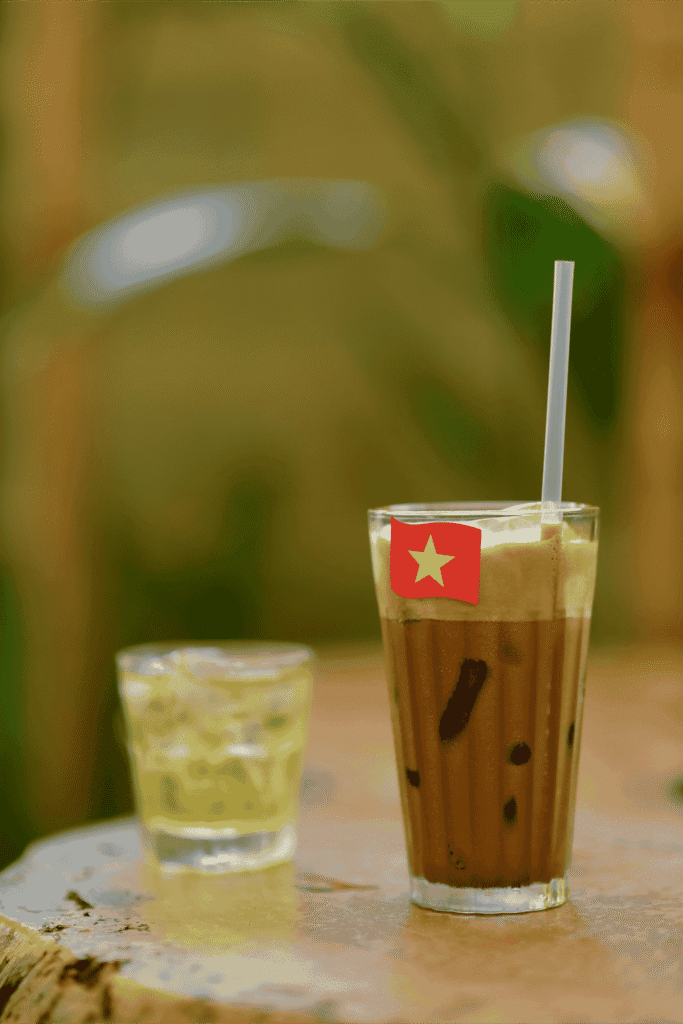
Vietnamese coffee is more than a drink—it’s part of the country’s culture. Whether served hot, iced, black, or with condensed milk, it’s a must-try for visitors.
When to Eat
| Dish | Best Time |
|---|---|
| Pho | Breakfast |
| Bun Cha | Lunch |
| Com Tam | Lunch/Dinner |
| Egg Coffee | Morning |
| Hu Tieu | Late Night |
Hidden Street Foods Most Tourists Miss
While pho and banh mi receive most of the attention, locals often recommend dishes such as bun bo Hue, banh xeo, cao lau, and nem lui. These regional specialties showcase the incredible diversity of Vietnamese cuisine and are well worth seeking out beyond the major tourist areas.
Is Vietnamese Street Food Safe?
Generally, yes. The best rule is simple: follow the locals. Busy stalls with high customer turnover usually serve the freshest food. Choose vendors who cook dishes to order and maintain clean preparation areas.
Street Food Etiquette in Vietnam
Part of enjoying Vietnamese street food is understanding a few local customs. While visitors are not expected to know every cultural detail, following these simple etiquette tips can make the experience more enjoyable and help travelers connect with local communities.
Cash Is Still Preferred
Although digital payments are becoming more common in major cities, many street food vendors still prefer cash. Carrying small denominations of Vietnamese Dong makes transactions easier and faster.
Small Plastic Stools Are Normal
Don’t be surprised if your meal is served at a tiny table with low plastic stools. This iconic part of Vietnamese street food culture may feel unusual at first, but it’s often where you’ll find some of the most authentic meals.
Sharing Tables Is Common
During busy meal times, locals frequently share tables with strangers. This is considered completely normal and reflects the communal nature of Vietnamese dining culture.
Locals Often Eat Quickly
Street food in Vietnam is designed for convenience. Many people stop for a quick meal before work, during lunch breaks, or on the way home. Don’t feel rushed, but don’t be surprised if local diners finish their meals quickly.
Respect Local Queues
Popular food stalls can attract long lines, especially during breakfast and lunch hours. Waiting patiently and respecting the order of service is always appreciated.
Try Local Condiments
Many Vietnamese dishes are served with fresh herbs, chili, lime, garlic vinegar, or fish sauce. Experimenting with these condiments is part of the experience and allows you to customize flavors like a local.
Embrace the Experience
The beauty of Vietnamese street food goes beyond the food itself. Sitting alongside locals, listening to the sounds of the city, and experiencing daily life firsthand is often what travelers remember most.
A willingness to try new foods and embrace local customs will make your Vietnamese street food adventure far more rewarding.
Street Food Safety Tips for Travelers
Vietnamese street food is generally safe when you follow a few common-sense guidelines.
✅ Choose Busy Vendors
Long lines usually indicate fresh ingredients and high turnover.
✅ Observe Food Preparation
Look for vendors who cook food fresh in front of customers.
✅ Drink Bottled Water
While local beverages are usually safe, travelers should stick to bottled water when possible.
✅ Follow Local Crowds
If locals are eating there, chances are the food is both delicious and trustworthy.
How Much Does Street Food Cost in Vietnam?
One of the greatest advantages of eating street food in Vietnam is affordability.
Typical prices include:
| Dish | Average Price (USD) |
|---|---|
| Pho | $1.50 – $4 |
| Banh Mi | $1 – $3 |
| Bun Cha | $2 – $5 |
| Com Tam | $2 – $5 |
| Hu Tieu | $2 – $4 |
| Vietnamese Coffee | $1 – $3 |
Travelers can comfortably enjoy several authentic meals daily while spending far less than they would in most Western countries.
A One-Day Vietnamese Street Food Itinerary
If you’re visiting Vietnam for the first time, this simple itinerary offers an excellent introduction to the country’s most famous dishes.
Breakfast: Pho
Start your day like a local with a steaming bowl of pho. Arrive early to enjoy the freshest broth and the most authentic atmosphere.
Mid-Morning: Egg Coffee
Take a break at a traditional coffee shop and experience Hanoi’s famous egg coffee, one of the most unique beverages in Southeast Asia.
Lunch: Bun Cha
Enjoy grilled pork, rice noodles, and fresh herbs for a classic Hanoi lunch experience.
Afternoon Snack: Banh Mi
A freshly made banh mi is perfect for exploring the city while sampling one of Vietnam’s most beloved street foods.
Dinner: Com Tam
In Ho Chi Minh City, com tam is a favorite evening meal featuring grilled pork, broken rice, and flavorful fish sauce.
Late-Night Supper: Hu Tieu
End the day with a comforting bowl of hu tieu, a southern Vietnamese noodle soup that locals enjoy well into the evening.
Following this one-day Vietnamese Street Food Guide allows travelers to experience many of Vietnam’s most iconic flavors in just 24 hours.
The Real Secret of Vietnamese Street Food
The true magic of Vietnamese street food isn’t simply the food itself.
It’s the experience.
It’s sitting on a tiny plastic stool beside strangers. Watching generations-old recipes prepared by hand. Hearing motorcycles pass by while sipping strong Vietnamese coffee. Smelling fresh herbs being chopped moments before they reach your plate.
Vietnam’s street food scene offers something increasingly rare in modern travel: authenticity.
Every bowl, sandwich, and plate tells a story about local culture, family traditions, and regional identity.
And for many visitors, those flavors become their strongest memory of Vietnam long after the journey ends.
Frequently Asked Questions About Vietnamese Street Food Guide
Is Vietnamese street food safe?
Yes, Vietnamese street food is generally safe for travelers when basic precautions are followed. Choose busy vendors with high customer turnover, watch food being prepared fresh, and avoid stalls where food has been sitting out for long periods. Following local crowds is often the best way to find both safe and delicious food.
What is the most famous Vietnamese street food?
Pho is widely considered Vietnam’s most famous street food and one of the country’s most iconic dishes. This traditional noodle soup is made with slow-simmered broth, rice noodles, fresh herbs, and beef or chicken. It is enjoyed daily throughout Vietnam and is often the first dish visitors try.
Is street food cheaper than restaurants in Vietnam?
Yes. Street food is typically much more affordable than restaurant dining. Most street food meals cost between $1 and $5 USD, making Vietnam one of the best-value food destinations in the world. Many travelers find that some of their most memorable meals come from small local food stalls rather than expensive restaurants.
How much should I budget for food in Vietnam?
Vietnam is one of Asia’s most affordable culinary destinations. Travelers who primarily eat local food can comfortably budget between $10 and $20 USD per day. Those who mix street food with restaurants, cafés, and occasional fine dining may spend between $20 and $40 USD daily.
What is the best city for food in Vietnam?
Both Hanoi and Ho Chi Minh City offer outstanding food experiences. Hanoi is known for pho, bun cha, banh cuon, and egg coffee, while Ho Chi Minh City is famous for com tam, hu tieu, banh xeo, and its vibrant street food scene. Food lovers should try to experience both cities during their trip.
What should first-time visitors eat in Vietnam?
First-time visitors should start with pho, banh mi, bun cha, com tam, fresh spring rolls, and Vietnamese coffee. These dishes provide an excellent introduction to Vietnam’s regional flavors and culinary traditions.
Is Vietnamese food spicy?
Vietnamese cuisine is generally milder than Thai cuisine. Most dishes focus on freshness, herbs, and balanced flavors rather than intense heat. Chili peppers are usually served separately, allowing diners to customize the spice level to their taste.
Can vegetarians eat Vietnamese street food?
Absolutely. Vegetarian travelers can find a wide variety of options, including tofu dishes, vegetable noodle soups, sticky rice, fresh spring rolls, and vegetarian banh mi. Major cities such as Hanoi, Da Nang, and Ho Chi Minh City also offer numerous vegetarian restaurants and food stalls.
Do street food vendors accept credit cards?
Most traditional street food vendors still prefer cash. However, digital payments and mobile wallets are becoming increasingly common in larger cities. Travelers should carry some Vietnamese Dong when exploring local markets and street food areas.
What time of day is best for Vietnamese street food?
Many Vietnamese dishes are associated with specific meal times. Pho is commonly eaten for breakfast, bun cha is traditionally a lunch dish, while com tam and hu tieu are popular for lunch, dinner, and late-night meals. Eating during local meal times often provides the most authentic experience.
Which Vietnamese street foods are unique to specific regions?
Several dishes are strongly associated with particular regions of Vietnam. Bun bo Hue originates from Hue, cao lau is unique to Hoi An, bun cha is a Hanoi specialty, and com tam is most closely associated with Ho Chi Minh City. Exploring regional specialties is one of the highlights of traveling through Vietnam.
Can I drink coffee from street vendors in Vietnam?
Absolutely. Vietnamese coffee is one of the country’s most beloved beverages. Street-side coffee shops and local cafés often serve excellent iced coffee, black coffee, coconut coffee, and the famous Hanoi egg coffee at very affordable prices.
If you’re planning your trip, you may also want to explore our guides to:
- Vietnam Visa Guide
- Best Places to Visit in Vietnam
- Best Vietnam Tours
- Best Resorts in Vietnam
- Best Places for Digital Nomads in Vietnam
- Vietnam Transportation Guide
These internal guides help travelers better understand transportation, budgeting, itineraries, accommodation, and local travel experiences across Vietnam.
The most memorable trips in Vietnam are rarely the ones that move the fastest.
Conclusion: Why Every Traveler Needs a Vietnamese Street Food Guide
The best way to understand Vietnam is through its food. From a morning bowl of pho in Hanoi to a late-night serving of hu tieu in Ho Chi Minh City, every meal offers a glimpse into the country’s culture, history, and daily life.
This Vietnamese Street Food Guide highlights not only Vietnam’s most famous dishes but also the regional specialties, local neighborhoods, and authentic experiences that make the country one of the world’s top culinary destinations.
Whether you’re visiting Vietnam for a week or several months, following this Vietnamese Street Food Guide will help you eat like a local, discover hidden gems, and create unforgettable travel memories one meal at a time.
If you enjoy slower, experience-focused travel, we also share local insights, food experiences, and practical Vietnam travel advice through our YouTube channel:
TAM VOC VIET – VIETNAM INSIGHTS
Planning a Longer Vietnam Journey?
Many remote workers combine their stay in Da Nang, Hanoi, and Ho Chi Minh City with a broader trip across the country.
Explore our guides:
Author Note
This guide is based on travel experiences across Northern, Central, and Southern Vietnam between 2023 and 2026, including visits to Hanoi, Ha Long Bay, Ninh Binh, Hue, Da Nang, Hoi An, Nha Trang, Da Lat, Ho Chi Minh City, and the Mekong Delta.
Recommendations were developed through local food experiences, regional travel research, and direct observations from multiple visits throughout Vietnam.
