


 Tiếng Việt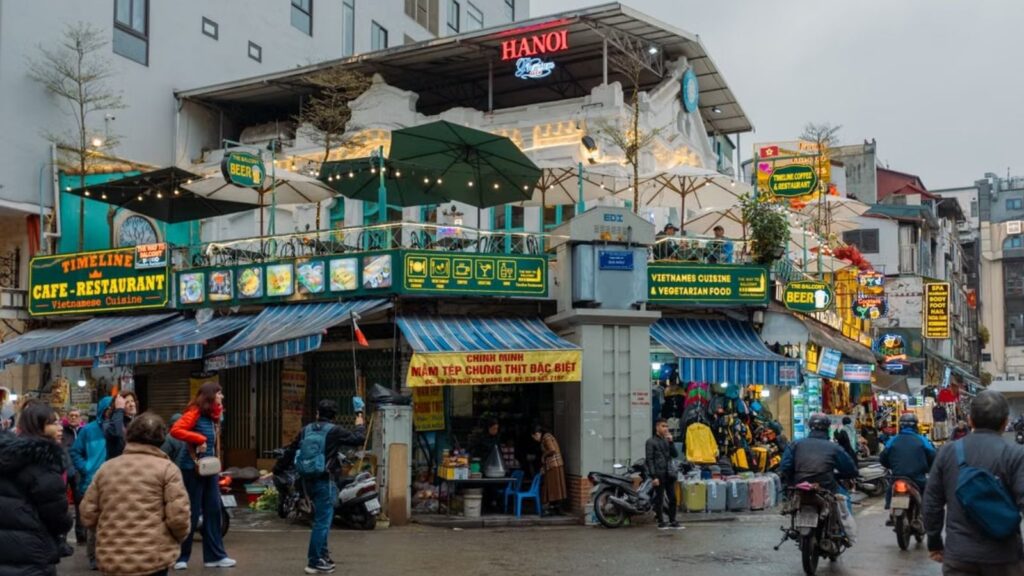
Visiting Vietnam and living in Vietnam are two very different experiences.
As a visitor, you notice the obvious things first: motorbikes, street food, coffee, tropical weather, noise, friendliness, and the energy of everyday life.
Stay longer, and another Vietnam begins to appear.
It is in conversations with neighbors. In the way people ask your age before asking what you do. In a meal that suddenly includes five more people than expected. In the realization that a busy street can function as a restaurant, workshop, meeting place, and living room at the same time.
Some of these things are charming. Others can be confusing. A few can be frustrating.
That is what makes living in Vietnam different from simply traveling through it.
The biggest surprises are rarely the ones in a guidebook.
They are the ordinary habits that quietly shape your days — and eventually change what “normal” means to you.
Quick Answer
Foreigners living in Vietnam often notice five things first: how much daily life happens in public, how communication depends on context, how food and coffee create social connections, how flexible everyday routines can be, and how quickly unfamiliar habits become familiar.
But there is no single version of life in Vietnam.
Hanoi feels different from Ho Chi Minh City. Da Nang has a different rhythm again. A foreign professional may experience Vietnam very differently from a student, retiree, entrepreneur, or someone living with a Vietnamese family.
What feels unusual at first may eventually become ordinary: breakfast on a sidewalk stool, a personal question from someone you have just met, a coffee shop where you spend half the afternoon, or a sudden change of plans because of rain.
The biggest adjustment is often not learning how Vietnam works.
It is learning to see what once felt unusual as part of everyday life.
What tends to surprise foreigners most?
- Public life is highly visible. Streets, sidewalks, cafés, and small businesses often become part of social life.
- Communication depends on context. Relationships, tone, and situation can matter as much as the words themselves.
- Food and coffee are social experiences. They are often places to meet, talk, and maintain relationships.
- Daily life is adaptable. Small businesses, local services, delivery networks, and neighborhood relationships make many things surprisingly easy.
- The unfamiliar becomes familiar. After enough time, things you once noticed every day can simply become routine.
Table of Contents
1. Vietnam Can Look Chaotic — Yet Surprisingly Efficient
One of the first things many foreigners notice about living in Vietnam is the apparent chaos.
Motorbikes stream through intersections. A delivery rider stops beside a café. Someone unloads boxes while another person buys breakfast. A sidewalk that was clear five minutes ago becomes a row of plastic stools.
At first, it can be hard to see how everything works.
Then you live here.
You begin to notice that everyday life often depends on flexibility. Not everything follows a fixed sequence, and not every problem requires a large formal system.
A neighborhood shop may handle several needs. A repair can happen in a tiny storefront. An order may be placed by phone, social media, or simply because someone knows you.
The system is not necessarily invisible.
It is simply spread across thousands of small interactions.
Need lunch? There may be a place downstairs.
Need something delivered? Someone can bring it across town.
Need a repair? Ask around.
Need to change your plans because of rain? Everyone else is doing the same.
The important distinction is this:
Vietnam can feel chaotic without necessarily feeling inconvenient.
The longer you live here, the less you expect every day to follow one perfect plan.
You leave room for traffic, weather, delays, unexpected invitations, and solutions you did not anticipate.
And somehow, the day keeps moving.
2. The Street Is More Than a Street
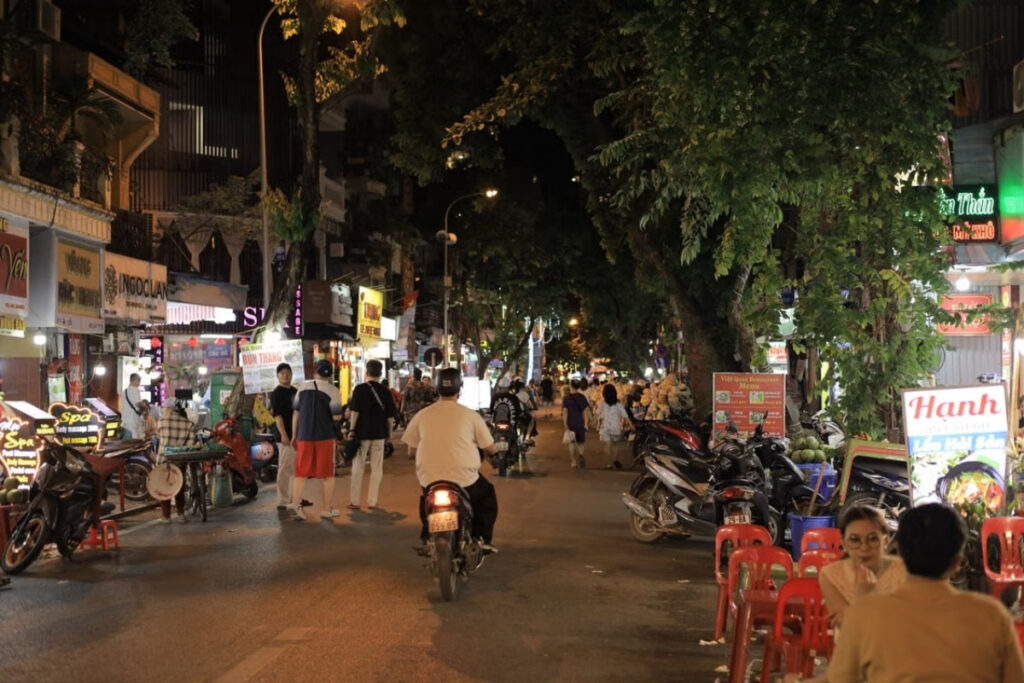
Spend an ordinary morning in a Vietnamese neighborhood and you may notice something that feels different from many Western cities.
The street is already busy.
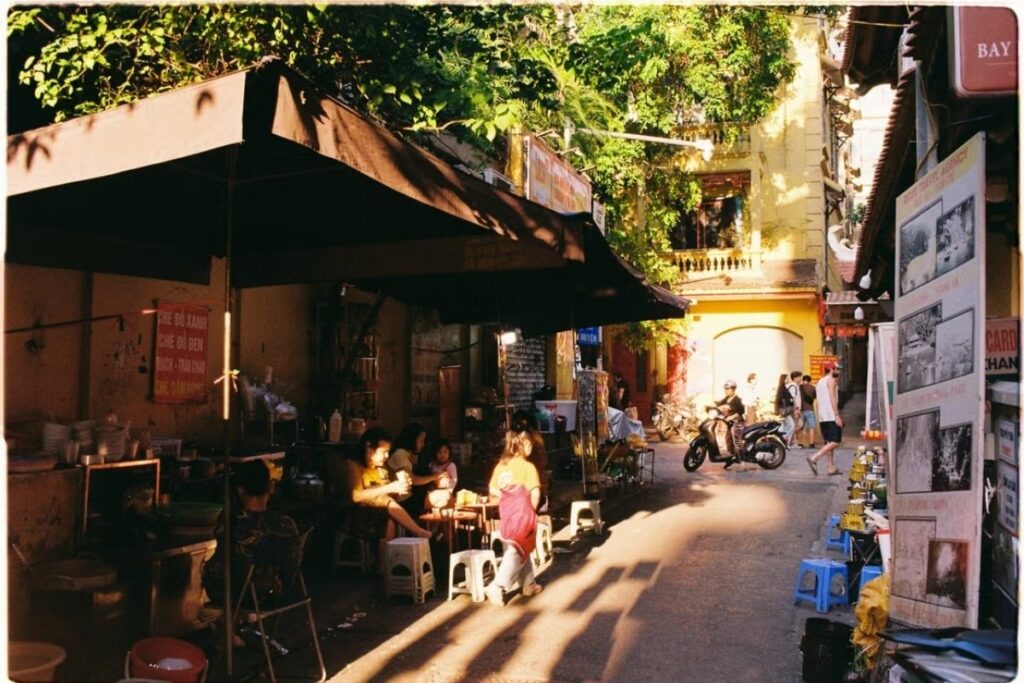
Someone is eating breakfast on a tiny plastic stool. A neighbor drinks coffee outside. A motorbike repair shop is open. A vendor passes with food on a motorbike. Later, the same sidewalk may become a place to sit, shop, talk, park, or eat.
In Vietnam, the boundary between public and private space can feel more fluid than many foreigners expect.
Research on Vietnamese urban streets has examined how sidewalks can accommodate commercial activity, social interaction, household life, and movement at the same time.
In Ho Chi Minh City, this is particularly visible in alleyway neighborhoods, where homes, small businesses, food stalls, and social spaces often sit close together.
The question is not simply why people use sidewalks this way.
It is what those spaces allow.
People see their neighbors. They exchange greetings. They buy breakfast. They conduct small transactions. They remain connected to what is happening around them.
That is why the street can feel so alive.
You do not always need to go somewhere to participate in neighborhood life.
Sometimes, you simply sit outside.
The longer you stay, the less you see the street as scenery.
You start seeing it as part of daily life.
3. The Small Businesses That Make Everyday Life Easier
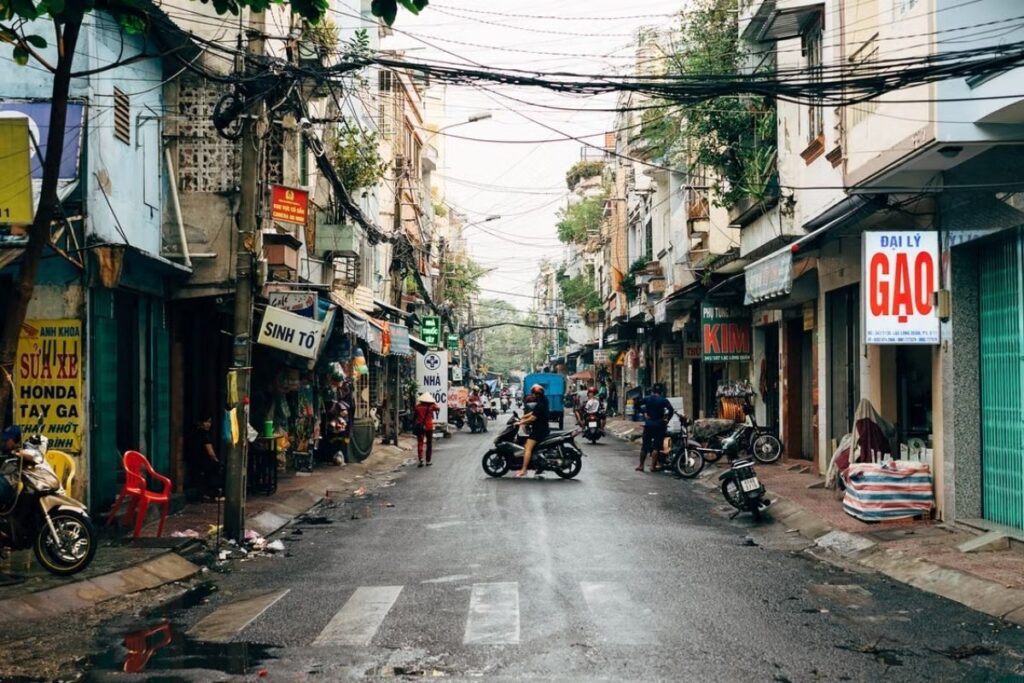
One of the more practical surprises of living in Vietnam is how many everyday problems can be solved at a very small scale.
A key needs copying.
A shirt needs altering.
A phone needs repairing.
Laundry needs collecting.
You need breakfast before work.
In many neighborhoods, none of this requires a trip to a large store or service center.
There may simply be someone nearby who does it.
You start noticing the tailor who remembers your measurements.
The person who fixes your phone.
The woman who sells breakfast every morning.
The shop that knows your usual order.
The delivery rider who knows your building.
These businesses rarely advertise themselves as part of a sophisticated urban system.
But together, they make daily life work.
Vietnam’s delivery economy adds another layer. Ride-hailing and delivery platforms have become part of urban routines, while small local businesses continue to handle countless everyday needs.
None of this means everything in Vietnam is convenient.
Bureaucracy can be slow. Some services are inconsistent. Administrative tasks can require patience.
The point is different.
At street level, everyday life often has a remarkable ability to improvise.
You do not always need a large institution to solve a small problem.
Sometimes you just need to know who to ask.
4. People May Ask Personal Questions Very Quickly
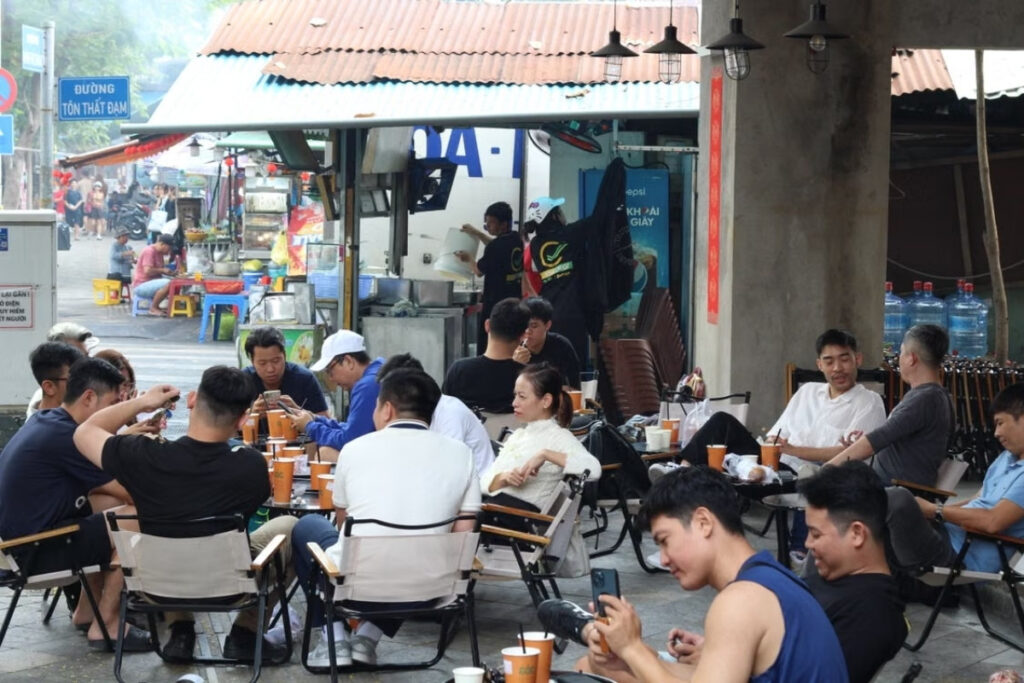
One of the first social surprises for many foreigners in Vietnam is how quickly an ordinary conversation can become personal.
How old are you?
Are you married?
Do you have children?
Where are you from?
How long have you lived here?
What do you do?
Depending on where you come from, these questions may feel unusually direct.
Age can matter socially in Vietnam because it helps shape how people address one another. Asking someone’s age may therefore be partly about understanding how to relate to them.
Family questions can work in a similar way.
They can be a way of starting a relationship.
That does not mean every question will feel comfortable.
Foreigners may encounter questions about marriage, income, appearance, or children that would be considered private at home.
You are allowed to have boundaries.
You can decline to answer. You can laugh it off. You can change the subject.
But context can change the experience.
Instead of immediately thinking, Why is this person being so intrusive?, you may eventually recognize that the question is sometimes an attempt to place you within a social relationship.
Some questions get a serious answer.
Some get a joke.
Some get a smile.
Some simply get:
“It’s complicated.”
Living abroad is not only about learning what people say.
It is also about learning why a question is being asked.
5. “Yes” Does Not Always Mean a Firm Yes
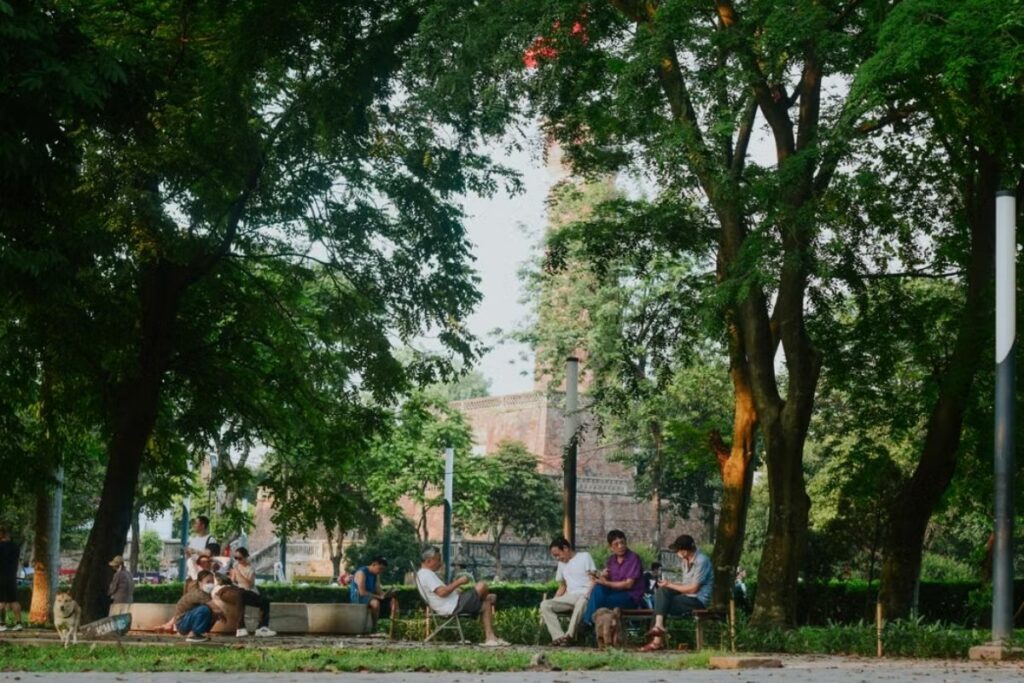
This is one of the communication differences that can confuse foreigners in Vietnam.
A conversation may appear to end with agreement.
“Okay.”
“Yes.”
“Maybe.”
“I’ll see.”
A foreigner accustomed to explicit communication may hear a firm commitment where the other person intended something softer.
Research on Vietnamese communication has described the importance of politeness, context, and social harmony in some forms of interaction.
That can matter when someone is declining an invitation, responding to a request, or avoiding an uncomfortable disagreement.
But there is an important distinction:
Not every “yes” is secretly a “no.”
That would be another stereotype.
The difficulty comes with ambiguous answers.
“I’ll see.”
“Maybe another time.”
“That might be difficult.”
Depending on the situation, these can function as softer refusals.
For foreigners, the useful skill is not learning to distrust every answer.
It is learning to listen for certainty.
Is there a date?
A time?
A specific plan?
A follow-up?
Those details may tell you more than the word “yes” itself.
Eventually, you become better at reading the whole conversation rather than waiting for one perfectly explicit sentence.
6. Vietnamese Can Be Surprisingly Direct About Personal Matters
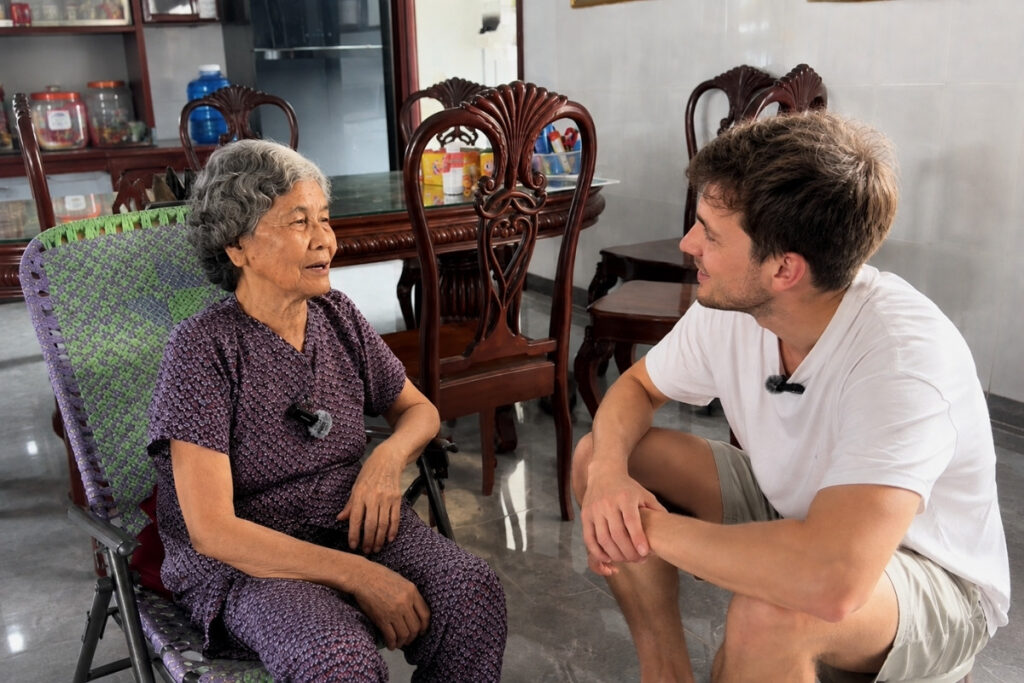
One of the more unexpected parts of life in Vietnam is how quickly a conversation can move into personal territory.
Someone you have just met may ask your age.
Then whether you are married.
Then whether you have children.
If you are not married, there may be another question about why.
For some foreigners, this feels unusually direct.
Questions about appearance, weight, relationships, or family plans may also come more casually than they would at home.
Someone might tell you that you look tired.
They may comment that you have gained or lost weight.
They may ask whether you are dating.
They may suggest that you should get married.
Or they may ask when you plan to have children.
If these subjects are private in your culture, the natural reaction is:
“Why are they asking me this?”
The boundary between personal curiosity and ordinary conversation is not drawn in exactly the same place everywhere.
Age has a practical role in Vietnamese social interaction. It can help determine how people address one another and which pronouns or kinship terms feel appropriate.
Family can work in a similar way.
Marriage and children may be understood not only as individual matters, but also in relation to family and social relationships.
That does not make every question comfortable.
And it does not mean foreigners have to accept comments they find inappropriate.
You can change the subject.
You can give a vague answer.
You can laugh.
Or you can simply say you would rather not discuss it.
Sometimes the question is curiosity.
Sometimes it is an attempt to show interest.
Sometimes it is simply how someone learned to make conversation.
And sometimes, frankly, it is just a nosy question.
You do not have to romanticize the difference.
You just have to understand it.
The surprise is not simply that people ask personal questions.
It is realizing that “personal” does not always mean “private” in the same way everywhere.
7. Being a Foreigner Can Make You Surprisingly Visible
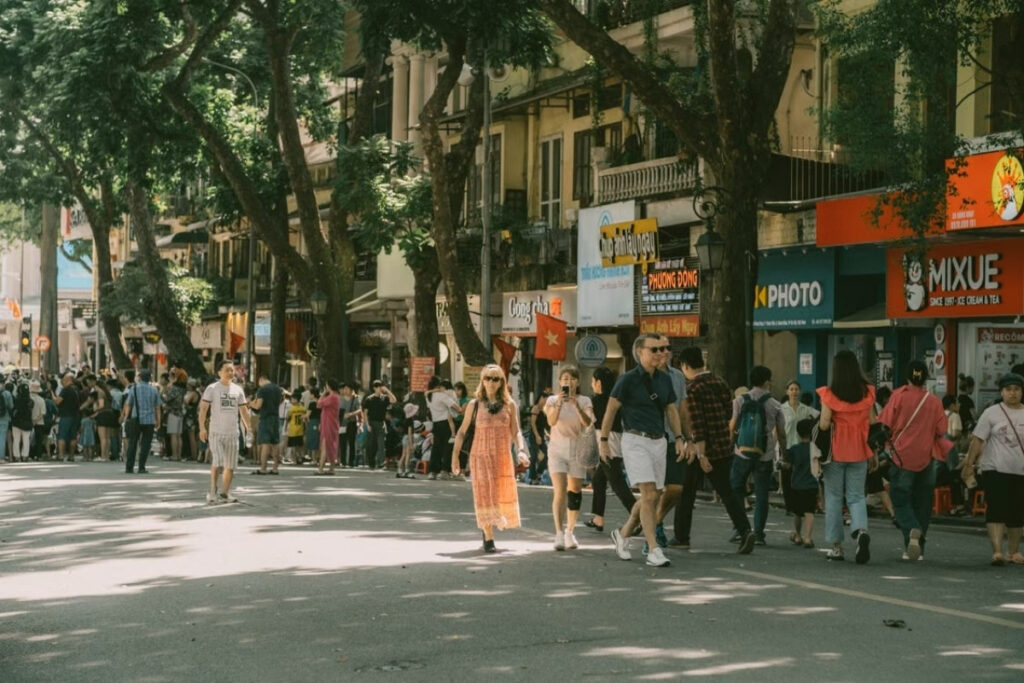
For some foreigners, being noticed is one of the first unexpected parts of life in Vietnam.
People may look.
Someone may practice English with you.
A stranger may ask where you are from.
In places with fewer international visitors, this can be especially noticeable.
At first, the attention can feel flattering.
After a while, you may simply wish to buy your coffee without becoming a conversation starter.
The experience varies by appearance, nationality, language ability, age, location, and length of stay.
A foreign tourist in central Hanoi may have a very different experience from a foreign resident in a smaller city.
But something else changes too: your own reaction.
The café owner recognizes you.
The neighborhood shop knows your usual order.
A neighbor begins greeting you.
The security guard knows your face.
You are still visibly foreign.
But you are no longer completely unfamiliar.
Living somewhere does not necessarily mean disappearing into the crowd.
Sometimes it means becoming familiar within the crowd.
8. “Foreigner” Does Not Mean One Single Experience
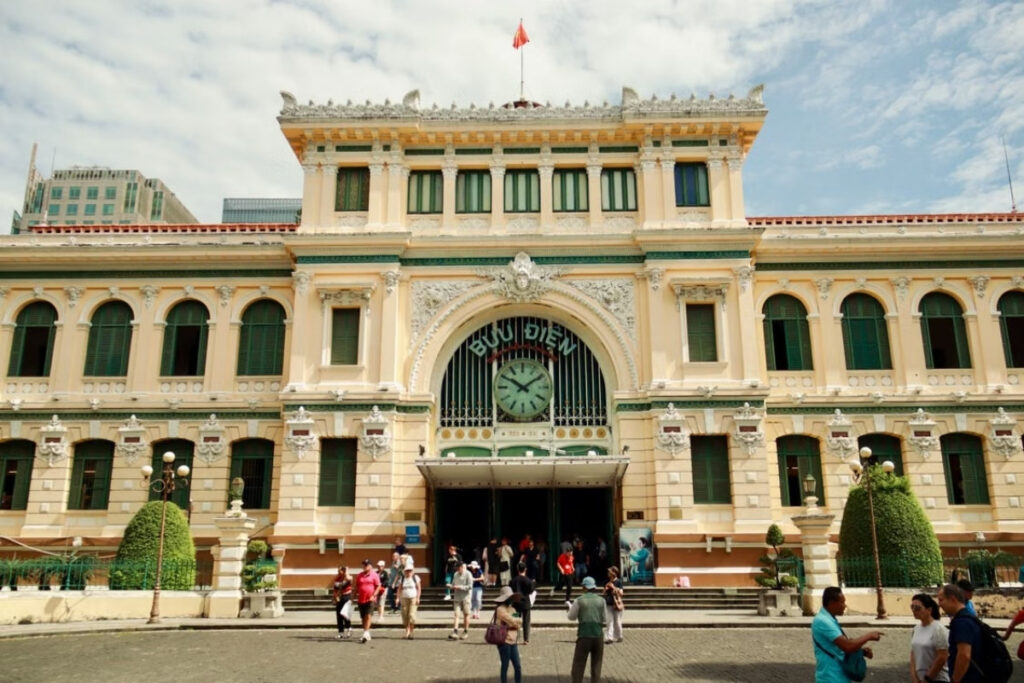
It is easy to talk about foreigners living in Vietnam as if they share one experience.
They do not.
Location matters.
Hanoi is not Ho Chi Minh City.
Da Nang is not Hanoi.
A smaller provincial city can feel completely different from all three.
Length of stay matters too.
So does work, language ability, income, relationships, and the reason someone came to Vietnam.
A foreign professional in a Vietnamese company may notice different social expectations from a remote worker, student, retiree, or entrepreneur.
Even the same situation can look different.
A visitor thinks about the price of a bowl of noodles.
A resident thinks about where to buy groceries after work.
A visitor finds traffic exciting.
A resident knows which road becomes difficult at 5:30 p.m.
That is why expat life in Vietnam is not one experience.
It is thousands of individual versions of life in Vietnam.
The useful question is not:
“What do foreigners think about Vietnam?”
It is:
“What does this particular foreign resident’s life look like here?”
That distinction keeps cultural writing honest.
9. The Moment You Stop Feeling Like a Visitor
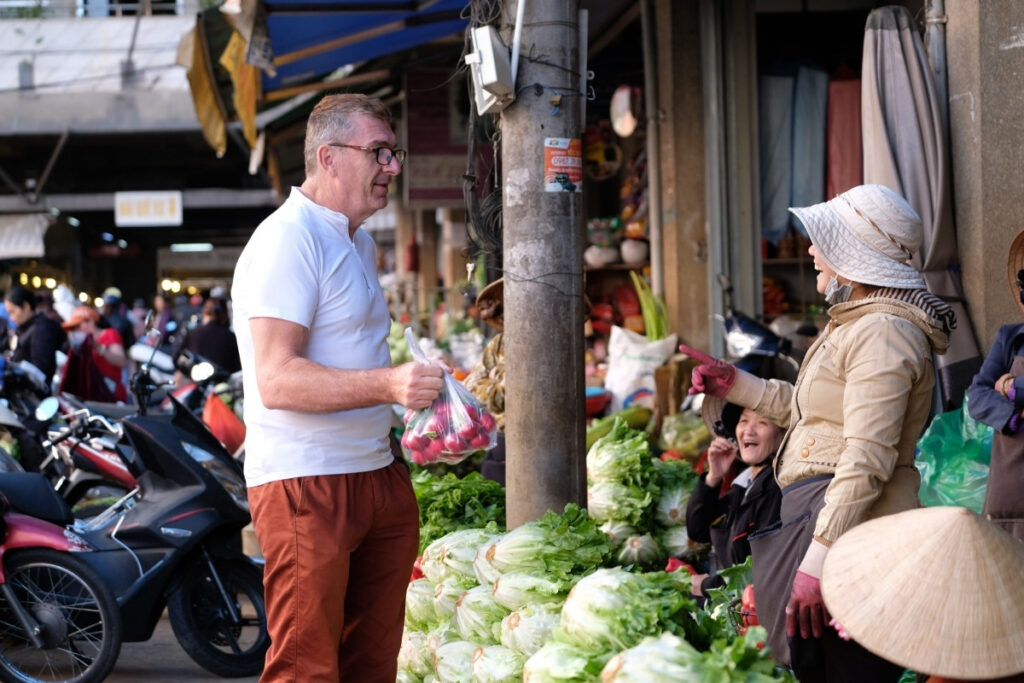
There is a point in living abroad when your questions change.
Visitors ask:
“Where should I go?”
Residents ask:
“Where can I get this repaired?”
Visitors photograph the street.
Residents know which street floods after heavy rain.
Visitors search for the best restaurant.
Residents have a favorite place for a quick bowl of noodles on a Tuesday night.
Visitors think about what to see tomorrow.
Residents think about groceries, traffic, laundry, work, and whether they can get home before the rain.
That shift is more than a change in vocabulary.
It is when a place starts becoming part of your routine.
You know which convenience store stays open late.
You recognize people at the food stall downstairs.
You have an opinion about which route is faster.
You stop photographing certain streets because you see them every day.
And then local people begin to recognize you too.
Someone remembers your usual order.
A shopkeeper asks about your work.
A neighbor waves.
A friend invites you to a family meal.
In Hanoi, this can happen within a few blocks of narrow residential streets where homes, food stalls, cafés, and small businesses sit side by side.
In Ho Chi Minh City, alleyway neighborhoods can create the same feeling through a different urban rhythm.
In Da Nang, residential areas near the beach combine cafés, local businesses, and everyday routines with a slower pace.
The details change.
The feeling is the same.
A city stops being a collection of destinations.
It becomes a collection of relationships and routines.
That is when you stop feeling like a visitor.
Not because you become local.
But because the place becomes personal.
10. Meals Can Become a Way of Being Included
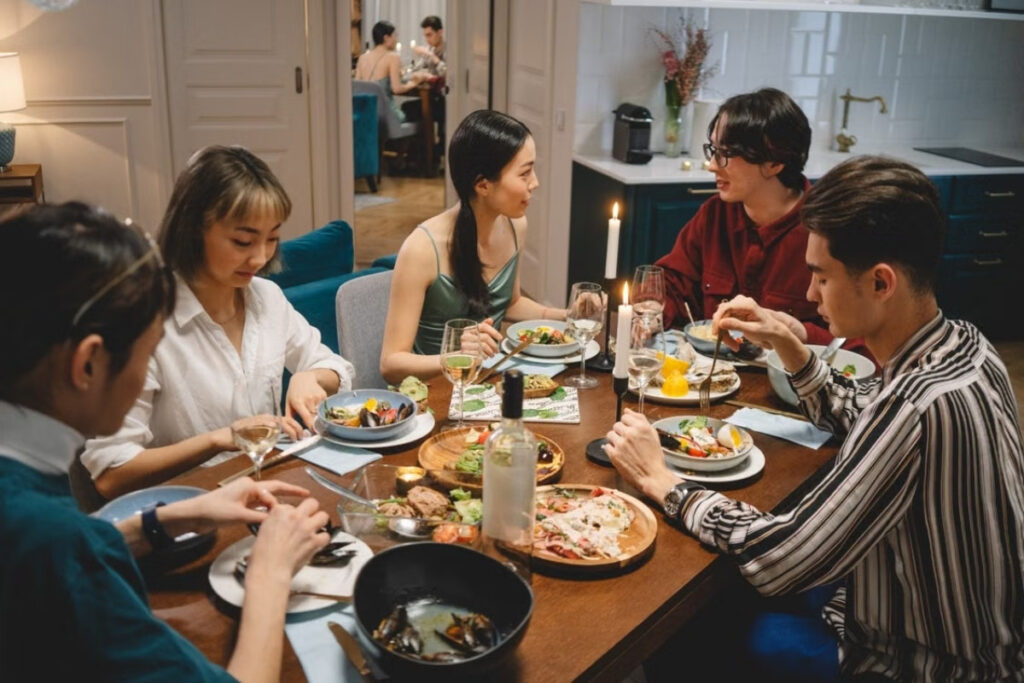
Food is one of the easiest ways for foreigners to connect with Vietnam.
But the deeper surprise is often not what is on the table.
It is what happens around it.
Several dishes may sit in the middle of the table, with everyone sharing.
Someone encourages you to try another dish.
Someone puts food into your bowl.
Someone notices you have barely eaten and offers more.
For a foreigner used to more individual meals, this can feel surprisingly intimate.
But the important question here is not how every Vietnamese family eats.
It is what happens when you are invited into the meal.
Maybe it is a colleague’s home.
Maybe it is dinner after work.
Maybe a friend’s parents keep putting more food on your plate.
Maybe someone orders dishes you would never have chosen yourself because they want you to try them.
The food may not be expensive.
The setting may not be impressive.
But the invitation carries meaning.
You are being included in a social moment that existed before you arrived.
You are no longer simply trying Vietnamese food.
You are participating in someone’s everyday life.
The meal was never just about eating.
It was about making room for another person at the table.
11. Coffee Shops Can Become Part of Your Social Life
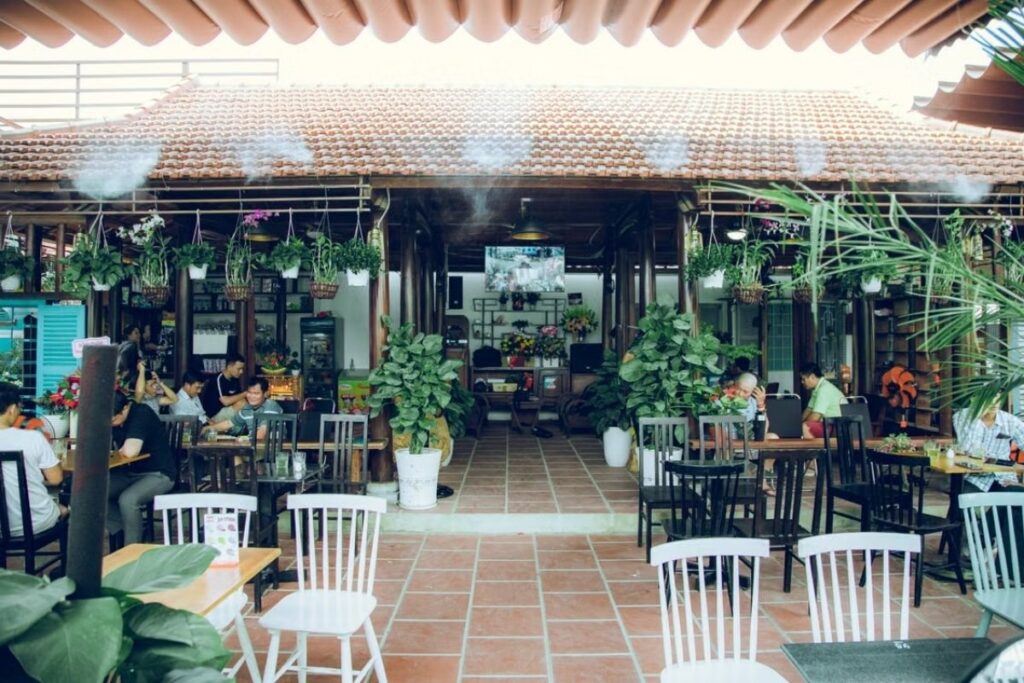
Vietnam’s coffee culture is easy to notice as a visitor.
Living here reveals something more interesting.
A café is not always somewhere you go specifically for coffee.
It can be a place to meet a friend, work, study, wait for someone, have a casual meeting, or simply watch the neighborhood.
Research on Vietnamese cafés has found that the experience involves more than the drink itself, including the environment, location, service, and social atmosphere.
That helps explain the variety.
There are polished specialty shops.
Air-conditioned cafés where people work for hours.
And tiny sidewalk places with little more than plastic chairs and a low table.
In Hanoi, coffee can mean sitting close to the street and watching the neighborhood pass by.
In Ho Chi Minh City, cafés range from tiny local spots to large spaces where people work or escape the heat.
In Da Nang, coffee can become part of a slower morning routine, particularly in residential areas near the beach.
The important part is not which city does coffee “best.”
It is what the café allows you to do.
You do not always need a formal destination for social life.
A chair on the sidewalk can be enough.
A single coffee can buy you an hour of conversation.
Eventually, the staff may recognize you.
You may sit in the same corner.
You may order the same drink.
And one day, you realize you are not there because you wanted Vietnamese coffee.
You are there because this place has become part of your life.
12. The Day Often Starts Earlier Than You Expect
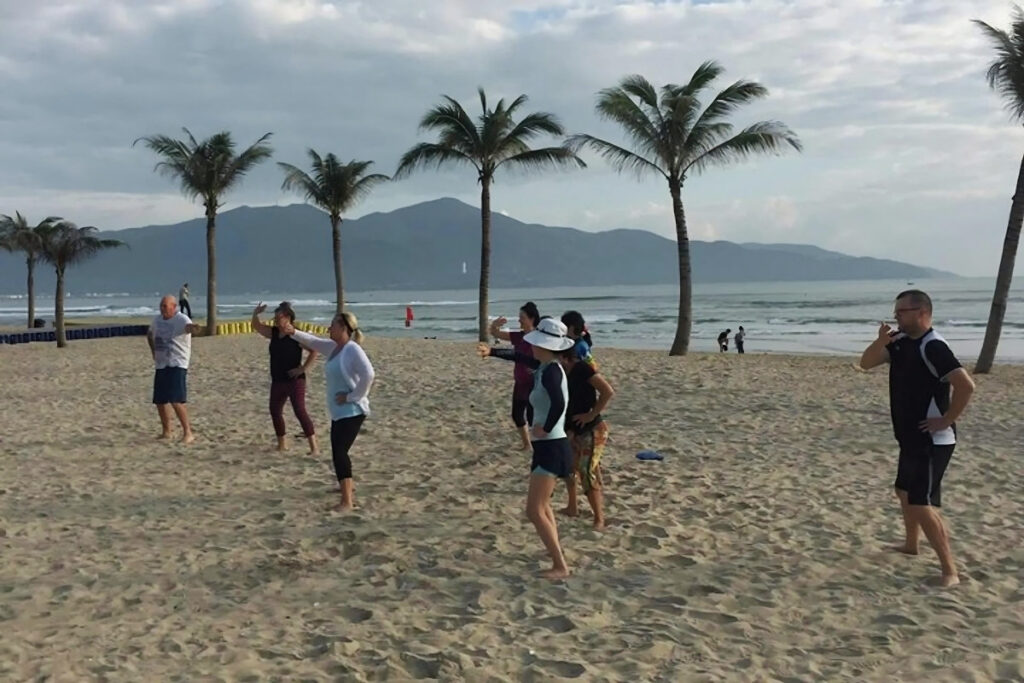
For many foreigners, one of the easiest ways to notice the rhythm of everyday life in Vietnam is to wake up early.
Before many offices open, neighborhoods may already be active.
Breakfast vendors are preparing food.
Markets are getting busy.
People are walking or exercising.
Motorbikes begin filling the streets.
The city is awake.
The experience varies by place.
In Da Nang, the area around My Khe Beach can be active around sunrise, with residents walking, exercising, swimming, or stopping for breakfast.
In Hanoi, early mornings can feel more neighborhood-based, with markets opening and people exercising around local lakes and public spaces.
In Ho Chi Minh City, traffic, food stalls, deliveries, and small businesses can make the morning feel faster.
The details are different.
The underlying surprise is the same.
Morning is not simply the time between waking up and going to work.
It can already be a social part of the day.
You may discover that a morning walk is easier than an evening one.
That breakfast tastes better from a neighborhood stall.
Or that a little quiet time is worth waking up for.
You are no longer waking up after Vietnam has started its day.
You are waking up with it.
13. Weather Does More Than Change Your Plans
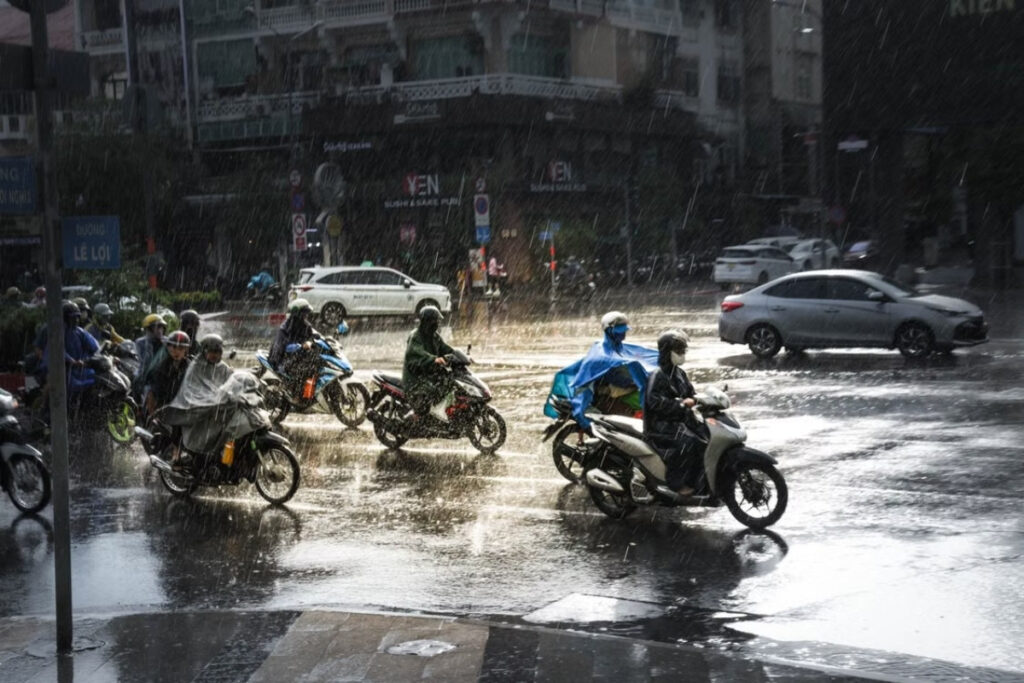
Vietnam’s weather can affect everyday life in ways that are easy to underestimate.
A downpour can change a commute.
Heat and humidity can determine when you exercise.
A storm can change where you eat.
A flooded street can turn a five-minute journey into a different trip.
But the interesting part is not simply that Vietnam is hot and rainy.
It is how people adapt.
Awnings extend over sidewalks.
Cafés become temporary shelters.
Vendors cover their goods.
Motorbike riders pull on raincoats.
People wait under shopfronts until the worst passes.
Then the street returns to normal.
Weather becomes part of the rhythm.
You start asking not only:
“Will it rain?”
but:
“When?”
“How long?”
“Which route?”
“Where can I wait?”
Eventually, you stop treating weather as an interruption.
You build it into the day.
A raincoat becomes part of what you carry.
Certain streets become routes you avoid after heavy rain.
A dark sky can be enough reason to leave work earlier.
That is simply another part of learning how living in Vietnam works.
14. Old and New Vietnam Often Share the Same Street
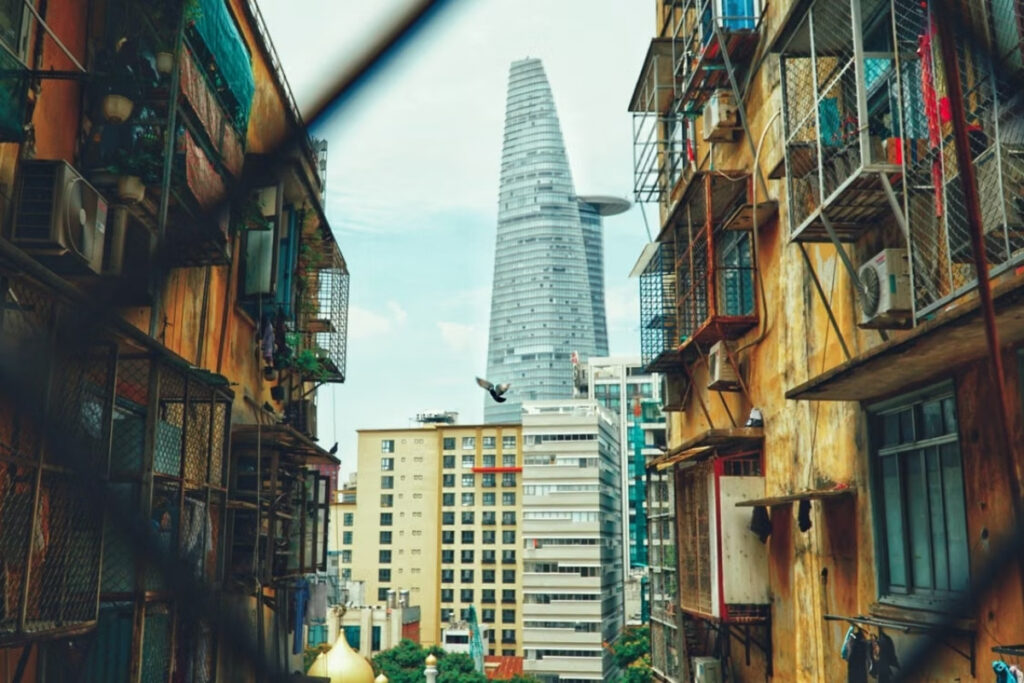
Perhaps one of the most striking things about contemporary Vietnam is how easily different eras exist beside one another.
A modern apartment building may stand above a narrow neighborhood street.
A young professional may work for an international company while maintaining family traditions passed down through generations.
Someone may pay for dinner with a smartphone and return home to light incense at a family altar.
A traditional market may sit a short ride from a modern shopping mall.
A tiny family business may operate beneath a glass office tower.
None of this feels unusual once you live here.
But it can be difficult to understand if you arrive expecting either a traditional Vietnam or a fully modern one.
You see the contrast clearly in the major cities.
In Ho Chi Minh City, high-rise development continues alongside dense alleyway neighborhoods.
In Hanoi, new apartment towers can stand close to streets where family businesses and long-established routines continue.
In Da Nang, newer residential and tourism development exists alongside fishing communities, local markets, and beachside life.
The result is not a clean transition from “old” to “new.”
It is overlap.
You see them sharing the same space.
That is why photographs of Vietnam can sometimes feel incomplete.
A picture may show a traditional market or a modern skyline.
Living here lets you see what happens between those images.
Vietnam is not frozen in tradition.
But neither is it simply racing toward modernity.
It is doing both at once.
15. The Longer You Stay, the Less “Strange” Vietnam Becomes
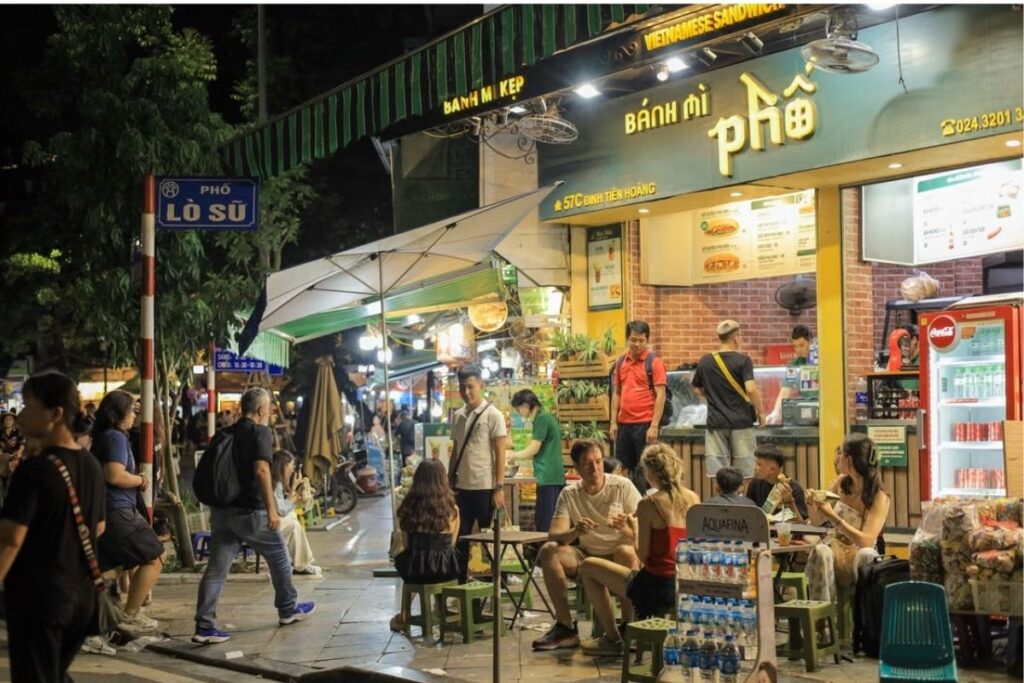
Perhaps the biggest surprise of living in Vietnam is not something Vietnam does.
It is what happens to you.
When you first arrive, you notice everything.
The traffic.
The noise.
The questions.
The food.
The tiny chairs.
The way people communicate.
The way streets are used.
At first, you compare everything with home.
Why do they do it this way?
Why is this so loud?
Why is this person asking me that?
Then the comparisons become less frequent.
You develop routines.
You know where to eat.
You know which route to take.
You understand which questions are simply curiosity.
You recognize the people around you.
You may even find yourself explaining Vietnam to someone who has just arrived.
That is when you realize something has changed.
Vietnam has not necessarily become less different.
You have simply become more familiar with the difference.
Some things will always frustrate you.
Some customs may never feel completely natural.
Living abroad does not mean pretending every difference is wonderful.
It means learning that your own way is not the only way everyday life can work.
And sometimes the strangest part is discovering that something you once found unusual has quietly become part of your own routine.
You stop thinking about it.
You simply do it.
That may be the most meaningful transition of all.
Final Thoughts: When Vietnam Starts to Feel Normal
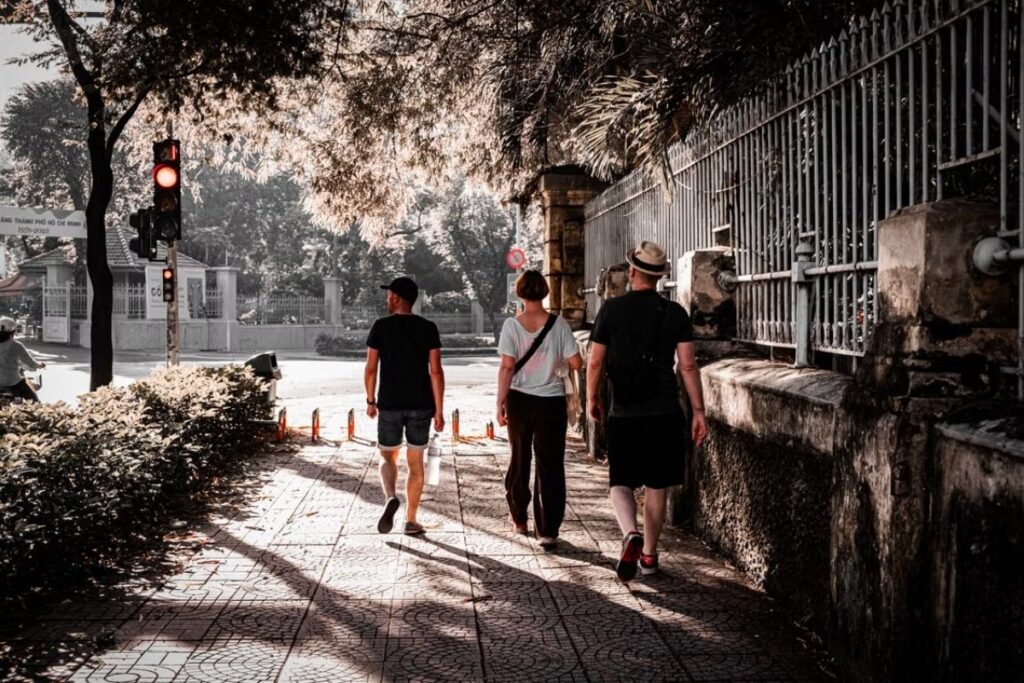
The things that stay with you after living in Vietnam are usually not the things you photographed.
They are smaller.
A coffee shop where someone knows your order.
A neighbor who greets you every morning.
A meal that lasts two hours.
A street you once thought was chaotic but now cross without thinking.
A rainy afternoon that changes your plans before you check the forecast.
A personal question that once felt intrusive but eventually sounds ordinary.
These moments rarely announce themselves as important.
Together, they change what everyday life feels like.
That is why living in Vietnam is so different from visiting for a week.
A traveler notices the highlights.
A resident notices the patterns.
You begin to understand how neighborhoods wake up, how people communicate, how food creates relationships, how small businesses keep daily life moving, and how public spaces become part of ordinary routines.
You also learn that there is no single experience of Vietnam.
Hanoi is not Ho Chi Minh City.
Da Nang is not a provincial town.
A foreign professional, student, retiree, entrepreneur, or remote worker may each experience a different Vietnam.
So perhaps the biggest surprise is not any one of the fifteen things in this article.
It is the gradual change in your own reference point.
At first:
“Why does Vietnam do this?”
Later:
“Isn’t this just how it works?”
And one day, you may stop asking.
You simply live with it.
That is when Vietnam starts to feel less like a place you are staying in and more like a place that has become part of your everyday life.
Not because you have become Vietnamese.
Not because Vietnam has changed to match your expectations.
But because you have learned to see the context behind the things that once seemed strange.
It does not simply teach you how another country works. It quietly expands your idea of what normal can be.
Frequently Asked Questions about What Living in Vietnam Is Really Like
What do foreigners find most surprising about everyday life in Vietnam?
Foreigners often notice how much everyday life happens in public spaces, how quickly conversations can become personal, how social meals and coffee can be, how flexible daily routines are, and how modern technology coexists with traditional habits.
What feels unusual at first often becomes ordinary after living in Vietnam for a while.
Why can Vietnamese communication feel indirect to foreigners?
In some situations, Vietnamese communication places importance on context, relationships, politeness, and social harmony. A response may therefore be softer or less explicit than a foreigner expects.
This does not mean every Vietnamese person communicates indirectly, or that every “yes” means “no.” The relationship, situation, tone, and level of certainty all matter.
Why do foreigners notice so much street life in Vietnam?
Vietnamese streets and sidewalks can serve several purposes at once. Depending on the neighborhood and time of day, they may accommodate food vendors, cafés, small businesses, parking, socializing, and household activities.
For foreigners accustomed to a stronger separation between private, commercial, and public spaces, this can make street life feel unusually visible.
Does living in Vietnam feel different from visiting?
Yes.
Visiting Vietnam means paying attention to destinations, food, attractions, and memorable experiences.
Living there means paying attention to routines: where you buy breakfast, which route you take to work, where you get something repaired, who you see in your neighborhood, and how you adjust your plans when the weather changes.
Over time, Vietnam becomes less a collection of places to visit and more a place organized around your own routines and relationships.
Do all foreigners experience life in Vietnam in the same way?
No.
Life in Vietnam varies depending on location, cultural background, language ability, occupation, income, relationships, and length of stay.
Hanoi, Ho Chi Minh City, Da Nang, smaller cities, and rural communities can feel very different. A foreign professional may also experience daily life differently from a student, retiree, entrepreneur, remote worker, or someone living with a Vietnamese family.
Continue Exploring Vietnam
Living in Vietnam is not simply about finding a place to live or learning how to get around.
The longer you stay, the more you begin to notice the smaller things: how neighborhoods come alive in the morning, how people communicate, how meals bring people together, how public spaces become part of daily life, and how traditional habits continue alongside a rapidly changing modern Vietnam.
If you want to understand the country beyond famous destinations and tourist attractions, explore more Vietnam Insights from Tam Voc Viet — stories about everyday life, Vietnamese culture, food, traditions, relationships, and the details that are easy to miss when you are only passing through.
Recommended next reads:
- Living in Vietnam: The Complete Guide for Foreigners — A broader look at the practical and cultural realities of building a life in Vietnam.
- Vietnamese Culture — Explore the traditions, values, beliefs, and everyday customs that shape Vietnamese life.
- Vietnamese Family Culture — Understand how family relationships, respect, responsibility, and tradition influence everyday life.
- The Story Behind Vietnam’s Street Food Culture — Discover why street food is such an important part of everyday Vietnamese life.
- Why Do Vietnamese Families Eat Together? — Explore the social meaning of shared meals and the role food plays in family relationships.
- Why Do Vietnamese Wake Up So Early? — Discover the morning routines and daily rhythms that shape life across Vietnam.
- 15 Things That Surprise First-Time Visitors to Vietnam — See how the experience of visiting Vietnam can differ from the experience of actually living here.
- Common Culture Shocks in Vietnam — Explore some of the cultural differences that foreigners may encounter when adapting to life in Vietnam.
Together, these Vietnam Insights look beyond the usual travel checklist to explore the people, relationships, routines, traditions, and everyday details that give Vietnam its character.
A Note for Foreigners Considering Life in Vietnam
If you are thinking about living in Vietnam, it helps to arrive with something more useful than a checklist of expectations.
Curiosity.
Vietnam may not always work the way you are used to. The rhythm of a neighborhood, the way people communicate, the role of family, the social side of meals and coffee, and the way public spaces are used can all feel unfamiliar at first.
Try not to judge those differences too quickly.
Give yourself time to observe.
Notice how a neighborhood changes from early morning to late evening. Watch where people go for breakfast. Pay attention to how friends and coworkers socialize. Listen to how people communicate when they agree, disagree, or simply want to avoid an awkward situation. Notice how family relationships shape decisions that might feel more individual in your home country.
And remember that there is no single experience of living in Vietnam.
Life in Hanoi is not the same as life in Ho Chi Minh City. Da Nang has its own rhythm, while a smaller provincial town can offer an entirely different experience. A foreign professional working for an international company may experience Vietnam differently from a student, entrepreneur, retiree, remote worker, or someone living with a Vietnamese family.
You do not need to become “Vietnamese” to feel at home here.
Nor does living in Vietnam mean expecting the country to adapt completely to the way you lived before.
A more useful approach is to understand the context around you.
Be curious.
Learn a little Vietnamese.
Try local food beyond the dishes you already know.
Build relationships outside your own expat circle.
Spend time in your neighborhood instead of always looking for somewhere new.
And give yourself enough time to let unfamiliar things become familiar.
Some parts of Vietnam may frustrate you.
Others may surprise you.
And some of the things that seem strange when you first arrive may eventually become so ordinary that you stop noticing them.
That is often the quieter side of living abroad.
You do not simply learn how to live in another country. You gradually discover which parts of that country become part of your own everyday life.
Sources & Further Reading
- InterNations — Expat Insider 2025: Vietnam — Survey data and rankings covering expat satisfaction, personal finances, quality of life, and everyday life in Vietnam.
- InterNations — Expat Insider 2024: Vietnam — Research covering local friendliness, social life, food, work-life balance, language, bureaucracy, and other aspects of expat life in Vietnam.
- Vietnam National Authority of Tourism — Official information on Vietnam’s destinations, culture, food, regions, and tourism resources.
- General Statistics Office of Vietnam — Official demographic and socioeconomic data relevant to understanding contemporary life in Vietnam.
Editorial note:
Living in Vietnam can look very different depending on where someone lives, how long they stay, their work, income, language ability, relationships, and personal expectations.
This article focuses on recurring experiences and cultural patterns that foreigners may encounter while living in Vietnam. It does not suggest that every foreign resident will have the same experience.
Survey findings from expat research represent the experiences and opinions of respondents rather than a universal measure of life in Vietnam.
Likewise, cultural observations in this article are intended to provide context, not to define every Vietnamese person, family, workplace, or community.
Vietnam is changing quickly. Its cities, workplaces, families, food culture, and social habits continue to evolve as younger generations, technology, international connections, and new lifestyles reshape everyday life.
About the Author
Tam Voc Viet Editorial Team
The Tam Voc Viet Editorial Team creates travel and cultural stories for international readers who want to understand Vietnam beyond its most famous destinations.
Our content explores Vietnam through its culture, history, food, traditions, people, and everyday life, with particular attention to the details that help international visitors and foreign residents experience the country more thoughtfully.
For cultural and travel topics, Tam Voc Viet draws on official Vietnamese sources, established cultural institutions, research materials, and relevant international sources where appropriate.
When discussing cultural or historical claims, we aim to distinguish documented information from interpretation. When describing everyday experiences, we use contextual examples rather than presenting them as universal rules.
Vietnam is not a fixed cultural picture. Its cities, families, workplaces, food culture, and social habits continue to change.
Our goal is not to tell readers what Vietnam is supposed to be.
It is to help them notice the context behind what they experience.
Article Information
Category: Vietnam Insights
Topic: Living in Vietnam / Everyday Life / Foreigners’ Experiences
Published: August 2026
Last Updated: August 2026
Author: Tam Voc Viet Editorial Team
