


 Tiếng Việt
Planning a trip to Vietnam? One of the first things travelers ask is: When is the best time to visit Vietnam?
The answer depends on where you plan to go. Because Vietnam stretches more than 1,600 kilometers from north to south, the weather can vary greatly between regions. You may find cool mountain air in the north while the south enjoys warm tropical sunshine.
In general, the best time to visit Vietnam is from November to April, when much of the country experiences drier weather and comfortable temperatures. However, each region has its own ideal travel season.
Quick Guide: Best Time to Visit Vietnam by Region
| Region | Best Time to Visit |
|---|---|
| North Vietnam | October to April |
| Central Vietnam | February to August |
| South Vietnam | December to April |
Understanding Vietnam’s Weather
Vietnam has three main climate zones: northern, central, and southern Vietnam.
Northern Vietnam Weather Guide
Northern destinations such as Hanoi, Sapa, and Ha Long Bay experience four distinct seasons.
The best months to visit are usually from October to April. During this period, the weather is cooler, skies are clearer, and conditions are ideal for sightseeing, trekking, and cruises.
🌸 Spring (March–April): Pleasant temperatures and blooming landscapes
🍂 Autumn (October–November): Cool air and beautiful scenery
❄️ Winter (December–February): Chilly in the mountains, sometimes foggy
☀️ Summer (May–August): Hot, humid, and rainy
If you plan to visit Ha Long Bay, autumn and spring are considered the most comfortable seasons for overnight cruises.
Central Vietnam Weather Guide
Central Vietnam includes popular destinations like Da Nang, Hoi An, and Hue.
This region has a longer dry season compared to the north and south. The best time to visit is from February to August, when beaches are sunny and rainfall is limited.
From September to November, heavy rain and occasional typhoons may affect travel plans, especially in coastal areas.
March and April are especially popular for beach trips to Da Nang and Hoi An thanks to sunny skies and lower humidity.
Southern Vietnam Weather Guide
Southern Vietnam, including Ho Chi Minh City, the Mekong Delta, and Phu Quoc, has a tropical climate with two main seasons:
- Dry season: December to April
- Rainy season: May to November
The dry season is the most popular time to visit because temperatures are warm and rainfall is lower. It’s perfect for island trips, food tours, and exploring city life.
The rainy season usually brings short afternoon showers rather than all-day rain, so travel is still possible with some flexibility.
Peak Season vs Low Season
Peak Season (November–March)
This is the busiest travel period in Vietnam. Expect:
- Better weather in many regions
- Higher hotel prices
- Larger tourist crowds
Popular destinations may book out early during holidays and weekends.
Low Season (May–September)
Traveling during the low season can help you save money on:
- Hotels
- Domestic flights
- Tours
You may experience rain, but there are also fewer crowds and greener landscapes.
Best Time for Beaches in Vietnam
Vietnam’s beach season changes depending on the region.
- South Vietnam beaches are best from December to April
- Central Vietnam beaches are ideal from March to August
- Northern coastal areas are most pleasant during spring and autumn
If your main goal is a beach vacation, checking regional weather before booking is important.
👉🏻 See more about The Best Beaches in Vietnam
Vietnam Festivals and Holidays
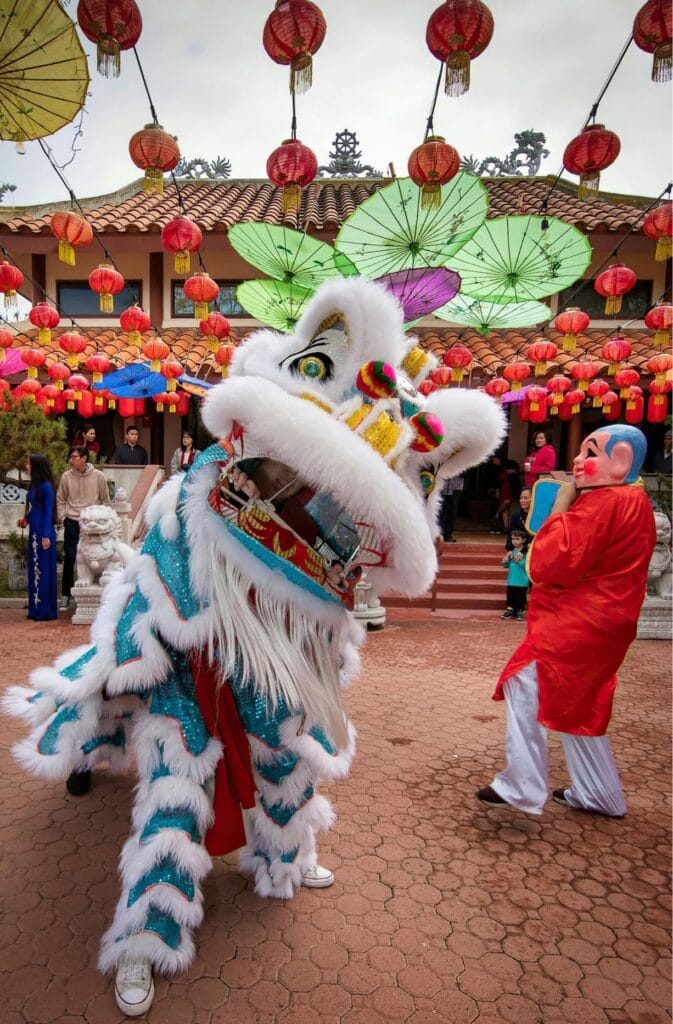
One of the most exciting times to visit Vietnam is during Tet, the Vietnamese Lunar New Year festival.
Tet usually takes place in January or February and brings:
- Colorful decorations
- Traditional celebrations
- Local cultural experiences
However, transportation and accommodation become very busy during this holiday, so advance booking is essential.
Essential Vietnam Travel Tips
- Pack lightweight clothing for warm regions
- Bring a light jacket if visiting northern mountains in winter
- Carry rain protection during the wet season
- Book flights and hotels early during holidays
- Check regional forecasts before traveling between different parts of the country
Real Travel Tips From Travelers for Visiting Vietnam
If you are planning a longer trip through Vietnam, understanding local weather patterns can make a big difference to your experience.
For motorbike trips in northern Vietnam, many travelers prefer September to November or March to April. These months usually offer cooler temperatures, clearer mountain views, and safer road conditions. Summer can bring heavy rain and slippery mountain roads, especially around Sapa and Ha Giang.
In central Vietnam, flooding can occasionally affect Hoi An during the rainy season, especially between October and November. Some streets in the Ancient Town may temporarily flood after days of heavy rain, so checking local forecasts before your trip is always a good idea.
Traveling during Tet can also feel very different compared to regular months. Many local restaurants, shops, and family-run businesses close for several days while people return to their hometowns to celebrate with family. Flights and hotels often become more expensive during this period, and booking early is highly recommended.
Another thing many first-time visitors underestimate is humidity. Even during the dry season, cities like Ho Chi Minh City can feel very hot and humid in the afternoon. Lightweight clothing, sunscreen, and staying hydrated will make daily sightseeing much more comfortable.
For travelers who enjoy quieter experiences, the shoulder seasons of April and October are often a great balance between weather, crowd levels, and hotel prices.
Helpful Travel Resources
Before traveling to Vietnam, it’s always a good idea to check official travel updates and regional weather forecasts.
Travelers who need a visa can apply through the official Vietnam E-Visa Portal, which currently offers electronic visas for many nationalities.
For weather updates, websites like AccuWeather or Weather.com can help you monitor regional conditions before moving between northern, central, and southern Vietnam.
If you are planning a cruise to Ha Long Bay, you can also explore information from UNESCO World Heritage Centre to learn more about the bay’s cultural and natural significance.
Checking trusted sources before your trip can help you plan more smoothly, especially during Vietnam’s rainy and typhoon seasons.
Frequently Asked Questions about Best Time to Visit Vietnam
What is the best month to visit Vietnam?
March and April are often considered the best overall months because many regions enjoy pleasant weather during this period.
Is Vietnam good to visit during the rainy season?
Yes. In many areas, rain comes in short afternoon showers instead of lasting all day.
Is northern Vietnam cold in winter?
Yes. Places like Sapa can become surprisingly cold from December to February.
When should I book for Tet holiday?
It’s best to book flights and hotels at least several months in advance.
Final Thoughts on Best Time to Visit Vietnam
Vietnam is a destination that can be visited year-round, but choosing the right season can make your trip even more enjoyable. From the mountains of northern Vietnam to the tropical beaches of the south, every region offers something unique at different times of the year.
By understanding Vietnam’s regional weather patterns, you can plan a smoother and more memorable journey while making the most of your travel experience.
Explore more about Vietnam
Read the Vietnam Visa Guide
Discover the best beaches in Vietnam
You can continue exploring nearby destinations with our detailed travel guides:
👉 Ultimate Ha Giang Travel Guide
Follow us on Youtube: TAM VOC VIET – VIETNAM INSIGHTS
