


 Tiếng Việt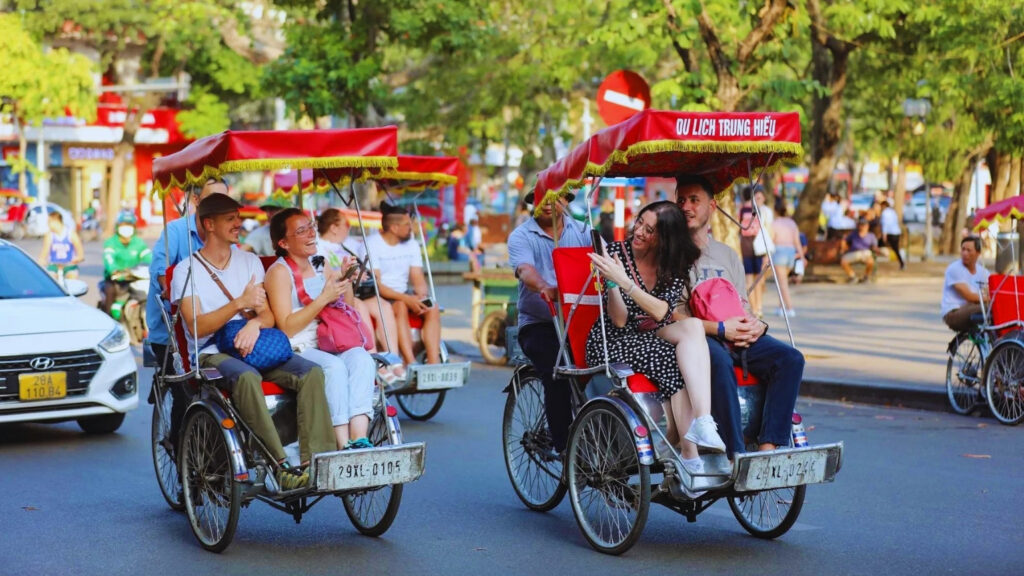
Vietnam has become one of Southeast Asia’s fastest-growing travel destinations — attracting everyone from backpackers and solo travelers to luxury vacationers and digital nomads.
For many first-time visitors, one question comes up before booking the trip:
“Is Vietnam actually safe to travel to?”
The short answer is yes.
Despite its chaotic traffic, busy cities, and fast-moving street life, Vietnam is generally considered one of the safest countries in Southeast Asia for tourists.
Most travelers are far more likely to deal with minor scams or confusing traffic than serious crime.
Table of Contents
Is Vietnam Safe for Tourists?
Yes — Vietnam is generally considered one of the safest countries to travel in Southeast Asia.
Violent crime against tourists is very rare. Most visitors experience no major problems during their trip. Vietnam is known for:
- Friendly locals
- Low violent crime rates
- Safe tourist infrastructure
- Affordable healthcare access
- Strong tourism industry
Solo travelers, couples, backpackers, digital nomads, and families regularly travel across Vietnam safely.
The most common issues tourists face are:
- Petty theft
- Tourist scams
- Traffic accidents
- Overpriced taxi rides
- Pickpocketing in crowded areas
With basic travel awareness, Vietnam is extremely manageable and comfortable for international visitors.
Many travelers are surprised by how comfortable they feel in Vietnam after only a few days.
While the streets may initially seem overwhelming — especially in Hanoi or Ho Chi Minh City — visitors often discover that Vietnam feels safer than many major Western cities when it comes to violent crime and everyday safety.
Quick Safety Overview
| Category | Safety Level |
|---|---|
| Violent crime | Very Low |
| Pickpocketing | Moderate in tourist areas |
| Solo female travel | Generally Safe |
| Public transportation | Mostly Safe |
| Food safety | Good with precautions |
| Natural disasters | Seasonal flooding & typhoons |
| Healthcare access | Good in major cities |
| Night safety | Safe in most tourist areas |
Is Vietnam Safe for Solo Travelers?

Vietnam is one of the best countries in Asia for solo travel.
The country has:
- Strong backpacker infrastructure
- Affordable accommodation
- Safe domestic transportation
- Friendly hostel culture
- Easy-to-meet travelers
Popular solo travel destinations include:
- Hanoi
- Ho Chi Minh City
- Hoi An
- Da Nang
- Ninh Binh
- Sapa
- Ha Giang Loop
- Phu Quoc
Most solo travelers report feeling comfortable walking around tourist areas, dining alone, and using public transportation.
For route ideas, check out our 2-Week Vietnam Itinerary Guide.
Is Vietnam Safe for Female Travelers?
Yes. Vietnam is considered relatively safe for solo female travelers compared to many destinations worldwide.
Women commonly travel alone throughout Vietnam without major issues.
However, travelers should still use normal precautions:
- Avoid isolated areas late at night
- Use reputable transportation apps
- Watch belongings in crowded areas
- Avoid excessive alcohol in party zones
Catcalling and harassment are generally less aggressive than in many Western countries.
Popular female-friendly destinations include:
- Hoi An
- Da Nang
- Ninh Binh
- Dalat
- Phu Quoc
Common Tourist Scams in Vietnam
Tourist scams exist in Vietnam, especially in major cities and highly visited areas.
Most scams are minor annoyances rather than dangerous situations.
Taxi Scams
Some unofficial taxis may:
- Overcharge tourists
- Take longer routes
- Manipulate taxi meters
How to avoid it:
- Use Grab app
- Choose reputable taxi companies
- Confirm prices beforehand
Shoe Shining Scam
In tourist areas, someone may start cleaning your shoes without permission and demand excessive payment afterward.
Solution:
Politely decline and keep walking.
Street Vendor Overpricing
Some vendors quote inflated prices for tourists.
Tips:
- Ask prices before buying
- Use small cash bills
- Compare nearby prices
Motorbike Rental Damage Claims
Some rental shops may charge tourists for existing damage.
Tips:
- Take photos before renting
- Record videos of the bike
- Use reputable rental companies
Pickpocketing & Theft in Vietnam
Petty theft is the most common crime affecting tourists.
Higher-risk situations:
- Crowded night markets
- Walking while using phones
- Bags hanging loosely on motorbikes
- Busy tourist streets
Safety tips:
- Use crossbody bags
- Avoid displaying valuables
- Keep phones away from street traffic
- Use hotel safes when possible
Areas where travelers should stay more alert:
- Ho Chi Minh City District 1
- Hanoi Old Quarter
- Bui Vien Walking Street
- Ben Thanh Market
Local Traveler Tip
In Vietnam, it’s common to see locals sitting outside cafés late at night, children playing in neighborhoods, and small food stalls operating well past midnight.
While tourists should still stay alert in crowded areas, everyday life in Vietnam generally feels active, social, and surprisingly safe.
Is Vietnamese Street Food Safe?

Yes — Vietnamese street food is usually safe and one of the highlights of visiting Vietnam.
Many street food vendors prepare fresh meals daily.
Smart food safety tips:
- Eat where locals eat
- Choose busy stalls
- Avoid uncooked meat
- Drink bottled or filtered water
- Be cautious with ice in remote areas
Vietnamese cuisine is generally fresh, herb-heavy, and cooked at high temperatures, reducing many food risks.
One reason many travelers feel comfortable eating street food in Vietnam is the high turnover of ingredients.
Busy local stalls often prepare food continuously throughout the day rather than letting meals sit for long periods — especially in cities known for strong street food culture like Hanoi and Ho Chi Minh City.
If you’re planning to explore local food culture, you may also enjoy our Vietnam Street Food Guide.
Is Tap Water Safe in Vietnam?
No — tourists should not drink tap water in Vietnam.
Instead:
- Drink bottled water
- Use filtered water stations
- Bring reusable filtered bottles
Brushing teeth with tap water is usually fine in cities and hotels.
Traffic Safety in Vietnam

For many first-time visitors, crossing the street in Vietnam feels more intimidating than anything else.
The constant flow of motorbikes in cities like Hanoi and Ho Chi Minh City can look chaotic at first. But surprisingly, traffic often moves in a predictable rhythm once you adjust to it.
Most locals simply walk slowly and steadily while vehicles naturally flow around them.
Vietnam’s roads can appear chaotic, especially in:
- Hanoi
- Ho Chi Minh City
Motorbike traffic is extremely dense.
Tips for Crossing Streets
- Walk slowly and steadily
- Avoid sudden movements
- Let traffic flow around you
- Follow locals when possible
After a day or two, most visitors realize the traffic looks far more chaotic than it actually feels.
Should Tourists Rent Motorbikes?
Only experienced riders should drive motorbikes in Vietnam.
Road conditions, traffic patterns, and local driving styles can be overwhelming for beginners.
Many accidents involving tourists happen on:
- Ha Giang Loop
- Hai Van Pass
- Rural mountain roads
If you lack experience:
- Hire Easy Riders
- Use buses or private drivers
- Join organized tours
Is Vietnam Safe at Night?
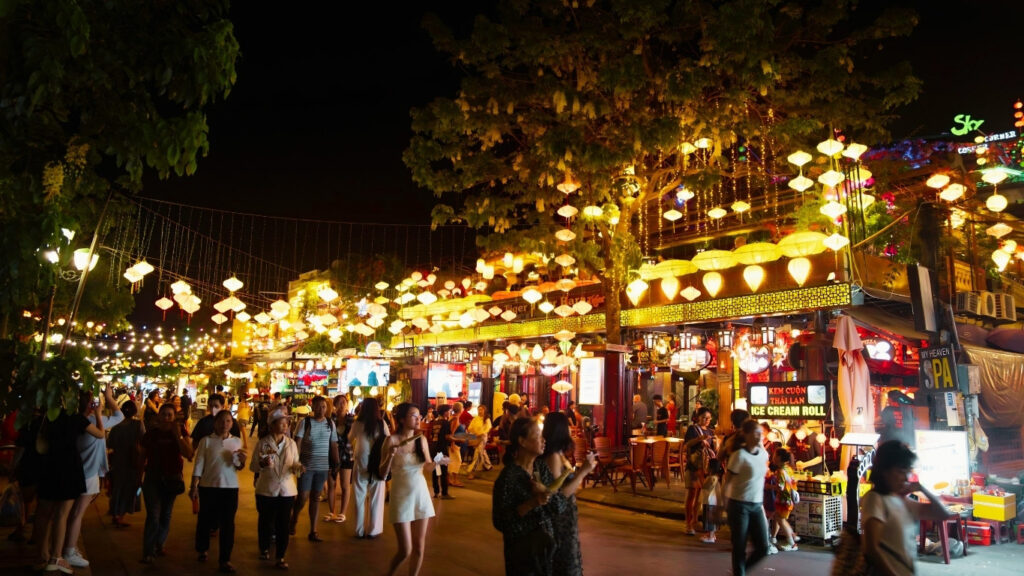
Yes, most tourist areas in Vietnam remain active and relatively safe at night.
Cities often stay lively late into the evening.
Still recommended:
- Avoid dark isolated streets
- Watch alcohol consumption
- Use trusted ride apps late at night
- Stay aware in nightlife districts
Safe nighttime destinations include:
- Hoi An Ancient Town
- Da Nang riverside
- Hanoi Old Quarter
- Ho Chi Minh City cafés & restaurants
Healthcare & Hospitals in Vietnam
Major Vietnamese cities offer surprisingly modern healthcare facilities.
Best healthcare access is found in:
- Hanoi
- Ho Chi Minh City
- Da Nang
International clinics are available in tourist areas.
Travel Insurance Is Highly Recommended
Travel insurance should cover:
- Medical emergencies
- Motorbike accidents
- Flight delays
- Lost luggage
Healthcare is affordable compared to many Western countries, but serious emergencies can still become expensive.
Natural Disasters & Weather Risks
Vietnam is generally safe environmentally, but travelers should understand seasonal weather.
Typhoon Season
Central Vietnam may experience:
- Heavy rain
- Flooding
- Storm disruptions
Usually between:
- September to November
Northern Mountain Risks
Mountain regions like:
- Sapa
- Ha Giang
may experience:
- Landslides
- Fog
- Dangerous roads during heavy rain
Always check forecasts before mountain trips.
Is Vietnam safe for LGBTQ
Vietnam is considered one of the more LGBTQ-friendly countries in Southeast Asia.
While conservative in some cultural aspects:
- Violence against LGBTQ travelers is rare
- Same-sex couples generally travel comfortably
- Major cities are increasingly open-minded
Ho Chi Minh City and Hanoi have growing LGBTQ communities and nightlife scenes.
Emergency Numbers in Vietnam
| Service | Number |
|---|---|
| Police | 113 |
| Fire | 114 |
| Ambulance | 115 |
Save your embassy contact information before traveling.
Essential Vietnam Safety Tips
Before Your Trip
- Buy travel insurance
- Scan passport copies
- Inform your bank about travel
- Download offline maps
During Your Trip
- Use Xanh SM or Grab for transportation
- Carry small cash bills
- Keep valuables secure
- Stay hydrated in hot weather
- Respect local customs
Transportation
- Wear helmets on motorbikes
- Avoid overnight driving
- Use licensed transport
You can also read our Vietnam Transportation Guide for buses, trains, domestic flights, Xanh SM and Grab usage tips.
Safest Places to Visit in Vietnam
Some of the safest and easiest destinations for tourists include:

Hanoi
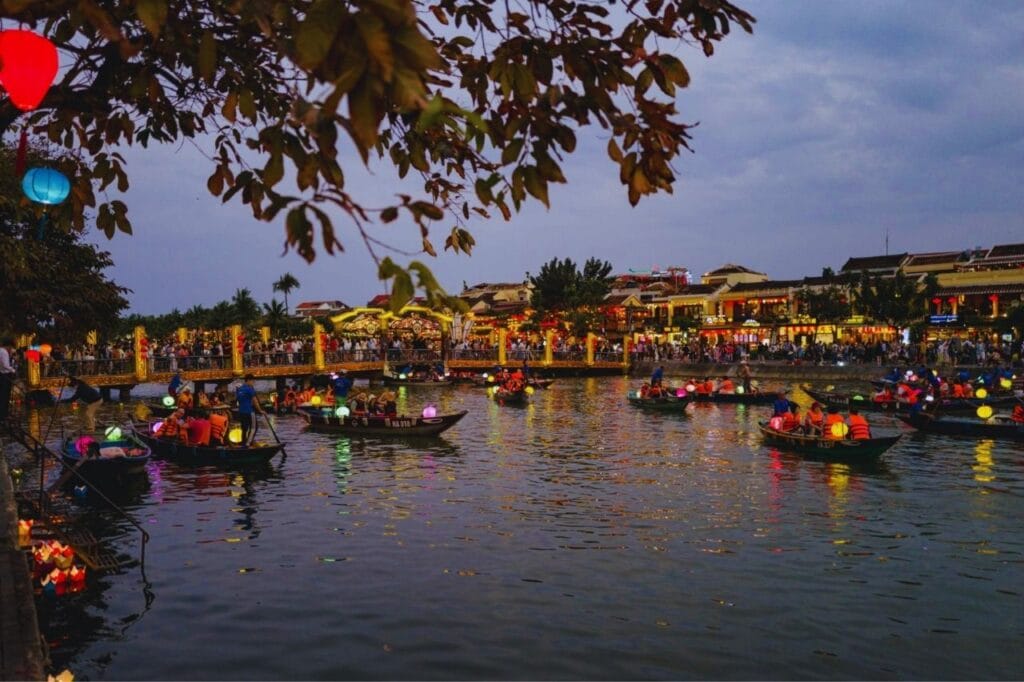

Hoi An
Known for its walkable lantern streets, relaxed atmosphere, and strong tourist infrastructure.
Da Nang
One of Vietnam’s cleanest and easiest cities for first-time international visitors.
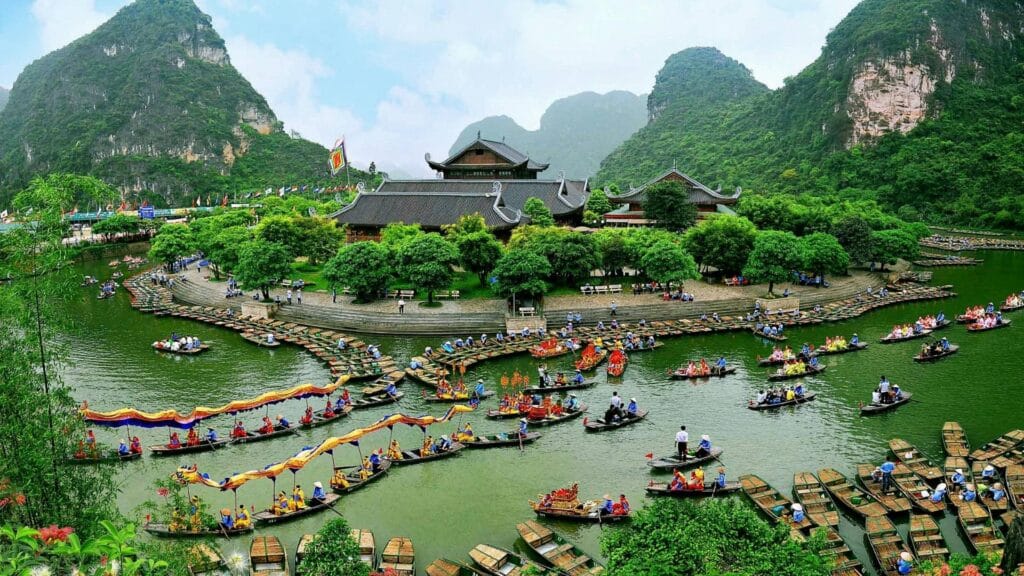
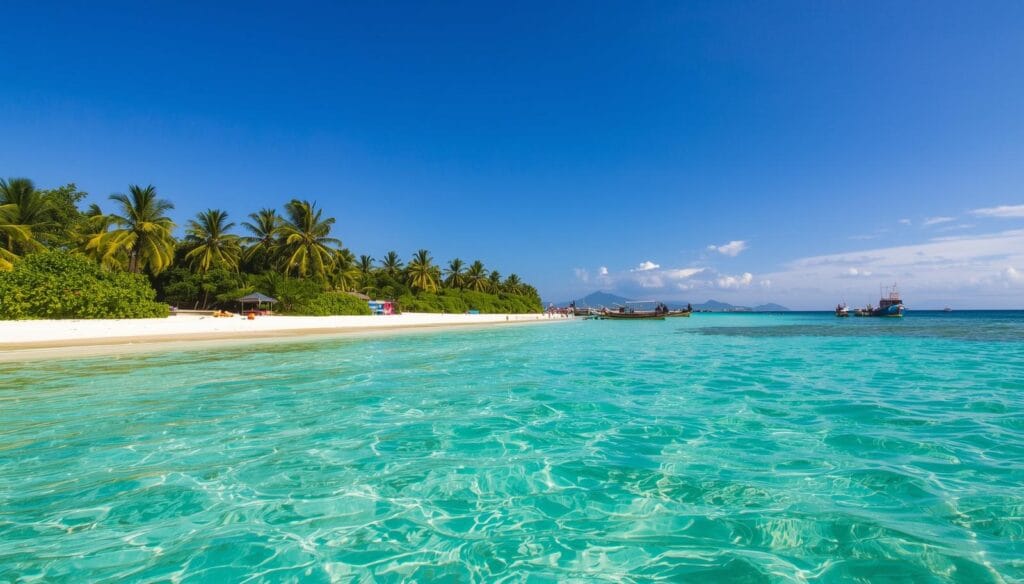

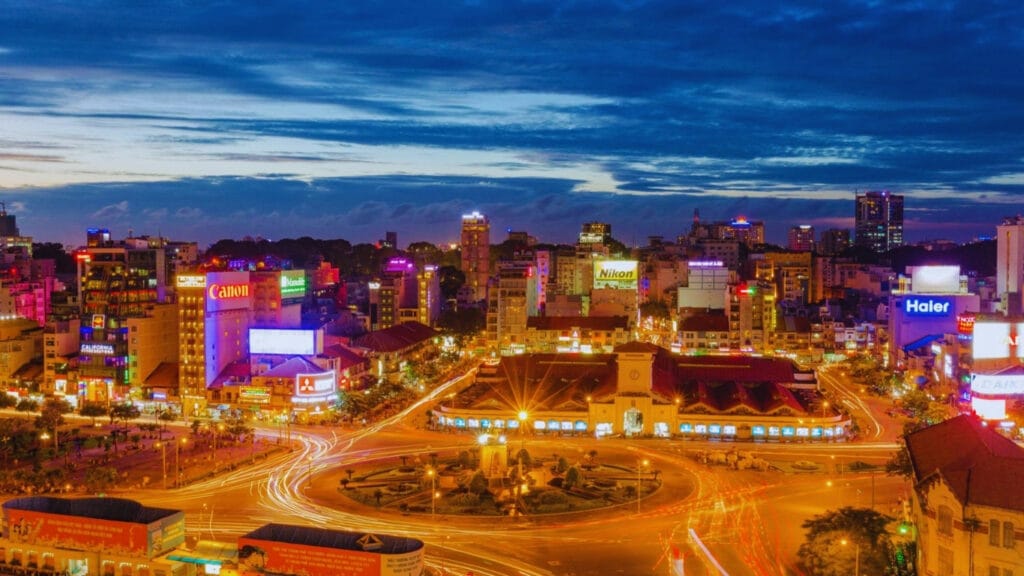
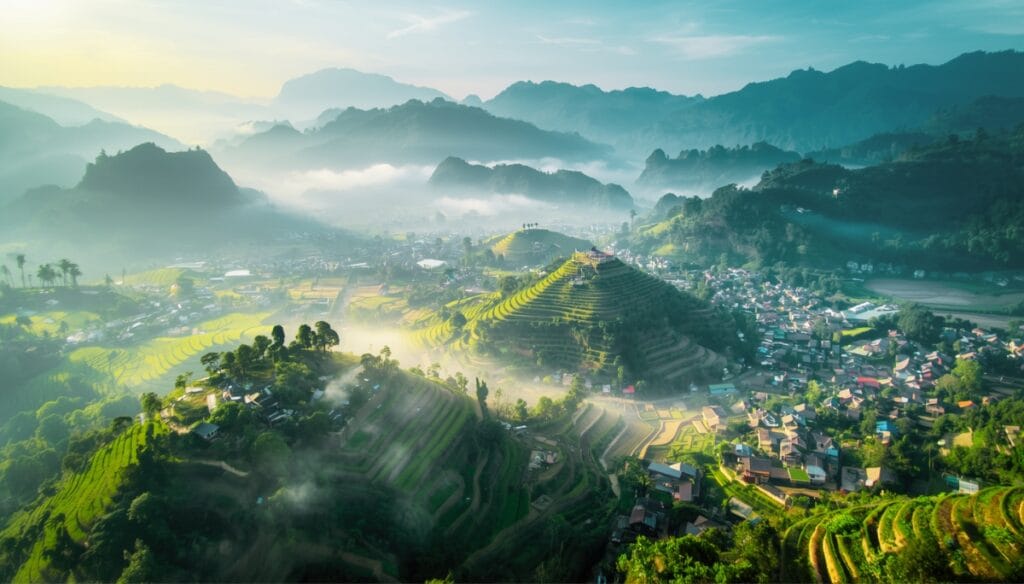

These areas have strong tourism infrastructure and are accustomed to international visitors.
FAQs about Vietnam Safety Tips
Is Vietnam safe for American tourists?
Yes. Vietnam is considered very safe for American travelers, and millions of international tourists visit the country every year without major problems.
What is the biggest danger for tourists in Vietnam?
Traffic accidents are generally a bigger concern than violent crime. Crossing streets and riding motorbikes require extra caution.
Is Vietnam safe for solo female travelers?
Vietnam is widely considered one of the safer destinations in Asia for solo female travelers, especially in major tourist areas.
Are scams common in Vietnam?
Minor tourist scams exist, particularly involving taxis, street vendors, or tourist pricing. However, most scams are non-violent and avoidable with basic awareness.
Is Vietnam safe at night?
Most tourist districts in Vietnam remain lively and relatively safe at night, although travelers should still use normal precautions.
Does Vietnam Feel Safe for First-Time Asia Travelers?
Yes — many first-time visitors to Asia are surprised by how safe and comfortable Vietnam feels after the first few days.
While the traffic and busy streets can seem overwhelming at first, violent crime against tourists is very rare. Most travelers deal with minor scams or transportation confusion rather than serious safety issues.
With basic travel awareness, Vietnam is widely considered one of the safest and easiest countries to explore in Southeast Asia.
Is Vietnam Safer Than Thailand for Tourists?
Both Vietnam and Thailand are generally safe for tourists, but many travelers find Vietnam feels less commercialized and less nightlife-focused.
Vietnam typically has lower violent crime rates and fewer aggressive tourist scams, although traffic can feel more chaotic than in Thailand.
Overall, both countries are safe to visit, but Vietnam is often seen as a more relaxed and authentic travel experience.rtation style.
Final Thoughts: Is Vietnam Safe?
For most travelers, Vietnam is a safe, welcoming, and rewarding destination.
The country offers:
- Incredible food
- Friendly locals
- Beautiful landscapes
- Excellent value for money
- Strong tourism infrastructure
Most visitors leave Vietnam with overwhelmingly positive experiences.
As long as you:
- Stay aware in crowded areas
- Use common travel sense
- Respect local culture
- Take transportation seriously
For many travelers, Vietnam ends up feeling far safer — and far more welcoming — than they expected before arriving.
Yes, the traffic can feel chaotic.
Yes, tourist scams exist.
And yes, crossing the street in Hanoi may feel like a life experience of its own.
But beyond the noise and energy, Vietnam is a country filled with warmth, hospitality, incredible food, and unforgettable travel experiences.
For most visitors, the biggest surprise isn’t how dangerous Vietnam feels — it’s how quickly it starts to feel comfortable.
Related Vietnam Safety Travel Guides
You may also enjoy:
- Vietnam Visa Guide for Tourists
- Vietnam Travel Cost Guide
- Vietnam Itinerary Guide
- Best Places to Visit in Vietnam
- Vietnam Travel Tips for First-Time Visitors
If you enjoy slower, experience-focused travel, we also share local insights, food experiences, and practical Vietnam travel advice through our YouTube channel:
TAM VOC VIET – VIETNAM INSIGHTS
Author Note:
Is Vietnam safe? This guide is written by travelers based in Vietnam with extensive experience exploring the country from north to south.
Vietnam is not just easy to visit in 2026 — it remains one of the most rewarding and budget-friendly travel experiences in the world.
