


 Tiếng Việt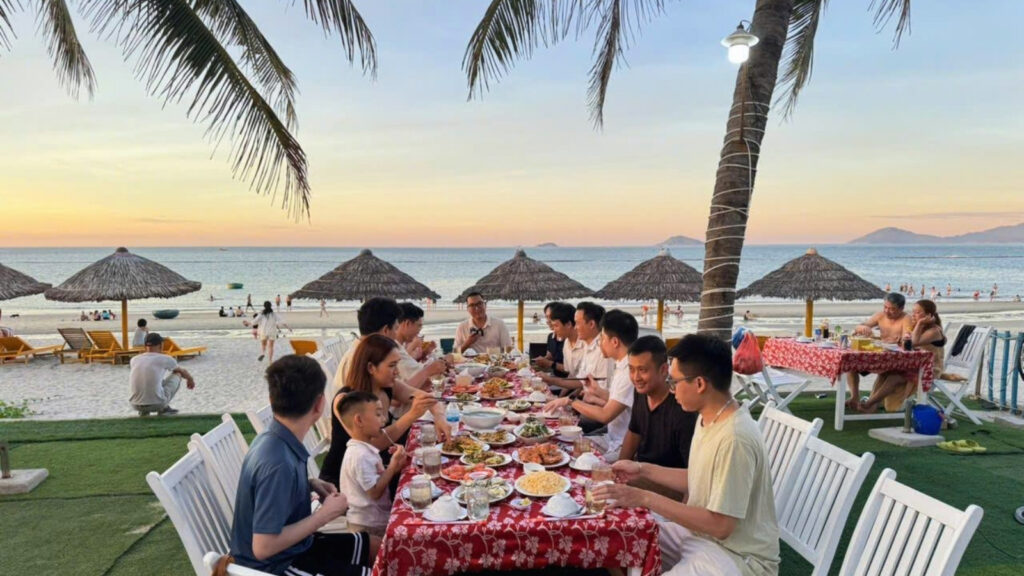
Vietnam’s relationship with the sea begins long before visitors arrive at its beaches.
From the misty limestone bays of the north to the tropical islands of the south, the country’s coastline stretches for more than 3,200 kilometers (2,000 miles). Every morning, fishing boats return with baskets of squid, crab, shrimp, clams, oysters, and dozens of local species that head straight to neighborhood markets and family-run restaurants. In many coastal communities, the catch served at lunch may have been swimming in the ocean just a few hours earlier.
For travelers, that’s what makes seafood in Vietnam feel different.
Rather than relying on heavy sauces or complicated techniques, Vietnamese cooks often let freshness take center stage. A lobster may be grilled over charcoal with little more than garlic butter. Scallops are topped with fragrant scallion oil and roasted until just cooked. Clams are steamed with lemongrass, while squid is quickly grilled over open flames to preserve its natural sweetness and tender texture.
Seafood is also remarkably accessible. Whether you’re sitting on a plastic stool outside a bustling night market or enjoying dinner at a beachfront restaurant overlooking the South China Sea, you’ll find an impressive variety of shellfish and fish at prices that are often far lower than those in North America, Europe, or Australia. It’s one of the reasons many visitors describe Vietnam as one of Asia’s best-value destinations for seafood lovers.
Another part of the experience is choosing your meal before it’s cooked. At many seafood restaurants, live crabs crawl across shallow tanks, oysters rest on beds of ice, and prawns, lobsters, and fish swim in clear aquariums near the entrance. Instead of ordering from a fixed menu, diners often select exactly what they want, decide how it should be prepared, and pay based on weight. It’s an interactive style of dining that feels unfamiliar to many first-time visitors but quickly becomes one of the highlights of eating along Vietnam’s coast.
Regional differences make the journey even more rewarding. Northern Vietnam is known for squid from Ha Long Bay, oysters, and fresh shellfish harvested from cool coastal waters. Central Vietnam, particularly around Da Nang, Quy Nhon, and Nha Trang, is famous for grilled lobster, scallops, sea urchins, and beachside seafood feasts. Farther south, destinations such as Phu Quoc and Ca Mau offer prized mud crabs, giant prawns, and tropical shellfish that reflect the warmer waters of the Gulf of Thailand.
Of course, not every seafood meal in Vietnam needs to be an expensive celebration. Some of the country’s most memorable dishes cost only a few dollars. A plate of grilled razor clams topped with peanuts and scallion oil, a basket of steamed clams served with fresh herbs, or a late-night feast of sea snails shared with friends over cold local beer can easily become the meals travelers remember long after returning home.
This Seafood in Vietnam guide explores the seafood experiences that deserve a place on every food lover’s itinerary. You’ll discover the most popular seafood dishes in Vietnam, learn how locals order from live seafood tanks, find the best coastal destinations for fresh catches, understand typical prices, and pick up practical tips for enjoying seafood safely and confidently throughout your trip.
If you’re looking for one cuisine that captures Vietnam’s connection to its coastline, traditions, and everyday dining culture, seafood is one of the best places to begin.
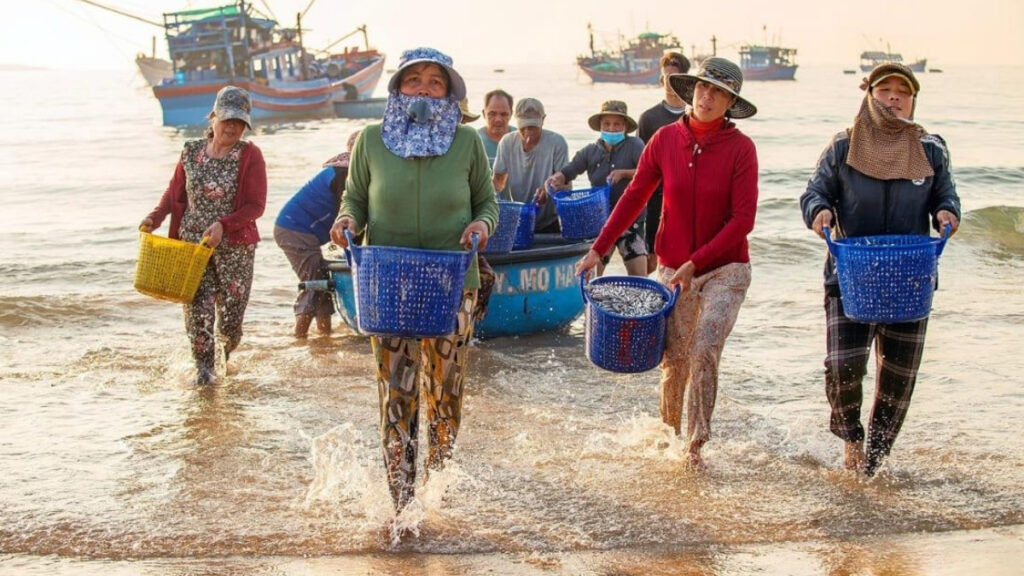
Table of Contents
Why Vietnam Is One of Asia’s Best Seafood Destinations
With thousands of kilometers of coastline, hundreds of fishing communities, and waters rich in marine life, Vietnam has earned a reputation as one of Southeast Asia’s most rewarding destinations for seafood. While countries across the region are known for excellent coastal cuisine, Vietnam stands out for one simple reason: exceptional freshness at prices that remain surprisingly affordable.
For many travelers, the difference is noticeable from the very first meal.
Instead of relying on frozen imports or seafood transported long distances, restaurants in Vietnam often source their ingredients directly from nearby fishing ports. Boats return before sunrise, wholesale markets become busy in the early morning, and restaurants purchase seafood the same day it is served. This short journey from the ocean to the kitchen helps preserve the natural sweetness and delicate texture that define Vietnamese seafood.
Worth Knowing: In many coastal cities, seafood landed in the early morning can reach restaurant kitchens the very same afternoon. This short journey from boat to table is one reason Vietnamese seafood is celebrated for its exceptional freshness.
A Coastline That Shapes Everyday Life
Vietnam’s coastline stretches from the Chinese border in the north to the Gulf of Thailand in the south, passing through bays, lagoons, estuaries, coral reefs, and island archipelagos. These diverse marine environments support an extraordinary range of seafood, from cold-season squid in the north to tropical lobster and reef fish in central and southern waters.
Worth Knowing: Vietnam’s coastline stretches for more than 3,200 kilometers (2,000 miles), making it one of the longest coastlines in Southeast Asia. This remarkable diversity of coastal ecosystems helps explain why seafood traditions vary so dramatically from one region to another.
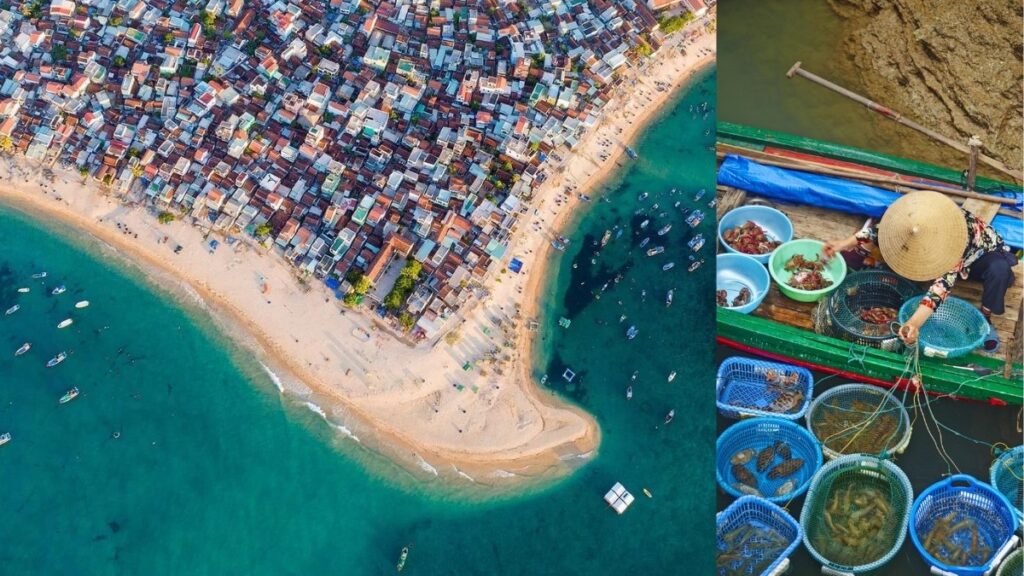
Unlike destinations where seafood is mainly associated with tourist resorts, it plays an important role in everyday Vietnamese life. Fishing remains a livelihood for countless coastal families, while seafood markets supply both restaurants and local households with fresh ingredients every day.
As a result, visitors experience seafood not as a luxury reserved for special occasions but as part of the country’s daily food culture.
Incredible Variety Beyond Fish and Shrimp
Many first-time visitors expect to find grilled fish, prawns, and crab. What surprises them is the remarkable diversity available throughout Vietnam.
Restaurant menus often feature dozens of shellfish and marine species unfamiliar to international travelers, including:
- Sweet, meaty mantis shrimp
- Razor clams harvested from sandy coastal waters
- Scallops topped with fragrant scallion oil
- Fresh oysters prepared raw or grilled
- Mud crabs prized for their rich flavor
- Sea snails cooked in countless regional styles
- Sea urchins served with scallion oil or grilled over charcoal
- Baby octopus and cuttlefish
- Large tiger prawns and locally caught squid
Many coastal restaurants display these ingredients in live tanks, allowing guests to choose exactly what they want before it is cooked. For visitors, the experience feels closer to shopping at a seafood market than ordering from a traditional restaurant menu.
Freshness Comes Before Complicated Cooking
One characteristic that defines Vietnamese seafood is restraint.
Rather than masking delicate flavors with heavy cream sauces or excessive seasoning, Vietnamese chefs typically use cooking techniques that highlight the natural quality of the seafood.
Some of the most common preparations include:
- Grilling over charcoal
- Steaming with lemongrass or ginger
- Stir-frying with garlic and butter
- Roasting with scallion oil
- Cooking in tamarind sauce
- Finishing with salt, black pepper, and fresh lime
Because the seafood is exceptionally fresh, simple cooking methods are often all that’s needed.
This philosophy explains why many of Vietnam’s most memorable seafood dishes contain only a handful of ingredients.
Excellent Value for Travelers
Vietnam is also one of the most affordable places in Asia to enjoy high-quality seafood.
Travelers can often order a generous meal of grilled shellfish, clams, squid, vegetables, and rice for less than the price of a single seafood entrée in many Western countries. Even premium ingredients such as lobster, king prawns, or mud crab are frequently more accessible than visitors expect, especially when purchased outside major luxury resorts.
Prices naturally vary depending on the season, the location, and whether the seafood is wild-caught or farm-raised. Popular beach destinations may charge slightly more during holidays, while local seafood restaurants a few streets away often offer noticeably better value.
Understanding how seafood is priced by weight—a common practice throughout Vietnam—also helps travelers avoid surprises when ordering.
Every Region Has Its Own Seafood Specialties
Although excellent seafood can be found throughout the country, each coastal region has developed its own culinary identity.
Northern Vietnam is best known for fresh squid from Ha Long Bay, oysters, clams, and seafood hotpots enjoyed during cooler months. Around Hai Phong and Quang Ninh, local restaurants showcase shellfish harvested from nearby bays and estuaries.
Central Vietnam is widely regarded as the country’s seafood capital. Coastal cities such as Da Nang, Quy Nhon, and Nha Trang are famous for live lobster, grilled scallops, sea urchins, oysters, and beachside seafood feasts served just steps from the ocean.
Southern Vietnam offers a different character, shaped by warmer tropical waters. Visitors to Phu Quoc, Vung Tau, and Ca Mau can enjoy sweet mud crabs, giant prawns, tropical fish, and an abundance of shellfish that reflects the biodiversity of the Gulf of Thailand.
Exploring these regional specialties is one of the most rewarding ways to discover Vietnam through its food. The same species may be prepared differently from one province to another, with local herbs, sauces, and cooking traditions adding unique flavors to every meal.
For travelers planning to visit several destinations, seafood becomes more than just another meal—it offers a delicious introduction to the country’s diverse coastal cultures and culinary heritage.
Seafood Dining Culture in Vietnam
One of the best things about eating seafood in Vietnam isn’t just the food—it’s the experience.
In many countries, seafood arrives at the table already chosen and prepared by the kitchen. In Vietnam, especially in coastal cities, diners are often invited to take part in the process. You choose the seafood yourself, decide how it should be cooked, then gather around a table filled with shared dishes that arrive one after another.
For many first-time visitors, this interactive style of dining quickly becomes one of the most memorable parts of traveling through Vietnam.
Choosing Seafood from Live Tanks
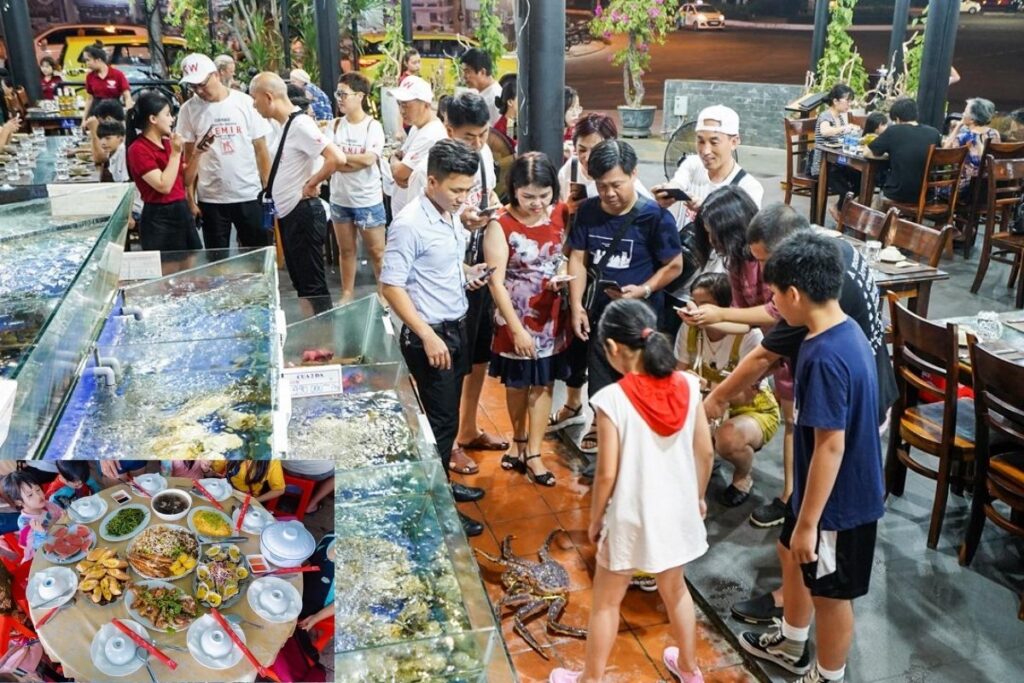
Walk into a popular seafood restaurant in Da Nang, Nha Trang, or Phu Quoc, and you’ll likely notice rows of large aquariums near the entrance. Inside are live lobsters, mud crabs, prawns, fish, clams, oysters, scallops, and many kinds of sea snails.
Rather than ordering from photographs on a menu, customers usually select their seafood directly from these tanks.
Restaurant staff will often remove the seafood, weigh it in front of you, explain the price per kilogram, and recommend cooking methods that suit each type. If you’re unfamiliar with a particular shellfish or fish, don’t hesitate to ask for suggestions. Staff at restaurants popular with international visitors are generally happy to explain the options.
Choosing live seafood isn’t simply a tradition—it also gives diners confidence that the ingredients are as fresh as possible.
Paying by Weight
One aspect of Vietnamese seafood restaurants that surprises many travelers is the pricing system.
Instead of listing a fixed price for every dish, premium seafood such as lobster, crab, mantis shrimp, or large prawns is commonly sold by weight.
The process is straightforward:
- Select the seafood.
- Watch it being weighed.
- Confirm the price per kilogram.
- Choose how you’d like it cooked.
Most restaurants display prices clearly, but it’s still a good idea to ask for the total cost before the seafood is prepared. This is particularly important when ordering larger shellfish or seasonal specialties, as prices can fluctuate depending on availability.
For smaller dishes such as grilled oysters, steamed clams, or squid, fixed menu prices are more common.
Simple Cooking That Highlights Freshness
Vietnamese seafood is rarely overwhelmed with heavy sauces.
Instead, cooks rely on techniques that preserve the seafood’s natural flavor while adding subtle layers of aroma and texture.
Some of the most popular cooking styles include:
- Grilled over charcoal, often served with garlic butter or scallion oil.
- Steamed with lemongrass, ginger, or local herbs to retain natural sweetness.
- Stir-fried with garlic, chili, or tamarind for a balance of savory, sour, and spicy flavors.
- Roasted with salt and chili, creating a lightly crisp exterior.
- Cooked in hotpots, where seafood is simmered alongside vegetables, mushrooms, and noodles.
Rather than masking the ingredients, these preparations allow the freshness of the seafood to remain the star of the meal.
Meals Are Made for Sharing
Seafood dining in Vietnam is a social occasion.
Worth Knowing: Sharing seafood is deeply rooted in Vietnamese dining culture. Rather than ordering individual entrées, families and friends usually fill the table with multiple dishes so everyone can sample a little of everything.
Families, friends, and colleagues rarely order individual entrées. Instead, the table fills with a variety of dishes meant to be shared by everyone.
A typical seafood meal might include grilled scallops, steamed clams, stir-fried squid, a whole fish, seasonal vegetables, fried rice, and a bubbling seafood hotpot to finish the evening. Each person samples a little of everything, creating a relaxed and communal dining experience.
For visitors, this style of eating offers an excellent opportunity to taste several regional specialties in a single meal rather than committing to just one dish.
The Atmosphere Is Casual and Lively
Some of Vietnam’s best seafood restaurants look surprisingly simple.
Plastic chairs, stainless steel tables, bright lights, and open-air seating are common, even at restaurants that are highly recommended by locals. Don’t mistake the casual appearance for lower quality. In fact, busy neighborhood seafood restaurants often serve some of the freshest seafood available because ingredients move quickly from the kitchen to the table.
Evenings are especially lively. Families celebrate birthdays, groups of friends gather after work, and travelers mingle with locals over generous seafood platters. The atmosphere is energetic, with the sounds of conversation, sizzling grills, and seafood being prepared in open kitchens.
Local Drinks That Pair Well with Seafood
Cold beer remains the most popular companion to a seafood feast.
Vietnamese lagers are widely enjoyed alongside grilled shellfish, crab, and squid because their light, crisp character complements delicate seafood flavors without overpowering them.
If you don’t drink alcohol, fresh coconut water, iced tea, lime juice, or passion fruit juice are refreshing alternatives that pair equally well with seafood, especially on warm coastal evenings.
Helpful Tips for First-Time Visitors
Ordering seafood in Vietnam is easy once you understand a few local customs:
- Visit restaurants that are busy with local customers, especially during dinner hours.
- Choose seafood that appears lively and fresh if ordering from live tanks.
- Confirm whether prices are listed per kilogram or per serving.
- Ask about any additional cooking or preparation fees before ordering premium seafood.
- If you’re unsure which cooking method to choose, ask the staff for their recommendation—they usually know which preparation best suits each type of seafood.
- Share several smaller dishes instead of ordering one large item. This allows you to experience a wider variety of flavors and cooking styles.
Understanding these customs helps visitors dine with confidence while enjoying one of Vietnam’s most distinctive culinary traditions.
For many travelers, a seafood dinner is more than just another meal. It’s an opportunity to slow down, gather around a shared table, and experience the warmth, hospitality, and coastal culture that make eating in Vietnam so memorable.
Local Tip: 5 Mistakes First-Time Visitors Often Make
Even experienced travelers can feel a little unsure when ordering seafood in Vietnam. After years of exploring coastal cities and speaking with local restaurant owners, we’ve noticed a few common mistakes that are easy to avoid.
1. Ordering the most expensive seafood instead of the freshest.
A premium lobster isn’t always the best choice. Ask what’s fresh today, and you may be rewarded with sweeter crab, just-landed squid, or seasonal shellfish.
2. Forgetting to check whether prices are listed per kilogram.
Many visitors see an attractive price on a menu without realizing it applies to each kilogram rather than the entire dish. Confirming the total cost before ordering is standard practice.
3. Choosing an empty restaurant with a sea view.
A beautiful location doesn’t always mean the freshest seafood. Restaurants filled with local families usually offer quicker ingredient turnover and better value.
4. Ordering too much at once.
Vietnamese seafood is designed to be shared. Start with a few dishes, then order more if needed.
5. Skipping local specialties.
Many travelers head straight for lobster while overlooking dishes such as grilled scallops, sea snails, razor clams, or mantis shrimp—favorites that many Vietnamese diners would choose first.
Must-Try Seafood in Vietnam
From luxurious lobster served on tropical islands to humble bowls of steamed clams enjoyed at roadside restaurants, Vietnam offers an astonishing variety of seafood. While every coastal region has its own specialties, certain dishes have become favorites among both locals and international travelers.
If you’re wondering what seafood to eat in Vietnam, start with these classics.
1. Grilled Lobster (Tôm Hùm Nướng)
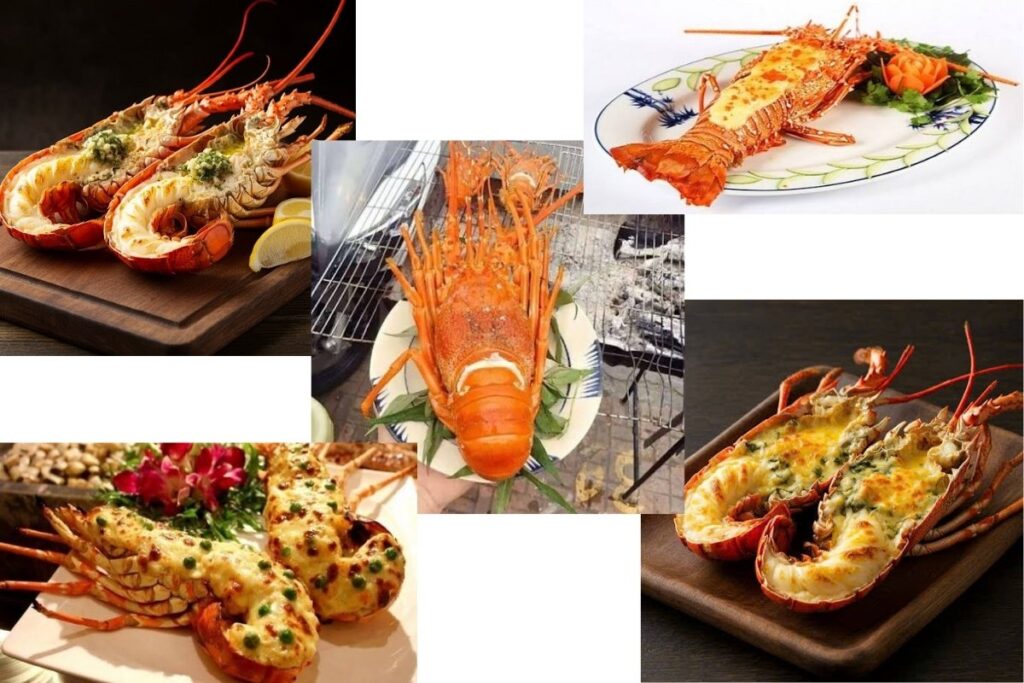
Few seafood experiences in Vietnam are as memorable as eating freshly grilled lobster by the sea.
Unlike the buttery New England-style lobster familiar to many Western travelers, Vietnamese grilled lobster is usually cooked over charcoal, allowing the natural sweetness of the meat to shine. It’s often brushed with garlic butter, topped with scallion oil, or simply seasoned with salt, pepper, and lime.
Central Vietnam is considered the country’s lobster capital. Coastal waters around Nha Trang, Cam Ranh, and Phu Yen produce some of Vietnam’s highest-quality spiny lobsters, making these destinations ideal for seafood lovers.
Worth Knowing: Vietnam’s south-central coast, particularly around Nha Trang, Cam Ranh, and Phu Yen, is known for producing high-quality spiny lobster. Its naturally sweet, firm meat has earned a strong reputation among seafood lovers across Asia.
Many seaside restaurants allow guests to choose a live lobster from a tank before it is weighed and grilled to order.
Best places to try it:
- Nha Trang
- Cam Ranh
- Da Nang
- Phu Quoc
Typical cooking styles:
- Charcoal grilled
- Garlic butter
- Scallion oil
- Cheese baked
The aroma reaches you before the lobster does. Smoke rises from rows of charcoal grills while cooks brush melted garlic butter across bright red shells. Moments later, the sweet meat is served with nothing more than lime, salt, and pepper.
2. Mud Crab (Cua Biển)
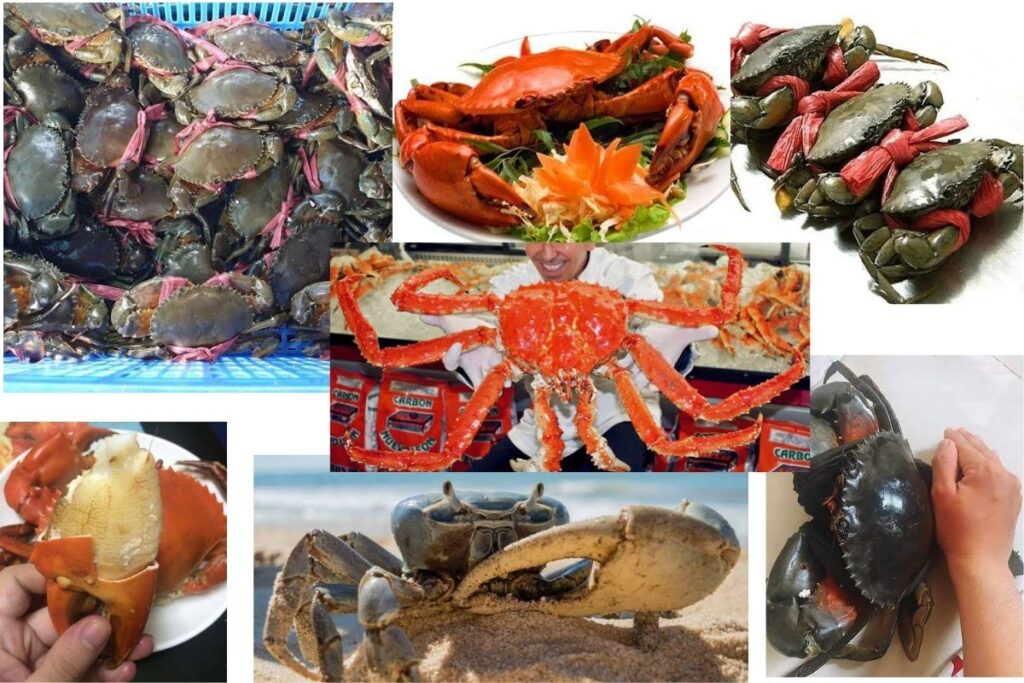
Just after sunset in Phu Quoc, restaurants begin filling plastic tubs with live mud crabs hauled in only hours earlier. Families gather around outdoor tables while staff weigh each crab before carrying it straight to the kitchen. Within minutes, the shell cracks open to reveal naturally sweet meat that’s worth every messy bite.
Caught along mangrove forests and coastal estuaries, mud crabs are especially famous in southern Vietnam, where warm waters create excellent growing conditions. Depending on the season, restaurants may recommend female crabs filled with roe or larger male crabs known for their firm, meaty claws.
Cooking methods are intentionally simple to preserve the crab’s delicate flavor.
Popular preparations include steaming with lemongrass, stir-frying with tamarind sauce, roasting with black pepper, or tossing the crab in fragrant garlic butter.
Unlike heavily seasoned crab dishes found elsewhere in Asia, Vietnamese versions usually allow the natural sweetness of the crab to remain the focus.
Best places to try it:
- Ca Mau
- Phu Quoc
- Vung Tau
- Hai Phong
3. Grilled Scallops with Scallion Oil (Sò Điệp Nướng Mỡ Hành)
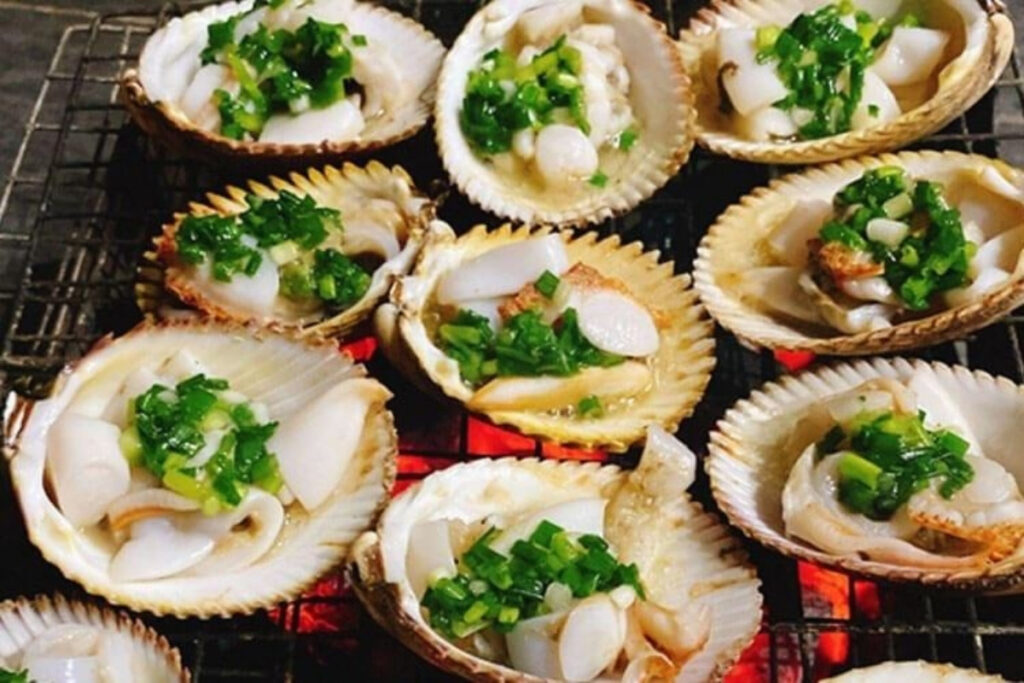
This is one of Vietnam’s most iconic seafood appetizers.
Fresh scallops are cooked directly in their shells and topped with scallion oil, crushed roasted peanuts, and a light drizzle of fish sauce. The combination creates an irresistible balance of smoky, nutty, savory, and slightly sweet flavors.
Because the scallops are only lightly cooked, they remain tender and juicy rather than rubbery.
They’re commonly sold at seafood restaurants, beachside grills, and lively night markets throughout the country.
Why travelers love them:
- Rich flavor without feeling heavy
- Easy to share
- Affordable
- Beautiful presentation
4. Razor Clams (Ốc Móng Tay)
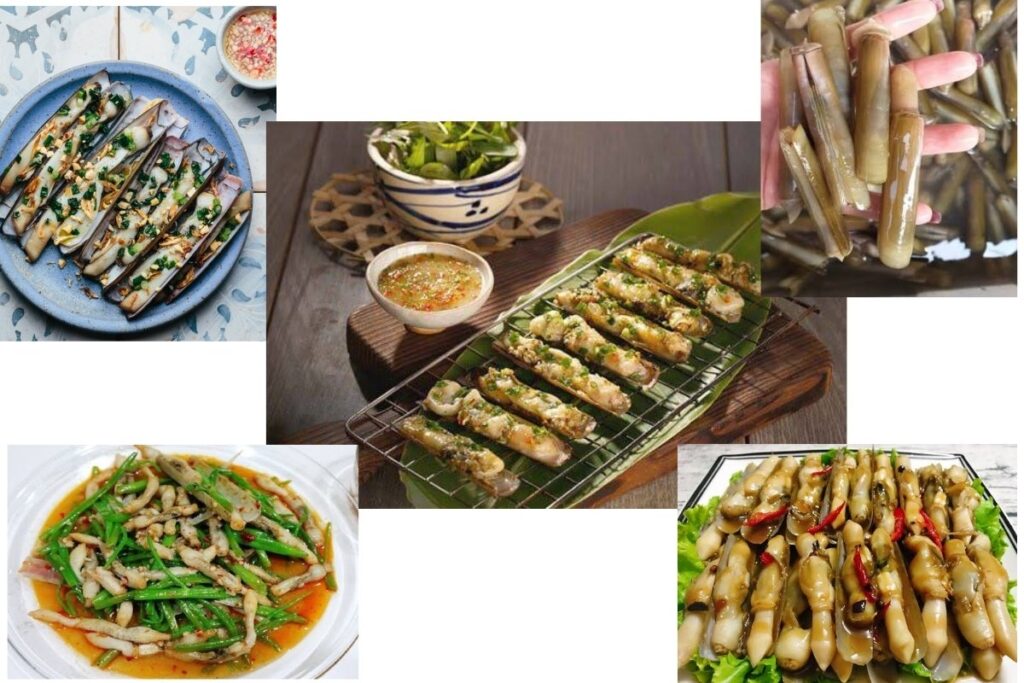
Long, slender razor clams are another favorite found along Vietnam’s coastline.
The meat is naturally sweet with a slightly chewy texture, making it perfect for quick grilling over charcoal.
The classic Vietnamese preparation features scallion oil, roasted peanuts, fried shallots, and a squeeze of fresh lime. Some restaurants also serve razor clams stir-fried with garlic or spicy chili sauce.
Although simple, the dish highlights the freshness that defines Vietnamese seafood.
Best places to try them:
- Da Nang
- Quy Nhon
- Nha Trang
- Phu Quoc
5. Fresh Oysters (Hàu)
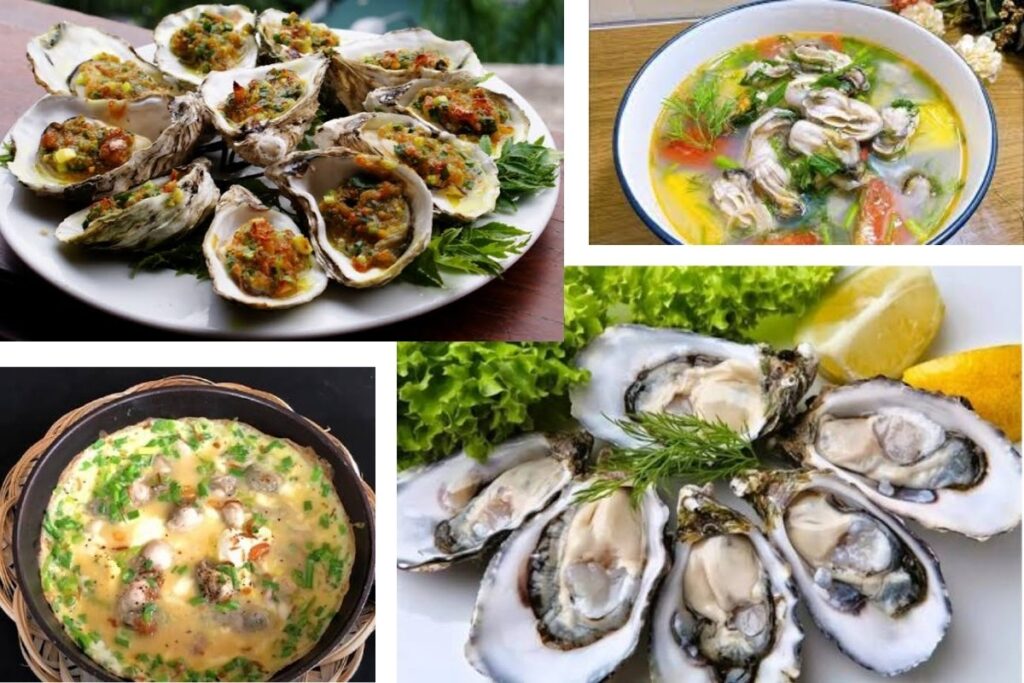
Vietnamese oysters are enjoyed in many different ways depending on the region and the restaurant.
Freshly shucked oysters are sometimes served raw with lime, though grilled oysters are far more common. One of the country’s signature preparations tops each oyster with scallion oil before grilling it over charcoal. Other variations include garlic butter, melted cheese, or spicy chili sauce.
Oysters harvested from coastal bays in central and northern Vietnam are particularly well regarded for their clean, briny flavor.
For first-time visitors, grilled oysters are often the safest and most approachable introduction.
6. Mantis Shrimp (Bề Bề)
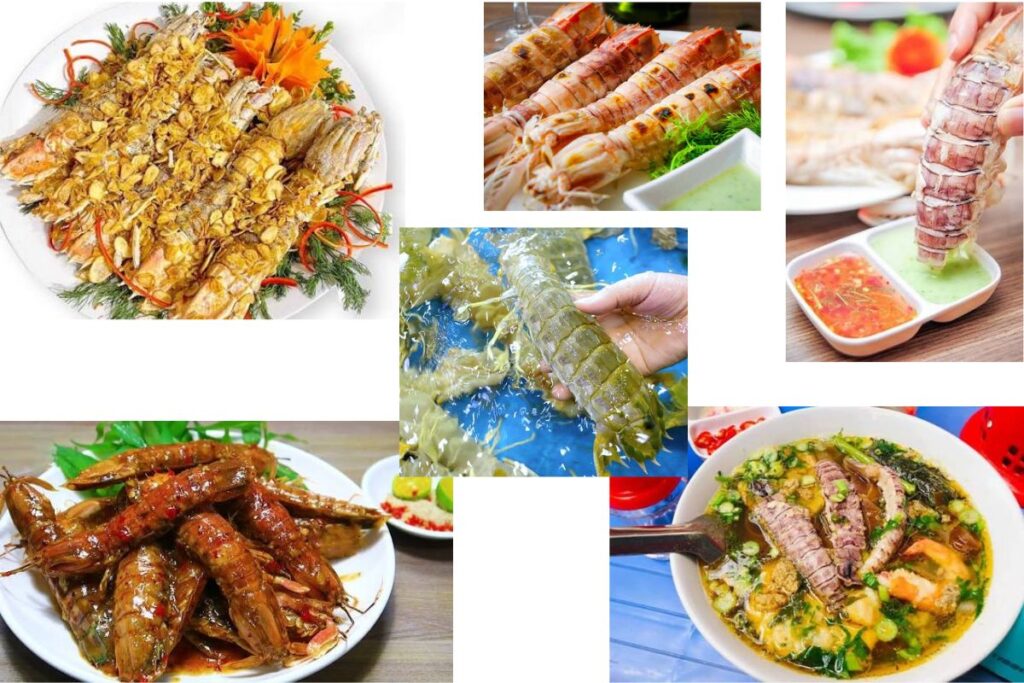
Despite its name, mantis shrimp is neither a true shrimp nor a lobster.
Its sweet, delicate meat is often compared to a cross between lobster and crab, making it one of Vietnam’s most sought-after seafood delicacies.
Because the shell can be difficult to remove, restaurants usually prepare it for diners before serving.
The simplest cooking methods—steaming or grilling—remain the most popular, allowing the naturally sweet meat to stand out.
Mantis shrimp is especially common in northern coastal provinces and seafood restaurants specializing in local catches.
Worth knowing: If you see “mantis shrimp” on a menu, don’t let the unfamiliar name discourage you. Many travelers discover it becomes one of their favorite seafood dishes in Vietnam.
7. Tiger Prawns (Tôm Sú)
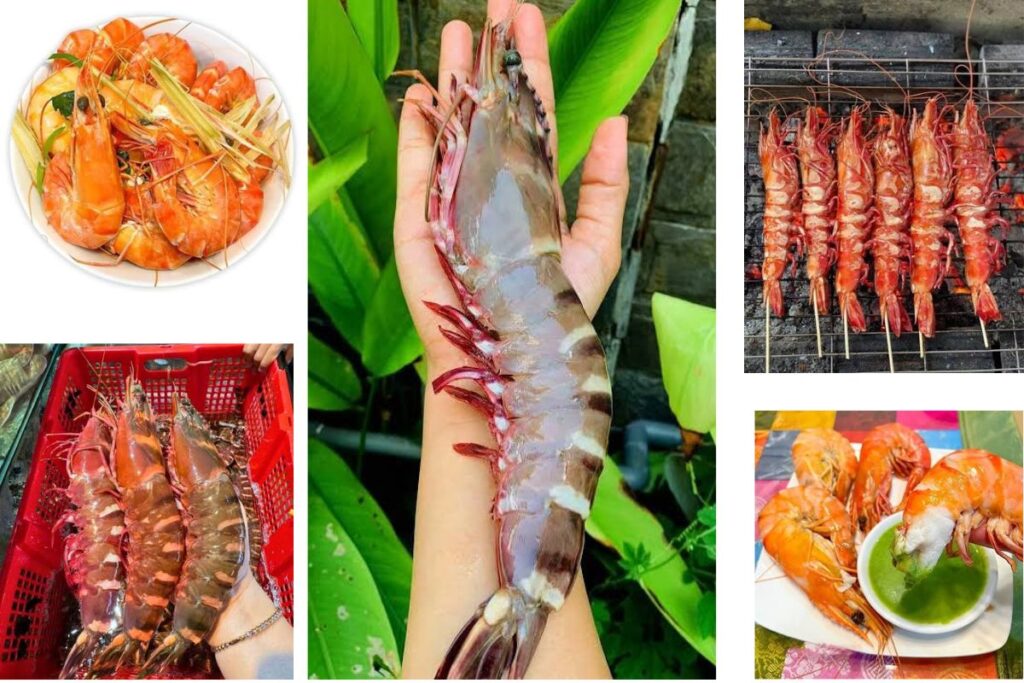
Large tiger prawns are widely farmed and harvested throughout Vietnam’s coastal provinces.
Recognizable by their impressive size and striped shells, they are valued for their firm texture and naturally sweet flavor.
Restaurants often prepare them in several classic styles:
- Grilled over charcoal
- Stir-fried with garlic butter
- Roasted with salt and chili
- Steamed with lemongrass
Tiger prawns are a popular choice for travelers who want premium seafood without paying lobster prices.
8. Grilled Squid (Mực Nướng)
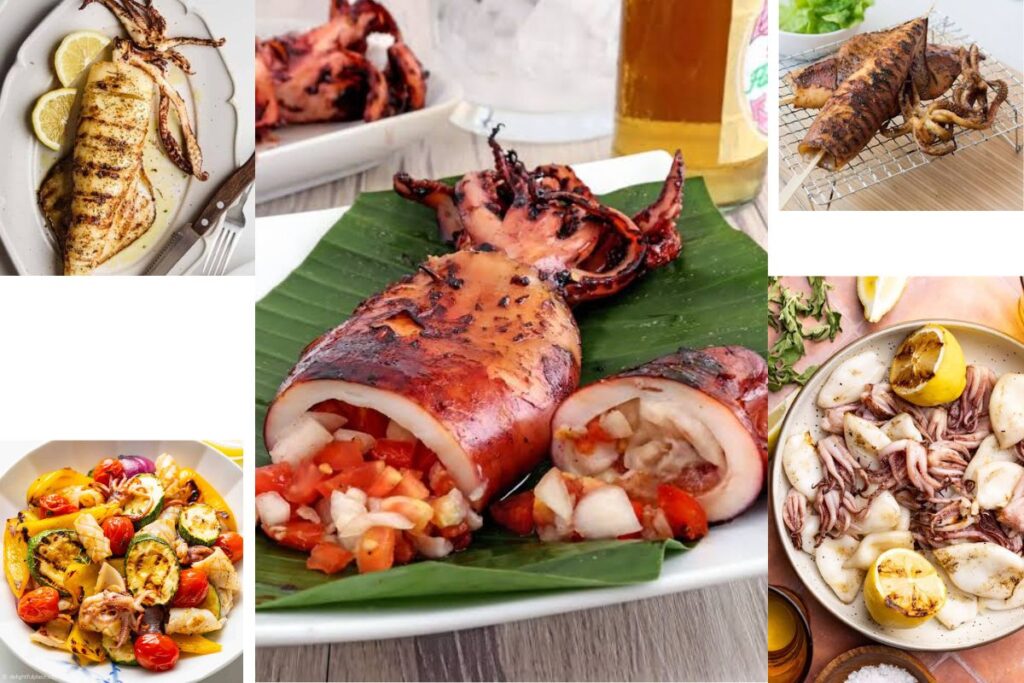
No seafood guide to Vietnam would be complete without squid.
Fresh squid is available throughout the year, but coastal destinations are known for serving exceptionally tender catches that are grilled only briefly over charcoal to preserve their texture.
Depending on the restaurant, squid may be marinated with chili, lemongrass, satay, or fish sauce before grilling.
The result is smoky, slightly chewy, and wonderfully sweet.
In northern Vietnam, dried squid is also a beloved snack, often grilled over an open flame and enjoyed with chili sauce while sharing drinks with friends.
9. Sea Snails (Ốc)
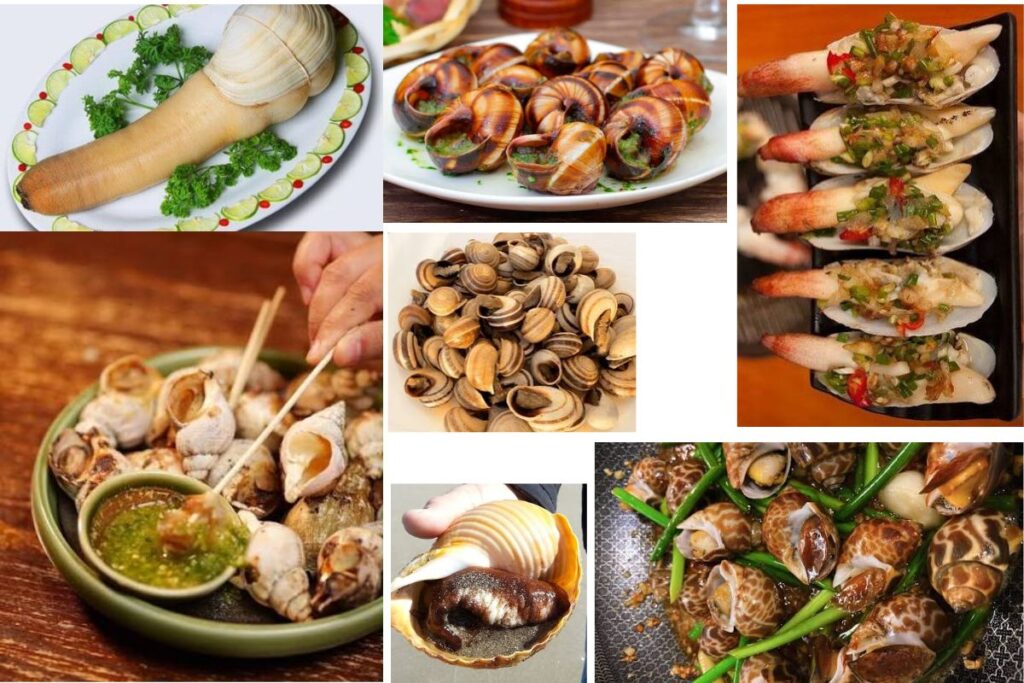
Perhaps no seafood category surprises international visitors more than Vietnam’s remarkable variety of sea snails.
Rather than referring to a single species, “ốc” describes dozens of edible marine snails prepared in countless regional styles. Every coastal city seems to have its own favorite varieties, and entire restaurants specialize almost exclusively in serving them.
Worth Knowing: Vietnam’s love for ốc goes far beyond tourism. Entire streets in cities such as Ho Chi Minh City are dedicated to snail restaurants, where locals gather after work to sample a variety of shellfish paired with dipping sauces unique to each region. For many Vietnamese diners, an evening of eating ốc is as much about conversation as it is about food.
Popular types include:
- Moon snails
- Whelks
- Conch
- Top shells
- Blood cockles
- Periwinkles
Cooking methods are equally diverse.
Some snails are steamed with lemongrass, while others are stir-fried with garlic butter, roasted with salt and chili, or cooked in fragrant coconut milk.
For adventurous food lovers, ordering several different snail dishes to share is one of the most authentic seafood experiences Vietnam has to offer.
Many locals even consider an evening of eating “ốc” with friends to be as much a social activity as a meal itself.
Vietnam may have the world’s most diverse snail culture. Entire restaurants serve nothing but snails, with menus listing more than 50 different species prepared in dozens of ways. Even many Vietnamese travelers spend years discovering new varieties.
Best Places for Seafood in Vietnam
One of the greatest pleasures of traveling through Vietnam is discovering how seafood changes from one destination to the next.
Every stretch of coastline has its own fishing traditions, local specialties, and signature cooking styles. Some places are famous for luxurious lobster dinners overlooking the ocean, while others are known for humble seafood markets where freshly caught shellfish costs just a few dollars.
If your itinerary includes several coastal cities, you’ll quickly notice that no two seafood experiences are exactly alike.
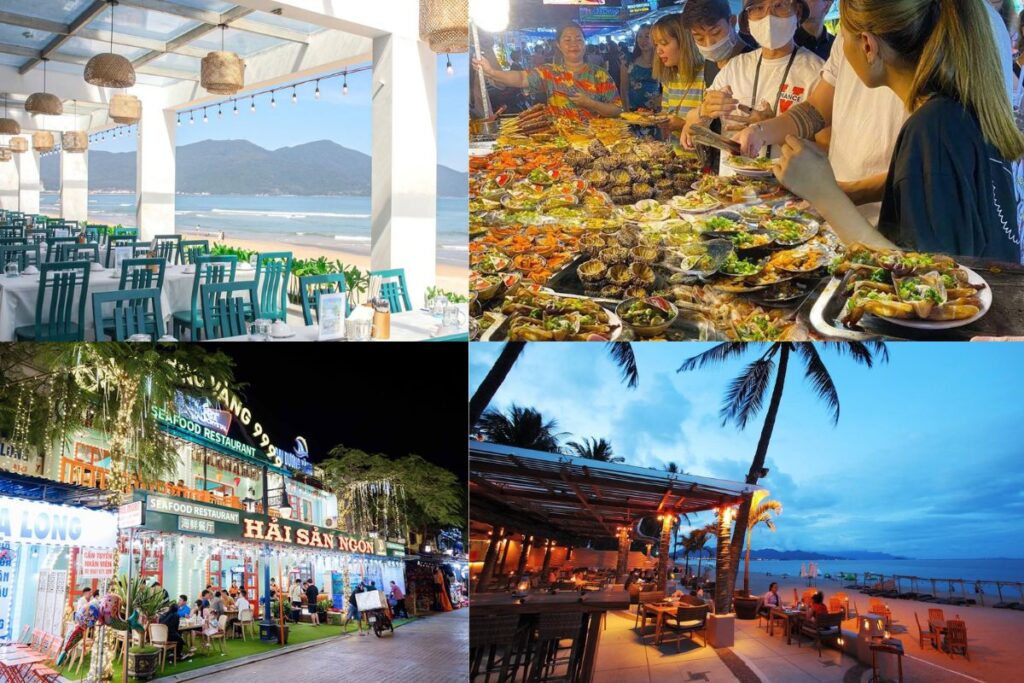
Da Nang: The Best All-Round Seafood Destination
For many travelers, Da Nang offers the perfect introduction to Vietnamese seafood.
The city combines fresh daily catches, a huge variety of restaurants, reasonable prices, and easy access to beautiful beaches. Seafood restaurants line the streets east of the Han River and around My Khe Beach, where tanks filled with live lobster, crab, prawns, and shellfish welcome diners every evening.
Da Nang is especially known for:
- Grilled scallops with scallion oil
- Razor clams
- Tiger prawns
- Fresh squid
- Seafood hotpot
The city’s relaxed atmosphere also makes it an excellent place for first-time visitors who want to experience Vietnam’s live seafood restaurants without feeling overwhelmed.
Best for: Variety, value, and casual beachfront dining.
Nha Trang: Vietnam’s Seafood Capital
Ask many Vietnamese travelers where to eat the country’s finest seafood, and Nha Trang is likely to be near the top of the list.
Surrounded by clear coastal waters and nearby fishing islands, the city enjoys access to an exceptional range of premium seafood throughout the year.
Lobster is undoubtedly the local star, but visitors will also find sea urchins, oysters, scallops, reef fish, and giant prawns prepared with remarkable simplicity.
Many restaurants purchase seafood directly from fishermen, helping preserve the freshness that has made Nha Trang famous among seafood enthusiasts.
If you’re planning one unforgettable seafood feast during your trip, Nha Trang is one of the best places to do it.
Don’t miss:
- Grilled spiny lobster
- Sea urchins
- Oysters
- Live reef fish
- Scallops
Phu Quoc: Tropical Seafood by the Sea
Vietnam’s largest island offers a seafood experience that feels distinctly tropical.
Restaurants along the coast specialize in ingredients harvested from the warm waters surrounding the island, with menus featuring mud crab, squid, prawns, shellfish, sea urchins, and reef fish.
Evening seafood dinners are especially popular after a day spent exploring beaches or snorkeling offshore.
The island’s famous night market also provides an opportunity to sample grilled seafood in a lively atmosphere without committing to a large restaurant meal.
Local favorites include:
- Grilled sea urchins
- Mud crab
- Tiger prawns
- Grilled squid
- Fresh oysters
Ha Long Bay: Seafood from the Northern Coast
Although most visitors come for the spectacular limestone scenery, Ha Long Bay is also one of northern Vietnam’s premier seafood destinations.
Fishing communities around the bay have supplied nearby markets and restaurants for generations, creating a cuisine built around squid, oysters, clams, shrimp, and locally caught fish.
Ha Long is particularly famous for its squid, which is prized for its sweetness and firm texture.
Many overnight cruises include seafood meals, while restaurants on the mainland offer an even wider selection sourced directly from local fishing boats.
Signature seafood:
- Ha Long squid
- Oysters
- Clams
- Shrimp
- Steamed fish
Quy Nhon: A Hidden Gem for Seafood Lovers
Compared with Vietnam’s better-known beach destinations, Quy Nhon remains refreshingly uncrowded.
That means visitors often enjoy exceptionally fresh seafood at prices lower than those found in more heavily visited resort towns.
The city’s restaurants focus on simple preparations that highlight freshness rather than elaborate presentation.
Seafood lovers will find everything from grilled shellfish and razor clams to lobster, squid, and seasonal fish served in relaxed, family-run restaurants close to the coast.
For travelers seeking authentic local dining without large tourist crowds, Quy Nhon is one of Vietnam’s best-kept culinary secrets.
Vung Tau: A Favorite Weekend Escape
Located just a short journey from Ho Chi Minh City, Vung Tau has long been a popular destination for weekend seafood trips.
Restaurants near the waterfront become especially lively in the evenings, serving generous platters of shellfish, crab, shrimp, and grilled fish.
The city’s casual atmosphere makes it easy to enjoy a leisurely seafood dinner after spending the day at the beach.
Because Vung Tau attracts many domestic travelers, it’s also a great place to experience seafood restaurants filled with local families rather than organized tour groups.
Hai Phong: Northern Vietnam’s Seafood Tradition
Often overlooked by international visitors, Hai Phong has one of the country’s strongest seafood traditions.
As one of Vietnam’s busiest port cities, it enjoys access to abundant catches from the Gulf of Tonkin. Local restaurants specialize in crab, mantis shrimp, oysters, clams, and fresh fish prepared using recipes that have been passed down for generations.
Hai Phong is also famous for its distinctive seafood noodle dishes, offering visitors an opportunity to enjoy seafood beyond grilled platters and shellfish feasts.
If you’re exploring northern Vietnam beyond Hanoi and Ha Long Bay, the city’s food culture is well worth discovering.
Coastal Fishing Villages: The Most Authentic Experience
Some of Vietnam’s most memorable seafood meals aren’t found in major tourist cities at all.
Small fishing villages scattered along the country’s coastline often serve seafood just hours after it has been landed. Menus change daily depending on the morning’s catch, and many family-run restaurants prepare whatever fishermen have brought ashore.
Dining in these communities offers something that larger cities sometimes cannot: a direct connection between the ocean, the people who harvest its resources, and the food on your table.
The surroundings may be simple, but the freshness is often unmatched.
Which Destination Is Right for You?
Each coastal destination offers its own strengths, so the best choice depends on what kind of seafood experience you’re looking for.
| Destination | Best Known For | Ideal For |
|---|---|---|
| Da Nang | Variety, beachfront restaurants, excellent value | First-time visitors |
| Nha Trang | Lobster, premium seafood, live tanks | Seafood enthusiasts |
| Phu Quoc | Tropical seafood, night markets, mud crab | Island vacations |
| Ha Long Bay | Squid, oysters, northern seafood | Scenic cruises and regional specialties |
| Quy Nhon | Fresh seafood with fewer tourists | Authentic local dining |
| Vung Tau | Weekend seafood feasts | Short trips from Ho Chi Minh City |
| Hai Phong | Crab, mantis shrimp, seafood noodle dishes | Exploring northern cuisine |
The good news is that there isn’t a wrong choice.
Whether you’re enjoying grilled lobster beside a beach in Nha Trang, sharing plates of sea snails in Da Nang, or sampling fresh squid after a cruise through Ha Long Bay, each destination reveals a different side of Vietnam’s rich coastal food culture.
For many travelers, tasting seafood across several regions becomes one of the highlights of exploring the country—one delicious meal at a time.
Local Secrets Worth Knowing
Some of the best seafood experiences in Vietnam happen away from the busiest tourist streets.
In Da Nang, many local families head toward neighborhoods east of the Han River rather than restaurants directly along the beachfront. Around Nha Trang, seafood restaurants near working fishing ports often receive deliveries just hours after boats return. On Phu Quoc, arriving at the night market before the evening crowds gives you a better chance to enjoy freshly grilled seafood without long waits.
Another useful tip is timing. Many seafood restaurants become busiest after sunset, but arriving slightly earlier—around 5:30 or 6:00 p.m.—often means a wider choice of live seafood before the most popular items sell out.
If you’re unsure where to eat, ask your hotel receptionist or homestay host where they would take visiting friends or family. Local recommendations often lead to memorable meals that don’t appear in guidebooks.
How to Order Seafood in Vietnam Like a Local
Like a Local
Walking into a busy seafood restaurant in Vietnam for the first time can feel a little overwhelming.
Instead of neatly printed menus with fixed prices, you’ll often find rows of bubbling aquariums, baskets of shellfish on ice, and restaurant staff inviting you to choose your meal before it reaches the kitchen. For many international visitors, it’s an entirely new way of dining.
The good news is that ordering seafood in Vietnam is much easier than it looks.
Once you understand a few local customs, you’ll be able to order with confidence and enjoy the experience just as locals do.
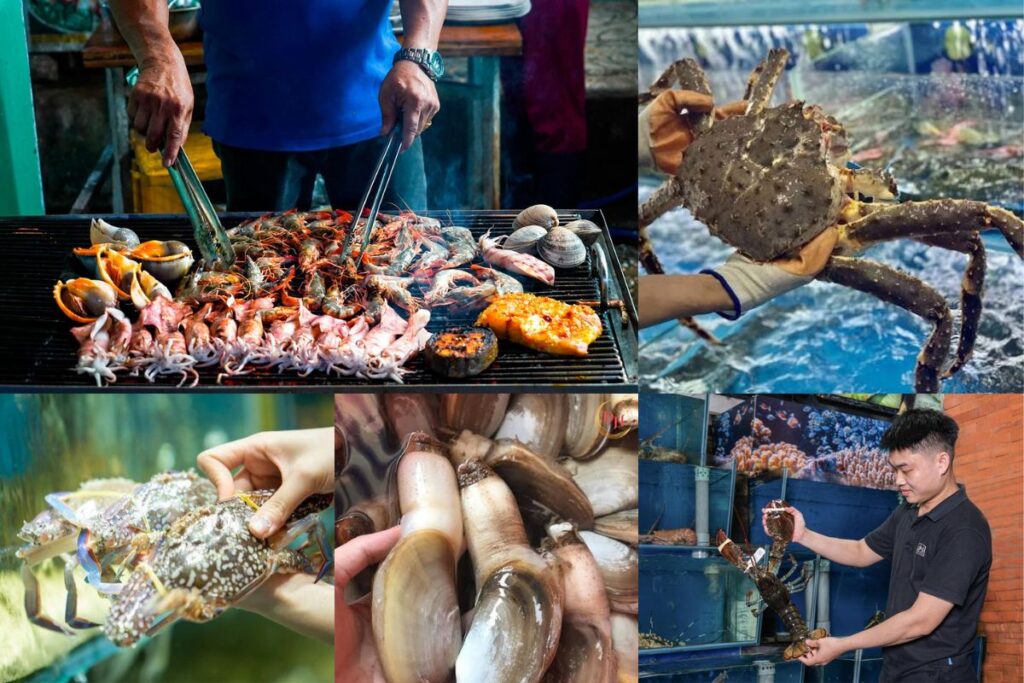
Start with the Live Seafood Tanks
At many seafood restaurants, the freshest ingredients are displayed in large tanks or shallow pools near the entrance.
You’ll commonly see:
- Lobsters
- Mud crabs
- Tiger prawns
- Mantis shrimp
- Fish
- Clams
- Oysters
- Scallops
- Sea snails
Rather than asking for a specific dish, most diners begin by choosing the seafood itself.
If you’re unsure what something is, simply point and ask. Staff at restaurants in popular tourist destinations are usually familiar with helping international guests and can recommend both the seafood and the best cooking method.
One advantage of ordering this way is complete transparency—you can see the size, quality, and freshness of your meal before it’s prepared.
Common Tourist Mistake: Many first-time visitors assume the largest lobster or crab is automatically the best choice. In reality, locals often prioritize freshness and seasonality over size. A medium-sized crab caught that morning can deliver sweeter, more delicate meat than a larger specimen that has spent longer in storage.
Understand the Pricing System
One of the biggest surprises for first-time visitors is that seafood is often sold by weight instead of by portion.
Premium seafood such as lobster, crab, mantis shrimp, and large prawns is usually priced per kilogram.
The process typically works like this:
- Choose the seafood.
- The staff places it on a scale.
- They show you the total weight.
- The price is calculated based on the current rate per kilogram.
- You confirm the order before cooking begins.
Before agreeing, it’s perfectly acceptable—and recommended—to ask:
- How much is it per kilogram?
- Approximately how much will the total meal cost?
- Does the cooking method include any additional charge?
Asking these questions is common practice and helps avoid misunderstandings.
Let the Restaurant Recommend the Best Cooking Method
Not every type of seafood tastes best prepared the same way.
Experienced restaurants usually recommend cooking methods that highlight each ingredient’s natural flavor.
Here are some common pairings:
| Seafood | Recommended Preparation |
|---|---|
| Lobster | Charcoal grilled with garlic butter |
| Mud crab | Steamed or stir-fried with tamarind |
| Scallops | Grilled with scallion oil |
| Razor clams | Charcoal grilled with peanuts and scallion oil |
| Oysters | Grilled with scallion oil or garlic butter |
| Squid | Charcoal grilled or stir-fried |
| Tiger prawns | Salt grilled or steamed |
| Sea snails | Steamed, stir-fried with garlic, or roasted with chili salt |
If you’re undecided, simply ask, “Which cooking method do you recommend?” Local restaurants almost always suggest the preparation that best suits the freshness and texture of the seafood.
Order Several Smaller Dishes
Vietnamese seafood meals are designed to be shared.
Instead of ordering one large entrée per person, locals typically choose a variety of dishes for the entire table.
A balanced seafood dinner might include:
- Grilled scallops
- Steamed clams
- Stir-fried squid
- Grilled prawns
- Seasonal vegetables
- Fried rice
- Seafood hotpot to finish
Sharing several dishes allows everyone to experience different flavors, textures, and cooking techniques in one meal.
Even couples often order three or four dishes rather than just one.
Don’t Be Afraid of Busy Local Restaurants
Some visitors assume the best seafood restaurants will be elegant waterfront venues.
In reality, many of Vietnam’s most highly regarded seafood restaurants are simple, open-air establishments filled with local families.
Plastic chairs, stainless steel tables, and bustling dining rooms are completely normal.
If you notice a restaurant packed with Vietnamese diners while neighboring restaurants are nearly empty, that’s often a very good sign.
High customer turnover usually means fresher seafood and ingredients that don’t spend long in storage.
Learn a Few Helpful Dining Habits
Vietnamese diners follow several customs that may be unfamiliar to first-time visitors.
For example:
- Seafood is usually eaten slowly while chatting with family and friends.
- Dishes arrive as they are ready rather than all at once.
- Everyone shares from the center of the table.
- Fresh herbs, lime wedges, salt, pepper, and chili are often used to customize each bite.
- Beer or iced tea commonly accompanies seafood meals.
Rather than rushing through dinner, locals often spend several hours enjoying the meal together.
The relaxed atmosphere is just as important as the food itself.
Watch for Seasonal Specialties
Not every type of seafood is available year-round.
Depending on the season, restaurants may recommend different catches that are at their peak quality.
Rather than insisting on a specific item, consider asking:
“What’s fresh today?”
This simple question often leads to a better meal than ordering the most expensive option on the menu.
Restaurants are generally proud to showcase whatever has arrived from local fishing boats that morning.
Local Tip: One simple question can completely change your meal: “What’s fresh today?” Local restaurants are usually proud to recommend seafood that arrived from nearby fishing boats that morning, and these daily catches are often better choices than the most expensive items on the menu.
A Few Tips to Avoid Overpaying
Vietnam is widely considered an excellent value for seafood, but it’s still worth keeping a few practical tips in mind.
- Check whether prices are listed per kilogram or per serving.
- Confirm the total price before the seafood is cooked.
- Ask if taxes or service charges are included, particularly at upscale restaurants.
- Be cautious of unusually low prices that seem too good to be true.
- If ordering lobster or crab, verify whether the displayed price refers to live weight.
- Keep your receipt if you’re dining at a restaurant where seafood is sold by weight.
Following these simple steps helps ensure a smooth and enjoyable dining experience.
Embrace the Experience
Ordering seafood in Vietnam is about more than choosing something to eat.
It’s an opportunity to interact with local food culture, discover unfamiliar species, and enjoy ingredients at their absolute freshest.
Don’t worry if you can’t identify every shellfish in the tank or pronounce every name on the menu. Curiosity is part of the experience, and many of the country’s most memorable seafood dishes are the ones travelers never expected to order.
With an open mind and a willingness to try something new, you’ll quickly understand why seafood dining has become one of Vietnam’s most cherished culinary traditions.
Average Seafood Prices in Vietnam
One of the reasons travelers rave about seafood in Vietnam is the value for money.
Compared with many destinations in North America, Europe, Australia, and even parts of East Asia, enjoying fresh seafood in Vietnam is often surprisingly affordable. Whether you’re ordering a plate of grilled clams at a local restaurant or treating yourself to a live lobster dinner by the beach, you’ll usually pay far less than you would for seafood of similar quality elsewhere.
That said, prices can vary considerably depending on where you travel, the season, and the type of restaurant.
What Affects Seafood Prices?
Unlike many restaurant dishes with fixed menu prices, premium seafood in Vietnam is commonly sold by weight.
Several factors influence the final bill:
- Location: Beachfront restaurants and popular tourist destinations generally charge more than neighborhood eateries.
- Season: Lobster, crab, and certain shellfish may cost more during peak demand or when supplies are limited.
- Wild-caught vs. farm-raised: Wild seafood usually commands a higher price.
- Size: Larger crabs, prawns, and lobsters naturally cost more because pricing is based on weight.
- Cooking method: Most restaurants include basic preparation in the price, but premium sauces or specialty cooking techniques may incur a small additional charge.
For everyday seafood such as clams, oysters, squid, or grilled fish, prices are typically listed per dish rather than by weight.
Typical Price Ranges
The following estimates reflect what travelers can generally expect at mid-range local seafood restaurants. Prices may be higher at luxury resorts and lower at neighborhood eateries frequented by locals.
| Seafood | Typical Price |
|---|---|
| Grilled oysters (6–8 pieces) | US$4–8 |
| Grilled scallops | US$5–10 |
| Razor clams | US$5–9 |
| Steamed clams | US$4–8 |
| Grilled squid | US$6–12 |
| Tiger prawns | US$10–20 per serving |
| Mud crab | US$15–35 per kilogram |
| Mantis shrimp | US$18–35 per kilogram |
| Live lobster | US$35–80+ per kilogram |
| Seafood hotpot (2–4 people) | US$18–40 |
These figures are intended as a general guide rather than fixed prices. Daily market conditions, seafood availability, and restaurant location all influence the final cost.
Budget, Mid-Range, and Luxury Dining
Whether you’re traveling on a backpacker’s budget or celebrating a special occasion, Vietnam offers seafood experiences for every price point.
Budget: US$10–20 Per Person
Budget travelers don’t have to miss out on great seafood.
Neighborhood restaurants and local seafood markets often serve generous portions of grilled shellfish, squid, clams, and fish at very reasonable prices.
A typical meal might include:
- Steamed clams
- Grilled oysters
- Fried rice
- Stir-fried vegetables
- Soft drinks or iced tea
Even in popular coastal cities, this can be enough for a satisfying dinner.
Mid-Range: US$20–40 Per Person
This is where many travelers find the best balance between quality and value.
Restaurants in this price range usually offer:
- Live seafood tanks
- Larger menu selections
- Comfortable seating
- Better waterfront locations
- Premium ingredients such as tiger prawns or mud crab
It’s also an ideal budget for sharing several dishes with friends or family.
Luxury: US$50+ Per Person
For special occasions, Vietnam offers excellent fine dining at prices that remain competitive by international standards.
Luxury seafood restaurants may feature:
- Premium spiny lobster
- Imported oysters alongside local varieties
- Private beachfront dining
- Curated wine lists
- High-end seafood tasting menus
Even these experiences often cost significantly less than comparable meals in many Western countries.
Is Seafood Cheaper at Night Markets?
Night markets are a popular place to sample grilled seafood, especially in coastal destinations.
They often offer:
- Grilled scallops
- Oysters
- Squid skewers
- Shellfish
- Sea snails
Prices are generally affordable, and the lively atmosphere makes them a fun option for casual dining.
However, seafood portions at night markets tend to be smaller than those served at full-service restaurants. They’re perfect for sampling a variety of dishes rather than enjoying a large seafood feast.
Tips for Getting Good Value
You don’t need to choose the cheapest restaurant to enjoy excellent seafood.
Instead, keep these practical tips in mind:
- Compare seafood prices at a few nearby restaurants before deciding.
- Ask whether prices are listed per kilogram or per serving.
- Choose restaurants that are busy with local customers.
- Consider ordering seasonal seafood, which is often fresher and better priced.
- Share several dishes instead of ordering one expensive item.
Often, the best seafood meal isn’t the most expensive one—it’s the freshest.
Great Seafood Doesn’t Have to Be Expensive
One of Vietnam’s greatest culinary strengths is that exceptional seafood is accessible to almost every traveler.
You might splurge on a grilled lobster dinner overlooking the ocean one evening, then enjoy an equally memorable lunch of steamed clams and charcoal-grilled squid at a family-run restaurant the next day for a fraction of the price.
That combination of freshness, variety, and affordability is what keeps seafood lovers returning to Vietnam—and why so many visitors consider it one of the best seafood destinations in Asia.
Food Safety Tips for Eating Seafood in Vietnam
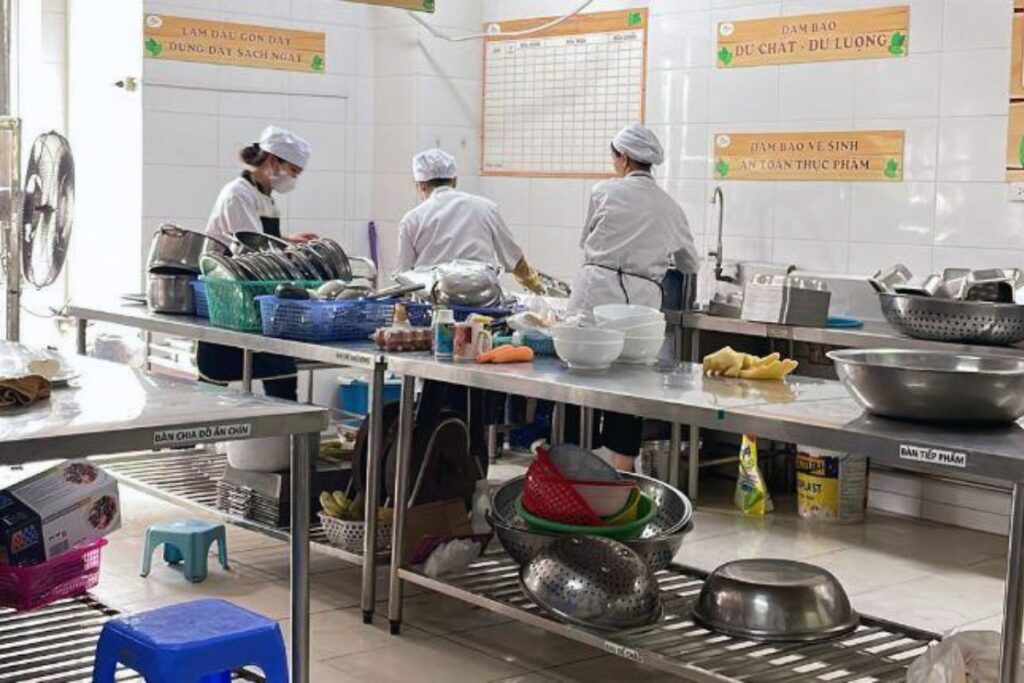
Seafood is one of the highlights of traveling in Vietnam, and millions of visitors enjoy it every year without any problems. As with dining anywhere in the world, a little common sense goes a long way toward ensuring a safe and enjoyable experience.
The good news is that finding fresh seafood in Vietnam is usually easy. Because the country has an extensive coastline and an active fishing industry, seafood often reaches restaurants within hours of being caught. Choosing the right place to eat and paying attention to a few simple details will help you enjoy your meals with confidence.
Choose Restaurants That Stay Busy
One of the easiest ways to judge a seafood restaurant is by looking at the number of local customers.
Restaurants filled with Vietnamese families or groups of friends usually have a high turnover of ingredients, meaning seafood is constantly being replaced with fresh stock. Busy kitchens are also more likely to prepare seafood throughout the day rather than serving ingredients that have been sitting for long periods.
If two restaurants offer similar menus, the busier one is often the safer choice.
Look for Signs of Fresh Seafood
Whether seafood is displayed in live tanks or on beds of ice, freshness is something you can usually assess before ordering.
Good signs include:
- Live seafood that appears active and healthy.
- Fish with bright, clear eyes and shiny skin.
- Shellfish kept cold and properly displayed.
- Clean tanks with clear water.
- No strong or unpleasant fishy smell.
Fresh seafood should smell like the ocean—not overly fishy or sour.
If something doesn’t look or smell right, it’s perfectly acceptable to choose another restaurant.
Cooked Seafood Is the Safest Option
Although some restaurants serve raw oysters and other uncooked seafood, most Vietnamese seafood dishes are grilled, steamed, stir-fried, or boiled.
For travelers who are unfamiliar with local water conditions or have sensitive stomachs, fully cooked seafood is generally the safest choice.
Popular options include:
- Charcoal-grilled squid
- Steamed clams
- Grilled scallops
- Garlic butter lobster
- Seafood hotpot
- Stir-fried crab
These dishes allow you to enjoy Vietnam’s seafood while minimizing food safety concerns.
Be Cautious with Raw Shellfish
Raw oysters can be delicious when they’re exceptionally fresh and handled correctly.
If you decide to order them, choose restaurants with an excellent reputation for seafood and a high turnover of customers. Restaurants specializing in premium seafood are generally a better option than small vendors where storage conditions may be difficult to assess.
If you have a weakened immune system, are pregnant, or have medical conditions that increase the risk of foodborne illness, it’s wise to avoid raw shellfish altogether and choose cooked alternatives instead.
Pay Attention to Ice and Drinking Water
The seafood itself is usually not the only consideration.
When dining in Vietnam, it’s also worth paying attention to beverages.
Most established restaurants use commercially produced ice, which is generally considered safe. If you’re eating at a small roadside stall and have any concerns, bottled water or sealed canned drinks provide additional peace of mind.
Staying well hydrated is especially important if you’re traveling in Vietnam’s hot and humid coastal regions.
Allergies and Dietary Restrictions
If you have a seafood allergy, make sure to communicate it clearly before ordering.
Many Vietnamese dishes contain ingredients such as:
- Fish sauce
- Shrimp paste
- Oyster sauce
- Dried shrimp
- Squid
Even vegetable dishes may occasionally include seafood-based seasonings.
Learning a few simple phrases or carrying a translated allergy card can help restaurant staff understand your dietary needs more easily.
Eat Seafood in Vietnam Soon After It’s Served
Seafood tastes best when it’s fresh from the kitchen.
Rather than letting grilled shellfish or steamed fish sit on the table for an extended period—particularly during hot weather—it’s best to enjoy dishes while they’re still warm.
If you’re ordering several dishes for a large group, don’t hesitate to ask the restaurant to bring them out gradually instead of all at once.
Trust Your Instincts
One of the most useful travel tips is also the simplest.
If a restaurant appears unclean, seafood doesn’t look fresh, or something feels off, choose another place.
Vietnam has thousands of excellent seafood restaurants, especially in coastal cities. There’s rarely a reason to settle for somewhere that doesn’t inspire confidence.
Enjoy Seafood with Confidence
For most travelers, eating seafood in Vietnam is a safe, rewarding, and unforgettable part of the journey.
By choosing busy restaurants, ordering freshly prepared dishes, and following a few basic food safety practices, you’ll be well positioned to enjoy everything from grilled lobster and scallops to clams, squid, and seafood hotpot.
The combination of exceptional freshness, skilled preparation, and Vietnam’s rich coastal traditions is what makes seafood such an essential part of the country’s culinary identity.
With a little awareness—and a healthy appetite—you can focus less on worrying about food safety and more on discovering the incredible flavors waiting along Vietnam’s coastline.
Seasonal Seafood Guide: What to Eat Throughout the Year
One of the advantages of traveling in Vietnam is that great seafood is available in every season.
Thanks to the country’s long coastline, diverse marine ecosystems, and tropical climate, fishermen land fresh catches throughout the year. While many popular seafood dishes can be enjoyed whenever you visit, certain species reach their peak quality during specific months.
If your trip happens to coincide with these seasons, you’ll have an opportunity to taste seafood when local chefs believe it is at its very best.
Spring (March–May)
As temperatures become warmer after winter, coastal waters become increasingly active. Spring is an excellent season for a wide variety of shellfish and reef fish, particularly along Vietnam’s central coastline.
Seafood to look for:
- Oysters
- Scallops
- Clams
- Reef fish
- Squid
This is also a pleasant time to dine outdoors before the hottest months of the year arrive.
Summer (June–August)
Summer is the busiest travel season for Vietnam’s beaches—and one of the best times for seafood lovers.
Many coastal cities receive abundant daily catches, and restaurants display an impressive selection of live seafood in their tanks.
Seasonal highlights include:
- Spiny lobster
- Tiger prawns
- Razor clams
- Fresh squid
- Sea urchins
- Scallops
Nha Trang, Da Nang, and Phu Quoc are especially popular during these months, with seafood markets and beachfront restaurants at their liveliest.
Because summer is also peak tourist season, premium seafood such as lobster may be more expensive than at other times of the year.
Autumn (September–November)
As visitor numbers begin to decline in many destinations, autumn offers a wonderful balance of pleasant weather and excellent seafood.
Many locals consider this one of the best times to enjoy mud crab, which is often at its sweetest and fullest after the summer growing season.
Other seasonal favorites include:
- Mud crab
- Mantis shrimp
- Clams
- Oysters
- Cuttlefish
Restaurants are often less crowded than during the summer holidays, making it easier to enjoy relaxed seafood dinners along the coast.
Winter (December–February)
Although northern Vietnam experiences cooler temperatures during winter, seafood remains an important part of the local diet.
This is the perfect season for warming dishes such as seafood hotpot, steamed shellfish, and freshly caught squid from northern coastal waters.
Winter specialties include:
- Ha Long squid
- Oysters
- Clams
- Fish
- Seafood hotpot
In southern Vietnam, where the climate remains warm year-round, travelers can continue enjoying tropical seafood with little seasonal variation.
Seafood Available All Year
Not every seafood delicacy depends on the season.
Many of Vietnam’s most popular ingredients are available throughout the year thanks to sustainable aquaculture, diverse fishing grounds, and regional harvesting cycles.
Travelers can usually find:
- Shrimp
- Squid
- Clams
- Oysters
- Fish
- Scallops
- Sea snails
- Seafood hotpot
Availability may vary slightly between regions, but these dishes are commonly found in seafood restaurants across the country.
Regional Seasons Matter Too
Vietnam stretches more than 1,600 kilometers (1,000 miles) from north to south, so seafood seasons are not identical everywhere.
For example:
- Central Vietnam may enjoy ideal lobster conditions while northern waters are known for excellent squid.
- Tropical islands in the south often continue harvesting seafood when northern provinces experience colder weather.
- Monsoon patterns can influence daily fishing activity in some coastal areas, although restaurants generally maintain steady supplies by sourcing seafood from neighboring regions.
This geographic diversity means that excellent seafood is almost always available somewhere along Vietnam’s coastline.
Ask What’s Fresh Today
While seasonal guides provide a useful starting point, local fishermen don’t follow a calendar as closely as nature does.
Weather, tides, water temperature, and fishing conditions all influence what arrives at the docks each morning.
For that reason, one of the smartest questions you can ask at any seafood restaurant is simply:
“What’s the freshest catch today?”
Restaurant staff usually know exactly which seafood has arrived that morning and will happily recommend the best options.
In many cases, the day’s freshest catch will provide a more memorable meal than ordering a famous specialty that happens to be out of season.
Freshness Matters More Than the Calendar
Seasonality certainly enhances the seafood experience, but freshness remains the single most important factor.
A perfectly grilled squid landed that morning will almost always outperform an out-of-season luxury lobster that has spent days in transport.
Fortunately, Vietnam’s extensive coastline and vibrant fishing communities make truly fresh seafood remarkably easy to find.
Whether you visit in spring, summer, autumn, or winter, you’ll discover that every season brings its own flavors, traditions, and reasons to fall in love with Vietnam’s coastal cuisine.
Sustainable Seafood in Vietnam: How Travelers Can Make Responsible Choices
Vietnam’s coastline supports millions of livelihoods.
From small family fishing boats to oyster farms and coastal aquaculture, seafood plays an essential role in the country’s economy and food culture. As tourism continues to grow, many travelers are becoming more interested in enjoying seafood while also supporting sustainable fishing practices.
The good news is that making responsible choices doesn’t mean giving up the seafood experiences that make Vietnam such an exciting destination. A few thoughtful decisions can help protect marine ecosystems while supporting local communities.
Choose Seasonal and Local Seafood in Vietnam
One of the simplest ways to eat more sustainably is to order seafood that is abundant and in season.
Restaurants often recommend the day’s freshest catch because it has been landed locally and doesn’t require long-distance transportation or extended storage. Seasonal seafood is usually fresher, tastes better, and can also offer better value.
Instead of searching for one specific luxury ingredient, consider asking the staff:
“What’s fresh today?”
This approach not only leads to a more authentic meal but also supports local fishing communities that work with the natural rhythm of the sea.
Enjoy a Variety of Seafood in Vietnam
Many visitors naturally gravitate toward lobster, king crab, or giant prawns. While these premium dishes are worth trying, Vietnam’s seafood culture is far more diverse.
Ordering a mix of species helps reduce pressure on a small number of highly sought-after seafood products while introducing you to flavors that many tourists overlook.
Excellent alternatives include:
- Razor clams
- Scallops
- Clams
- Oysters
- Squid
- Cuttlefish
- Sea snails
- Local fish
Some of these dishes are among the country’s most beloved seafood specialties, even if they receive less international attention than lobster.
Support Family-Owned Seafood Restaurants
Across Vietnam’s coastline, many seafood restaurants are family businesses that have purchased directly from nearby fishermen for generations.
Choosing these local restaurants helps keep more tourism income within coastal communities while often providing a fresher and more authentic dining experience.
You’ll frequently notice that these restaurants:
- Buy seafood from nearby fishing ports.
- Prepare recipes passed down through generations.
- Serve regional specialties that reflect local traditions.
- Offer excellent value compared with large tourist-oriented venues.
Some of the most memorable seafood meals in Vietnam are found in these modest, family-run establishments rather than luxury resorts.
Avoid Ordering More Than You Can Finish
Vietnamese seafood meals are designed for sharing, and it’s easy to become excited when faced with tanks full of live seafood.
Before ordering, think about how much your group can realistically eat.
Starting with several smaller dishes allows you to sample a wider variety of seafood while reducing unnecessary food waste. If you’re still hungry, it’s always possible to order another dish.
Respect Protected Marine Life
Vietnam is home to remarkable marine biodiversity, including coral reefs, seagrass meadows, and protected coastal habitats.
Responsible restaurants generally avoid serving protected or endangered marine species. As a traveler, it’s a good idea to do the same.
If you’re unsure about a particular item on the menu, ask the restaurant for more information or choose one of the many widely available local seafood options instead.
Seafood as Part of Vietnam’s Coastal Heritage
For Vietnamese people, seafood is more than a meal.
It represents generations of knowledge about the sea, seasonal fishing traditions, and recipes that have evolved alongside coastal communities. Every grilled squid, steamed clam, or seafood hotpot reflects a connection between local families and the waters that sustain them.
By choosing fresh, locally sourced seafood and supporting responsible businesses, travelers become part of that story.
Enjoy Seafood in Vietnam Responsibly
You don’t need to be an expert in marine conservation to make good choices.
Ordering seasonal seafood in Vietnam, supporting local restaurants, avoiding unnecessary waste, and being open to trying a variety of species are simple steps that benefit both visitors and coastal communities.
The result is a seafood experience that is not only delicious but also more meaningful—one that celebrates Vietnam’s extraordinary coastline while helping preserve it for future generations.
Frequently Asked Questions about Vietnam’s Seafood
Is seafood in Vietnam expensive?
Not at all. One of Vietnam’s biggest advantages is its excellent value for fresh seafood. Travelers can enjoy everything from affordable grilled shellfish at local restaurants to premium lobster dinners at prices that are often lower than in many Western countries.
What’s the best city for seafood in Vietnam?
There isn’t a single winner. Nha Trang is famous for lobster, Da Nang offers the widest variety of seafood restaurants, Phu Quoc is known for tropical seafood and night markets, while Ha Long Bay is celebrated for squid and northern shellfish.
Is it safe to eat seafood from street vendors?
Many street vendors serve excellent seafood, especially in busy coastal cities. Choose stalls with high customer turnover, freshly cooked food, and good hygiene practices.
Should I choose seafood from live tanks?
Yes. Live seafood is a good indicator of freshness and is commonly displayed at restaurants throughout Vietnam. Always confirm the price before ordering.
Can I negotiate seafood prices?
Fixed-price restaurants usually don’t negotiate. However, confirming the total cost before cooking is normal, particularly when seafood is sold by weight.
Do I need to tip at seafood restaurants?
Tipping isn’t expected at most local restaurants, though it’s appreciated if you receive exceptional service. Upscale restaurants may already include a service charge.
What’s the difference between mud crab and mangrove crab?
Mud crab is generally larger, meatier, and one of Vietnam’s most prized seafood specialties. The name “mangrove crab” is sometimes used informally because these crabs are commonly found in mangrove ecosystems.
What’s the best time of day to eat seafood?
Dinner is the most popular time, especially in coastal cities. Arriving early in the evening often gives you the widest selection of fresh seafood before the busiest crowds arrive.
Our Perspective about Seafood in Vietnam
At Tam Voc Viet, we believe the best seafood meal in Vietnam isn’t necessarily the most expensive one.
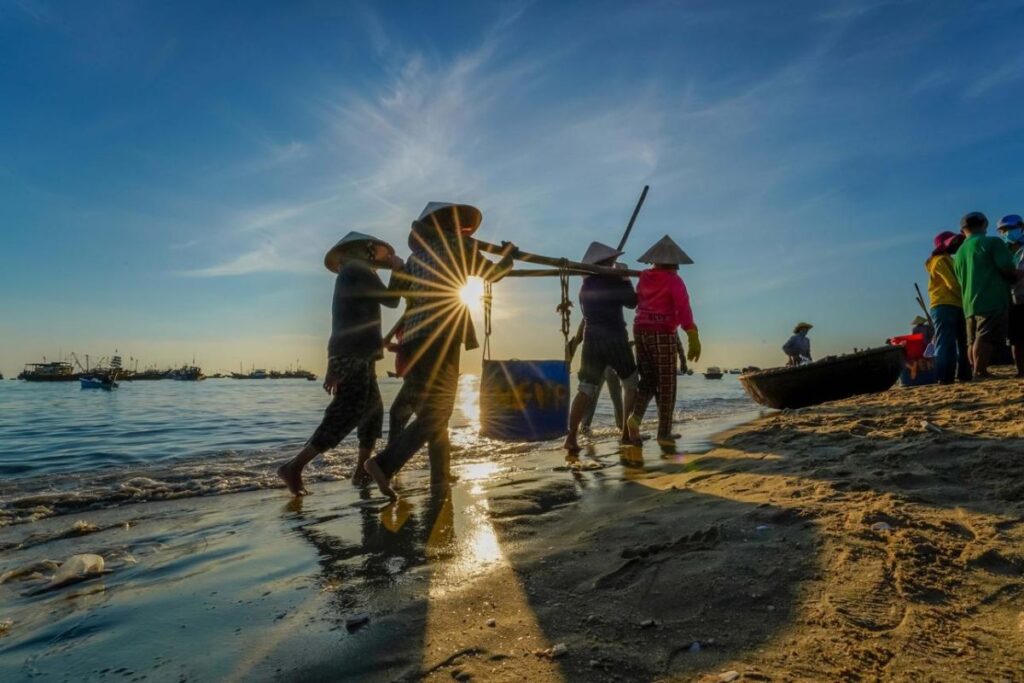
Some of our most memorable experiences have come from simple, family-run restaurants where the menu changes with the day’s catch. Sitting on a small plastic chair beside the sea, watching fishermen unload their boats while dinner is prepared over charcoal, often tells a richer story about Vietnam than any luxury dining experience.
That’s why this guide focuses not only on famous seafood dishes but also on the traditions, dining customs, and local experiences that help travelers connect more deeply with Vietnam’s coastal culture.
As restaurants, prices, and seasonal catches naturally change over time, we review and update this guide regularly to ensure the information remains practical and relevant for future visitors.
If you enjoy slower, experience-focused travel, we also share local insights, food experiences, and practical Vietnam travel advice through our YouTube channel:
TAM VOC VIET – VIETNAM INSIGHTS
About the Author
This Hanoi food guide was researched and written by the editorial team at Tam Voc Viet, a publication dedicated to helping international travelers discover Vietnam through trusted, in-depth travel content.
Our articles combine local knowledge, historical context, on-the-ground research, and insights from Vietnamese culinary traditions to create practical guides for first-time visitors and returning travelers alike. Every recommendation is carefully reviewed to prioritize authenticity, cultural significance, and the overall travel experience rather than short-lived trends.
For this Hanoi Food Guide, we drew on traditional Northern Vietnamese food culture, interviews and insights from local culinary sources, and extensive research into the city’s long-established dining neighborhoods. Our goal is simple: to help you experience Hanoi the way many locals do—one memorable meal at a time.
We regularly update our travel guides to reflect changes in local businesses, visitor information, and travel recommendations, ensuring our readers receive accurate and reliable advice when planning their journey through Vietnam.
Last updated: July 2026
• Editorial review by the Tam Voc Viet Team
• Estimated reading time: 45 minutes
