


 Tiếng Việt
Landing in Vietnam without mobile data can become surprisingly stressful fast.
You walk out of the airport exhausted after a long-haul flight, the humidity hits immediately, taxi drivers start calling out prices, and suddenly you’re trying to find your hotel address while balancing luggage and weak airport Wi-Fi.
That’s why getting connected quickly matters here more than many travelers expect.
The good news is that Vietnam has some of the cheapest and most reliable mobile internet in Southeast Asia. In most cases, you can get a full month of data for less than what many US travelers pay for a single day of international roaming.
After traveling across Vietnam — from crowded Hanoi streets to mountain roads in Ha Giang and beach towns along the central coast — one thing becomes very clear: not all Vietnam SIM cards perform the same.
Some work beautifully in big cities but struggle in rural areas. Others are excellent for digital nomads but unnecessary for short vacations. And airport SIM counters? Convenient, yes — but not always the best value.
This guide breaks down what travelers actually need to know before buying a SIM card or eSIM in Vietnam in 2026.
Table of Contents
Quick Recommendation: Which Vietnam SIM Card Is Best?
If you just want the short answer:
- Viettel is still the safest overall choice for most travelers
- eSIMs are the easiest option if your phone supports them
- Vinaphone works very well in major cities
- Mobifone is fine for lighter urban travel, but less reliable in remote areas
For travelers heading into northern mountain regions like Sapa or the Ha Giang Loop, Viettel consistently performs better once you leave major cities behind.
That difference becomes noticeable very quickly when you’re standing on a mountain road trying to book a guesthouse or message your driver.
Should You Buy a SIM Card in Vietnam?
In most cases, yes — absolutely.
Vietnam is one of those countries where having mobile internet genuinely changes the quality of your trip. It’s not just about social media or checking email.
You’ll probably use your phone constantly for:
- Booking Xanh SM or Grab rides
- Navigating chaotic intersections
- Translating menus
- Checking train tickets
- Finding ATMs
- Messaging hotels
- Using Google Maps while walking through unfamiliar neighborhoods
Free Wi-Fi exists almost everywhere in Vietnam, especially in cafés and hotels, but reliability varies wildly.
One café might have fiber-speed internet strong enough for Zoom calls. Another may technically have Wi-Fi while barely loading Google Maps.
Having your own data connection removes a huge amount of travel friction.
eSIM vs Physical SIM in Vietnam
This is where most travelers get confused before arriving.
The truth is: both options work well. It mostly depends on how you travel.
Why More Travelers Are Choosing eSIMs
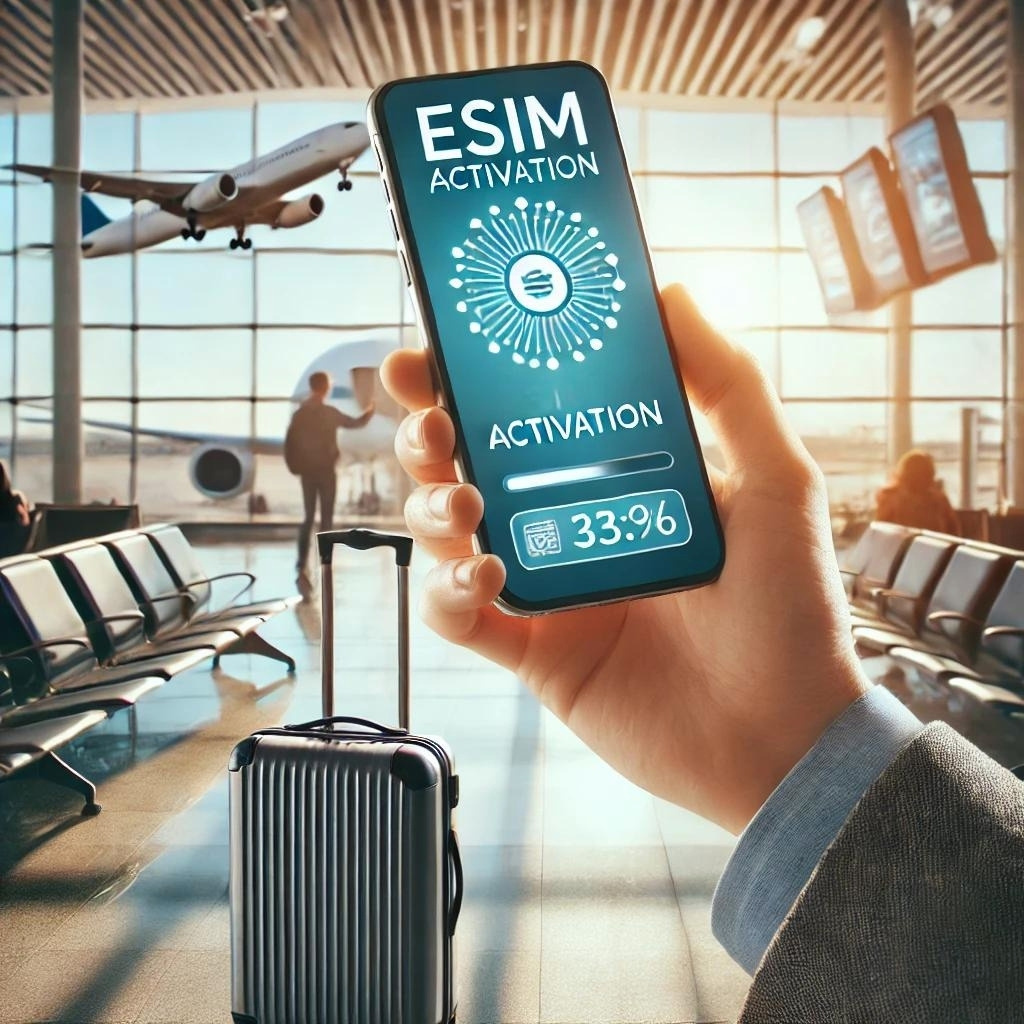
For many US travelers in 2026, eSIM is simply easier.
You can install it before boarding your flight and land in Vietnam already connected. That means you can immediately:
- Order a Xanh SM or Grab bike/ car
- Contact your hotel
- Use Google Maps
- Avoid airport Wi-Fi completely
No searching for SIM counters. No language barrier. No tiny SIM tray tools at the airport after 20 hours of travel.
It’s especially convenient for:
- iPhone users
- Digital nomads
- Frequent international travelers
- Short vacations

Another underrated advantage is that your primary US number can remain active while using Vietnamese data.
When a Physical SIM Still Makes More Sense
Physical SIM cards are still extremely common in Vietnam and often slightly cheaper than eSIM packages.
If you’re staying longer, traveling on a tighter budget, or using an older phone, a local SIM is perfectly fine.
The setup process is usually quick, although Vietnam does require passport registration for SIM activation.
Most official stores handle this in just a few minutes.
The Best Mobile Networks in Vietnam
Not all providers are equal once you leave the major tourist cities.
This matters more than many travelers expect.
Viettel Is Still the Most Reliable Overall
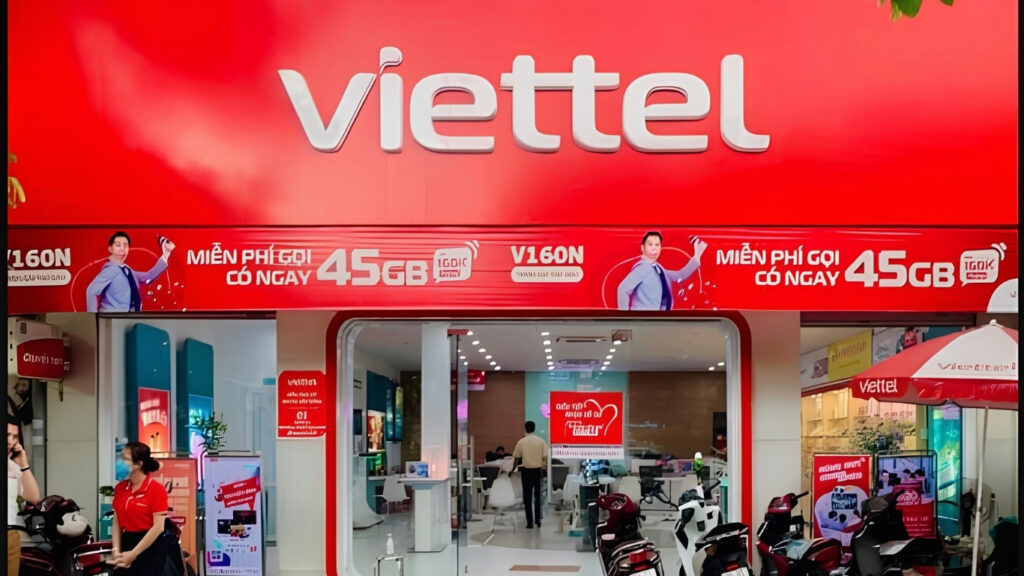
If you only remember one thing from this guide, make it this:
Viettel is usually the safest choice for travelers exploring multiple parts of Vietnam.
Inside Hanoi or Ho Chi Minh City, all major providers work reasonably well. But once you start heading into mountain regions, coastal roads, national parks, or smaller towns, coverage gaps become much more noticeable.
That’s where Viettel consistently performs better.
During road trips through northern Vietnam, many travelers notice that friends using other carriers lose signal earlier in remote areas while Viettel continues working.
It’s especially useful if you plan to visit:
Speeds are generally fast, and 5G availability continues expanding in larger cities.
Typical tourist packages are affordable, usually costing somewhere between $6–15 USD depending on data limits and validity.
Official website: Viettel
Vinaphone Works Very Well in Cities
If your trip is mostly centered around:
…then Vinaphone is a strong option.
Urban speeds are often excellent, which makes it popular among remote workers and travelers spending time in cafés or coworking spaces.
In major cities, you probably won’t notice much difference between Vinaphone and Viettel day to day.
The gap mainly appears once you move deeper into rural areas.
Official website: Vinaphone
Mobifone Is Fine for Casual Urban Travel
Mobifone is usually the budget-friendly option many travelers encounter at tourist SIM kiosks.
For shorter city trips, it works perfectly well.
But compared to Viettel, rural coverage can feel less consistent once you leave major urban zones.
If your itinerary is mostly:
- City cafés
- Beach resorts
- Nightlife districts
- Short domestic flights
…you’ll probably be completely fine with Mobifone.
Official website: Mobifone
Personally, I’d still avoid buying SIM cards from random kiosks around Bui Vien unless you’re comfortable troubleshooting issues yourself.
SIM Card Comparison
| Provider | Best For | Coverage | Best Feature |
|---|---|---|---|
| Viettel | Nationwide travel | Excellent | Strong rural signal |
| Vinaphone | Cities & remote work | Very Good | Fast urban speeds |
| Mobifone | Casual city trips | Good | Budget-friendly plans |
Where to Buy a SIM Card in Vietnam
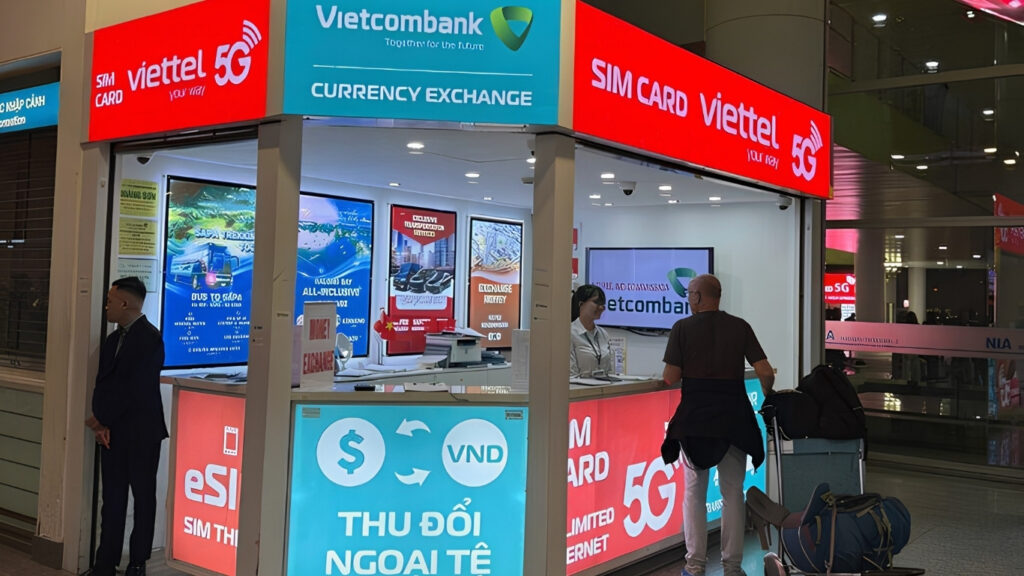
You’ll see SIM card counters almost immediately after landing.
Especially at:
- Nội Bài Airport in Hanoi
- Tân Sơn Nhất Airport in Ho Chi Minh City
- Đà Nẵng International Airport
And honestly? For many travelers, buying at the airport is worth the slightly higher price simply because it removes stress after arrival.
The staff usually help with:
- Installation
- Activation
- Data testing
- APN setup if needed
You walk away connected within minutes.
That convenience matters when you arrive late at night or need transportation immediately.
But Airport SIM Counters Aren’t Always the Cheapest
This is something many travel blogs never explain clearly.
Airport SIM counters in Vietnam are convenient, but pricing varies heavily between vendors. Two counters standing beside each other may quote completely different prices for nearly identical plans.
Some travelers also end up paying premium “tourist package” rates for data they never fully use.
If you’re staying longer, official carrier stores inside the city are usually safer and cheaper.
Where You Should Avoid Buying SIM Cards
Small unofficial kiosks in heavily touristed areas sometimes oversell low-quality plans or activate packages with unclear limits.
This happens most often in:
- Backpacker streets
- Random curbside stalls
- Overly aggressive airport resellers
A common issue is being promised “unlimited” data that becomes painfully slow after only a few gigabytes per day.
Before paying, always:
- Test the internet
- Open a few websites
- Confirm how long the package lasts
- Ask whether throttling applies
That quick two-minute check avoids most problems.
How Much Does Internet Cost in Vietnam?
Compared to US roaming prices, mobile data in Vietnam feels absurdly cheap.
Many travelers spend less on an entire month of Vietnamese data than they would on a single day of international roaming through their home carrier.
Typical pricing in 2026 looks roughly like this:
| Plan Type | Average Price |
|---|---|
| 7–10 day tourist SIM | $5–10 USD |
| 30-day physical SIM | $8–15 USD |
| Tourist eSIM package | $10–20 USD |
| Unlimited-style tourist plans | Around $15 USD |
Even after several price increases over the past few years, Vietnam still feels incredibly cheap compared to US mobile plans,
Is Wi-Fi Reliable in Vietnam?
Mostly yes — especially in cities.
Vietnam’s café culture makes it surprisingly easy to find decent internet almost everywhere.
Some coffee shops in Ho Chi Minh city, Da Nang or Hanoi honestly have faster Wi-Fi than hotels in parts of Europe or North America.
That said, reliability varies dramatically.

One thing many travelers notice quickly is that internet quality can change even within the same neighborhood. A modern café may have excellent fiber internet, while the restaurant next door struggles to load basic webpages.
Public Wi-Fi is fine for casual browsing, but for banking, remote work, or navigation, having mobile data is still much safer.
Does 5G Work in Vietnam?
Yes — especially in larger cities.
5G coverage continues expanding in:
- Hanoi
- Ho Chi Minh City
- Da Nang
But realistically, most travelers will still spend much of their trip on 4G, which is already fast enough for:
- Video calls
- Streaming
- Maps
- Remote work
- Uploads
Even long-distance buses through rural Vietnam often maintain surprisingly usable connections.
Can You Use Your US Phone in Vietnam?
Unless your phone is carrier-locked through a US provider, you’ll probably have no issues using it in Vietnam.
Before flying to Vietnam, check:
- Whether your phone is carrier unlocked
- Whether it supports eSIM (if using eSIM)
- Whether international roaming is disabled
This is especially important for US travelers, since some carrier-locked devices won’t accept foreign SIM cards.
It’s also smart to download:
- Offline Google Maps
- Hotel addresses
- Translation packs
…before departure.
Is International Roaming Worth It?
Usually not.
Many travelers accidentally leave roaming enabled and don’t realize how expensive it becomes until they receive the bill later.
Buying a local SIM or eSIM in Vietnam is almost always dramatically cheaper.
Unless your carrier includes Vietnam in an international plan, roaming rarely makes financial sense here.
The Best Option for Different Types of Travelers
If you’re backpacking across multiple regions, especially northern Vietnam, Viettel is usually worth it for the stronger rural coverage.
If you’re spending most of your time working remotely in cities like Da Nang or Ho Chi Minh City, both Viettel and Vinaphone perform well.
For short vacations, eSIM is often the least stressful option overall.
And if you’re traveling as a family with multiple devices, it may actually be cheaper to buy one large data package and hotspot occasionally rather than purchasing separate plans for everyone.
Final Thoughts about Vietnam SIM Card & Internet Guide
Vietnam is one of the easiest countries in Asia for staying connected.
Mobile internet is cheap, setup is relatively simple, and speeds are generally excellent across most of the country.
For most travelers, the biggest decision is really just this:
- Convenience or maximum value
If you want the smoothest arrival experience, install an eSIM before your flight.
If you’re planning deeper travel through rural Vietnam, choose Viettel.
And if you mainly stay inside Vietnam’s major cities, almost any provider will probably work well enough for everyday travel.
Either way, having reliable internet in Vietnam makes the trip dramatically easier — especially when navigating busy cities, booking transportation, or figuring out where your next bowl of pho is coming from.
If you’re planning your trip, you may also want to explore our guides to:
- Vietnam Visa Guide
- Best Places to Visit in Vietnam
- Best Vietnam Tours
- Best Resorts in Vietnam
- Best Places for Digital Nomads in Vietnam
- Vietnam Transportation Guide
These internal guides help travelers better understand transportation, budgeting, itineraries, accommodation, and local travel experiences across Vietnam.
Some of the best experiences happen outside the itinerary itself — from random roadside coffee stops to unexpected conversations with locals or quiet mornings that never appear in guidebooks.
If you enjoy slower, experience-focused travel, we also share local insights, food experiences, and practical Vietnam travel advice through our YouTube channel:
TAM VOC VIET – VIETNAM INSIGHTS
Author Note
Written from the perspective of long-term travel experience across Hanoi, Ho Chi Minh City, Da Nang, Hoi An, and Phu Quoc, with updated Vietnam travel prices and observations for international visitors in 2026.
Vietnam is not just easy to visit in 2026 — it remains one of the most rewarding and budget-friendly travel experiences in the world.
