


 Tiếng Việt
Everything American travelers should know before visiting Vietnam — from visas and money to food, transportation, scams, and cultural etiquette.
Vietnam is exciting, affordable, chaotic, and unforgettable. I still remember sitting on a tiny plastic stool in Hanoi at midnight, eating a bowl of pho while motorbikes rushed past nonstop. It was chaotic, loud, and completely different from home — and that’s when I realized why people fall in love with Vietnam so quickly.
For first-time visitors, though, Vietnam can also feel overwhelming at first. Crossing the street in Hanoi feels impossible, the traffic never seems to stop, and the Vietnamese Dong can make you feel like a millionaire after exchanging just $100.
After traveling extensively across Vietnam — from the busy streets of Ho Chi Minh City to the mountain roads of Ha Giang and the lantern-filled alleys of Hoi An — I realized that a smoother trip often comes down to knowing a few important local travel tips before arriving.
This Vietnam Travel Tips for First-Time Visitors guide shares practical advice for first-time visitors, including transportation tips, cultural etiquette, common scams to avoid, food safety, budgeting advice, and local insights that will help you travel Vietnam with more confidence.
Quick Vietnam Travel Tips for First-Time Visitors

- Use Xanh SM or Grab instead of random street taxis
- Carry cash for markets and local restaurants
- Don’t drink tap water
- Pack for different weather conditions
- Learn a few basic Vietnamese phrases
- Avoid overplanning your itinerary
- Domestic flights save a lot of travel time
- Street food is generally safe at busy stalls
Table of Contents
Why Vietnam Is Perfect for First-Time Southeast Asia Travelers
Vietnam combines affordability, safety, world-class food, and diverse experiences in one destination. Whether you want beaches, mountains, street food, luxury resorts, or cultural history, Vietnam delivers all of it at a fraction of Western prices.
Unlike some destinations in Southeast Asia, Vietnam also has:
- Strong tourism infrastructure
- Affordable domestic flights
- Excellent cafés and internet
- Friendly locals
- A growing English-speaking tourism industry
For many American travelers, Vietnam becomes the highlight of their Asia trip.
1. Check Visa Requirements Before You Fly
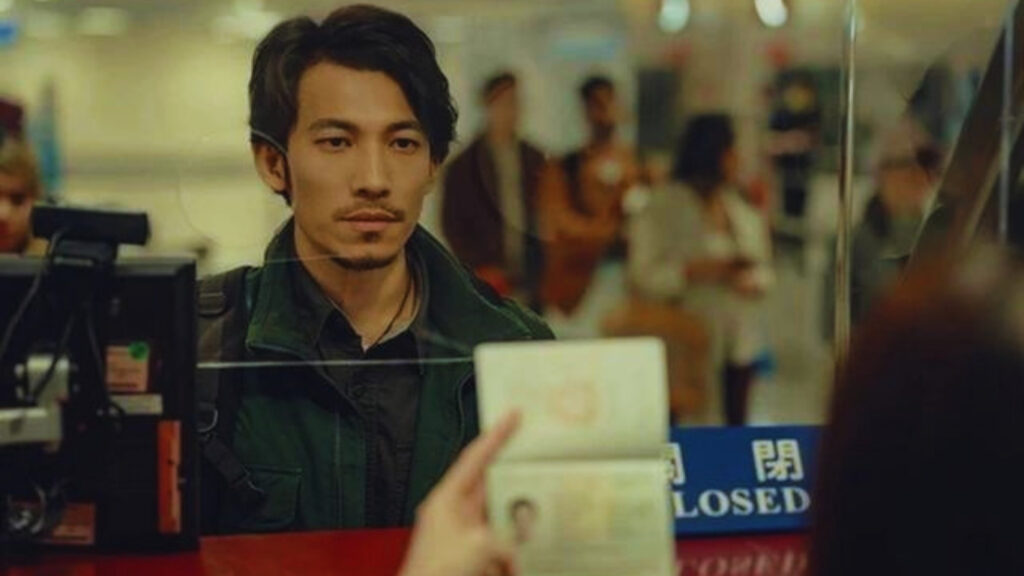
One of the biggest mistakes first-time visitors make is assuming Vietnam offers visa-free entry to everyone.
Visa policies change regularly depending on nationality, so always verify requirements before booking flights.
Most travelers can now apply online through Vietnam’s e-visa system. The process is usually simple and faster than traditional embassy applications.
Vietnam visa tips:
- Apply at least 1–2 weeks before departure
- Double-check passport number and spelling
- Your passport should have at least 6 months validity
- Save digital and printed visa copies
- Keep proof of onward travel if requested
If you’re planning multiple countries in Southeast Asia, check whether you need a single-entry or multiple-entry visa.
2. Don’t Underestimate Vietnam’s Size
Many first-time visitors try to see all of Vietnam in one week.
That’s a mistake.
Vietnam is a long country stretching over 1,600 km (1,000 miles). Traveling from Hanoi in the north to Ho Chi Minh City in the south takes time.
Ideal trip lengths:
- 7 days: Focus on one region
- 10–14 days: North + Central OR South + Central
- 3 weeks: Entire country comfortably
Trying to do too much leads to travel fatigue.
Instead, slow down and spend more time in fewer places.
3. Learn How to Cross the Street

When I first arrived in Hanoi, crossing the street honestly felt terrifying.
Motorbikes seemed to come from every direction, and waiting for traffic to stop simply didn’t work. But after a day or two, I realized that traffic in Vietnam flows around pedestrians rather than fully stopping for them.
The key is to:
- Walk slowly and predictably
- Avoid sudden movements
- Don’t run across the road
- Make eye contact when possible
It feels chaotic at first, but most travelers adapt surprisingly quickly.
4. Carry Cash — But Not Too Much

Vietnam is still heavily cash-based, especially at:
- Street food stalls
- Local cafés
- Markets
- Small shops
- Rural areas
The local currency is the Vietnamese Dong (VND), and the large numbers can confuse travelers at first.
Quick reference:
- 100,000 VND ≈ $4 USD
- 500,000 VND ≈ $20 USD
Money tips:
- Use ATMs from major banks
- Notify your bank before traveling
- Carry smaller bills for taxis and food
- Avoid exchanging money at airports if possible
Credit cards are accepted at hotels, upscale restaurants, and shopping malls, but cash is essential for daily travel.
In my experience, Vietinbank and Vietcombank usually offer the smoothest ATM experience for international travelers, with fewer rejected foreign cards compared to smaller local banks.
5. Download These Essential Apps
Your Vietnam trip becomes much easier with a few local apps.
Best apps for Vietnam travel:
- Grab — ride-hailing and food delivery
- Google Translate — useful for menus and communication
- Google Maps — navigation and reviews
- XE Currency — exchange rate calculator
- WhatsApp or Zalo — messaging
Grab is especially important because it helps avoid taxi scams and language barriers.
6. Street Food Is Safe — If You Choose Smartly

Vietnam has one of the best street food cultures in the world.
Pho, banh mi, bun cha, fresh spring rolls, and Vietnamese coffee are must-try experiences.
How to eat safely:
- Choose busy stalls with high turnover
- Watch food being cooked fresh
- Avoid raw vegetables if unsure
- Drink bottled or filtered water
- Bring stomach medicine just in case
Some of my favorite meals in Vietnam came from tiny street-side stalls with plastic chairs and no English menu at all. And surprisingly, many of them cost less than $3.
As a general rule, if a place is crowded with locals, the food is usually fresh and worth trying.
Local Tip: Some of the best street food stalls in Vietnam don’t even have English menus. If you see lots of locals eating there, that’s usually a very good sign.
7. Bargaining Is Normal in Markets
At tourist markets, bargaining is expected.
But don’t overdo it.
Friendly negotiation is part of the culture, while aggressive bargaining over tiny amounts can feel disrespectful.
Good bargaining tips:
- Smile and stay polite
- Start around 60–70% of asking price
- Walk away if needed
- Use cash
- Don’t argue over small differences
Fixed-price stores and malls usually don’t negotiate.
8. Weather Changes Dramatically by Region
Vietnam’s climate varies significantly depending on where and when you travel.
General weather patterns:
- North Vietnam: Four seasons, cooler winters
- Central Vietnam: Typhoon season in fall
- South Vietnam: Tropical and warm year-round
Many travelers make the mistake of packing for only one climate.
If visiting multiple regions, bring layers.
One thing many travelers don’t realize is that Vietnam’s weather can be completely different between regions on the same day.
For example, Hanoi can feel chilly in winter while Ho Chi Minh City stays hot and tropical year-round.
9. Domestic Flights Save Time

Vietnam’s sleeper trains are famous, but they’re not always the best option for short vacations.
Budget airlines make domestic travel affordable and fast.
Popular airlines:
- Vietnam Airlines
- VietJet Air
- Bamboo Airways
Flights between major cities are often cheaper than expected.
For example:
- Hanoi → Da Nang
- Da Nang → Ho Chi Minh City
- Ho Chi Minh City → Phu Quoc
can sometimes cost under $50 USD.
10. Respect Local Culture and Temples

Vietnam is modern and welcoming, but cultural respect still matters.
Temple etiquette:
- Cover shoulders and knees
- Remove hats
- Speak quietly
- Avoid touching religious objects
Vietnamese people are generally friendly and forgiving toward tourists who show respect.
Learning a few Vietnamese phrases also goes a long way.
Useful phrases:
- “Xin chào” — Hello
- “Cảm ơn” — Thank you
- “Bao nhiêu?” — How much?
11. Be Careful With Taxi Scams
Most transportation in Vietnam is safe, but scams can happen in tourist areas.
Avoid problems by:
- Using Xanh SM or Grab instead of street taxis
- Checking license plates carefully
- Watching Google Maps during rides
- Avoiding unofficial airport drivers
If using traditional taxis, stick to reputable companies.
One common mistake first-time visitors make is accepting rides from unofficial drivers waiting outside airports or tourist attractions.
| Option | Best For |
|---|---|
| Grab | Convenience |
| Xanh SM | Cleaner electric rides |
| Traditional Taxi | Older travelers |
Using Xanh SM or Grab usually eliminates pricing confusion because the fare is fixed in the app before the ride starts.
Local Tip: In big cities like Hanoi and Ho Chi Minh City, short Grab bike rides are often faster than cars during rush hour.
12. Vietnam Is Very Affordable
Vietnam offers exceptional value compared to the U.S. or Europe.
Average daily budgets:
| Travel Style | Budget |
|---|---|
| Backpacker | $25–50/day |
| Mid-range | $60–120/day |
| Luxury | $150+/day |
You can enjoy:
- Great hotels
- Amazing food
- Cheap transportation
- Affordable tours
without spending heavily.
13. Internet and SIM Cards Are Excellent
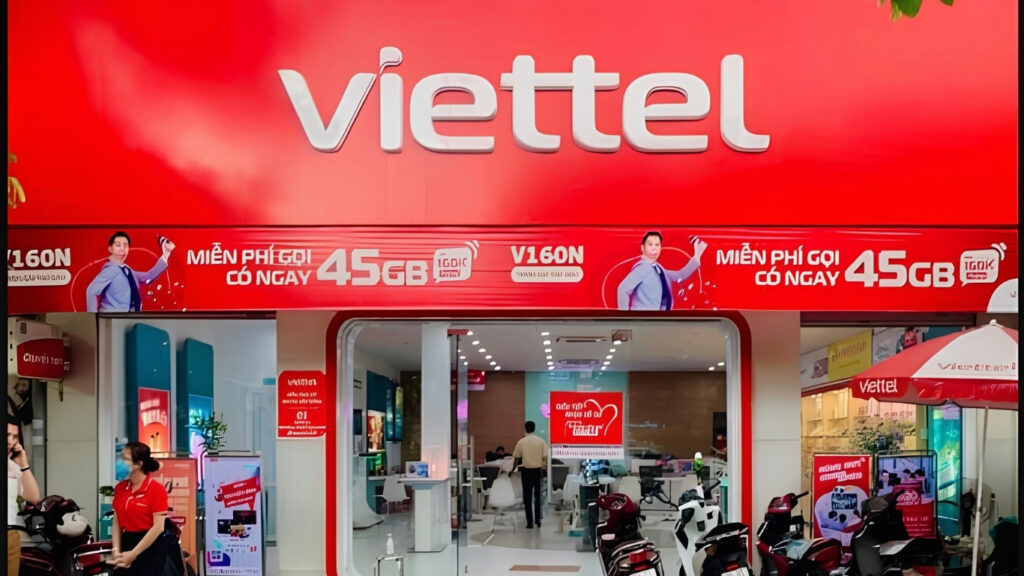
Vietnam has surprisingly fast and reliable internet.
Tourists can easily buy prepaid SIM cards at:
- Airports
- Convenience stores
- Mobile shops
Best providers:
- Viettel
- Mobifone
- Vinaphone
eSIM options are also becoming popular for U.S. travelers.
14. Plan Some Free Time
Many travelers over-plan their Vietnam itinerary.
But Vietnam is best experienced slowly:
- Sitting in cafés
- Exploring hidden alleys
- Watching street life
- Trying random food stalls
Leave room for spontaneity.
Some of your best memories will come from unplanned moments.
Local Traveler Tip
One of my favorite experiences in Vietnam had nothing to do with famous attractions or tours.
In Hanoi, many local cafés open surprisingly early — sometimes before 6 AM. Sitting on a tiny stool with a strong Vietnamese coffee while watching the city slowly wake up is one of those simple experiences many first-time visitors completely miss.

You’ll see street vendors setting up for the day, locals exercising around the lake, and the city gradually becoming louder and more energetic as the morning goes on.
If you really want to experience Vietnam beyond the tourist checklist, wake up early at least once and spend a quiet morning at a local café.
Common Mistakes First-Time Visitors Make
Avoid these common Vietnam travel mistakes:
- Trying to visit too many places
- Not carrying cash
- Ignoring weather differences
- Using random taxis
- Skipping travel insurance
- Overpacking
- Not booking trains/flights early during holidays
Frequently Asked Questions About Traveling to Vietnam
Is Vietnam safe for American tourists?
Yes. Vietnam is generally considered one of the safer countries in Southeast Asia for tourists. Petty scams and traffic are usually bigger concerns than violent crime.
How much money do I need per day in Vietnam?
Most travelers spend between $25–120 USD per day depending on their travel style, accommodation, and activities.
Can tourists drink tap water in Vietnam?
No. Travelers should avoid drinking tap water and use bottled or filtered water instead.
What should I avoid in Vietnam?
Avoid unofficial taxis, tourist scams, carrying too much cash, and overpacking your itinerary.
Is Vietnam expensive compared to Thailand?
Vietnam is generally slightly cheaper than Thailand for accommodation, transportation, and local food.
Final Thoughts: Is Vietnam Worth Visiting?

Absolutely — and for many travelers, Vietnam becomes the highlight of their entire Southeast Asia trip.
The country isn’t always polished or predictable, but that’s part of its charm. Vietnam rewards curious travelers with incredible food, breathtaking scenery, rich culture, and unforgettable experiences that feel far more authentic than many heavily touristed destinations.
Once you adjust to the energy and pace of daily life, Vietnam quickly becomes the kind of place people want to return to again and again.
Vietnam offers a rare combination of affordability, adventure, culture, food, and natural beauty that few countries can match.
For first-time visitors, the country may feel chaotic at first — but that energy is part of what makes Vietnam unforgettable.

Once you adjust to the pace, you’ll discover one of the most exciting travel destinations in the world.
Whether you’re exploring ancient towns, cruising through Ha Long Bay, eating pho on tiny plastic stools, or riding through mountain passes, Vietnam has a way of turning first-time visitors into lifelong fans.
Planning a trip to Vietnam? Explore our detailed guides on Vietnam transportation, SIM cards, local food, itineraries, and hidden destinations to make your trip smoother and more authentic.
TAM VOC VIET – VIETNAM INSIGHTS
Written by local Vietnam travel writers based in Hanoi and Ho Chi Minh City, with firsthand experience exploring destinations across Vietnam.
