

 Tiếng Việt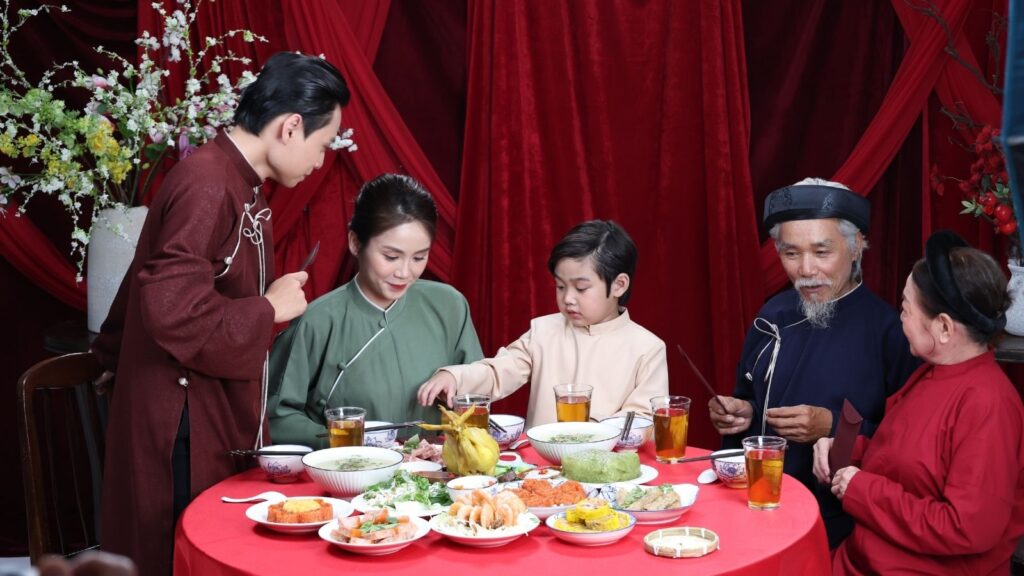
Understanding Vietnam beyond the landmarks.
When people think of Vietnam, they often picture emerald rice terraces, bustling street food markets, or the limestone islands of Ha Long Bay. While these iconic places deserve their reputation, they reveal only part of the story. What truly leaves a lasting impression on many travelers is Vietnamese culture—the warmth of the people, the importance of family, and traditions that continue to shape everyday life.
For first-time visitors, understanding local customs can turn an ordinary vacation into a meaningful cultural experience. Whether you’re sharing a meal with a local family, exploring an ancient temple, or sipping coffee on a busy sidewalk, you’ll notice that Vietnam’s traditions are woven into daily routines rather than reserved for museums or special occasions.
Quick Answer about Vietnamese Culture Explaind
If you’re planning a trip to Vietnam, understanding the local culture can make your experience far more rewarding.
Vietnamese culture blends over 4,000 years of history with Confucian values, Buddhist traditions, indigenous customs, and modern influences. Respect for family, hospitality, community, and harmony remains at the heart of everyday life. Whether you’re sharing a meal in Hanoi, visiting a pagoda in Huế, or exploring floating markets in the Mekong Delta, you’ll notice that traditions continue to shape daily interactions across the country.
Table of Contents
A Culture Shaped by Thousands of Years
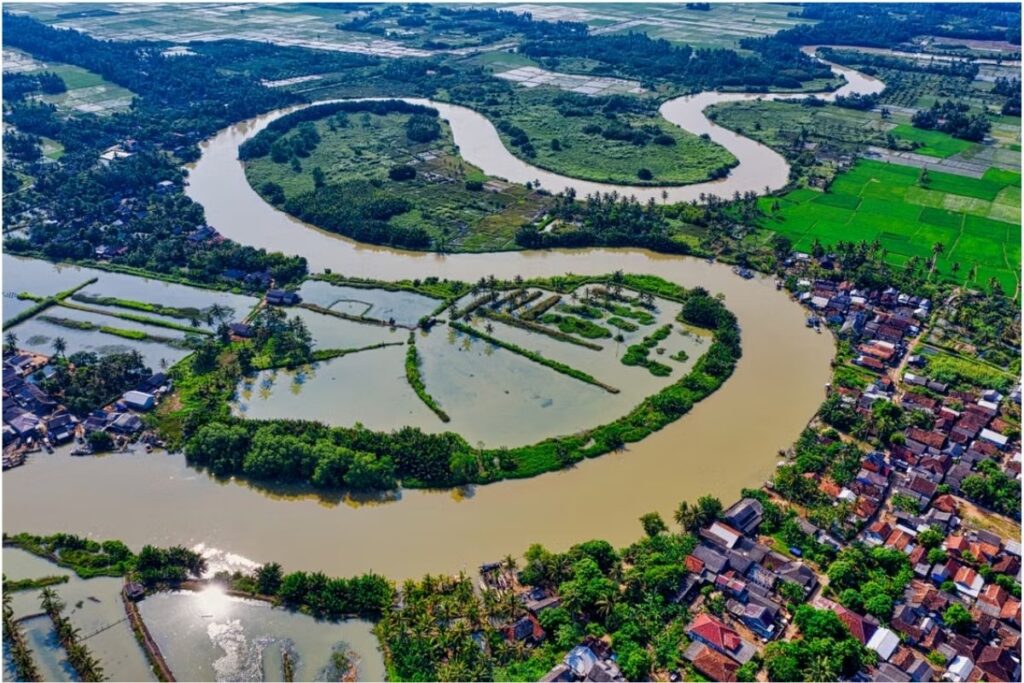
Vietnam has one of the oldest continuous civilizations in Southeast Asia, with a history stretching back more than 4,000 years. Over the centuries, the country has absorbed influences from neighboring cultures, particularly Confucianism, Buddhism, and Taoism, while preserving a strong national identity rooted in its own language, customs, and heritage.
French colonial architecture, global cuisine, and modern technology have added new layers to Vietnamese society, yet many traditional values remain unchanged. This unique blend of old and new is one of the reasons Vietnam feels both familiar and refreshingly different to international travelers.
Understanding the Heart of Vietnam Before You Visit
Most first-time visitors arrive in Vietnam expecting dramatic limestone landscapes, steaming bowls of phở, and streets alive with the constant flow of motorbikes. Those expectations are quickly met. What often surprises them, however, is something far less visible—the quiet traditions that shape everyday life, from morning tai chi beside neighborhood lakes to three generations gathering around the dinner table each evening.
The answer lies in Vietnamese culture.
It’s not something you’ll fully understand on your first day. Instead, it reveals itself gradually—in the quiet moments between famous attractions. You notice it when a café owner remembers your usual order, when three generations gather around the same dinner table, or when incense quietly drifts through a neighborhood pagoda at sunset. These everyday moments often leave a deeper impression than any postcard-famous landmark.
Behind every bowl of phở served before sunrise, every family gathering during the Lunar New Year, and every cup of coffee enjoyed on a tiny plastic stool is a culture that has evolved over thousands of years while remaining remarkably connected to its traditions. Vietnam is a country where modern skyscrapers stand beside centuries-old temples, where young entrepreneurs still return home for family celebrations, and where customs passed down through generations continue to influence everyday life.
For international visitors, especially those traveling to Southeast Asia for the first time, understanding Vietnamese culture adds an entirely new dimension to the journey. It changes the way you see local markets, family-run restaurants, religious sites, and even ordinary conversations with the people you meet along the way. Instead of simply checking famous landmarks off an itinerary, you begin to appreciate the values that shape daily life across the country.
Unlike destinations where historical traditions are preserved mainly for tourists, Vietnam offers something much more authentic. Culture is not hidden behind museum glass or limited to performances on festival days. It lives in neighborhood cafés, family kitchens, morning markets, village temples, and evening walks around the local park. It is experienced through small moments that many visitors remember long after returning home.
Understanding those moments is one of the best ways to discover the real Vietnam.
Many travelers arrive searching for beautiful landscapes. They leave talking about something entirely different—the people they met, the conversations they didn’t expect to have, and the simple acts of kindness that made them feel welcome. More often than not, that’s the Vietnam they remember most.
What Makes Vietnamese Culture Unique?
One of the most fascinating aspects of Vietnam is the way it balances continuity and change.
The country has experienced centuries of foreign influence, periods of conflict, rapid economic growth, and remarkable social transformation. Yet despite these changes, many of the values that define Vietnamese society today would still be recognizable to previous generations.
Spend just a few days in Vietnam and you’ll begin to notice a pattern. Grandparents walk children to school before sunrise, families gather for long dinners instead of eating separately, and even busy professionals often return home on weekends to visit their parents. These everyday moments reveal a culture built around relationships rather than routines. Respect for elders continues to guide social relationships. Community often takes priority over individual achievement, while hospitality is considered a natural expression of kindness rather than a special effort reserved for guests.
These values influence everything from the way meals are shared to how neighbors interact, how festivals are celebrated, and even how business relationships are built.
Spend a few days in Vietnam, and you’ll begin to notice something unexpected: life here rarely seems to revolve around the clock. Conversations stretch over coffee, family dinners linger long after the meal has ended, and people often make time for one another before rushing to the next appointment.
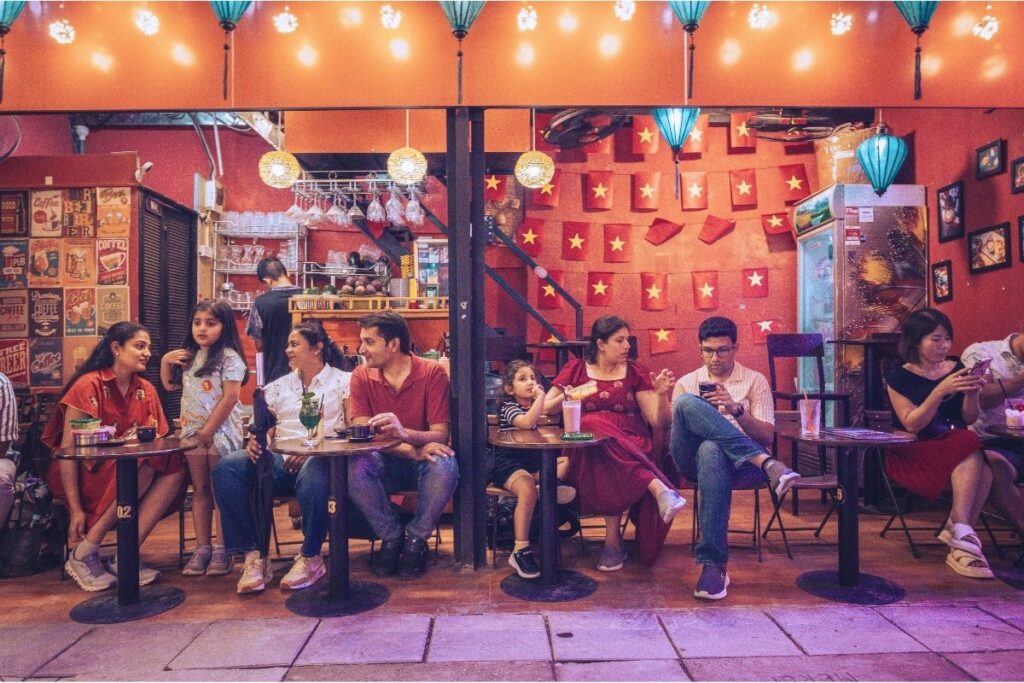
It’s easy to think of coffee as something to grab on the way to work. In Vietnam, however, the experience is often quite different. Walk through Hanoi at seven in the morning and you’ll smell freshly brewed robusta coffee drifting from tiny sidewalk cafés. Office workers, retirees, students, and street vendors all seem to pause for the same daily ritual—a slow cup of coffee accompanied by conversation rather than urgency. That slower pace often surprises first-time visitors. In a country experiencing rapid economic growth, it’s refreshing to find that many of life’s simplest pleasures are still meant to be enjoyed without rushing.
Meals tell a similar story.
Instead of ordering individual plates designed for one person, Vietnamese families usually place several dishes in the center of the table for everyone to share. A typical dinner is less about eating quickly and more about spending time together. Conversations continue long after the rice bowls are empty, reinforcing the importance of family and community through an everyday routine.
Even something as simple as greeting another person reflects cultural values.
Rather than emphasizing casual familiarity, Vietnamese greetings often communicate respect, especially toward older people. Age and family relationships influence language, behavior, and social expectations in ways that may surprise first-time visitors but quickly become one of the country’s most distinctive characteristics.
A Living Culture Rather Than a Tourist Attraction
At first glance, Vietnam may seem similar to many destinations that proudly preserve their cultural heritage through museums and historic landmarks. Spend more time here, however, and you’ll discover something different. Traditions are not confined to historical sites—they continue to shape ordinary life, from morning markets and neighborhood cafés to family gatherings and village festivals.
Walk through Hanoi before sunrise and you may see older residents practicing tai chi beside Hoàn Kiếm Lake while street vendors prepare breakfast for office workers. Visit Huế during a family celebration and you might hear traditional music performed not for visitors but for local communities. In the Mekong Delta, floating markets continue to support regional trade much as they have for generations, while mountain villages in the north preserve weaving techniques and festivals that reflect the identities of Vietnam’s diverse ethnic groups.
These are not staged performances created for tourists. They are examples of traditions continuing to evolve while remaining relevant in modern society.
This living quality gives Vietnamese culture a sense of authenticity that many travelers find refreshing.
It also explains why even simple interactions can become memorable cultural experiences. Sharing tea with a shop owner, accepting fruit from a family host, or being invited into conversation by curious locals often reveals more about Vietnam than spending an entire afternoon inside a museum.
For travelers willing to slow down, observe, and participate respectfully, Vietnam offers countless opportunities to experience culture in its most genuine form.
Why Understanding Vietnamese Culture Matters
If you’re visiting Vietnam for the first time, understanding local customs does far more than help you avoid cultural misunderstandings. It allows you to recognize the meaning behind everyday moments that might otherwise pass unnoticed.
A family gathered around an ancestral altar is expressing gratitude across generations. A crowded sidewalk café represents more than a place to buy coffee—it serves as an extension of the neighborhood living room. A modest bow of the head inside a pagoda reflects centuries of spiritual tradition, while the lively atmosphere of a local market reveals the enduring importance of community connections.
Once these cultural details become visible, Vietnam begins to feel less like a collection of tourist attractions and more like a country with a deeply rooted identity shaped by history, family, resilience, and hospitality.
That perspective transforms the way people travel. Instead of simply visiting Vietnam, they begin to understand it.
A Civilization Built Over Thousands of Years
Every culture tells a different story, and Vietnam’s begins long before modern cities, highways, or skyscrapers appeared. It starts in fertile river valleys where farming wasn’t simply a way to make a living—it shaped the values that continue to define everyday life today. Vietnam’s story begins in fertile river deltas where rice farming demanded cooperation long before cities appeared. Those early communities didn’t just cultivate rice—they cultivated values that continue to influence Vietnamese society today.
Unlike many countries whose traditions were dramatically transformed by outside influences, Vietnam developed a culture that absorbed new ideas while remaining distinctly its own. Throughout centuries of political change, foreign rule, and global integration, Vietnamese society continued to protect its language, family structure, village traditions, and collective identity.
For travelers, this explains why Vietnam often feels both familiar and unique. You may recognize elements influenced by neighboring countries, yet the overall cultural experience is unmistakably Vietnamese.
The Birth of Vietnamese Civilization
The story of Vietnamese culture begins more than four thousand years ago along the fertile plains of the Red River Delta in northern Vietnam. Early farming communities settled near rivers that provided water, transportation, and rich agricultural land. Rice cultivation gradually became the foundation of both the economy and daily life.
Rice farming wasn’t simply an occupation—it was a way of life. Building irrigation canals, planting seedlings by hand, and harvesting before seasonal floods required entire communities to work together. Over centuries, cooperation became more than practical; it became cultural. Families worked together to build irrigation systems, prepare fields, and harvest crops according to the seasons. Over time, this dependence on teamwork helped shape one of Vietnam’s defining cultural values: the importance of community.
Even today, the influence of this agricultural heritage can be seen across the country. Seasonal festivals celebrate successful harvests, traditional dishes revolve around rice, and many cultural expressions emphasize working together rather than acting alone.
Although Vietnam has become one of Asia’s fastest-growing economies, the rhythms of rural life continue to influence national identity.
The Legacy of Ancient Kingdoms
Vietnamese history is closely connected with the legendary kingdoms of Văn Lang and Âu Lạc, which occupy an important place in the nation’s cultural memory. While historians continue to study the exact details of these early societies, their stories remain deeply meaningful to Vietnamese people.
The legend of the Hùng Kings, regarded as the founders of the Vietnamese nation, symbolizes unity and shared ancestry. Every year, the Hùng Kings Festival draws thousands of pilgrims who travel to ancestral temples to honor the country’s earliest rulers.
For international visitors, these celebrations demonstrate that history in Vietnam is not simply something remembered in textbooks. It remains an active part of modern cultural life, strengthening the connection between past and present.
Many of these traditions are recognized through UNESCO heritage programs or preserved by local communities across the country.
A Thousand Years of Chinese Influence
Perhaps no period influenced Vietnam more profoundly than the centuries of Chinese rule. Yet the most remarkable part of that history isn’t the influence itself—it’s how Vietnam absorbed new ideas while preserving a cultural identity that remained unmistakably its own.
During this time, Confucian philosophy, Chinese writing systems, administrative practices, and educational traditions were introduced into Vietnamese society. Rather than replacing local customs, however, these influences were gradually adapted to fit Vietnamese values.
Confucianism left a particularly lasting impact. Respect for parents, loyalty to family, the importance of education, and reverence for elders became central principles that continue to influence everyday life. Visitors often notice these values in the way younger generations care for aging parents, the high regard for teachers, and the emphasis placed on academic achievement.
Yet Vietnam also maintained its own identity throughout this period. Local traditions, indigenous beliefs, and the Vietnamese language survived despite centuries of outside control. This determination to preserve cultural independence remains one of the defining themes of Vietnamese history.
Yet perhaps Vietnam’s greatest achievement wasn’t adopting foreign ideas—it was transforming them into something uniquely Vietnamese.
Buddhism and the Spiritual Landscape
As trade expanded across Asia, Buddhism became another powerful influence on Vietnamese culture.
Unlike some religions that demand exclusive devotion, Buddhism blended naturally with existing beliefs and customs. Many Vietnamese families embraced Buddhist teachings while continuing to honor ancestors and participate in traditional village ceremonies.
This combination of philosophies created a distinctive spiritual culture that values compassion, balance, gratitude, and harmony.
Visitors can see this blend throughout Vietnam today. A family may visit a Buddhist pagoda during the Lunar New Year, burn incense at an ancestral altar at home, and still take part in local festivals rooted in centuries-old folk traditions.
Rather than viewing these practices as separate belief systems, many Vietnamese see them as complementary expressions of respect—for family, community, and the natural order of life.
The Village: The Heart of Traditional Society
Long before modern cities emerged, villages formed the foundation of Vietnamese society.
Each village functioned as a close-knit community with its own communal house, local festivals, traditions, and social rules. People celebrated together, resolved disputes collectively, and relied on one another during both prosperous and difficult times.
This strong sense of belonging helped preserve local customs across generations. Even as people moved to larger cities for education or work, many continued returning to their hometowns during important holidays, especially Tết.
Today, although Vietnam is increasingly urbanized, village traditions continue to influence family relationships, community celebrations, and cultural identity throughout the country.
Colonial Influences and Cultural Adaptation
The nineteenth century introduced another chapter in Vietnam’s cultural development with French colonial rule.
French influence remains visible in elegant architecture, tree-lined boulevards, cafés, and aspects of Vietnamese cuisine. Fresh baguettes evolved into the now-famous bánh mì, while coffee—originally introduced during the colonial period—became an essential part of daily life.
Yet these imported elements did not replace Vietnamese traditions. Instead, they were adapted creatively to local tastes and lifestyles.
Vietnamese coffee, for example, developed its own identity through the use of robusta beans, sweetened condensed milk, and unique brewing methods. Likewise, French bread became the foundation for one of the world’s most celebrated street foods.
This ability to transform outside influences into something uniquely Vietnamese is a recurring theme throughout the country’s history.
A Culture That Continues to Evolve
It’s easy to assume that rapid modernization would gradually replace long-held traditions. Vietnam tells a different story. Glass office towers rise beside French colonial buildings, food delivery apps operate alongside traditional wet markets, and teenagers film TikTok videos outside temples that have stood for centuries. International businesses, digital technology, and global travel have transformed cities such as Hanoi, Da Nang, and Ho Chi Minh City over the past few decades.
Rather than choosing between tradition and progress, Vietnam has found ways to embrace both. That balance is perhaps one of the country’s most remarkable achievements—and one of the reasons so many visitors leave with a deeper appreciation for its culture.
Young Vietnamese enjoy international fashion, study abroad, build technology startups, and connect with the world through social media. At the same time, they continue returning home for family reunions, celebrating traditional festivals, honoring ancestors, and observing customs that have endured for generations.
This balance between innovation and tradition is one of the country’s greatest strengths.
Rather than choosing between the past and the future, Vietnam has found ways to embrace both. Ancient pagodas stand beside modern skyscrapers. Family-run street food stalls thrive near luxury shopping malls. Traditional crafts continue alongside cutting-edge industries.
For visitors, this coexistence creates one of Asia’s most fascinating cultural landscapes—one where history is not frozen in time but continues to shape everyday life.
Looking Ahead
The historical journey of Vietnam explains much about the customs travelers encounter today. Values such as family loyalty, respect for elders, hospitality, community spirit, and cultural resilience did not appear overnight. They were shaped over centuries by agriculture, village life, philosophical traditions, foreign influences, and an enduring determination to preserve a unique national identity.
Understanding this history provides an important foundation for exploring the traditions and daily customs that continue to define Vietnam in the twenty-first century.
Why Family Comes Before Everything Else
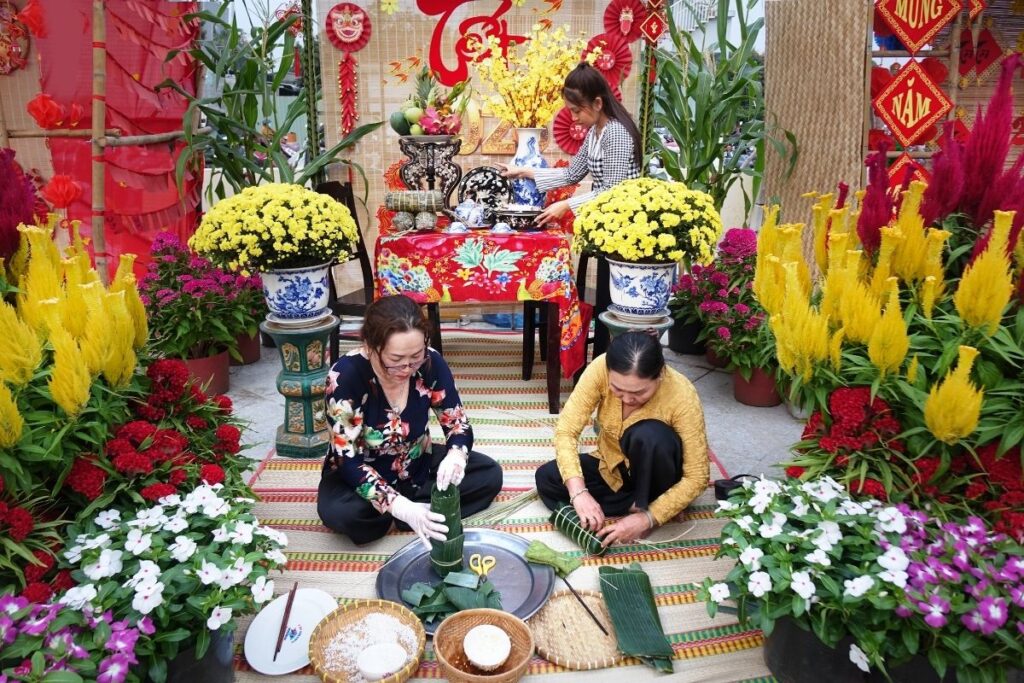
If there’s one time to truly understand the importance of family in Vietnam, it’s during Tết. Airports overflow with travelers, highways become crowded, and major cities suddenly grow quieter as millions of people make the journey home. Only then do visitors realize that Tết is less about fireworks or celebrations than about being together.
In many Western societies, adulthood is often associated with independence and individual achievement. In Vietnam, however, success is more commonly viewed through the lens of family. Personal goals certainly matter, but they are often balanced with responsibilities to parents, grandparents, siblings, and future generations.
This perspective influences everything from where people choose to live to how they celebrate holidays, spend weekends, and make major life decisions.
Even in large cities like Hanoi and Ho Chi Minh City, where modern lifestyles have become increasingly common, many young professionals remain closely connected to their families. It is not unusual for adult children to visit their parents several times a week or to return to their hometowns whenever possible. Those who move abroad for work or education often maintain strong ties with home, especially during important celebrations.
For many Vietnamese people, family is more than a source of support—it shapes identity, decisions, and even the rhythm of everyday life. It’s one of the reasons visitors often describe Vietnam as feeling unexpectedly warm and personal, even in its busiest cities.
The Meaning of Filial Piety
The deep respect shown toward parents and grandparents is rooted in a value often described as filial piety, a concept strongly influenced by Confucian philosophy.
From an early age, children are taught to appreciate the sacrifices made by previous generations. Looking after elderly parents is generally seen as a natural responsibility rather than an obligation. Many families choose to care for aging relatives at home instead of relying on assisted living facilities, reinforcing close relationships across generations.
Visitors may notice this respect in subtle ways. Younger family members usually greet elders first, invite them to begin meals before everyone else, and seek their opinions on important matters. These gestures are not performed out of strict formality but as expressions of gratitude and affection.
This respect also extends beyond the family. Teachers, community leaders, and older neighbors are often treated with similar courtesy, reflecting a broader cultural appreciation for age and experience.
A Home Shared Across Generations
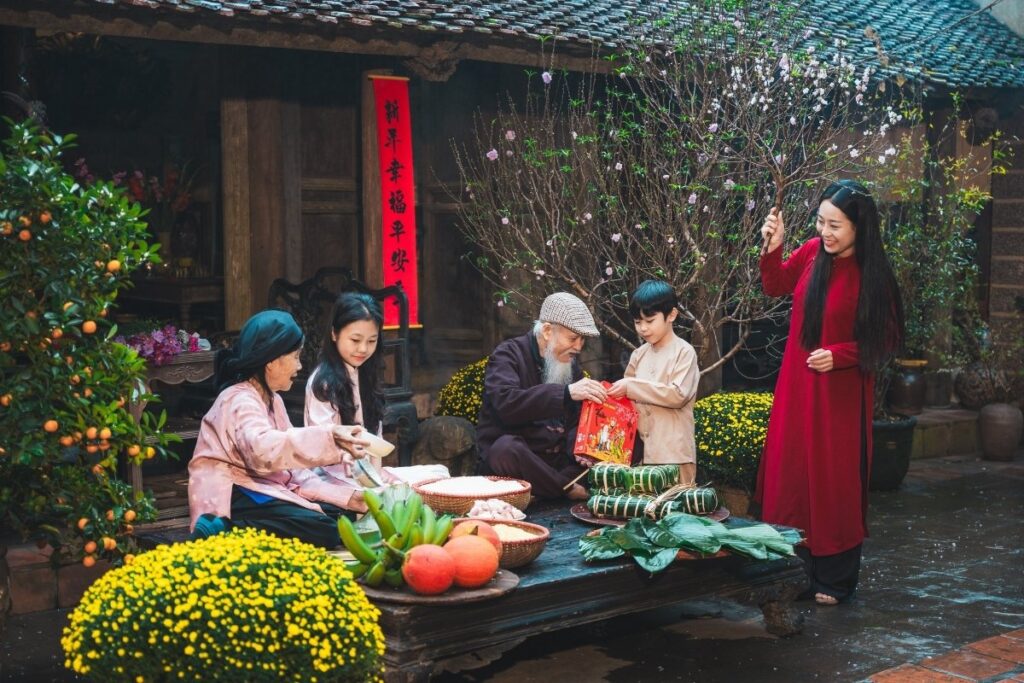
Although Vietnam’s cities now feature modern apartments and high-rise condominiums, multigenerational households remain common.
Grandparents may help care for young children while parents work. Adult children often contribute financially to the household, and major family events are planned together rather than individually.
Living under one roof naturally encourages cooperation. Meals are prepared together, household responsibilities are shared, and family members remain closely involved in one another’s daily lives.
Even when relatives no longer live together, these relationships remain remarkably strong. Weekend family lunches, regular phone calls, and visits during holidays continue to reinforce bonds that last throughout life.
For travelers from countries where extended families often live separately, this close-knit structure can be one of the most striking aspects of Vietnamese society.
Community Matters
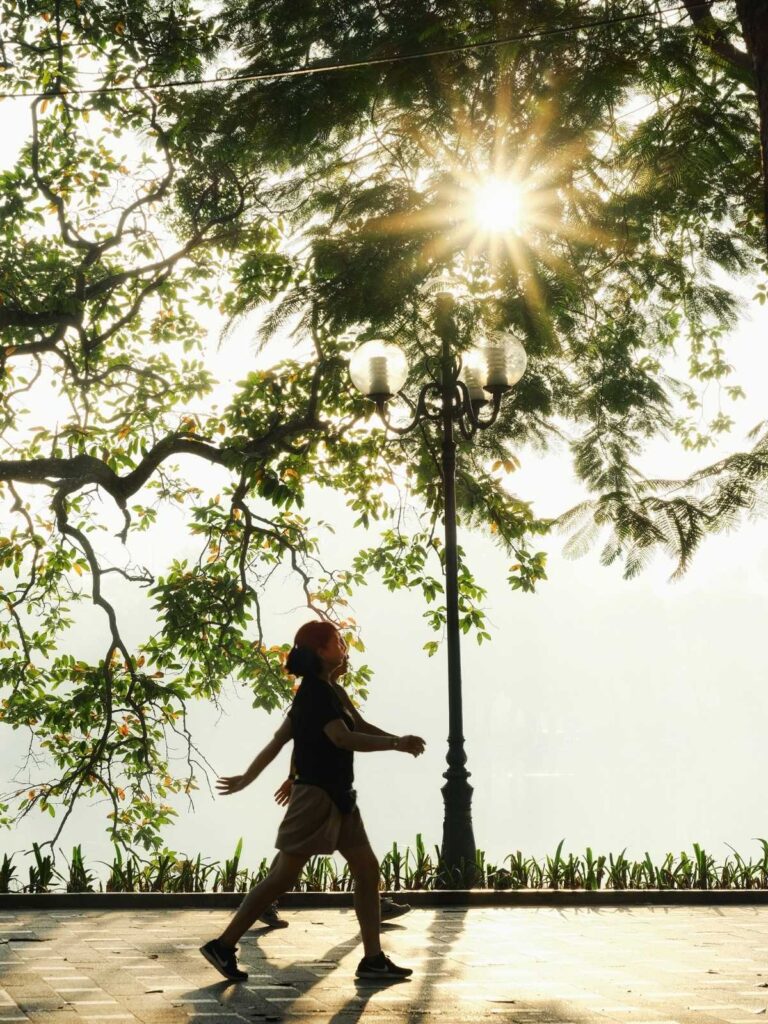
Just as family occupies a central place in Vietnamese culture, so does the wider community.
Historically, villages formed the heart of social life. Neighbors depended on one another for farming, celebrations, construction projects, and mutual support during difficult times. This tradition of cooperation helped communities survive floods, droughts, wars, and economic hardship.
Although Vietnam has become increasingly urbanized, this sense of community has not disappeared.
Take an early morning walk through almost any Vietnamese neighborhood, and you’ll quickly notice how closely connected local communities remain. Neighbors stop to chat over tea, familiar faces greet one another by name, and the same sidewalk cafés welcome regular customers day after day.
In many neighborhoods, the local café owner knows exactly how each regular customer drinks their coffee. Street vendors greet familiar faces by name, and evening conversations often spill onto sidewalks long after dinner has ended.
These daily interactions create a strong sense of belonging that visitors often find refreshing.
Unlike many large cities where people rarely know their neighbors, Vietnamese neighborhoods frequently function as small communities where relationships are built over years of shared experiences.
Perhaps that’s why many travelers find Vietnamese neighborhoods so memorable. It’s not because they’re perfectly preserved or carefully designed for tourism, but because they still feel lived in, connected, and unmistakably local.
Hospitality That Feels Genuine
What surprises many first-time travelers isn’t simply how friendly people are—it’s how naturally that hospitality becomes part of everyday life. A shop owner may offer you iced tea while you browse, a fruit seller might insist you taste a slice before buying, or a family could invite you to share a meal after only a brief conversation.
Hospitality is deeply rooted in cultural values rather than simply being part of the tourism industry. Guests are commonly offered tea, fresh fruit, or snacks shortly after arriving at someone’s home. Refusing these gestures politely is perfectly acceptable, but accepting them often opens the door to friendly conversation.
In smaller towns and rural areas, travelers are sometimes surprised when strangers offer directions, recommend local restaurants, or ask where they are from simply out of curiosity.
English may not always be spoken fluently, yet genuine smiles and patient communication often bridge any language barriers.
This openness reflects an important cultural belief: treating guests with kindness brings honor to both the individual and the family.
Many travelers have experienced a moment that isn’t listed in any guidebook: a shop owner offering iced tea while they wait, a fruit seller insisting they sample a piece before buying, or a family inviting them to join a meal after only a brief conversation.
Moments like these rarely appear in travel itineraries, yet they often become the stories people share after returning home. Long after the photographs have been sorted, it’s these unexpected encounters that continue to define the journey.
The Importance of Harmony
Another characteristic that shapes everyday life is the desire to maintain harmony.
Vietnamese communication tends to be more indirect than in many Western cultures. Rather than expressing disagreement openly or creating confrontation, people often choose words carefully to preserve relationships and avoid causing embarrassment.
This does not mean opinions are hidden. Instead, they are usually communicated with greater sensitivity and consideration for the feelings of others.
Visitors may occasionally find this communication style subtle. A polite smile or a gentle response may replace a direct refusal, particularly in situations where saying “no” outright could appear impolite.
Understanding this cultural preference helps travelers interpret conversations more accurately and avoid unnecessary misunderstandings.
Respect Is Expressed Through Everyday Actions
Respect in Vietnam is communicated less through grand gestures than through small, thoughtful actions repeated every day.
People often use both hands when giving or receiving important items, especially gifts or business cards. Shoes are removed before entering many homes, helping keep living spaces clean and demonstrating consideration for the host.
When visiting temples or pagodas, modest clothing and quiet behavior show respect for religious traditions. Public displays of anger or loud arguments are generally avoided, particularly in family settings or public spaces.
These customs are rarely enforced by strict rules. Instead, they reflect an underlying belief that mutual respect helps maintain social harmony.
Travelers who observe and follow these simple practices often find themselves welcomed with warmth and appreciation.
Celebrations Bring Everyone Together
Perhaps nowhere are Vietnam’s social values more visible than during festivals and family celebrations.
Tết, the Vietnamese Lunar New Year, is the clearest example. Weeks before the holiday, families begin cleaning their homes, preparing traditional foods, decorating with flowers, and arranging travel plans so relatives can reunite.
Across the country, train stations, airports, and highways become busy as millions of people journey back to their hometowns. Regardless of where they live or work during the year, many consider returning home for Tết an essential tradition.
Birthdays, weddings, anniversaries, and memorial ceremonies are also viewed as opportunities to strengthen family ties. Guests are encouraged to eat generously, conversations continue late into the evening, and multiple generations gather around the same table.
For visitors fortunate enough to experience one of these celebrations, it quickly becomes clear that the event is about much more than food or entertainment. It is an expression of belonging, gratitude, and shared identity.
Understanding the People Behind the Destination
Travel guides often describe Vietnam through famous attractions, scenic landscapes, and unforgettable cuisine. Yet what many travelers remember most are the people they meet.
It may be the café owner who remembers your coffee order after a single visit, the family who invites you to share fruit in their garden, or the market vendor who patiently teaches you a few Vietnamese words while helping you choose fresh ingredients.
These moments are not extraordinary because they are unusual—they are meaningful because they reflect values that remain deeply woven into everyday life.
Family, respect, hospitality, community, and harmony continue to shape the rhythm of Vietnamese society, even as the country embraces rapid modernization. Understanding these values allows visitors to experience Vietnam not simply as a destination but as a place where centuries-old traditions continue to influence the smallest interactions.
Where Ancient Traditions Meet Everyday Life
For many travelers, Vietnam’s cultural traditions are first encountered through its festivals, temples, and ceremonies. Yet unlike in some destinations where traditional customs are performed mainly for visitors, many Vietnamese traditions remain an active part of everyday life.
Incense burns quietly at family altars before breakfast. Neighborhood pagodas welcome worshippers throughout the day. Villages continue to celebrate festivals that date back hundreds of years, and important family milestones are marked with customs passed from one generation to the next.
These traditions are not simply preserved for history—they continue to shape how people live, celebrate, remember, and connect with one another.
Understanding these customs allows visitors to see Vietnam beyond its famous attractions and appreciate the cultural values that continue to influence modern society.
Ancestor Worship: The Spiritual Heart of the Vietnamese Home
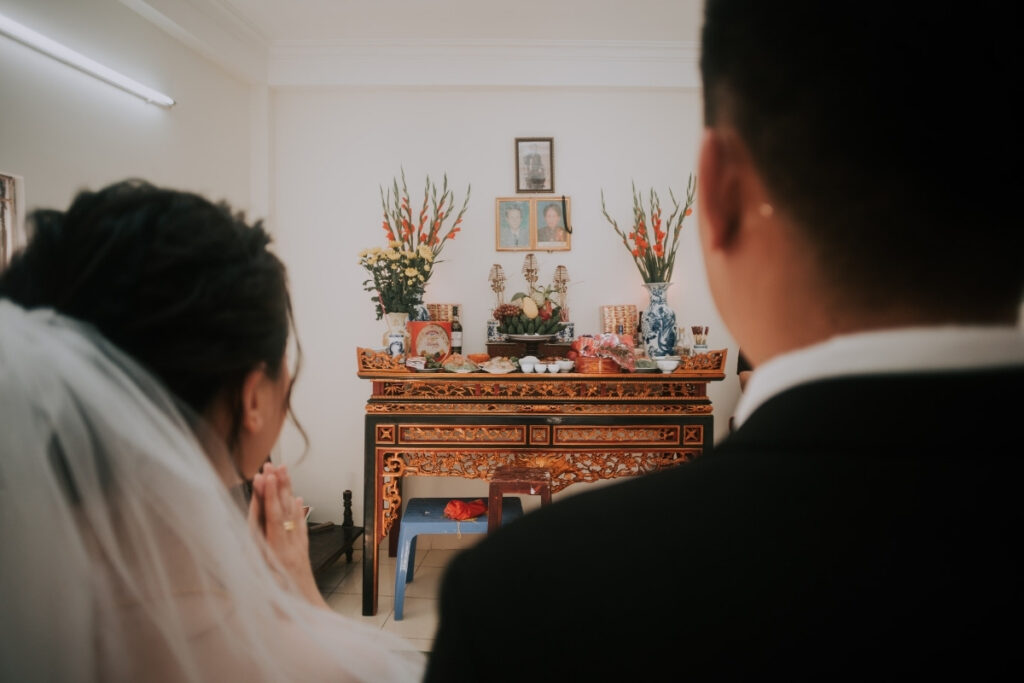
One of the most distinctive features of Vietnamese culture is the tradition of ancestor worship.
Step inside almost any traditional Vietnamese home, and one feature immediately draws your attention: a carefully arranged family altar. For many international visitors, it may resemble a religious shrine. For Vietnamese families, however, it represents something much more personal—a daily connection between generations past and present.
To many international visitors, this may appear to be a religious practice. For most Vietnamese families, however, it is equally an expression of gratitude, remembrance, and continuity.
The belief is simple yet profound: although loved ones are no longer physically present, they remain an important part of the family. Honoring previous generations acknowledges their sacrifices while strengthening the connection between the past, present, and future.
On special occasions such as Tết, death anniversaries, weddings, or significant family events, relatives gather around the ancestral altar to light incense, prepare traditional foods, and pay their respects.
For travelers, observing these rituals offers valuable insight into why family occupies such an important place in Vietnamese society.
For many Western visitors, the altar may initially resemble a religious shrine. In Vietnam, however, it represents something deeply personal—a daily reminder that family extends beyond the living.
For visitors unfamiliar with the tradition, these quiet rituals offer a meaningful reminder that Vietnamese culture places as much importance on remembering the past as it does on celebrating the future.
Buddhism and Everyday Spirituality
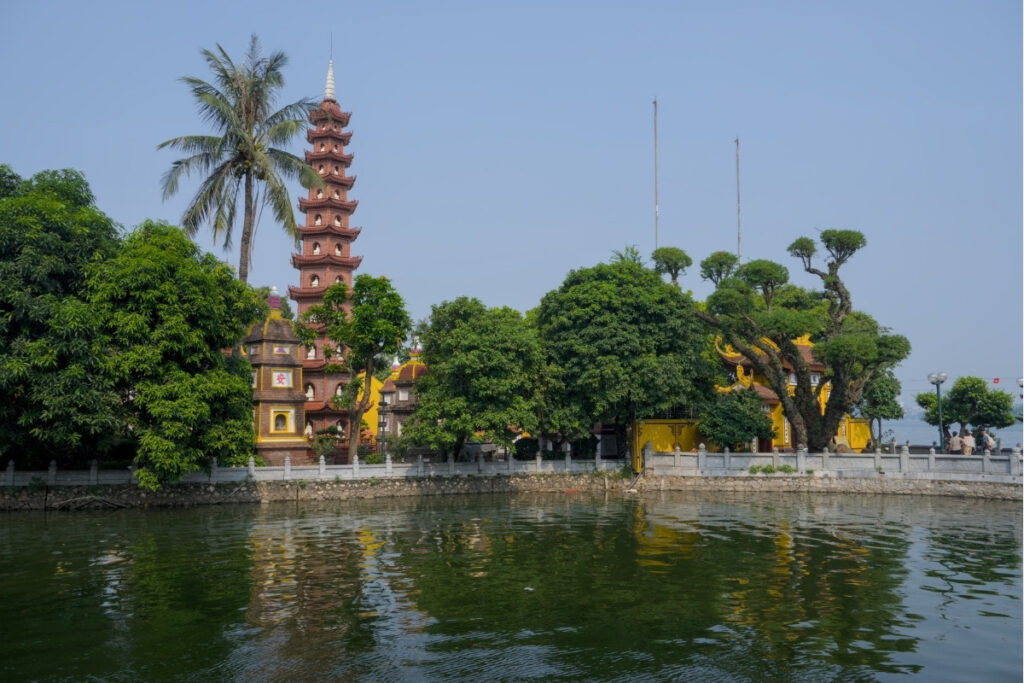
Although Vietnam is often associated with Buddhism, the country’s spiritual life is more diverse than many visitors expect.
Rather than following a single religious tradition exclusively, many Vietnamese comfortably combine Buddhist teachings with ancestor worship, local folk beliefs, and cultural customs. Spiritual practice is often less about formal religious identity and more about maintaining harmony, expressing gratitude, and seeking peace of mind.
Throughout the country, pagodas serve as places for quiet reflection rather than grand ceremonies. Visitors frequently see people lighting incense, offering flowers, or spending a few peaceful moments in prayer before continuing with their day.
Some come to pray for good health, successful exams, family happiness, or business prosperity. Others simply visit to find a sense of calm amid the pace of modern life.
Unlike many religious sites elsewhere in the world, Vietnamese pagodas often feel deeply connected to the surrounding community. Elderly residents may stop by during their morning walk, young couples might visit before important life events, and families often come together during major festivals.
For travelers, these everyday moments reveal how spirituality remains naturally integrated into Vietnamese life.
Traditional Customs That Visitors May Notice
Many aspects of Vietnamese etiquette are rooted in values such as respect, modesty, and consideration for others. While tourists are not expected to know every custom, understanding a few traditions helps create more meaningful interactions.
Removing shoes before entering someone’s home is one of the most common practices. This simple gesture reflects both cleanliness and respect for the household.
When giving or receiving gifts, business cards, or important items, many people use both hands as a sign of politeness. Visitors may also notice that objects are rarely tossed casually from one person to another, especially in formal situations.
At temples and pagodas, modest clothing covering the shoulders and knees is appreciated. Speaking quietly and avoiding unnecessary distractions allows everyone to enjoy the peaceful atmosphere.
Photography is generally welcomed throughout Vietnam, but asking permission before taking close-up portraits or photographing religious ceremonies demonstrates cultural sensitivity and is almost always appreciated.
These customs are easy to follow and often lead to warmer interactions with local people.
Festivals That Bring Communities Together
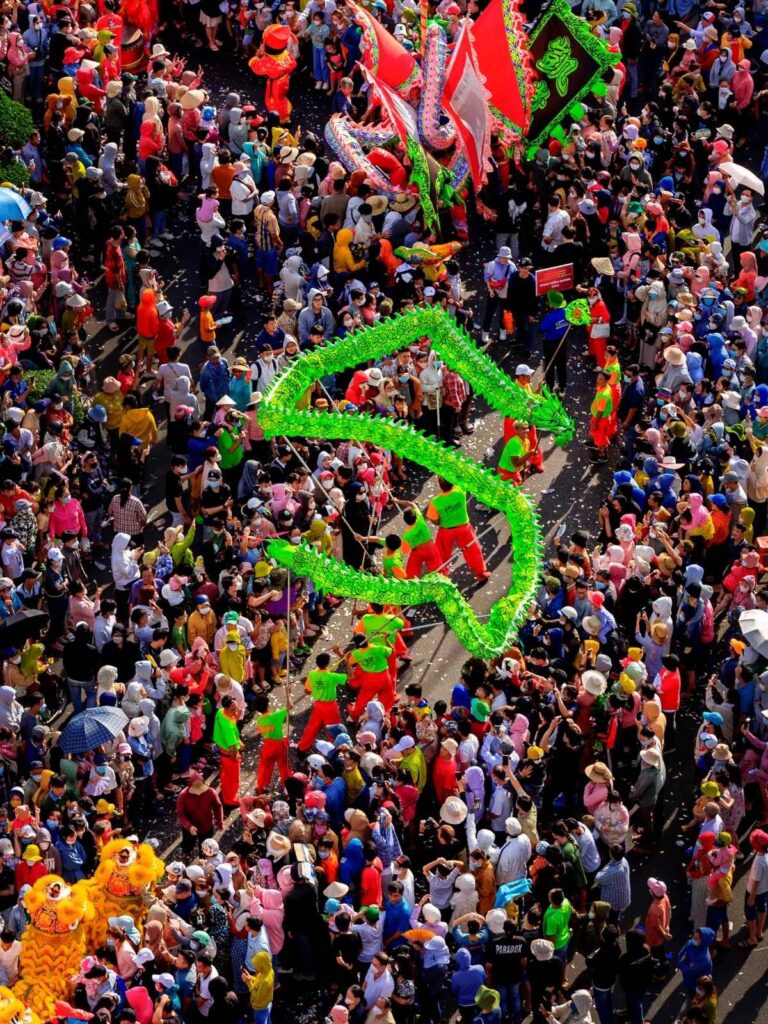
Vietnam celebrates hundreds of festivals every year, reflecting the country’s regional diversity, agricultural traditions, religious beliefs, and historical heritage.
While some festivals attract international visitors, many remain deeply local celebrations organized by villages and communities that have preserved these traditions for generations.
The atmosphere varies widely from one event to another. Some festivals feature colorful parades, dragon dances, and traditional music, while others are quiet spiritual gatherings focused on prayer and remembrance.
What they all share is a strong sense of community.
Families prepare special foods, neighbors decorate public spaces, and people of all ages come together to celebrate traditions that connect them with previous generations.
For travelers, participating respectfully in a local festival often becomes one of the most memorable experiences of a visit to Vietnam.
Tết: Vietnam’s Most Important Celebration
No event captures the spirit of Vietnamese culture more completely than Tết Nguyên Đán, the Lunar New Year.
Often compared to Christmas and New Year’s combined in terms of importance, Tết is first and foremost a family celebration.
Weeks before the holiday begins, homes are thoroughly cleaned, new clothes are purchased, and markets become filled with flowers, ornamental trees, and traditional foods. Families prepare symbolic dishes that represent prosperity, happiness, and good fortune for the year ahead.
As the holiday approaches, millions of Vietnamese travel across the country to reunite with their families. Airports, railway stations, and highways become exceptionally busy as people make every effort to be home before New Year’s Eve.
The first days of Tết are devoted to visiting relatives, honoring ancestors, exchanging warm wishes, and giving lì xì—red envelopes containing lucky money—to children and younger family members.
For visitors fortunate enough to experience Vietnam during this period, the holiday offers an extraordinary opportunity to witness the country’s strongest cultural values in action: family, gratitude, generosity, and hope for the future.
On New Year’s Eve, fireworks illuminate city skylines, but the most meaningful moments happen inside family homes, where generations gather to share food, remember ancestors, and welcome the year together.
For many international visitors, experiencing Tết offers a rare opportunity to see Vietnam at its most personal. Streets may become quieter, but homes grow livelier as generations come together to celebrate, remember, and begin another year side by side.
Weddings and Life Celebrations
Traditional Vietnamese weddings have evolved considerably in recent decades, yet many customs continue to reflect the importance of family.
Rather than focusing solely on the couple, weddings are viewed as the union of two families. Formal introductions, family blessings, ancestral ceremonies, and shared meals remain central elements of the celebration.
The bride and groom often pay respect to their ancestors before beginning the festivities, emphasizing that marriage represents both a new beginning and a continuation of family traditions.
Other important milestones—including birthdays for elderly relatives, newborn celebrations, graduation ceremonies, and memorial anniversaries—also bring extended families together.
These gatherings reinforce the idea that life’s most meaningful moments are shared collectively rather than celebrated alone.
Respect for Cultural Diversity
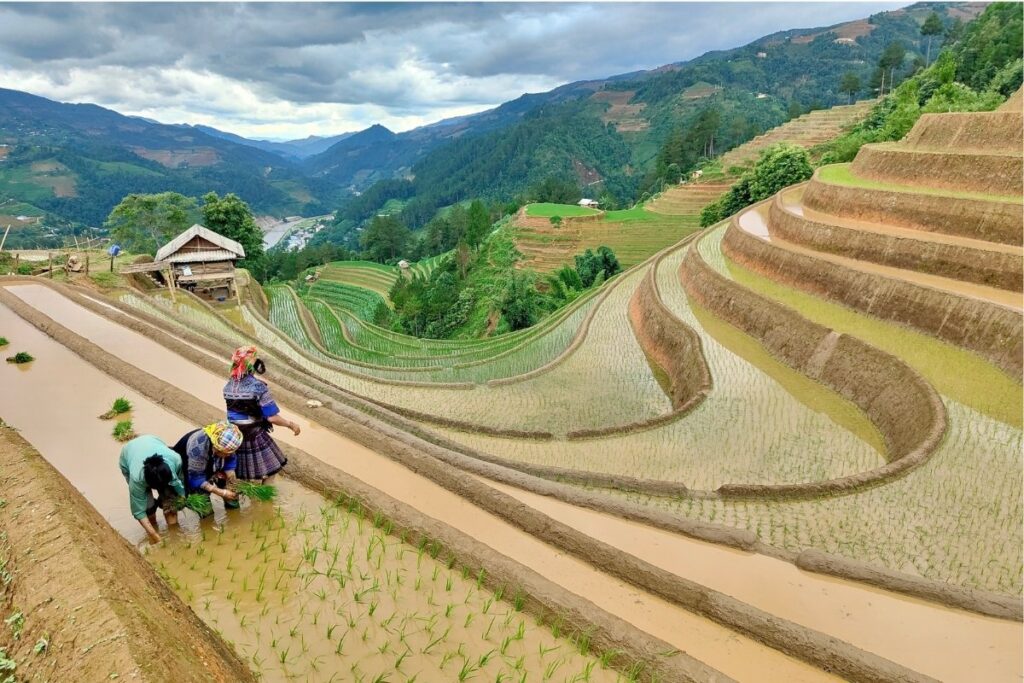
One of Vietnam’s greatest cultural strengths is its diversity.
The country is home to 54 officially recognized ethnic groups, each contributing unique languages, clothing, architecture, music, festivals, and traditional crafts to Vietnam’s cultural landscape.
In the northern mountains, communities such as the Hmong, Dao, and Tày continue to preserve colorful textile traditions and seasonal festivals. In the Central Highlands, ethnic groups maintain distinctive communal houses, gong performances, and agricultural ceremonies. Along the central coast and in the Mekong Delta, different communities contribute their own customs, culinary traditions, and artistic heritage.
Despite these differences, a shared national identity connects people across the country while allowing regional cultures to flourish.
For travelers willing to explore beyond Vietnam’s major cities, these diverse cultural traditions reveal another fascinating layer of the country’s heritage.
Tradition in a Modern World
Vietnam’s customs continue to evolve, but they have not disappeared.
Young professionals may work in international companies, use the latest technology, and follow global fashion trends, yet they still return home for Tết, visit their grandparents on weekends, and honor family traditions that have existed for generations.
Children learn folk songs alongside modern pop music. Traditional markets operate within walking distance of contemporary shopping centers. Ancient pagodas remain active places of worship surrounded by fast-growing urban skylines.
Rather than replacing tradition, modernization has become another chapter in Vietnam’s cultural story.
This ability to embrace change while preserving identity is one of the reasons Vietnamese culture remains both resilient and deeply authentic.
As visitors discover these customs firsthand, they begin to understand that Vietnam’s greatest cultural treasures are not only found in historic monuments or UNESCO World Heritage Sites. They are found in the everyday traditions that continue to connect families, communities, and generations across the country.
In the final section, we’ll explore how these traditions shape modern daily life—from dining etiquette and coffee culture to regional differences, practical cultural tips for travelers, and the questions international visitors most often ask before exploring Vietnam.
Final Thoughts on Vietnamese Customs
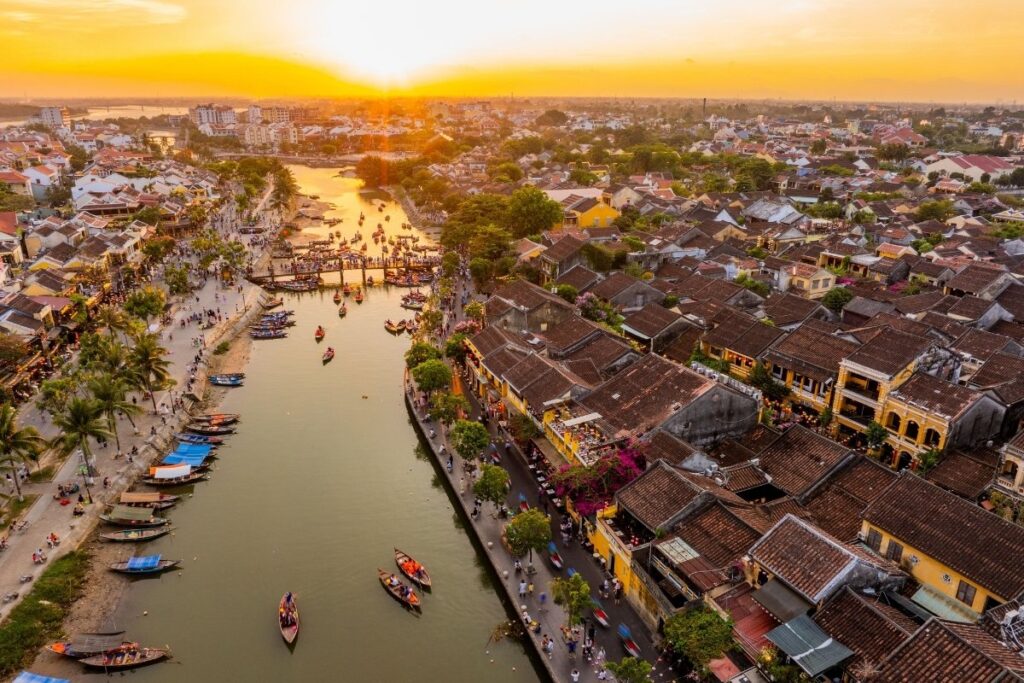
Perhaps the most lasting memories of Vietnam won’t come from its famous landmarks at all. Instead, they’ll be found in ordinary moments: a grandmother smiling as she insists you have another bowl of food, the café owner greeting you each morning, or the quiet scent of incense drifting through an old pagoda. Those are the moments when Vietnamese culture feels most alive.
For travelers, taking time to understand these traditions adds depth to every destination. Beyond spectacular landscapes and unforgettable cuisine, it is the people and their values that make Vietnam one of Asia’s most rewarding places to explore.
The more you engage with local customs, the more meaningful your journey through Vietnam will become.
FAQs about Vietnamese Culture
What is Vietnamese culture known for?
Vietnamese culture is known for strong family values, ancestor worship, hospitality, traditional festivals, rich cuisine, and respect for elders.
What should tourists know before visiting Vietnam?
Visitors should dress modestly at temples, remove shoes when appropriate, respect local customs, and embrace Vietnam’s friendly, community-oriented culture.
Is Vietnam influenced by Chinese culture?
Yes. Confucianism, Buddhism, and aspects of governance influenced Vietnam historically, but the country has developed its own unique language, traditions, and cultural identity over thousands of years.
Why is family so important in Vietnam?
Family forms the foundation of Vietnamese society. Many traditions, holidays, and daily customs revolve around maintaining close relationships across multiple generations.
IContinue Exploring Vietnam with Tam Voc Viet
If you enjoy discovering the stories behind the destinations you visit, we invite you to continue exploring Vietnam with TAM VOC VIET – VIETNAM INSIGHTS on YouTube.
Our videos go beyond famous landmarks to introduce Vietnam’s rich culture, local traditions, historic sites, regional cuisine, and everyday life. Through authentic stories and practical travel insights, we hope to help you experience Vietnam not just as a visitor, but with a deeper understanding of the people who call it home.
About the Author
This Vietnamese Culture Explained guide was researched and written by the editorial team at Tam Voc Viet, an independent travel publication dedicated to helping international travelers better understand Vietnam’s culture, history, cuisine, and diverse destinations.
Our editorial approach goes beyond listing attractions or travel tips. We explore the historical roots, cultural traditions, and everyday experiences that shape modern Vietnam, giving readers the context they need to appreciate the country with greater confidence and respect.
For this guide, our team drew on historical research, cultural references, academic publications, and local knowledge to present a balanced introduction to Vietnamese traditions, customs, social values, and daily life. We also considered how cultural practices continue to evolve in contemporary Vietnam while remaining deeply connected to the country’s heritage.
Because culture is both living and constantly changing, we regularly review and update our content to reflect new research, preserve historical accuracy, and ensure our travel advice remains relevant for international visitors.
If this is your first time exploring Vietnam, we recommend continuing with our complete Vietnam Travel Guide, where you’ll find practical travel advice, destination guides, regional food experiences, and in-depth articles about Vietnamese culture, history and local life to help you make the most of your journey.
