


 Tiếng Việt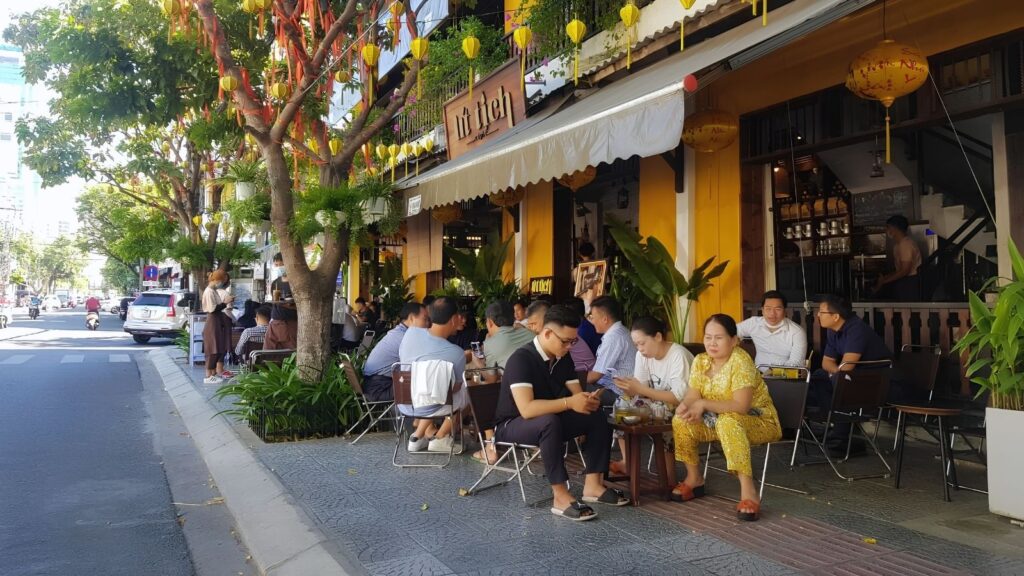
The first sign that you are becoming part of a neighborhood in Vietnam may not be a conversation.
It may be a cup of coffee.
You walk into the same small café for the fourth or fifth time. The person behind the counter looks up. You say hello. Before you finish ordering, they already know what you want.
Maybe it is a cà phê sữa đá. Maybe it is a black coffee over ice. Maybe, by now, you have a particular table you tend to choose without even thinking about it.
Nothing dramatic has happened. You have not made a lifelong Vietnamese friend. Nobody has invited you into their family. You have simply stopped being completely unfamiliar.
That small change is easy to miss, but it says something important about everyday life in Vietnam.
Coffee shops here are often more than places to buy coffee. From tiny sidewalk cafés with plastic stools to neighborhood shops tucked into residential streets, they can become part of the daily rhythm of the people who live nearby. Vietnamese coffee culture is built around sitting, talking, meeting, working, watching the street, or simply taking a break rather than rushing away with a drink.
For a traveler, that makes the neighborhood coffee shop one of the easiest places to experience a less polished, more ordinary side of Vietnam.
You do not need to know the owner.
You do not need perfect Vietnamese.
You do not even need to be particularly interested in coffee.
You just need to come back.
Table of Contents
Quick Answer: How Do You Become a Regular at a Neighborhood Coffee Shop in Vietnam?
To become a regular at a neighborhood coffee shop in Vietnam, choose a café near where you stay, visit consistently, order a familiar drink, greet the staff, and give the relationship time to develop naturally.
A few Vietnamese words can make ordering feel more natural, but fluency is not necessary. What matters more is repetition. Return around the same time when possible, settle into a familiar routine, and pay attention to the people and rhythms around you.
After enough visits, the staff may recognize your face or remember your usual order. You may begin recognizing the same customers, too.
That is what makes becoming a regular different from simply finding a good coffee shop in Vietnam.
You are no longer just stopping somewhere for a drink.
You are returning to a place that has started to feel familiar.
1. Why Becoming a Regular Is Different in Vietnam
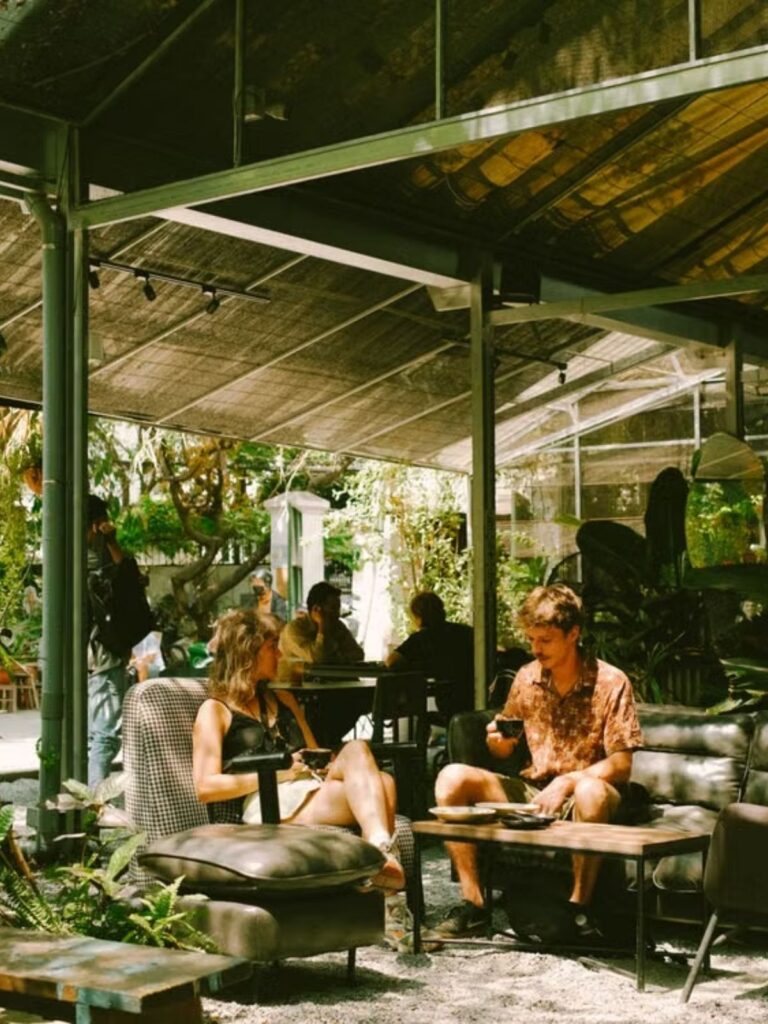
There is a difference between being a customer and being a familiar face.
The first time you enter a neighborhood coffee shop in Vietnam, everything is still new: the menu, the ordering routine, the people behind the counter, even the way customers use the space. You choose a drink, find a seat, finish your coffee, and leave.
Return a few more times and the experience can become much simpler.
The same person may be working behind the counter. The same customers may occupy the same tables. A familiar greeting begins to replace the uncertainty of your first visit. Eventually, ordering may take only a few words.
This is where Vietnam café culture becomes interesting for travelers.
Coffee shops are often woven into ordinary daily routines rather than existing only as destinations for a particular drink. Depending on the café and neighborhood, people may stop for coffee before work, meet friends, talk with neighbors, read, work, or simply sit and watch the street.
That last part is easy for a visitor to overlook.
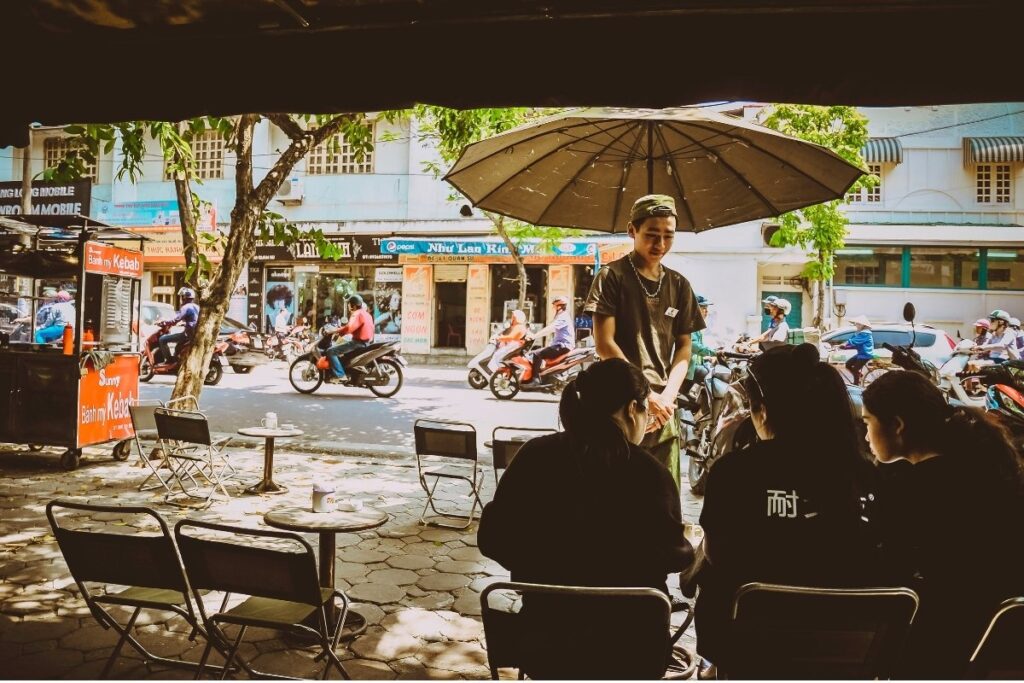
A street-facing table can offer a view of an entire neighborhood changing through the day. Morning commuters pass by. Deliveries arrive. Shops open. Students return from school. A quiet afternoon gradually gives way to the evening rush.
You do not have to know everyone to notice these patterns.
You only need to return often enough to see them more than once.
For an international visitor, that repetition creates a different kind of travel experience. Instead of asking what attraction to visit next, you begin seeing how an ordinary corner of Vietnam works on a normal day.
The coffee is still important.
But the routine around it can be just as revealing.
2. Start With the Coffee Shop You Would Actually Visit Every Day
The best neighborhood coffee shop is not necessarily the one with the most beautiful interior.
It may not have a rooftop. It may not serve elaborate specialty drinks. It may not appear on a list of the best cafés in Hanoi or Ho Chi Minh City.
It simply needs to be somewhere you genuinely want to return.
That usually means choosing a café that fits naturally into your routine.
If you are staying in an apartment, look around your immediate neighborhood rather than automatically heading toward the city’s famous coffee streets. If you are living in Vietnam for several months, find somewhere you can reach on foot or with a short ride.
Convenience matters because becoming a regular depends on repetition.
A café twenty minutes away may be exciting on your first visit. A small neighborhood café two minutes from your apartment is much more likely to become part of your daily life.
Look for a place where you feel comfortable sitting for a while.
Maybe the coffee is exactly what you like. Maybe there is a shady sidewalk outside. Maybe the owner has a friendly manner. Maybe you simply like watching the neighborhood wake up through the front of the shop.
There does not have to be a sophisticated reason.
A regular relationship usually begins with something much less complicated:
You like the place enough to come back.
3. How to Tell If a Café Is Part of the Neighborhood
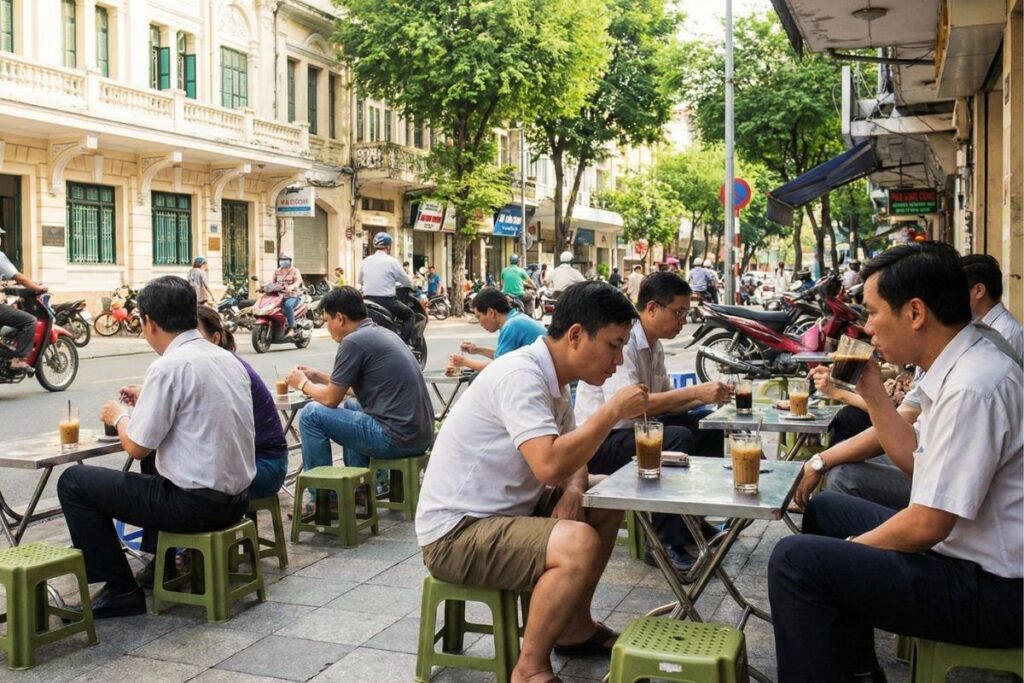
A neighborhood coffee shop does not have a particular appearance.
It might be a narrow storefront with a few low stools facing the street. It might be a family-run café tucked into a residential alley. It might even be a modern specialty coffee shop where people from the surrounding area stop on their way to work.
The more useful clues are behavioral rather than visual.
Look at the customers.
Do some people appear to know the staff? Does the same person arrive around the same time each morning? Are office workers stopping in before work? Do students gather there after class? Do neighbors seem to use the café as a convenient meeting point?
Then look at the rhythm of the place.
A local café may feel different at 7 a.m. than it does at 2 p.m. Morning customers might arrive quickly before starting their day, while later visitors may sit longer and talk. On a quiet afternoon, the café can become almost an observation post for the surrounding street.
The staff-customer relationship can be another clue.
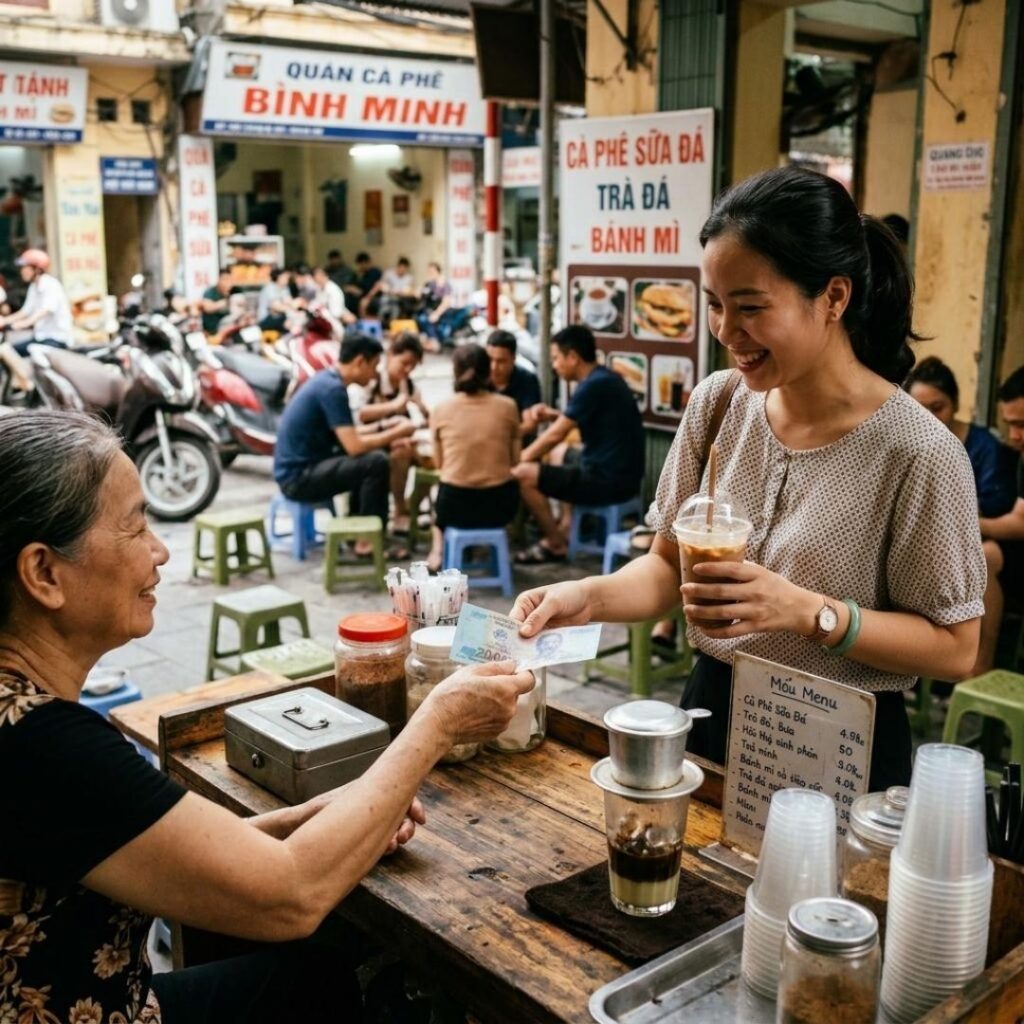
A customer walks in.
“Như cũ?” — The usual?
That small exchange says more than a carefully designed interior ever could.
It shows that the café has accumulated regular customers with established routines.
In Hanoi, street-facing and sidewalk cafés have long formed part of the city’s distinctive coffee environment, with the street itself becoming part of the social experience. Similar forms of informal café life can be found in other Vietnamese cities, although the atmosphere varies considerably from neighborhood to neighborhood.
That variation matters.
A modern café in Ho Chi Minh City can be just as much a neighborhood gathering place as a row of plastic stools beside a Hanoi sidewalk.
The useful question is therefore not:
“Does this café look authentic?”
It is:
“Do people who live or work nearby actually use this place as part of their routine?”
That is a much better way to identify a local café in Vietnam.
4. Go Back Often Enough to Become a Familiar Face
You do not need to visit a coffee shop every day to become a regular.
What matters is having a recognizable pattern.
Perhaps you stop by before work several mornings a week. Perhaps Saturday morning becomes your coffee time. If you are staying in Vietnam for several weeks, you might naturally pass the same café on your way home.
At first, nobody may notice.
That is normal.
You are simply another customer.
After several visits, however, repetition starts doing the work for you. The same faces appear. The same order becomes familiar. A greeting becomes easier because you have already established a small history with the place.
There is no fixed number of visits that turns a customer into a regular.
A café that serves hundreds of people a day may take longer to feel familiar than a small neighborhood shop with a stable group of customers. Your schedule matters, too.
Consistency is more useful than intensity.
Visiting once for three hours does not necessarily create familiarity. Returning for twenty or thirty minutes several times a week can.
That distinction is particularly useful for foreign visitors who are trying to experience local life in Vietnam without turning the experience into a performance.
You do not have to announce that you are becoming a regular.
Just keep coming back.
Eventually, the place may begin to recognize you before you recognize the change yourself.
Familiarity is built through repetition.
5. Order the Same Drink — At Least at First

There is an oddly practical reason to have a usual coffee order.
It makes you easier to remember.
If you order something completely different every time, there is less of a pattern. But if you regularly say:
“Cà phê sữa đá.”
the order itself can become part of your identity at the café.
Maybe you prefer strong black coffee over ice.
“Cà phê đen đá.”
Maybe you want less sugar.
“Ít đường.”
Or perhaps you have discovered that Vietnamese coffee is stronger and more intense than what you normally drink and have adjusted your order accordingly.
There is no need to pretend you like something you do not.
The goal is simply to find your drink.
Once the staff knows it, ordering becomes almost effortless.
You walk in.
A greeting.
A nod.
Your usual coffee.
Then you sit.
That tiny interaction can feel surprisingly satisfying.
Eventually, you can start experimenting. Try an egg coffee in Hanoi, a different preparation, or another local drink.
But having a default order first makes the experience feel less like visiting a café and more like returning to your café.
6. Learn a Few Vietnamese Words for Ordering Coffee
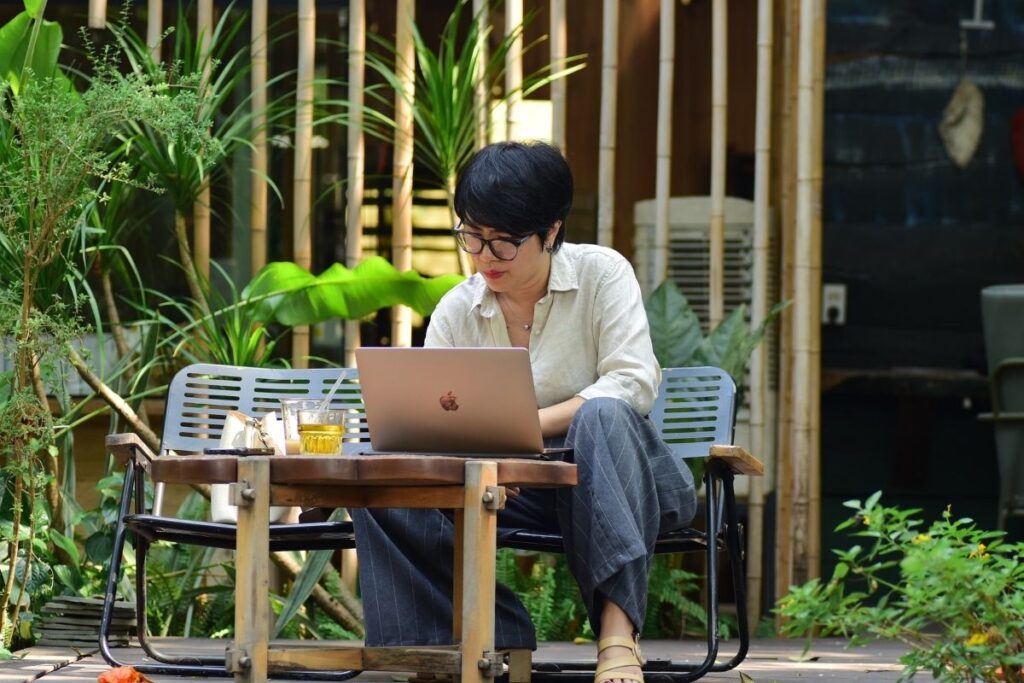
You do not need fluent Vietnamese to become a regular.
But learning a few words can change the interaction.
Start with the basics:
- cà phê — coffee
- cà phê sữa đá — iced coffee with condensed milk
- cà phê đen đá — iced black coffee
- ít đường — less sugar
- không đường — no sugar
- mang đi — takeaway
- tính tiền — the bill, or asking to pay
- cảm ơn — thank you
And perhaps most importantly:
“Chào anh.”
“Chào chị.”
A simple greeting is often enough.
You do not have to perform your Vietnamese.
In fact, trying too hard can make a simple interaction feel more complicated than it needs to be.
Your pronunciation may not be perfect. That is fine.
What matters is the effort.
After several visits, you may find that the language becomes easier because you are learning it in context. You hear the same phrases repeatedly. You recognize how people order. You start understanding what the staff asks you.
That is a much more natural way to learn than memorizing a list of tourist phrases.
7. Don’t Be Afraid of the Plastic Stool
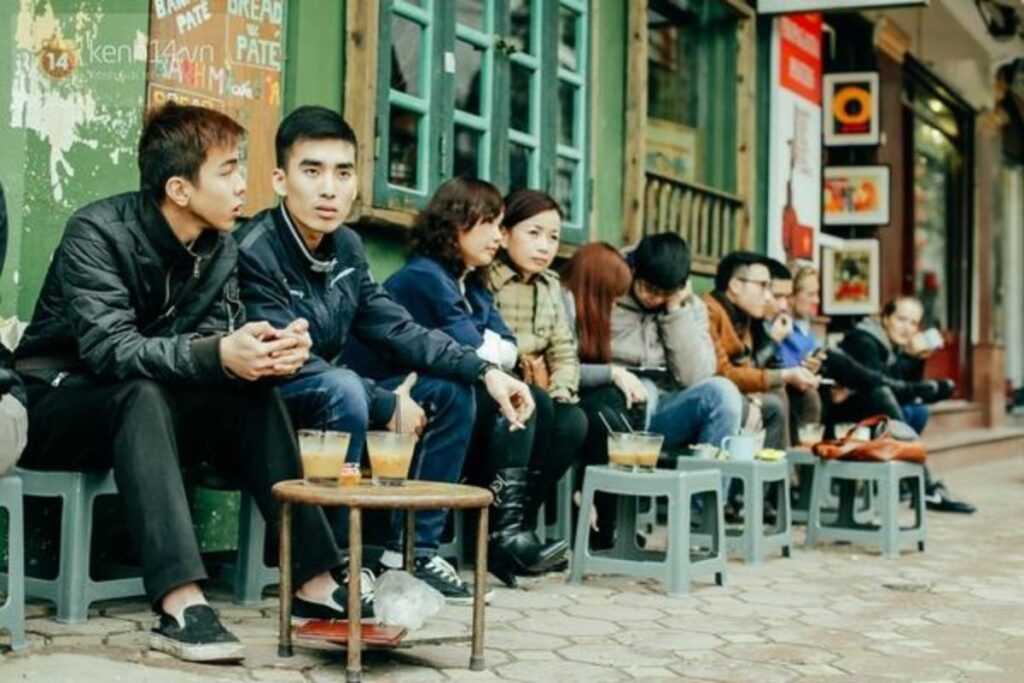
There is a particular kind of Vietnamese coffee shop that can look almost too ordinary to a first-time visitor.
A narrow storefront.
A few low plastic stools.
A small metal table.
A phin slowly dripping into a glass.
A ceiling fan turning overhead.
The sound of spoons touching glass.
Motorbikes moving past the entrance.
There may be no carefully designed interior and no obvious photo opportunity.
Yet the setting can tell you something important about Vietnam café culture.
A plastic stool does not automatically make a café more local or more authentic. What matters is how the space connects people to the street around it.
At a street-facing café, you are not completely separated from everyday activity. The sounds and movement outside become part of the experience.
Someone stops to buy breakfast.
A delivery rider pulls over.
A neighbor pauses for a conversation.
A shopkeeper sweeps the pavement.
Children pass on their way home from school.
The coffee is still in front of you, but the neighborhood is happening around it.
That is one reason traditional sidewalk coffee remains such a recognizable part of the Vietnamese café landscape.
It also explains why a small, unremarkable coffee shop can sometimes leave a stronger impression than a beautifully designed café.
The attraction is not necessarily the furniture.
It is the feeling of sitting close enough to ordinary life to watch it unfold.
8. The Unwritten Rules of Sitting at a Vietnamese Café
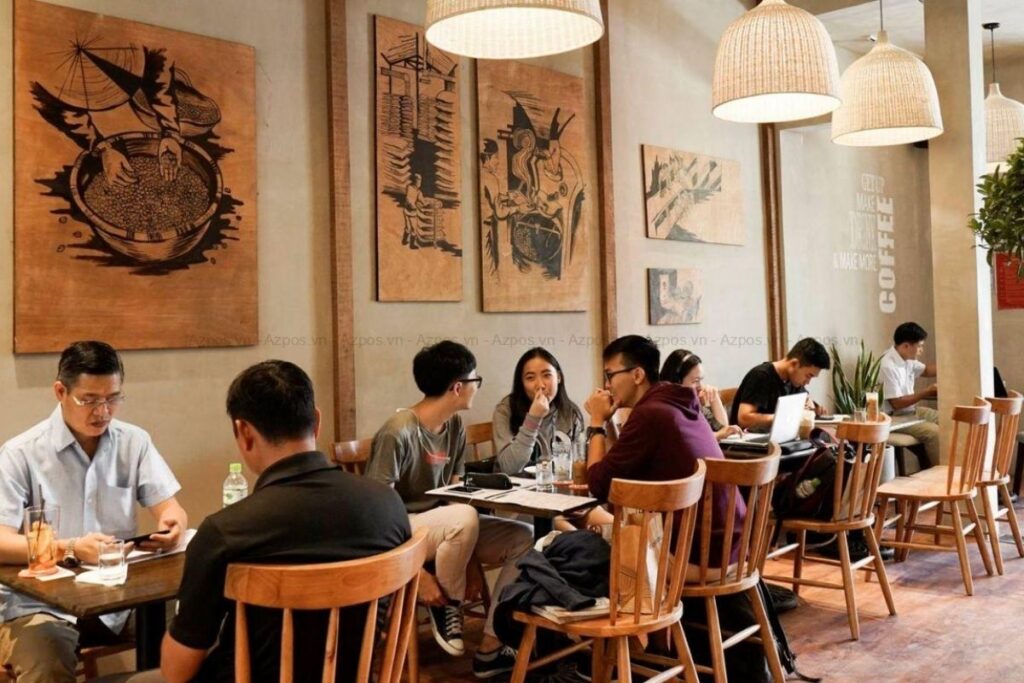
One of the easiest mistakes for a foreign visitor is to assume that every café operates according to the same rules as a café back home.
They do not.
A small neighborhood coffee shop may have very different expectations from a large specialty café.
You may be able to sit for quite a while after finishing your drink, particularly if the café is not busy.
But that does not mean every table is yours for the entire afternoon.
If the café becomes crowded, be aware of the people waiting.
If you are working on a laptop, look around before occupying a large table for several hours.
If you want to take photographs, be mindful of customers and staff. A neighborhood café is someone’s everyday environment, not a film set.
And remember that silence is not necessarily a problem.
You do not have to create a conversation every time you visit.
Sometimes becoming a regular means simply being comfortable enough to sit quietly.
That is part of the appeal.
9. How Small Talk Starts Without Feeling Forced
The best conversations at a neighborhood coffee shop are usually not planned.
They happen because you keep seeing the same people.
Perhaps someone asks where you are from.
Perhaps you comment on the heat.
Perhaps the person next to you asks what you think of Vietnamese coffee.
Maybe the owner notices that you speak a little Vietnamese.
The conversation can last thirty seconds.
Or ten minutes.
Or never happen at all.
That is okay.
One mistake foreigners sometimes make when trying to “live like a local” is trying too hard to make local friends.
You do not need to turn every coffee into a cultural exchange.
A relationship can develop through much smaller interactions.
A greeting.
A smile.
A familiar order.
A short conversation.
A “See you tomorrow.”
Over time, these tiny exchanges accumulate.
That is how many everyday relationships work.
Not through one big moment, but through dozens of ordinary moments.
10. When the Staff Starts Remembering You
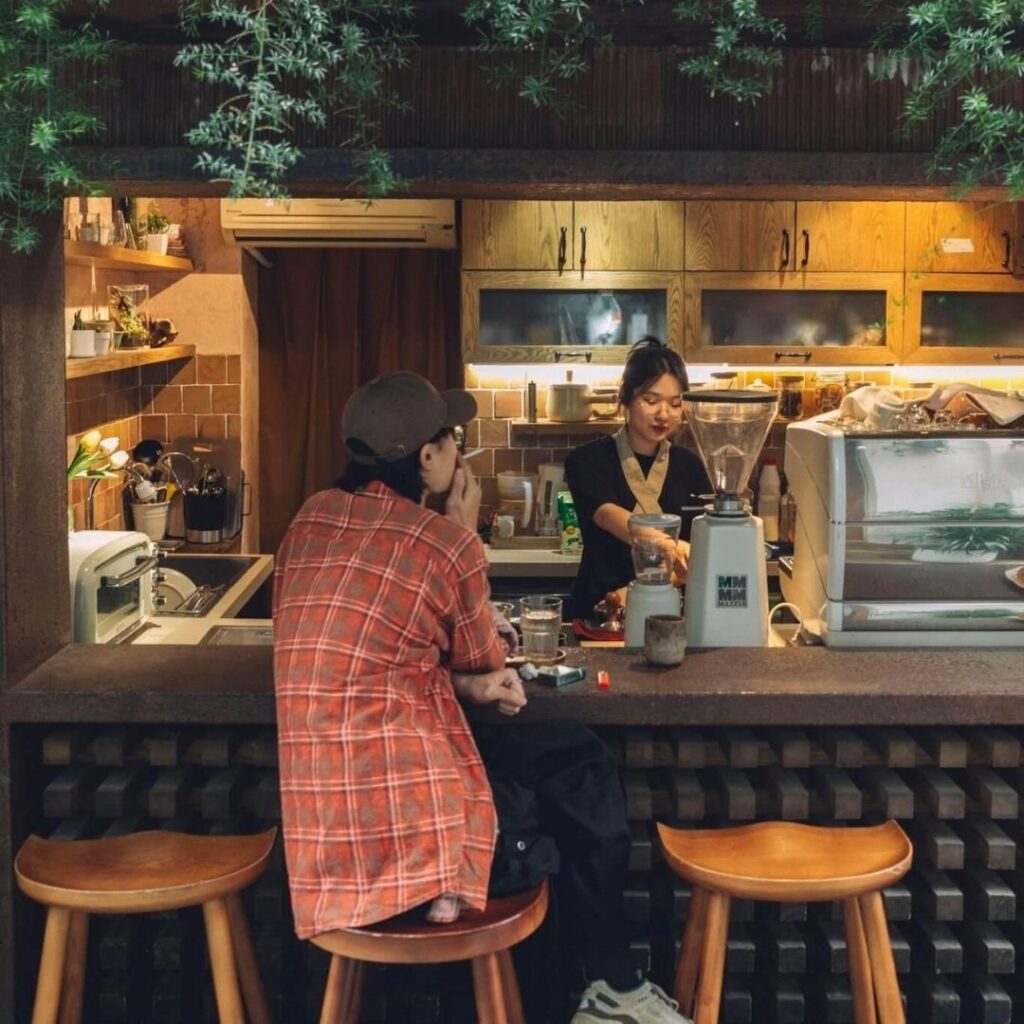
One of the clearest signs that a neighborhood coffee shop has begun to recognize you is surprisingly ordinary: the staff remembers what you usually order.
You walk in, and before you say anything, someone asks:
“Cà phê sữa đá?”
You nod.
The exchange takes only a few seconds. But compared with your first visit, something has changed. You are no longer an entirely unfamiliar customer.
Recognition can happen in smaller ways, too.
A staff member greets you when you arrive. Someone remembers that you usually sit outside. The person behind the counter knows whether you want your coffee hot or iced. If you have not appeared for several days, they may casually ask where you have been.
None of this necessarily means friendship.
The people serving your coffee may know very little about you, just as you may know very little about them. They are simply responding to a pattern they have seen often enough to remember.
That distinction matters.
It is easy for foreign visitors to romanticize small interactions as evidence that they have somehow “become local.” But being recognized at a café does not erase the fact that you are a visitor. It simply means you have become a familiar part of one small routine.
And that can still matter.
When you are living abroad or spending several weeks in Vietnam, familiar recognition creates a small sense of continuity. You know the faces behind the counter. They know yours. The interaction requires less explanation.
You are still ordering coffee.
But you are no longer starting from zero every time you walk through the door.
11. When Coffee Becomes Part of Your Routine
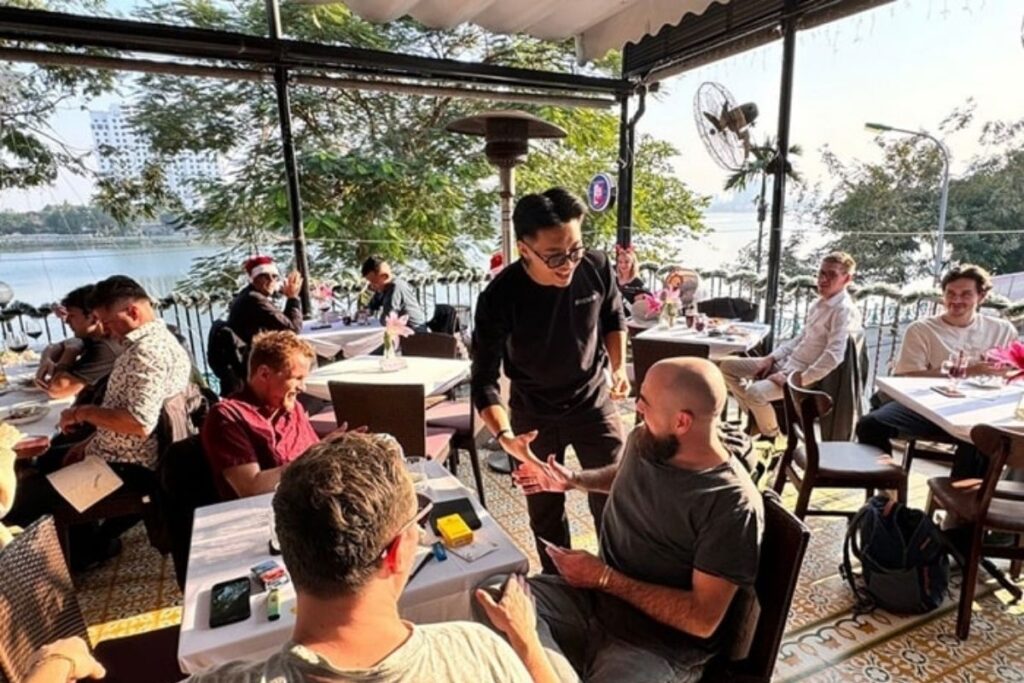
Recognition is about how the café responds to you.
Routine is about what the café becomes in your own day.
Perhaps you stop there before work. Maybe you go after dropping the children at school, after an early walk, or during the quiet part of your morning. If you are traveling, it might simply be the place you visit before deciding what to do with the rest of the day.
The pattern does not have to be complicated.
You leave where you are staying, follow the same route, order your coffee, sit for twenty minutes, and continue with your day.
At some point, you stop thinking about the visit as an activity.
It becomes part of the schedule.
That shift is subtle, but it changes the way you experience a place.
A first-time visitor might think:
“I want to try Vietnamese coffee.”
Once the café becomes part of a routine, the thought is more likely to be:
“I’ll stop for coffee before work.”
The coffee has not necessarily changed. Your relationship with the time and place has.
This is where a neighborhood café becomes particularly useful for someone spending an extended period in Vietnam. It gives the day a small fixed point. Around that point, the rest of the neighborhood becomes easier to understand.
You begin to know when nearby shops open.
You notice when the street becomes busy.
You learn which hours are quiet and which are crowded.
You start recognizing the rhythm of school runs, deliveries, commuters, and afternoon activity.
None of this requires a deep conversation.
You simply have enough repeated exposure to notice patterns that would be invisible during a one-time visit.
That is the real value of a coffee routine.
It does not make your experience more “authentic” by itself. It gives you context.
And context is often what turns a place you are staying into a place you are beginning to understand.
12. What You Start Noticing Once You Stop Being a Tourist
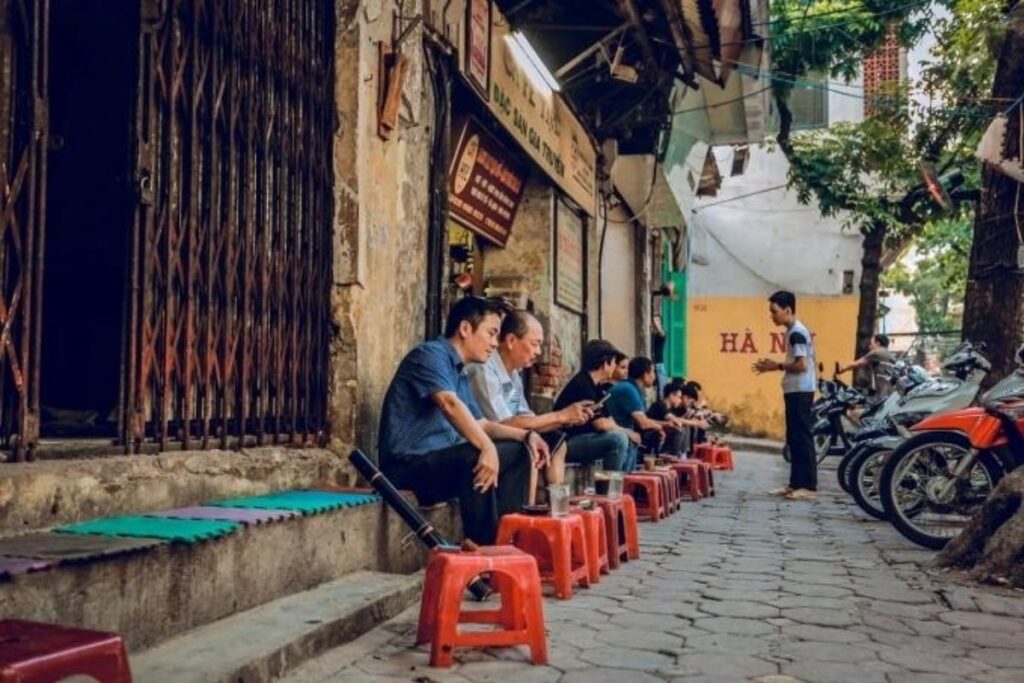
The biggest change may not happen inside the café at all.
It happens in what you begin noticing outside it.
The first time you sit at a neighborhood coffee shop, the street may simply look busy.
Return several times and patterns start to emerge.
On weekday mornings, office workers move through the neighborhood with takeaway drinks or stop briefly at familiar tables. Around school hours, the rhythm changes again. Delivery riders appear throughout the day. A fruit seller or food vendor may pass at roughly the same time. In the late afternoon, families and students can change the atmosphere once more.
None of these things would necessarily make it onto a travel itinerary.
Yet together they form the everyday character of the neighborhood.
This is one of the quiet advantages of staying in the same place rather than constantly moving from one attraction to another.
Repetition gives you context.
You begin noticing which streets are quiet in the morning and which become crowded later. You recognize businesses that open early and those that stay open late. You see how weather changes the use of sidewalks and outdoor seating.
You may even start recognizing people without ever learning their names.
The elderly man who always sits near the entrance.
The office worker who arrives with the same colleague.
The rider who stops for a quick coffee between deliveries.
The shopkeeper next door who comes over in the afternoon.
These people are not attractions.
They are simply part of the neighborhood.
And that changes the question you ask.
Instead of:
“What should I see today?”
you begin wondering:
“What happens here every day?”
That is a very different way of experiencing Vietnam.
It is also one of the simplest ways to understand why local life cannot be reduced to a list of landmarks.
13. You Don’t Have to Choose the Most Traditional Café
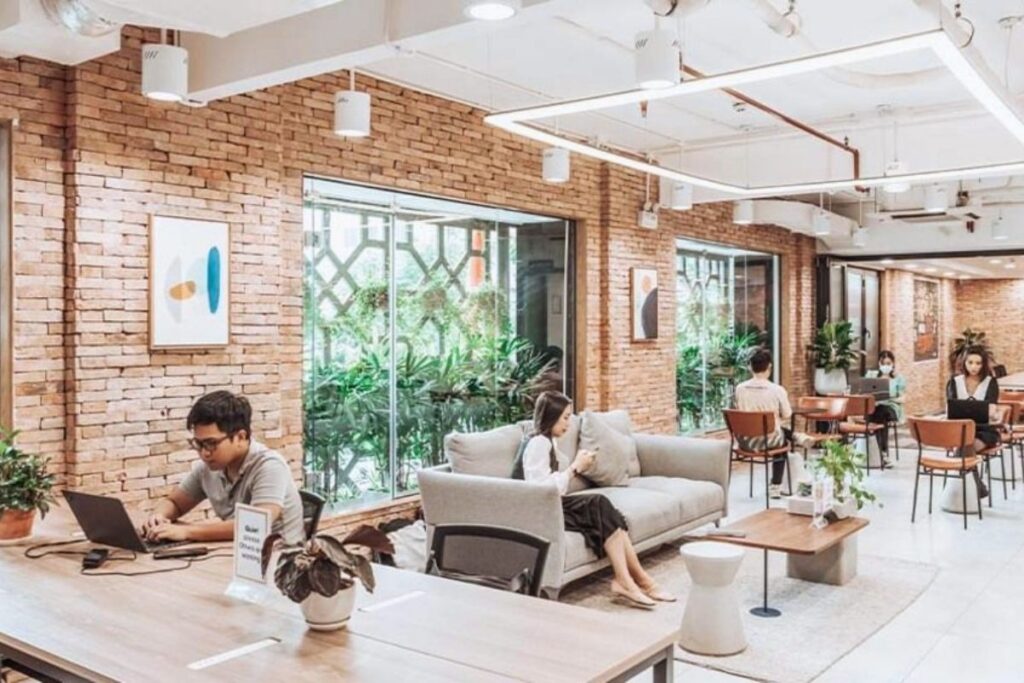
Vietnam’s coffee scene has changed considerably, and a neighborhood coffee shop does not have to look traditional to be part of local life.
You may find a small sidewalk café where a phin is still the center of the experience.
A few streets away, there may be a contemporary Vietnamese café with air conditioning, comfortable chairs, a larger menu, and customers working on laptops.
Further into the city, a specialty coffee shop may focus on bean origins, roasting, pour-over methods, or newer approaches to Vietnamese coffee.
All three can have regular customers.
That is important because travelers sometimes make the mistake of equating “local” with “old-fashioned.”
A modern café is not automatically less Vietnamese.
A traditional café is not automatically more authentic.
And a specialty coffee shop is not necessarily designed only for tourists.
The better question is whether the café has become part of the routine of the people who use it.
If the same customers return every morning, if neighbors meet there, if staff recognize regulars, and if the space fits naturally into the surrounding area, the café is functioning as part of its neighborhood regardless of its interior design.
Vietnam’s coffee culture is broad enough to include all of these experiences.
For someone hoping to become a regular, choose the environment that fits your own routine.
The most useful café is not necessarily the most traditional one.
It is the one you will actually come back to.
14. Mistakes That Keep You From Becoming a Regular
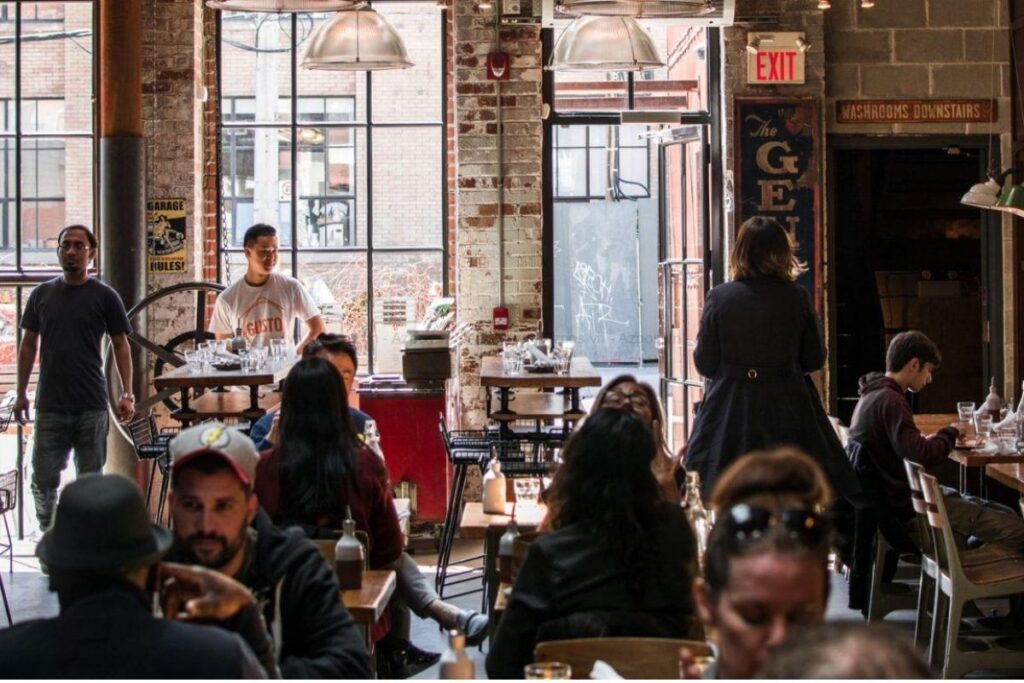
Becoming a regular is simple, but a few habits can make the process less natural.
1. Choosing a café only because it is popular online
A café can look fantastic in photographs and still be inconvenient for everyday use.
If it is far from where you stay or feels uncomfortable after the first visit, you are unlikely to develop a routine there.
2. Expecting instant familiarity
Two visits may not be enough for anyone to remember you.
Staff members are busy, and popular cafés may serve hundreds of customers.
Let familiarity develop at its own pace.
3. Changing your order every time
Trying different drinks is part of discovering Vietnamese coffee, but having a usual order makes your routine easier to recognize.
Once you know what you like, experimentation can come later.
4. Trying too hard to “act local”
You do not need to copy the way Vietnamese customers sit, speak, dress, or order.
Respectful curiosity works better than performance.
5. Forcing conversations
A smile or greeting does not automatically mean someone wants a long conversation.
Some regular relationships remain almost entirely nonverbal.
That is perfectly normal.
6. Treating every café like a coworking space
Some cafés are comfortable with laptops and long stays. Others rely on quick turnover or have limited seating.
If the café is busy, occupying a large table for hours may not be appropriate.
Read the room.
7. Assuming “local” means “traditional”
A modern café can be part of neighborhood life just as easily as a sidewalk coffee stall.
The point is not to find the most stereotypically Vietnamese café.
It is to find a place where you can participate naturally in the rhythm of the neighborhood.
The goal is not to perform local life. The goal is to participate in it naturally.
15. The Small Moment When a Café Becomes “Your Place”
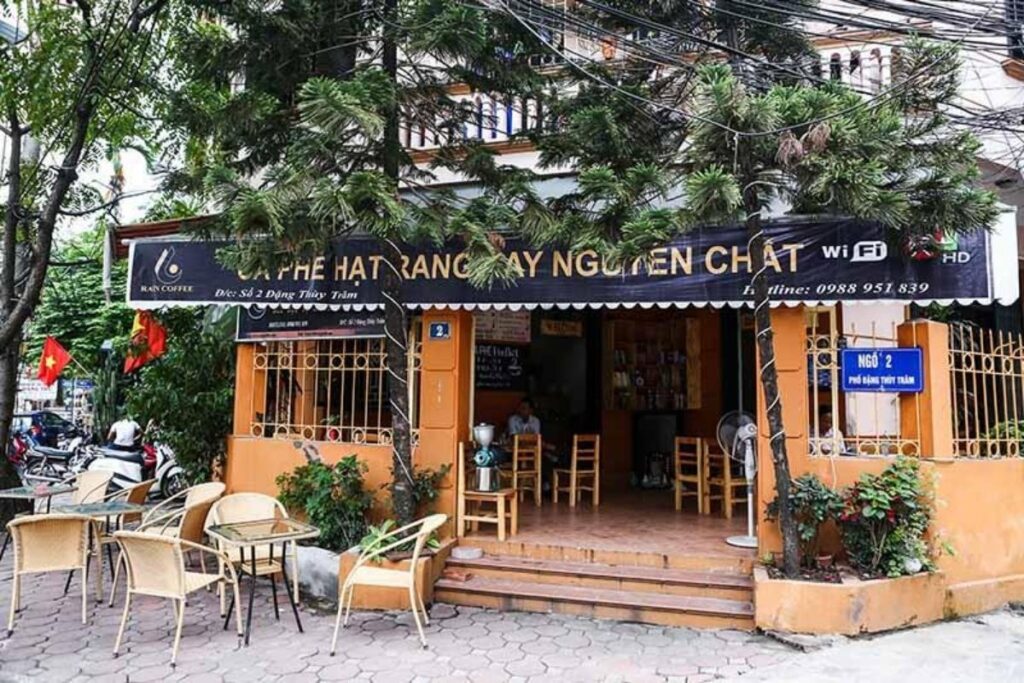
There is no official moment when you become a regular.
Nobody announces it.
There is no membership card, minimum number of visits, or special status waiting at the end.
The change is usually so gradual that you may not notice it happening.
You simply stop making certain decisions.
You no longer need to look at the menu.
You know where you prefer to sit.
You know which entrance to use.
You know roughly when the café is quiet.
You recognize the people behind the counter.
And eventually, when talking about your day, you stop saying:
“That coffee shop near my apartment.”
You simply say:
“My coffee shop.”
That small change in language reflects something larger.
The café has become one of the places that gives your time in Vietnam a sense of continuity. It is no longer just somewhere you went because a guide recommended it. It is somewhere connected to your own routine and memories of the neighborhood.
This is also where the idea of living like a local needs a little perspective.
You do not become Vietnamese because you know the staff at a coffee shop. You do not become a local because you order coffee in Vietnamese or sit on a plastic stool.
Those things are not the point.
The point is that you have developed a small relationship with the place around you.
You know where to get breakfast.
You recognize a few faces on the street.
You know which part of the neighborhood gets busy after school.
You have noticed how the street changes when it rains.
And you have somewhere you can return without feeling like you are discovering it for the first time.
For a traveler, that may be one of the simplest forms of belonging available.
Not belonging in the sense of becoming an insider.
Something quieter.
A temporary place has started to contain a few familiar things.
And sometimes, that is enough to make Vietnam feel a little less foreign.
Final Thoughts: Sometimes Living Like a Local Starts With One Cup of Coffee
Travel often encourages us to keep moving.
Another café.
Another neighborhood.
Another attraction.
Another photograph.
But everyday life works differently.
It depends on repetition.
Going to the same places.
Seeing the same people.
Following familiar routines.
A neighborhood coffee shop offers a surprisingly simple way into that rhythm.
You do not need to become fluent in Vietnamese. You do not need to know the history of every coffee bean. You do not need to make friends with everyone who works there.
You just need to return.
One morning becomes several.
Several visits become a routine.
A routine becomes familiarity.
And eventually, someone remembers your order.
That may seem like a very small thing.
But when you are living or traveling far from home, being recognized somewhere can change how a place feels.
Sometimes, living like a local in Vietnam starts with nothing more complicated than coming back to the same coffee shop often enough for someone to remember your order.
Frequently Asked Questions About Neighborhood Coffee Shops in Vietnam
1. How do you become a regular at a coffee shop in Vietnam?
To become a regular at a coffee shop in Vietnam, choose a café near where you stay and visit consistently. Order a familiar drink, greet the staff, and take the time to notice the rhythm of the place. You do not need to visit every day or speak fluent Vietnamese. Familiarity usually develops naturally through repeated visits.
2. What is coffee culture like in Vietnam?
Vietnamese coffee culture is closely connected to everyday life. Coffee shops can be places to meet friends, work, read, talk, relax, or simply watch the neighborhood go by. The experience varies by city, neighborhood, generation, and type of café, so there is no single version of coffee culture that represents the whole country.
3. How do you order coffee in Vietnam?
Ordering coffee in Vietnam is usually straightforward. You can tell the server what you would like, such as cà phê sữa đá for iced coffee with condensed milk or cà phê đen đá for iced black coffee. Learning a few Vietnamese drink names can make ordering easier, although English may also be understood in many tourist-oriented areas.
4. What is a neighborhood coffee shop in Vietnam like?
A neighborhood coffee shop in Vietnam can be anything from a small street-facing café with low stools to a family-run shop or a modern café serving specialty coffee. What often distinguishes a neighborhood café is not its décor but its connection to the people and routines around it. Regular customers, familiar staff, and a steady daily rhythm can tell you more than the appearance of the café.
5. Can foreigners become regulars at local cafés in Vietnam?
Yes. Foreign visitors and residents can become familiar faces at neighborhood cafés simply by returning regularly and behaving respectfully. You do not need to speak Vietnamese fluently or imitate local habits. Consistency, friendliness, and a genuine interest in the everyday rhythm of the neighborhood are usually enough.
6. Do you have to speak Vietnamese to become a regular?
No. A few Vietnamese words can make ordering and greeting people easier, but fluency is not necessary. Learning simple phrases such as cảm ơn (“thank you”) and the name of your usual drink can be enough to make repeated visits feel more natural.
7. How long can you sit at a coffee shop in Vietnam?
It depends on the café. Many Vietnamese coffee shops are accustomed to customers staying for a while, particularly when they are chatting, reading, working, or meeting friends. However, expectations vary between small neighborhood cafés, busy cafés, and specialty coffee shops. When in doubt, observe how other customers use the space and avoid occupying a table unnecessarily when the café is crowded.
8. What should foreigners know about Vietnamese café etiquette?
The most useful approach is to observe the café’s existing rhythm rather than assuming every coffee shop follows the same rules. Order something, treat the staff respectfully, keep your belongings secure, and avoid taking more space than necessary when the café is busy. A friendly greeting and a simple cảm ơn can also go a long way.
9. How can you tell if a café is part of the local neighborhood?
Look beyond the appearance of the café. Regular customers, familiar interactions between staff and customers, nearby residents stopping in, and a consistent daily rhythm can all indicate that a café is part of the surrounding neighborhood. A modern or stylish café can still be closely connected to local life, while a traditional-looking café is not automatically more local.
10. Is Vietnamese coffee culture the same throughout Vietnam?
No. Coffee culture varies across Vietnam. A neighborhood café in Hanoi may have a different atmosphere and routine from one in Ho Chi Minh City, Da Nang, Hue, or a smaller town. Differences can also exist between generations, neighborhoods, and café styles. There is no single experience that represents every Vietnamese coffee shop.
Continue Exploring Vietnam
If becoming a regular at a neighborhood coffee shop in Vietnam showed you a quieter side of everyday life, there is much more to discover beyond the usual travel checklist.
Explore Vietnam Insights from Tam Voc Viet for stories about everyday life, Vietnamese culture, food, traditions, relationships, and the small details that reveal how Vietnam works beneath the surface.
Recommended next reads:
- Vietnam Coffee Culture Guide: Why Travelers Fall in Love With Coffee in Vietnam
- Why is coffee so important in Vietnam? Explore its history, Robusta beans, phin brewing, café culture, and role in everyday Vietnamese life.
- Living in Vietnam: The Complete Guide for Foreigners
- Vietnamese Culture
- Vietnamese Family Culture
- The Story Behind Vietnam’s Street Food Culture
- Why Do Vietnamese Families Eat Together?
- Why Do Vietnamese Wake Up So Early?
- 15 Things That Surprise First-Time Visitors to Vietnam
- Common Culture Shocks in Vietnam
Together, these stories form part of Vietnam Insights, looking beyond famous destinations to explore how Vietnam is experienced, understood, and lived.
Sources & Further Reading
This article draws on cultural, tourism, and research-based sources that help explain Vietnam’s coffee culture, cafés, and the role of coffee in everyday social life.
- National Geographic — Vietnam’s Coffee Culture
Background on Vietnam’s distinctive coffee traditions and the social experience surrounding coffee drinking, including the importance of sitting, talking, and spending time together.
Read the article on National Geographic - Vietnam National Authority of Tourism — Vietnam’s Coffee Culture
An overview of Vietnam’s long-standing coffee traditions, from sidewalk cafés and traditional brewing methods to the social and cultural role of coffee in Vietnamese cities.
Explore Vietnam’s coffee culture - Vietnam National Authority of Tourism — Hanoi Coffee Culture
Background on Hanoi’s café traditions, including sidewalk coffee, street-facing seating, and the role of cafés as places to meet, relax, and observe everyday urban life.
Explore Hanoi’s coffee culture
How These Sources Inform This Article
These sources provide cultural and historical context for claims about Vietnamese coffee culture, traditional cafés, sidewalk coffee, and the social role of cafés in everyday life.
They do not suggest that every coffee shop in Vietnam operates in the same way. Café culture varies by city, neighborhood, business, generation, and type of establishment.
The practical observations in this article are intended as general guidance for travelers and foreign residents, rather than fixed rules about how Vietnamese cafés work.
Editorial Note
Vietnam does not have one single coffee culture.
A small sidewalk café in Hanoi can feel very different from a modern specialty coffee shop in Ho Chi Minh City. A family-run neighborhood café in a provincial city may have a completely different rhythm again.
Coffee habits also vary between generations, neighborhoods, and individuals.
Some people drink coffee while talking with friends. Others use cafés as informal workplaces, meeting places, or simply somewhere to sit and watch the street.
This article focuses on one particular experience: what happens when a coffee shop stops being somewhere you visit and starts becoming somewhere you belong to a little.
Becoming a regular is not about trying to imitate Vietnamese people or proving that you are “living like a local.”
It is about developing a simple routine, recognizing familiar faces, and allowing a relationship with a place to develop naturally.
Our interpretation is informed by research and institutional sources on Vietnamese coffee culture while recognizing that individual cafés and experiences vary.
About Tam Voc Viet
Tam Voc Viet explores Vietnam for international readers who want to understand more than where to go.
Our Vietnam Insights stories explore Vietnamese culture, people, traditions, food, relationships, and everyday experiences through context rather than stereotypes or travel clichés.
Vietnam can be understood through its famous landmarks, but also through the ordinary places people return to every day — a neighborhood market, a family kitchen, a street food stall, or a small coffee shop.
Our goal is to explore those everyday experiences with curiosity, context, and respect.
Sometimes the best way to understand Vietnam is not to see more places, but to return to one place often enough to notice what you missed the first time.
Article Information
Category: Vietnam Insights
Topic: Everyday Vietnam / Living Like a Local / Coffee Culture
Focus Keyword: neighborhood coffee shop in Vietnam
Secondary Keywords: becoming a regular at a coffee shop / Vietnam coffee culture / Vietnamese coffee culture / local coffee shop in Vietnam / neighborhood café in Vietnam / Vietnamese coffee / living like a local in Vietnam
Published: September 2026
Last Updated: September 2026
Author: Tam Voc Viet Editorial Team
