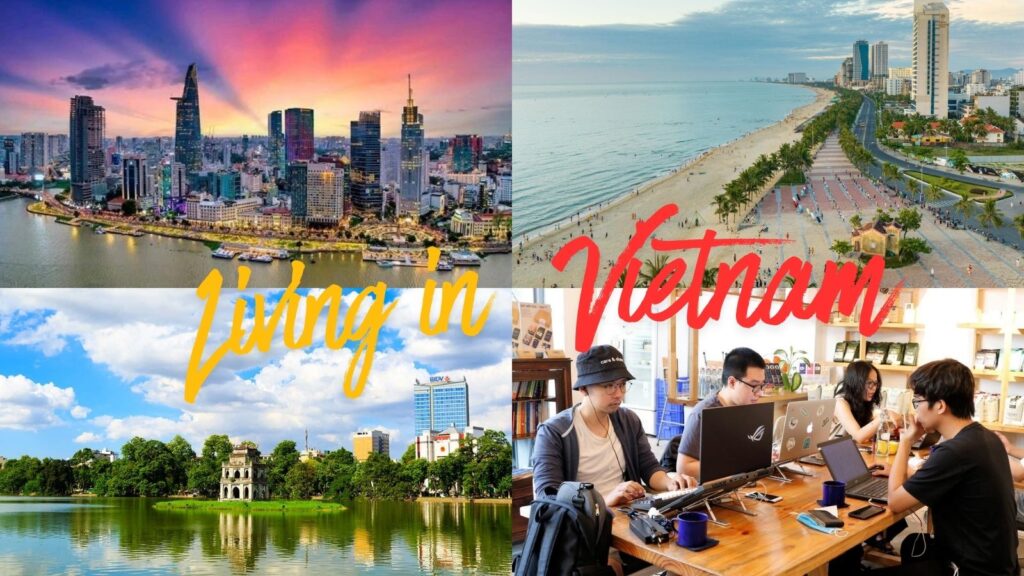
Thinking about living in Vietnam? Whether you’re moving to Vietnam for work, retirement, remote work, or a fresh start, this complete Living in Vietnam Guide covers everything foreigners need to know before relocating. Learn about Vietnam visa options, the cost of living in Vietnam, finding housing, healthcare in Vietnam, banking, transportation, local culture, safety, and the best cities to live in Vietnam. Whether you’re planning expat life in Vietnam or simply exploring your options, this guide will help you make informed decisions and settle into your new life with confidence.
Quick Answer about Living in Vietnam
Yes, Vietnam is one of the best countries in Southeast Asia for foreigners looking for an affordable, exciting, and comfortable place to live. With a relatively low cost of living, modern cities, reliable internet, excellent healthcare in major urban centers, world-famous cuisine, and welcoming communities, Vietnam continues to attract digital nomads, retirees, entrepreneurs, English teachers, and remote workers from around the world.
Whether you’re planning to stay for a few months or settle down for several years, understanding how life works in Vietnam will help you make a smoother transition.
Why Trust This Guide?
Moving abroad is one of the biggest decisions you’ll ever make. While social media videos and online forums can be useful, they often focus on personal opinions or short-term experiences.
This Living in Vietnam Guide takes a broader approach by combining practical information, observations from long-term residents, and local insights to help you understand what everyday life in Vietnam is really like. Instead of highlighting only the positives, it also explains the common challenges foreigners face—from navigating busy traffic to adapting to cultural differences.
Whether you’re relocating for work, retirement, business, or simply a new adventure, you’ll find balanced, practical advice designed to help you make informed decisions.
Table of Contents
Why Are More Foreigners Moving to Vietnam?
Vietnam has become a popular destination for digital nomads, entrepreneurs, and retirees seeking a better quality of life.
Just a decade ago, Vietnam was known primarily as a backpacking destination. Today, it has evolved into one of Asia’s most attractive places for long-term living.
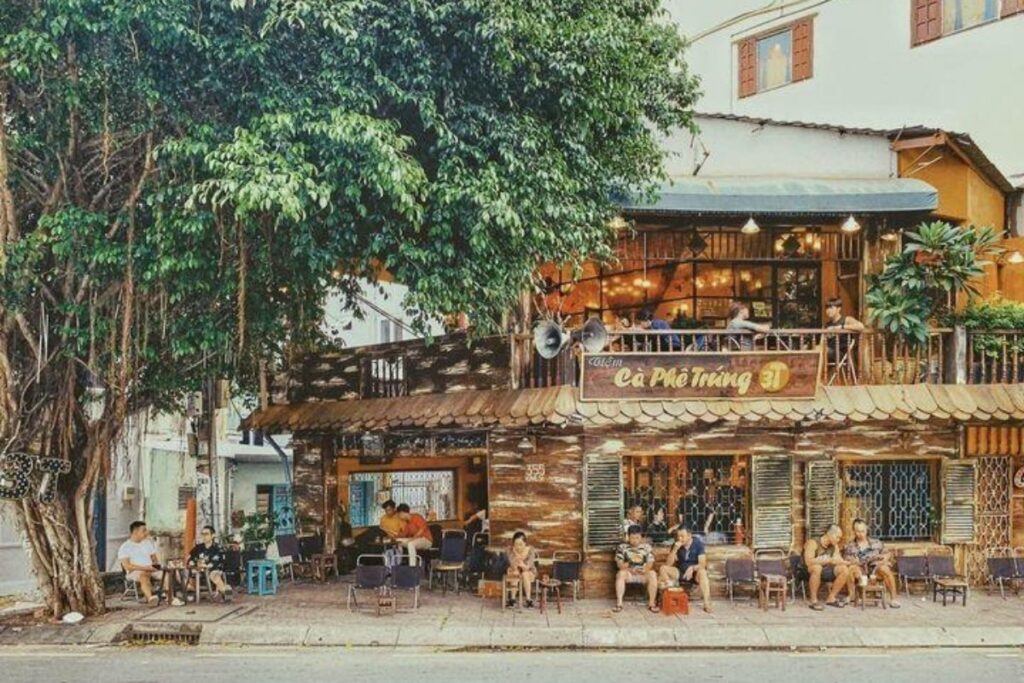
Walk through neighborhoods in Ho Chi Minh City, Da Nang, or Hanoi, and you’ll hear conversations in English, Korean, Japanese, French, German, Spanish, and dozens of other languages. Cafés are filled with remote workers on video calls, international families enjoy weekends in public parks, and retirees spend quiet mornings by the beach.
Vietnam has quietly become a destination where people don’t just travel—they choose to stay.
Several factors have contributed to this growing popularity.
What Surprises Most First-Time Expats?
Many foreigners arrive in Vietnam expecting a low-cost destination with great food. What often surprises them is how quickly everyday life begins to feel comfortable. Within a few weeks, many expats have a favorite neighborhood café, know which market sells the freshest fruit, and rely on ride-hailing apps instead of owning a car. It’s these small daily routines—not just the lower living costs—that make Vietnam feel like home.
Affordable Without Sacrificing Comfort
Compared with many Western countries, everyday expenses in Vietnam remain remarkably affordable.
Rent, dining out, transportation, household services, and entertainment often cost significantly less than in North America, Australia, or much of Europe. For many foreigners, this means enjoying a higher quality of life while spending considerably less each month.
Instead of worrying about basic living expenses, many residents find themselves with more financial freedom to travel, pursue hobbies, or save for the future.
A Lifestyle That Balances Work and Leisure
Vietnam offers a pace of life that many newcomers find refreshing.
Major cities provide modern shopping centers, international restaurants, coworking spaces, fitness clubs, and quality healthcare, while beaches, mountains, rivers, and countryside remain just a short journey away.
It’s entirely possible to spend the morning working from a contemporary coffee shop, enjoy authentic Vietnamese street food for lunch, and watch the sunset from a quiet beach or mountain viewpoint in the evening.
This balance between productivity and leisure has made Vietnam especially attractive to remote workers and entrepreneurs.
One of the World’s Great Food Destinations
For many foreigners, food becomes one of the biggest reasons to stay.
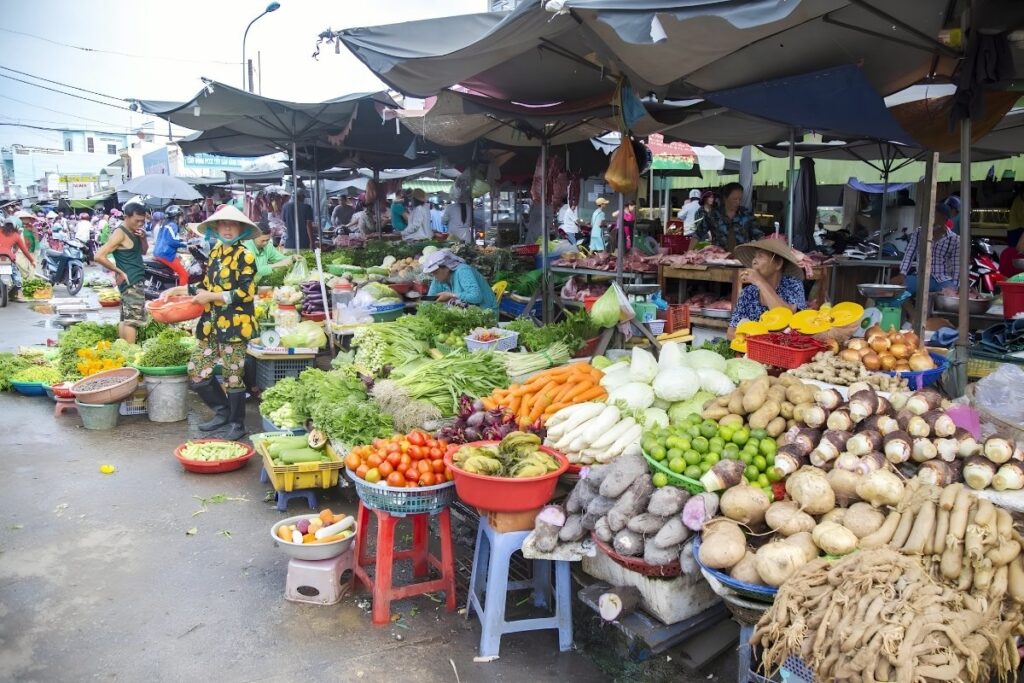
Vietnamese cuisine emphasizes fresh herbs, seasonal vegetables, balanced flavors, and regional diversity. Every city offers its own specialties, while local markets and street vendors make high-quality meals accessible at affordable prices.
Unlike many destinations where eating out is considered a luxury, dining at local restaurants in Vietnam is simply part of everyday life.
Many expatriates quickly discover that cooking at home becomes optional rather than necessary.
Friendly Communities and International Networks
Moving abroad can feel overwhelming, but Vietnam has developed active international communities over the past decade.
Large cities host language exchanges, sports clubs, business networking events, photography groups, volunteer organizations, and coworking communities that make meeting new people surprisingly easy.
Many newcomers find themselves building friendships with both locals and fellow expatriates within just a few weeks of arriving.
Reliable Internet for Remote Work
Vietnam consistently ranks among the stronger performers in Southeast Asia for internet accessibility in urban areas.
Fiber connections are widely available in cities, while mobile data is affordable and fast enough for video conferencing, online collaboration, and streaming.
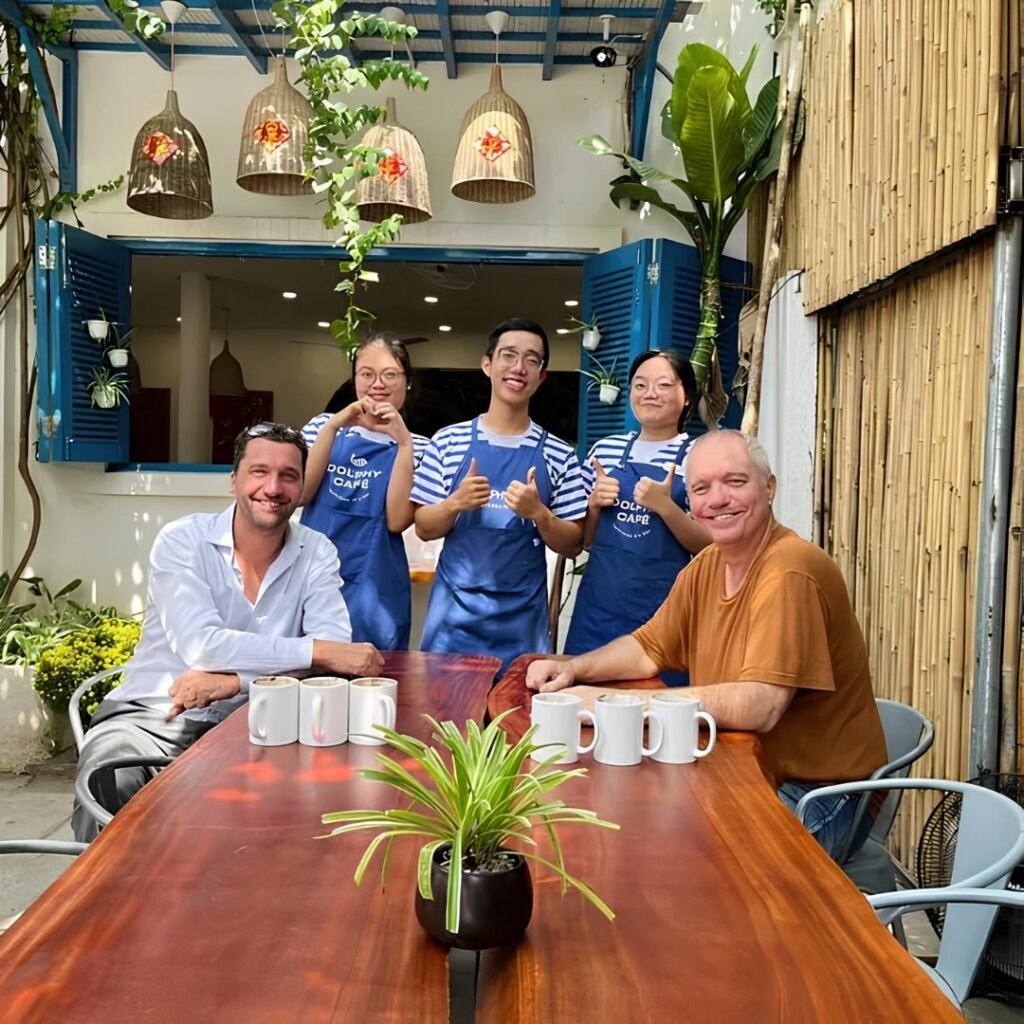
Coffee culture also plays an important role in daily life. Thousands of cafés across the country provide comfortable workspaces, reliable Wi-Fi, and an atmosphere that naturally blends productivity with relaxation.
It’s no surprise that Vietnam has become a favorite destination for digital nomads.
Diverse Places to Live
One of Vietnam’s biggest advantages is that no single lifestyle defines the country.
If you enjoy fast-paced city living, Ho Chi Minh City offers endless energy and business opportunities.
If you prefer history and culture, Hanoi delivers centuries of tradition alongside modern conveniences.
Beach lovers often choose Da Nang or Nha Trang, while those seeking cooler weather gravitate toward Da Lat.
This variety allows foreigners to find a location that genuinely matches their lifestyle instead of adapting to only one type of environment.
A Country That Continues to Grow
Vietnam’s economy has developed rapidly over the past two decades, bringing improvements in infrastructure, transportation, healthcare, technology, and public services.
Modern apartment complexes, international schools, shopping malls, metro systems, and expanding airports reflect the country’s ongoing investment in long-term development.
For foreigners planning to stay several years, this continued growth offers confidence that Vietnam will remain an increasingly comfortable place to live.
Is Vietnam a Good Place to Live?
The short answer is yes—but whether it’s the right place for you depends on your expectations, lifestyle, and priorities.
No country is perfect. Vietnam offers remarkable advantages, but adapting successfully also requires flexibility and an open mind.
Here’s what most long-term residents appreciate, along with the challenges they commonly mention.
What You’ll Probably Love
An Excellent Cost-to-Quality Ratio
One of Vietnam’s greatest strengths is value for money.
Many foreigners find they can enjoy spacious apartments, frequent restaurant meals, affordable domestic travel, and convenient services while spending considerably less than they would back home.
Rather than constantly budgeting every expense, many residents feel they can enjoy life more comfortably.
Incredible Food Every Day
Food is deeply woven into everyday life in Vietnam.
Fresh fruit is available year-round, local markets offer an impressive variety of ingredients, and neighborhood restaurants serve dishes prepared using recipes passed down through generations.
Every region has its own culinary identity, making even domestic travel feel like a new food adventure.
Warm Hospitality
Vietnamese culture places strong importance on welcoming guests and helping visitors.
Although language differences occasionally create misunderstandings, many foreigners describe local people as patient, curious, and eager to assist.
Simple acts of kindness—such as helping someone cross a busy street, explaining directions, or recommending favorite restaurants—are common experiences for newcomers.
Endless Opportunities to Explore
Living in Vietnam means weekends rarely become repetitive.
Within a few hours, you can travel from bustling cities to peaceful rice terraces, tropical islands, mountain villages, national parks, limestone bays, or historic towns.
Domestic flights are relatively affordable, making spontaneous weekend trips both practical and enjoyable.
Strong Café Culture
Coffee is more than a beverage in Vietnam—it’s part of everyday social life.
Whether you prefer traditional Vietnamese coffee, specialty espresso, or quiet garden cafés, you’ll quickly discover countless places to relax, work, or meet friends.
For remote professionals, this café culture often becomes one of the most enjoyable parts of living in the country.
Challenges You Should Be Ready For
Traffic Can Feel Intimidating
Motorbikes dominate Vietnam’s streets, particularly in larger cities.
Crossing busy roads often feels overwhelming during the first few days, and driving requires confidence, awareness, and patience.
Fortunately, most foreigners gradually adapt by observing local traffic patterns and using ride-hailing services while settling in.
First Week Tip
One of the biggest culture shocks for newcomers is crossing busy streets. Instead of waiting for traffic to stop completely, locals usually walk at a steady, predictable pace while drivers naturally move around them. It feels intimidating at first, but most expats say they become comfortable after a week or two.
Air Quality Varies
Like many rapidly developing cities, parts of Hanoi and Ho Chi Minh City occasionally experience reduced air quality, especially during dry seasons.
Many residents monitor air quality forecasts and use air purifiers indoors when necessary.
Coastal cities generally enjoy cleaner air throughout much of the year.
Language Differences
English is increasingly common in tourist areas, international businesses, and among younger generations.
However, outside these environments, basic Vietnamese phrases can significantly improve daily interactions.
Learning even simple greetings and expressions often leads to warmer conversations and deeper cultural experiences.
Administrative Procedures Take Patience
Opening bank accounts, handling visas, signing rental contracts, or completing official paperwork may involve processes that differ from those in Western countries.
Preparation, organization, and a willingness to ask questions usually make these experiences much smoother.
Weather Requires Adjustment
Vietnam stretches over 1,600 kilometers from north to south, creating noticeable regional climate differences.
Northern Vietnam experiences four distinct seasons, central Vietnam is affected by tropical storms during parts of the year, while southern Vietnam generally alternates between dry and rainy seasons.
Choosing the right city often depends on the type of climate you prefer.
The Bottom Line
For many foreigners, Vietnam offers something increasingly difficult to find elsewhere: a place where affordability, opportunity, culture, and quality of life come together.
You’ll encounter challenges—from navigating traffic to adjusting to local customs—but most long-term residents find that these become easier with time. In return, they gain access to vibrant cities, welcoming communities, unforgettable food, and the freedom to enjoy a lifestyle that often feels both richer and less stressful than life back home.
Best Cities to Live in Vietnam
Each city offers a unique lifestyle, from bustling business districts to peaceful coastal communities.
One of Vietnam’s biggest advantages is that there isn’t just one “best” place to live.
Some foreigners thrive in the fast-moving business environment of Ho Chi Minh City. Others fall in love with Hanoi’s centuries-old culture and café scene. Beach lovers often settle in Da Nang, while retirees may prefer the slower pace of Nha Trang or Da Lat.
The right city depends on your career, budget, lifestyle, family situation, and personal interests.
Here’s a closer look at the destinations that attract the largest international communities.
Ho Chi Minh City (Saigon)
Best For
Professionals
Entrepreneurs
Digital nomads
Young expats
International companies
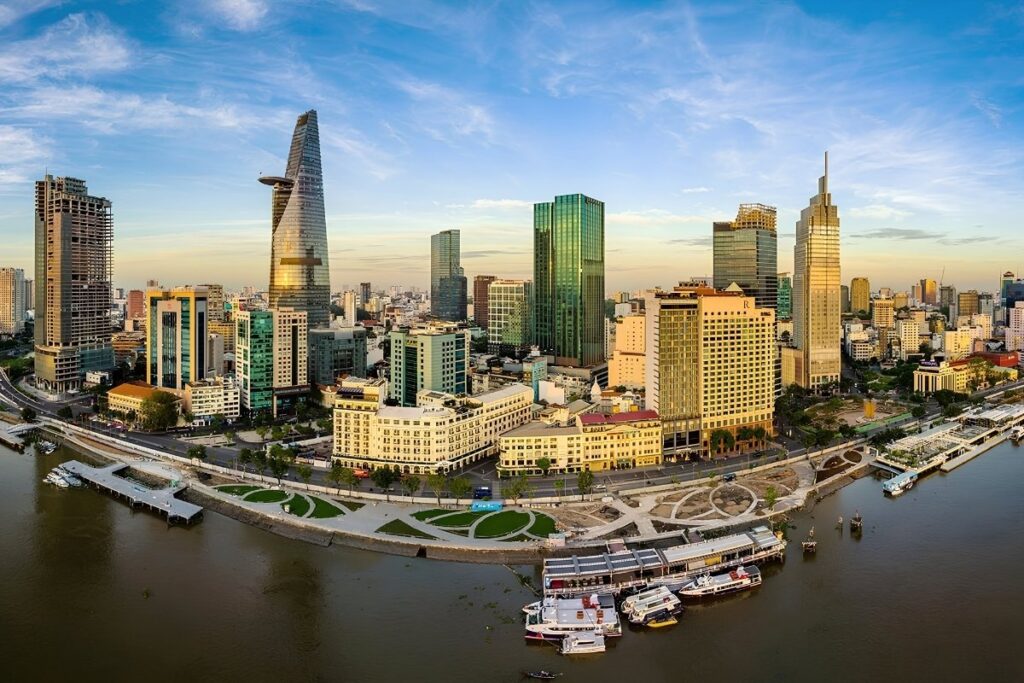
Ho Chi Minh City is Vietnam’s largest economic center and the country’s most international destination.
Locals still affectionately call it Saigon, and many foreigners do the same.
Life here moves quickly. Modern skyscrapers stand beside colonial-era buildings, luxury shopping malls sit next to bustling street markets, and rooftop bars overlook neighborhoods filled with family-run cafés and food stalls.
For many newcomers, Ho Chi Minh City offers the easiest transition into life in Vietnam because so many international services are already available.
What You’ll Love
Career opportunities are stronger here than anywhere else in Vietnam.
The city hosts thousands of multinational companies, startups, international schools, coworking spaces, and English language centers.
English is widely spoken in business districts, making daily life relatively easy for newcomers.
International grocery stores, imported products, private hospitals, and global restaurant chains are easy to find.
The city’s nightlife is also unmatched.
Whether you enjoy cocktail lounges, live music, rooftop bars, craft breweries, or late-night street food, there’s always something happening.
Things to Consider
The city’s energy can also be exhausting.
Traffic congestion is part of daily life, especially during rush hour.
Noise levels remain high in many neighborhoods, and the tropical climate stays hot throughout most of the year.
Rental prices are among the highest in Vietnam, although they’re still considerably lower than those in many Western cities.
Popular Neighborhoods
District 1
District 2 (Thao Dien)
District 3
District 7 (Phu My Hung)
Binh Thanh District
Hanoi
Best For
History lovers
Families
Teachers
Government and NGO professionals
Long-term residents
Vietnam’s capital offers a very different atmosphere.
While Ho Chi Minh City feels energetic and commercially driven, Hanoi combines political importance with deep cultural traditions.
Ancient temples, lakes, French colonial architecture, and narrow streets create an environment unlike anywhere else in Southeast Asia.
Many foreigners say Hanoi grows on you slowly.
Instead of impressing visitors immediately, it rewards those who take time to understand its rhythm.
What You’ll Love
The city has an exceptional café culture.
Weekend walks around Hoan Kiem Lake, traditional street markets, hidden coffee shops, and seasonal weather give Hanoi a distinctive charm.
Northern Vietnamese cuisine also differs noticeably from southern dishes, giving food lovers endless opportunities to explore.
International schools and healthcare facilities continue to improve every year.
Things to Consider
Winter can surprise newcomers.
Temperatures occasionally fall below 15°C (59°F), and many homes lack central heating.
Air quality also fluctuates during certain seasons.
Traffic remains busy, although many residents adapt quickly after several weeks.
Popular Neighborhoods
Tay Ho (West Lake)
Ba Dinh
Hoan Kiem
Cau Giay
Dong Da
Da Nang
Best For
Digital nomads
Remote workers
Couples
Beach lovers
Retirees
Ask experienced expatriates where they’d choose to live in Vietnam, and Da Nang often tops the list.
The city successfully combines modern infrastructure with a relaxed coastal lifestyle.
Long sandy beaches stretch for miles, mountains rise just outside the city, and daily life feels noticeably calmer than in Vietnam’s two largest metropolitan areas.
What You’ll Love
Da Nang consistently ranks among Vietnam’s cleanest cities.
Traffic is manageable, commuting times are short, and many residents travel by bicycle or scooter without feeling overwhelmed.
Reliable internet, growing coworking communities, excellent seafood, and an international airport make the city particularly attractive to remote workers.
Weekend trips to Hoi An, Hue, or Ba Na Hills are easy.
Things to Consider
Career opportunities are more limited compared with Ho Chi Minh City.
If you’re searching for corporate employment, options may be fewer.
Nightlife is also quieter, although this is often considered an advantage by long-term residents.
Hoi An
Best For
Artists
Writers
Slow travelers
Couples
Boutique business owners
Hoi An isn’t just one of Vietnam’s most beautiful towns—it’s also one of the country’s most relaxing places to live.
The historic streets, riverside cafés, colorful lanterns, and slower pace attract creatives from around the world.
Life here feels more intimate than in Vietnam’s major cities.
Many remote workers split their time between Hoi An and nearby Da Nang.
Lifestyle
Mornings often begin with coffee overlooking rice fields.
Afternoons might include cycling through quiet villages or working from a riverside café.
Evenings bring lantern-lit streets filled with both locals and travelers.
It’s an ideal destination for people seeking balance rather than constant activity.
Nha Trang
Best For
Beach enthusiasts
Retirees
Divers
Russians and international retirees
Nha Trang has long been one of Vietnam’s premier beach destinations.
The city offers warm weather year-round, beautiful coastline, fresh seafood, and a relaxed atmosphere that appeals to retirees and long-term visitors.
Healthcare facilities continue improving, while apartment rentals remain relatively affordable compared with similar beach destinations elsewhere in Asia.
Da Lat
Best For
Nature lovers
Families
Retirees
Remote workers
Anyone seeking cooler weather
Located in Vietnam’s Central Highlands, Da Lat offers a climate unlike most of the country.
Instead of tropical heat, residents enjoy cool mornings, pine forests, flower gardens, waterfalls, and fresh mountain air.
For foreigners who struggle with humidity, Da Lat can be a welcome alternative.
The café scene continues to grow, and the city’s creative atmosphere attracts photographers, artists, and entrepreneurs.
Hai Phong
Best For
Manufacturing professionals
Port-related industries
Long-term business residents
Vietnam’s third-largest city often flies under the radar.
As one of the country’s most important industrial and shipping centers, Hai Phong attracts professionals working in manufacturing, logistics, and international trade.
Although it receives fewer tourists, the city offers modern infrastructure, improving amenities, and easy access to Cat Ba Island and Ha Long Bay.
Phu Quoc
Best For
Entrepreneurs
Hospitality workers
Luxury lifestyle seekers
Remote workers
Living on Vietnam’s largest island feels completely different from living on the mainland.
Phu Quoc combines luxury resorts, beautiful beaches, tropical forests, and a growing international community.
Many foreigners working in hospitality, tourism, or online businesses appreciate the relaxed pace and island atmosphere.
The trade-off is that imported goods and some services can be more expensive than in major cities.
Comparing Vietnam’s Best Cities
City
Lifestyle
Cost of Living
Job Opportunities
Beaches
Nightlife
Best For
Ho Chi Minh City
Fast-paced
$$$
★★★★★
No
★★★★★
Careers, business, young professionals
Hanoi
Cultural
$$$
★★★★☆
No
★★★★☆
Families, teachers, culture lovers
Da Nang
Relaxed
$$
★★★☆☆
★★★★★
★★★☆☆
Digital nomads, retirees
Hoi An
Peaceful
$$
★★☆☆☆
Nearby
★★☆☆☆
Creatives, couples
Nha Trang
Coastal
$$
★★☆☆☆
★★★★★
★★★☆☆
Beach lifestyle
Da Lat
Mountain
$$
★★☆☆☆
No
★★☆☆☆
Nature lovers
Hai Phong
Urban
$$
★★★★☆
Nearby
★★☆☆☆
Manufacturing professionals
Phu Quoc
Island
$$$
★★☆☆☆
★★★★★
★★★☆☆
Entrepreneurs, remote workers
Which City Is Right for You?
There’s no single perfect place to live in Vietnam—only the place that best fits your lifestyle.
If career growth and networking are your priorities, Ho Chi Minh City is hard to beat. Those drawn to history, tradition, and four distinct seasons often feel at home in Hanoi. If waking up near the beach while maintaining a healthy work-life balance sounds ideal, Da Nang remains one of the country’s standout choices.
For a slower rhythm of life, Hoi An, Da Lat, Nha Trang, and Phu Quoc each offer unique advantages, from mountain retreats to island living.
Many long-term foreigners even choose to spend time in more than one city before deciding where to settle permanently. Vietnam’s affordable domestic flights and extensive transportation network make it easy to explore different regions and discover which place truly feels like home.
Local markets and affordable dining help keep the cost of living relatively low.
One of the biggest reasons foreigners choose Vietnam is simple: your money goes much further here than in many other countries.
Whether you’re a digital nomad earning a remote salary, a retiree living on savings, an English teacher, or an entrepreneur launching a new business, Vietnam offers a lifestyle that’s difficult to match elsewhere in Asia.
That doesn’t necessarily mean life is “cheap.” Instead, Vietnam provides exceptional value. You can rent a modern apartment, eat fresh meals every day, travel frequently, and enjoy a wide range of services—all without the high monthly expenses common in North America, Western Europe, or Australia.
Of course, your actual budget depends on where you live and how you choose to spend. Someone living in a luxury apartment in central Ho Chi Minh City will naturally spend far more than someone renting a studio in Da Nang or sharing a house in Hoi An.
The following estimates are intended as realistic monthly budgets for foreigners in 2026.
How Much Does It Cost to Live in Vietnam?
For many newcomers, the biggest surprise isn’t the low prices—it’s how affordable convenience becomes.
Hiring someone to clean your apartment, ordering restaurant meals, taking ride-hailing services, or getting groceries delivered can become part of everyday life rather than occasional luxuries.
A comfortable lifestyle is often achievable without making constant financial compromises.
Estimated Monthly Living Costs
Lifestyle
Estimated Monthly Budget (USD)
Budget backpacker
$500–800
Digital nomad
$900–1,500
Single professional
$1,200–2,000
Couple
$1,800–3,000
Family of four
$2,800–5,000+
Luxury lifestyle
$4,500+
These estimates assume you’re living in one of Vietnam’s major cities. Costs may be lower in smaller towns and higher in premium neighborhoods.
Housing Costs
Accommodation will usually be your largest monthly expense.
Fortunately, Vietnam offers an impressive range of housing options, from simple studios to luxury apartments with pools, gyms, and 24-hour security.
Many furnished apartments include air conditioning, Wi-Fi, kitchen appliances, and basic furniture, making it easy for foreigners to move in immediately.
Typical Monthly Rent
Property Type
Monthly Rent (USD)
Studio apartment
$250–500
One-bedroom apartment
$400–900
Two-bedroom apartment
$700–1,500
Luxury apartment
$1,500–3,500+
Serviced apartment
$700–2,500
Prices vary significantly depending on location.
A modern apartment in central Ho Chi Minh City or Hanoi may cost nearly twice as much as a similar property in Da Nang or Nha Trang.
Popular Housing Choices
Serviced Apartments
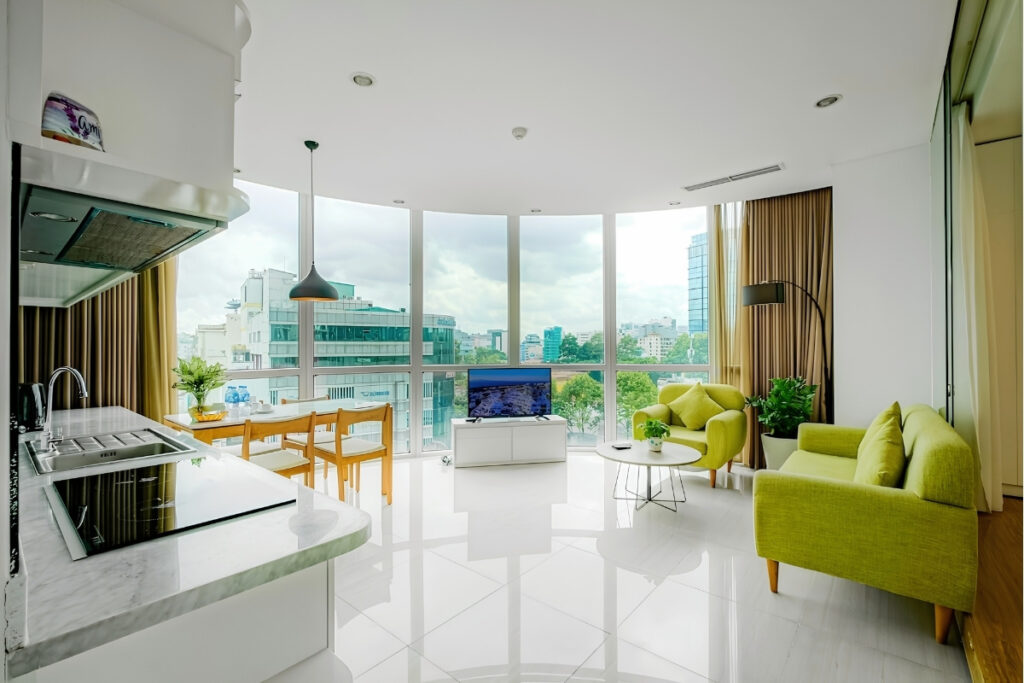
Furnished apartments are widely available in Vietnam’s major cities and are popular among expats.
Many newcomers choose serviced apartments during their first few months.
These often include:
Weekly cleaning
High-speed internet
Security
Reception services
Utility management
Although more expensive than standard rentals, they eliminate many of the challenges associated with settling into a new country.
Standard Apartments
Long-term residents usually move into privately rented apartments after becoming familiar with their city.
Rental contracts commonly require:
One month of advance rent
One to two months’ security deposit
Always review the contract carefully before signing.
Utility Costs
Utilities remain affordable by international standards.
Your electricity bill will largely depend on how often you use air conditioning, especially during Vietnam’s hotter months.
Typical Monthly Utilities
Service
Cost (USD)
Electricity
$30–120
Water
$5–15
Internet
$10–20
Mobile phone
$5–15
Air conditioning can easily become the largest utility expense during summer.
Food and Groceries
Vietnam is one of the few countries where eating out is often just as practical as cooking at home.
Fresh produce is available throughout the year, neighborhood markets sell seasonal ingredients daily, and local restaurants serve freshly prepared meals at reasonable prices.
Many expatriates quickly develop the habit of mixing home cooking with dining out.
Items such as imported cheese, wine, breakfast cereals, premium chocolate, and Western snacks generally cost much more than locally produced alternatives.
Dining Out
Vietnam is famous for making restaurant meals affordable.
Typical Prices
Meal
Average Cost
Local breakfast
$1–3
Pho or noodle soup
$2–4
Vietnamese coffee
$1–3
Casual restaurant
$5–10
International restaurant
$10–25
Fine dining
$30–80+
Because restaurant prices remain reasonable, many foreigners eat out several times each week.
Transportation Costs
Transportation is another area where Vietnam offers excellent value.
Most foreigners rely on a combination of ride-hailing apps, taxis, motorbikes, and occasional domestic flights.
Owning a private car is less common due to higher purchase taxes, parking limitations, and traffic congestion.
Ride-Hailing Services
Apps like Grab have transformed daily transportation.
Typical rides within the city often cost only a few dollars.
Many expatriates find it more economical to use ride-hailing services than own a vehicle.
Motorbike Ownership
A motorbike provides greater flexibility for long-term residents.
Typical monthly costs include:
Fuel: $10–25
Maintenance: $5–20
Parking: Usually inexpensive
Before riding, ensure you understand Vietnam’s licensing and insurance requirements.
Domestic Flights
Vietnam’s geography makes flying surprisingly practical.
Low-cost airlines connect major cities frequently, making weekend travel affordable for many residents.
Healthcare Costs
Healthcare is one of the areas where foreigners often spend more than locals.
Most expatriates prefer private hospitals or international medical clinics due to shorter waiting times and English-speaking staff.
Fortunately, treatment remains affordable compared with many Western countries.
Typical Costs
Service
Estimated Price
General consultation
$20–60
Specialist appointment
$40–120
Dental cleaning
$25–60
Private hospital visit
$50–200+
Many long-term residents also purchase international health insurance for added peace of mind.
Internet and Mobile Services
Reliable internet is essential for remote workers, entrepreneurs, and online businesses.
Fortunately, Vietnam performs well in this area.
Fiber internet is available throughout major cities, while affordable mobile data plans make it easy to stay connected.
Working from cafés is also extremely common.
Entertainment
Vietnam offers a wide variety of affordable leisure activities.
Monthly Entertainment Budget
Gym membership: $20–60
Cinema ticket: $4–8
Massage: $10–30
Craft beer: $2–6
Coffee shop visit: $2–5
Weekend getaway: $80–250
Many foreigners discover they travel more frequently after moving to Vietnam simply because transportation and accommodation remain relatively inexpensive.
Education Costs
Families relocating to Vietnam should carefully consider education expenses.
International schools represent one of the largest costs for expatriate households.
Annual tuition varies significantly depending on curriculum and institution.
While bilingual schools may provide more affordable alternatives, fully international schools can cost tens of thousands of dollars per child each year.
Pet Ownership
Vietnam has become increasingly pet-friendly, particularly in larger cities.
Monthly costs may include:
Food
Routine veterinary care
Grooming
Vaccinations
Pet-friendly apartment fees (where applicable)
Imported pet food is generally more expensive than locally produced brands.
Hidden Costs Foreigners Sometimes Overlook
Although Vietnam is affordable overall, newcomers occasionally underestimate several recurring expenses.
These can include:
Visa renewals or immigration-related fees
Health insurance
Imported groceries
International shipping
Banking and foreign exchange fees
Weekend travel
Air purifier maintenance in larger cities
Home cleaning services
Coworking memberships
Language classes
Planning for these additional expenses helps create a more realistic monthly budget.
Sample Monthly Budgets
Budget Digital Nomad
Expense
Monthly Cost
Apartment
$450
Food
$250
Transportation
$60
Internet & Phone
$20
Entertainment
$120
Miscellaneous
$100
Total
≈ $1,000
This budget supports a comfortable lifestyle in cities such as Da Nang or parts of Ho Chi Minh City.
Professional Couple
Expense
Monthly Cost
Apartment
$1,000
Food
$600
Transportation
$150
Healthcare & Insurance
$250
Entertainment
$400
Miscellaneous
$300
Total
≈ $2,700
Couples choosing premium apartments or dining frequently at international restaurants should expect higher monthly expenses.
Family of Four
Expense
Monthly Cost
Housing
$1,600
Food
$900
Transportation
$250
Utilities
$180
Healthcare
$350
Entertainment
$350
International School*
Varies significantly
Total (excluding school)
≈ $3,600
*International school tuition is highly variable and can exceed all other living expenses combined, depending on the school and curriculum.
Is Vietnam Expensive Compared with Other Countries?
For most foreigners, the answer is no.
Compared with cities like New York, London, Sydney, Singapore, Vancouver, or San Francisco, Vietnam offers a substantially lower cost of living while still providing access to modern conveniences, quality healthcare, reliable internet, and an increasingly international lifestyle.
Even when compared with neighboring destinations in Southeast Asia, many expatriates find Vietnam strikes an attractive balance between affordability and quality of life.
That said, imported products, luxury housing, premium international schools, and fine dining can quickly raise monthly expenses. Your lifestyle choices—not just your location—will ultimately determine how much you spend.
Reality Check
Many newcomers initially budget more than they actually need. During the first month, it’s common to spend extra on hotels, sightseeing, and imported groceries. Once people settle into local neighborhoods and discover nearby restaurants, markets, and cafés, monthly expenses often become much lower than expected.
Common Mistake
A common mistake first-time residents make is signing a one-year lease during their first few days in Vietnam. Experienced expats usually recommend booking temporary accommodation first, exploring several neighborhoods in person, and only committing once they’ve experienced the daily commute, nearby restaurants, and local atmosphere.
Key Takeaways
Living in Vietnam doesn’t require sacrificing comfort to save money. Whether you’re a remote worker, retiree, entrepreneur, or relocating with your family, the country offers a wide range of lifestyle options that can fit different budgets.
The biggest financial advantages come from affordable housing, accessible transportation, excellent local food, and reasonably priced everyday services. With thoughtful planning, many foreigners find they can enjoy a higher standard of living than they expected while still spending less than they would in many Western countries.
Vietnam Visa Options for Foreigners
Vietnam e-visa online application process
For many people considering a move to Vietnam, the first question isn’t where to live—it’s whether they can legally stay long enough to build a life here.
The good news is that Vietnam offers several visa pathways for foreigners, depending on the purpose of their stay. Whether you’re visiting as a tourist, accepting a job, launching a business, joining family members, or investing in the country, there is likely a visa option that fits your situation.
However, Vietnam’s immigration policies evolve from time to time. Requirements, eligible nationalities, fees, and permitted lengths of stay can change, so it’s always wise to verify the latest information before making travel plans.
This section provides an overview of the most common visa options available in 2026 and explains which type may be suitable for your circumstances.
Do You Need a Visa to Live in Vietnam?
For most foreigners, yes.
While Vietnam grants visa-free entry to citizens of certain countries for short visits, anyone planning to live, work, or remain in Vietnam for an extended period will generally need an appropriate visa or residence permit.
The right option depends on several factors, including:
Your nationality
The purpose of your stay
Whether you plan to work
How long you intend to remain in Vietnam
Whether you have family or business ties in Vietnam
Choosing the correct immigration status from the beginning can save considerable time and prevent unnecessary complications later.
Tourist Visas
Many foreigners first experience Vietnam on a tourist visa before deciding to stay longer.
A tourist visa is suitable for:
Exploring Vietnam
Visiting friends or family
Short-term travel
Researching potential places to live
However, tourist visas are not intended for employment or long-term residence.
If you later decide to relocate permanently, you’ll usually need to qualify for another type of visa or residence permit.
Vietnam e-Visa
For many travelers, the Vietnam e-Visa is the simplest way to enter the country.
The online application process has made visiting Vietnam significantly easier than in previous years.
Typical advantages include:
Online application
No embassy visit required
Suitable for tourism and short visits
Accepted at numerous international airports and border crossings
Always apply through Vietnam’s official immigration portal and avoid unofficial websites that charge excessive service fees.
Work Visas
If you’re employed by a Vietnamese company or an international organization operating in Vietnam, you’ll generally need authorization to work legally.
The exact process depends on your employer and profession.
Many companies assist new employees by handling much of the required paperwork.
Work Permit
A work permit is commonly required for foreigners employed in Vietnam.
Eligibility often depends on factors such as:
Professional qualifications
Relevant work experience
Job position
Employer sponsorship
Employers are typically responsible for preparing much of the documentation and submitting applications to the appropriate authorities.
Temporary Residence Card (TRC)
Many long-term foreign employees receive a Temporary Residence Card, commonly known as a TRC.
A TRC offers several advantages over repeatedly renewing visas.
Benefits may include:
Longer periods of legal residence
Multiple entries without applying for a new visa each time
Reduced administrative procedures
Greater convenience for daily life
A TRC is one of the most practical options for foreigners planning to remain in Vietnam for several years.
Business Visas
Vietnam’s rapidly growing economy continues to attract entrepreneurs, consultants, and business owners from around the world.
A business visa may be appropriate for foreigners who:
Attend meetings
Explore investment opportunities
Negotiate commercial agreements
Visit Vietnamese partners
Conduct market research
It’s important to understand that holding a business visa does not automatically authorize employment in Vietnam.
Investor Visas
Foreign investors may qualify for immigration benefits depending on the nature and scale of their investment.
Vietnam encourages international investment across many sectors, including:
Manufacturing
Technology
Tourism
Renewable energy
Real estate development
Education
Healthcare
Investor visas often provide greater flexibility for long-term residence than tourist visas.
Specific eligibility depends on current investment regulations.
Student Visas
Vietnam has become an increasingly attractive destination for international students.
Universities offer programs in:
Vietnamese language
International business
Engineering
Medicine
Hospitality
Cultural studies
Students enrolled at recognized educational institutions can usually apply for the appropriate visa through their school.
Family and Marriage Visas
Foreigners with close family ties in Vietnam may qualify for different immigration options.
Examples include:
Marriage to a Vietnamese citizen
Parents of Vietnamese children
Family reunification
Dependents of foreign workers
Supporting documentation is generally required to verify the family relationship.
Retirement in Vietnam
Many retirees are attracted by Vietnam’s affordable lifestyle, warm climate, and excellent food.
However, unlike some neighboring countries, Vietnam does not currently offer a dedicated retirement visa.
As a result, retirees often remain in Vietnam through other lawful immigration pathways, depending on their personal circumstances.
Before relocating, retirees should carefully consider:
Long-term visa options
Healthcare access
Medical insurance
Financial planning
Residency requirements
Can Digital Nomads Live in Vietnam?
Vietnam has become one of Asia’s most popular destinations for remote workers.
Excellent internet, affordable living costs, vibrant cafés, and welcoming communities make the country highly attractive to freelancers and digital entrepreneurs.
However, it’s important to understand that Vietnam does not currently have a dedicated digital nomad visa.
Remote workers should ensure they comply with Vietnamese immigration laws and understand the legal conditions attached to their chosen visa category.
Visa Extensions
Some visa categories may be eligible for extension, while others require different procedures.
Extension policies can change over time depending on immigration regulations.
Rather than assuming a visa can always be extended, it’s advisable to confirm current requirements well before your authorized stay expires.
Planning ahead helps avoid unnecessary stress and potential penalties.
Overstaying Your Visa
Overstaying is something every foreign resident should avoid.
Remaining in Vietnam after your authorized stay has expired can result in consequences such as:
Financial penalties
Administrative complications
Delays when leaving the country
Future immigration difficulties
Keeping track of your visa’s expiration date is one of the simplest ways to prevent avoidable problems.
Documents You’ll Commonly Need
Although requirements vary depending on the visa type, foreigners are frequently asked to provide documents such as:
Passport with sufficient validity
Passport photographs
Completed application forms
Proof of accommodation
Employment or business documents
Financial documentation
Educational certificates (where applicable)
Medical examination results (for certain applications)
Police clearance certificates (for some work-related cases)
Preparing these documents in advance can significantly speed up the application process.
Immigration Tips for New Residents
Many experienced expatriates recommend a few practical habits that make immigration matters much easier.
Keep Digital Copies
Store scanned copies of:
Passport
Visa
Residence documents
Employment paperwork
Insurance information
Cloud storage provides an additional layer of security if originals are lost.
Monitor Expiration Dates
Don’t rely on memory alone.
Set calendar reminders several weeks before:
Visa expiration
Passport expiration
Residence card renewal
Work permit renewal
Giving yourself extra time allows you to resolve unexpected issues without unnecessary pressure.
Follow Official Guidance
Immigration regulations occasionally change.
Rather than relying solely on social media discussions or online forums, consult official government sources or seek advice from qualified immigration professionals when necessary.
Which Visa Is Right for You?
Your ideal immigration pathway depends entirely on your goals.
Your Situation
Typical Option
Vacation
Tourist visa or e-Visa
Working for a Vietnamese employer
Work permit + Temporary Residence Card
Starting a business
Business or investor pathway
Investing in Vietnam
Investor visa
Studying
Student visa
Joining family
Family-related visa
Long-term employment
Temporary Residence Card
Every individual’s circumstances are different, so what works for one foreign resident may not be suitable for another.
Understanding Vietnam’s immigration system is one of the most important steps in planning a successful move. While the country offers several visa pathways for tourists, employees, investors, students, and families, each comes with its own eligibility requirements and responsibilities.
Before booking a one-way flight, take time to confirm which option matches your situation and check the latest official regulations. A little preparation can make the transition to life in Vietnam far smoother.
Finding Housing in Vietnam
Furnished apartments are widely available in Vietnam’s major cities and are popular among expats.
Finding a place to live is one of the first—and most exciting—steps after deciding to move to Vietnam.
The good news is that the country offers a wide variety of housing options for different budgets and lifestyles. Whether you’re looking for a modern apartment in the heart of Ho Chi Minh City, a beachside condo in Da Nang, a quiet villa in Hoi An, or a serviced apartment in Hanoi, you’ll find far more choices than many first-time visitors expect.
At the same time, the rental market operates differently from what many foreigners are used to. Lease terms, deposits, utility charges, and even what is included in the rent can vary widely from one property to another.
Understanding how the process works before signing a contract can save you money, reduce stress, and help you avoid common mistakes.
Can Foreigners Rent Property in Vietnam?
Yes.
Foreigners can legally rent apartments, houses, villas, and serviced residences throughout Vietnam.
In major cities, landlords are generally accustomed to working with international tenants, particularly in neighborhoods with large expatriate communities.
Most rental agreements are straightforward, but it’s important to understand exactly what you’re paying for and what responsibilities belong to you versus the landlord.
Types of Housing Available
Vietnam offers accommodation for nearly every lifestyle and budget.
The best option depends on how long you plan to stay and the type of daily life you’re looking for.
Serviced Apartments
For newcomers, serviced apartments are often the easiest place to begin.
These properties are fully furnished and usually include services that simplify everyday living.
Typical features include:
Furniture
Kitchen appliances
Air conditioning
High-speed internet
Regular housekeeping
Laundry service (in some buildings)
Reception desk
24-hour security
Many foreigners choose serviced apartments during their first one to three months while they explore different neighborhoods.
Advantages
Move-in ready
Minimal paperwork
Flexible lease terms
Excellent for short- and medium-term stays
Ideal if you’re arriving with only a few suitcases
Considerations
The convenience comes at a higher monthly cost compared with standard apartments.
Standard Apartments
Standard apartments are the most popular choice for long-term expatriates.
Buildings range from modest local developments to luxury residential towers featuring:
Swimming pools
Fitness centers
Children’s playgrounds
Underground parking
Convenience stores
Cafés
Coworking lounges
Many international residents eventually transition from serviced apartments to standard rentals because they offer better long-term value.
Houses and Villas
Families often prefer renting detached houses or villas.
These properties provide:
More living space
Private gardens
Parking
Multiple bedrooms
Greater privacy
They’re particularly common in suburban neighborhoods and coastal cities.
Shared Housing
Students, backpackers, and digital nomads sometimes choose shared houses or shared apartments.
Benefits include:
Lower monthly costs
Built-in social opportunities
Flexible arrangements
However, shared housing also requires compatibility with roommates and less personal privacy.
Which Neighborhood Should You Choose?
Choosing the right neighborhood is often more important than choosing the apartment itself.
Daily commute, nearby restaurants, parks, grocery stores, schools, and transportation can all have a major impact on your quality of life.
Ho Chi Minh City
Popular expatriate areas include:
Thao Dien (District 2)
Known for:
International schools
Riverside cafés
Luxury apartments
International supermarkets
Large expatriate community
Ideal for families and professionals.
District 1
Perfect for people who enjoy:
Nightlife
Business districts
Walking to restaurants
Shopping
Entertainment
Rental prices tend to be among the highest in Vietnam.
Phu My Hung (District 7)
A modern planned community offering:
Wide streets
Parks
Family-friendly atmosphere
International schools
Shopping centers
Popular with Korean and international residents.
Hanoi
Tay Ho (West Lake)
Often considered Hanoi’s expatriate hub.
Residents enjoy:
Lakeside cafés
International restaurants
Yoga studios
Boutique shops
Quiet residential streets
Ba Dinh
Excellent for:
Professionals
Embassy staff
Families
The area combines convenience with a more traditional atmosphere.
Da Nang
Most foreigners look near:
My Khe Beach
An Thuong
Son Tra Peninsula
These neighborhoods offer excellent access to cafés, coworking spaces, restaurants, and the beach.
How Much Does Rent Cost?
Rental prices vary depending on city, neighborhood, building quality, and included amenities.
Average Monthly Rent (2026)
Property
Ho Chi Minh City
Hanoi
Da Nang
Studio
$350–650
$300–600
$250–500
One-bedroom
$500–900
$450–850
$400–700
Two-bedroom
$800–1,500
$700–1,400
$650–1,200
Luxury apartment
$1,500+
$1,400+
$1,200+
Properties farther from city centers generally cost less while offering larger living spaces.
What’s Usually Included?
Never assume every apartment includes the same services.
Some rentals include utilities, while others charge separately.
Typical inclusions may consist of:
Furniture
Refrigerator
Washing machine
Air conditioners
Internet
Security
Parking
Building management fees
Always ask the landlord or agent for a complete breakdown of monthly costs before signing a lease.
Understanding Rental Contracts
Rental agreements in Vietnam are generally straightforward, but reading every clause carefully is essential.
A typical contract covers:
Monthly rent
Deposit amount
Lease duration
Payment schedule
Utility responsibilities
Maintenance obligations
Move-out conditions
If the contract is written only in Vietnamese, consider asking for an English version or having someone you trust translate it before signing.
Security Deposits
Most landlords require:
One month’s rent paid in advance
One to two months’ rent as a security deposit
The deposit is typically returned when the lease ends, provided there is no significant damage beyond normal wear and tear.
Before moving in, photograph each room and note any existing issues. These records can help avoid disagreements later.
Utility Bills
Electricity is often the largest monthly utility expense, especially during the hotter months when air conditioning runs frequently.
Common monthly costs include:
Utility
Typical Cost
Electricity
$30–120
Water
$5–15
Internet
$10–20
Building management
$20–80 (varies)
Ask whether electricity is billed at the official residential rate or at a separate rate set by the landlord.
Furnished vs. Unfurnished Apartments
Most properties marketed to foreigners come fully furnished.
Typical furnishings include:
Beds
Sofa
Dining table
Curtains
Wardrobe
Kitchen appliances
Washing machine
Unfurnished apartments are less common but may be attractive if you’re planning a long-term stay and want to decorate your own home.
How to Find Apartments
Several methods are commonly used.
Local Real Estate Agents
Working with an experienced local agent is often the easiest approach.
Advantages include:
Access to more listings
Assistance with negotiations
Help communicating with landlords
Guidance through paperwork
In many cases, landlords—not tenants—pay the agent’s commission.
Facebook Communities
Many expatriates also find rentals through community groups.
These groups often include:
Apartment listings
Roommate searches
Neighborhood recommendations
Advice from long-term residents
As with any online marketplace, verify listings before sending money.
Walking Around Neighborhoods
One surprisingly effective strategy is simply exploring areas you’re interested in.
Many buildings display rental signs that never appear online.
Speaking directly with building managers can uncover excellent opportunities.
Questions to Ask Before Renting
Before committing to a property, ask questions such as:
Is internet included?
Are utilities billed separately?
How often is maintenance performed?
Is parking available?
Are pets allowed?
Is the building quiet at night?
Is there backup power during outages?
What’s the minimum lease period?
The answers can make a significant difference to your day-to-day experience.
Common Mistakes Newcomers Make
Many first-time renters rush into signing a lease after viewing only one or two apartments.
Instead, spend a few days exploring different neighborhoods before making a decision.
Other common mistakes include:
Paying deposits before verifying ownership
Ignoring hidden fees
Failing to inspect appliances
Overlooking commute times
Choosing location based only on rental price
Signing contracts without understanding the terms
Taking your time usually leads to a much better outcome.
Setting Up Your New Home
Once you’ve signed your lease, settling in is generally straightforward.
Most apartments already have electricity, water, and internet connected or can be activated quickly.
Popular services such as grocery delivery, ride-hailing apps, and food delivery platforms make daily life convenient from the moment you arrive.
Within a few weeks, many newcomers find themselves feeling surprisingly at home.
Should You Rent Before Arriving?
For most people, the answer is no.
Booking temporary accommodation for the first week or two gives you time to:
Visit neighborhoods in person
Compare rental options
Meet landlords or agents
Experience local traffic and amenities
Avoid committing to an unsuitable property
Photos can be misleading, and what looks perfect online may feel very different once you see it in person.
Common Mistake
A common mistake first-time residents make is signing a one-year lease during their first few days in Vietnam. Experienced expats usually recommend booking temporary accommodation first, exploring several neighborhoods in person, and only committing once they’ve experienced the daily commute, nearby restaurants, and local atmosphere.
Key Takeaways
Vietnam’s rental market is diverse, affordable, and increasingly welcoming to foreigners. From serviced apartments in bustling city centers to quiet villas near the beach, there are housing options to suit almost every lifestyle and budget.
The key to a successful rental experience is patience. Spend time exploring neighborhoods, compare multiple properties, understand every detail of the lease, and don’t hesitate to ask questions before signing. A little extra research at the beginning can lead to a much more comfortable and enjoyable life in Vietnam.
Healthcare in Vietnam
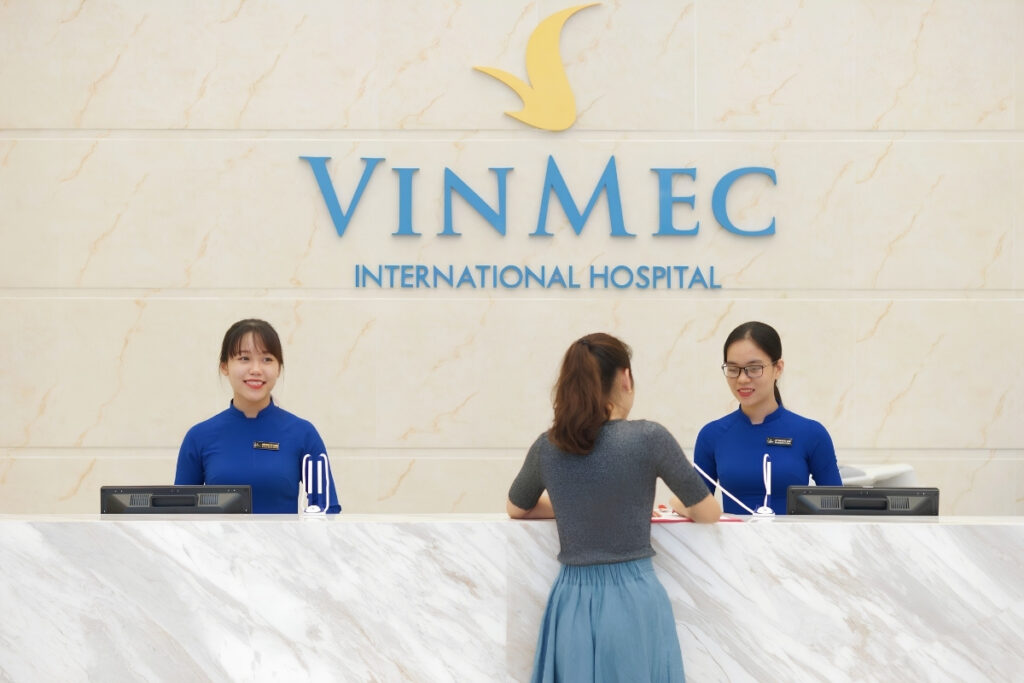
International hospital in Vietnam
Healthcare is one of the biggest concerns for anyone planning to move abroad—and understandably so.
If you’re considering living in Vietnam, you’ll likely have questions about the quality of hospitals, the cost of medical care, health insurance, emergency services, and whether you’ll be able to communicate with doctors in English.
The reassuring news is that Vietnam’s healthcare system has improved significantly over the past two decades. While public hospitals remain the primary choice for most Vietnamese citizens, many foreigners prefer private clinics and international hospitals, where shorter waiting times, modern facilities, and English-speaking medical staff are more common.
Understanding how healthcare works before you need it will help you settle into life in Vietnam with greater confidence.
Is Healthcare in Vietnam Good?
The short answer is yes—particularly in major cities.
Vietnam offers a mix of public hospitals, private medical centers, and internationally accredited hospitals.
The quality of care depends largely on where you live and which type of facility you choose.
In cities such as Ho Chi Minh City, Hanoi, and Da Nang, foreigners have access to modern hospitals equipped with advanced diagnostic technology, experienced specialists, and multilingual medical teams.
In smaller cities and rural areas, facilities may be more limited, particularly for specialized treatments.
For routine care, however, most expatriates find Vietnam’s healthcare system more than adequate.
Understanding Vietnam’s Healthcare System
Vietnam operates a two-tier healthcare system:
Public healthcare
Private healthcare
Both serve important roles, but they’re designed for different needs.
Public Hospitals
Public hospitals form the backbone of Vietnam’s healthcare system.
They provide medical services to millions of residents every year and are staffed by highly trained physicians.
Many of Vietnam’s leading specialists work in public hospitals.
Advantages
Lower treatment costs
Highly experienced doctors
Wide range of specialties
Excellent emergency capability at major hospitals
Things to Know
Public hospitals can also present challenges for newcomers.
You may encounter:
Longer waiting times
Larger patient volumes
Limited English outside international departments
More complex administrative procedures
For foreigners who don’t speak Vietnamese, navigating the system independently may require assistance.
Private Hospitals
Private healthcare has expanded rapidly in recent years.
Many expatriates choose private hospitals because they offer:
Shorter waiting times
Comfortable facilities
Appointment scheduling
English-speaking staff
More personalized service
Private hospitals are especially popular for routine checkups, outpatient treatment, pediatric care, dental services, and preventive medicine.
Although costs are higher than at public hospitals, they remain relatively affordable compared with many Western countries.
International Hospitals
International hospitals are often the preferred choice for long-term foreign residents.
These facilities are designed to serve international patients and typically offer:
Multilingual medical teams
Modern equipment
International treatment standards
Cashless insurance arrangements
Coordinated specialist care
Comfortable inpatient rooms
Doctors may have received training in countries such as the United States, Australia, France, Singapore, Japan, or the United Kingdom.
This level of familiarity often provides reassurance for newcomers adjusting to a different healthcare system.
Can Foreigners See Doctors Easily?
Yes.
In major cities, booking an appointment is generally straightforward.
Many hospitals and clinics offer:
Online booking
Telephone reservations
Walk-in appointments
English-speaking customer service
Waiting times vary depending on the specialty, but private clinics often provide same-day or next-day appointments.
Health Insurance
Although healthcare costs in Vietnam are relatively affordable, medical insurance remains highly recommended.
Insurance provides peace of mind, particularly for:
Hospital admissions
Surgery
Specialist treatment
Medical evacuation
Serious illnesses
Long-term care
Many employers include health insurance as part of their benefits package.
Retirees, digital nomads, entrepreneurs, and self-employed professionals usually arrange their own international health insurance.
How Much Does Medical Care Cost?
Medical expenses in Vietnam vary depending on the hospital, specialty, and complexity of treatment.
The following estimates provide a general idea of common healthcare costs.
Medical Service
Typical Cost (USD)
General consultation
$20–60
Specialist consultation
$40–120
Blood tests
$20–100
X-ray
$20–70
Ultrasound
$30–80
MRI scan
$250–600
Dental cleaning
$25–60
Tooth filling
$30–100
Emergency room visit
$50–300+
Compared with many developed countries, these prices remain relatively accessible.
Emergency Medical Services
Medical emergencies can happen anywhere, so it’s useful to understand how emergency care works in Vietnam.
Large hospitals in major cities operate emergency departments capable of treating:
Traffic accidents
Heart conditions
Stroke
Serious injuries
Severe infections
Ambulance services are available, although response times may vary depending on traffic and location.
Many expatriates choose to travel directly to an international hospital whenever possible.
Long Chau and Pharmacies
One of the conveniences many foreigners notice quickly is how accessible pharmacies are.
Long Chau and Pharmacies can be found throughout cities and towns.
They typically stock:
Cold and flu medicine
Pain relief
Allergy medication
Vitamins
First-aid supplies
Prescription medications
Some pharmacists speak English, especially in larger cities.
However, if you rely on a specific long-term medication, it’s wise to bring an adequate supply when first arriving and confirm local availability afterward.
Vaccinations
Most travelers do not require special vaccinations beyond routine immunizations.
However, depending on your travel plans and medical history, healthcare professionals may recommend additional protection against certain diseases.
Consult your doctor before relocating to determine which vaccinations are appropriate for your circumstances.
Dental Care
Dental treatment is another reason many foreigners speak positively about healthcare in Vietnam.
Clinics offering modern equipment and internationally trained dentists are widely available in major cities.
Common services include:
Routine examinations
Teeth cleaning
Fillings
Crowns
Orthodontics
Cosmetic dentistry
Dental implants
Many international visitors also combine dental treatment with extended stays because prices are often considerably lower than in their home countries.
Mental Health Services
Mental healthcare has become increasingly accessible in Vietnam.
International clinics now offer services including:
Individual counseling
Couples therapy
Family therapy
Child psychology
Psychiatric consultations
Many professionals provide services in English, either in person or online.
Although awareness of mental health continues to grow, availability remains strongest in larger cities.
Women’s Healthcare
Women living in Vietnam have access to a wide range of healthcare services, including:
Routine health screenings
Gynecological care
Pregnancy monitoring
Maternity services
Fertility treatment
Breast health examinations
Many international hospitals provide maternity packages specifically designed for expatriate families.
Children’s Healthcare
Families relocating with children generally find excellent pediatric services in Vietnam’s larger cities.
International hospitals commonly offer:
Pediatric specialists
Vaccination programs
Developmental assessments
Emergency pediatric care
Newborn services
Parents often appreciate the convenience of family medicine clinics where both adults and children can receive treatment.
Medical Care Outside Major Cities
Healthcare quality varies considerably across Vietnam.
Large urban centers offer the widest range of specialists and advanced medical equipment.
In smaller towns, routine medical care is usually available, but more complex conditions may require referral to hospitals in Hanoi, Ho Chi Minh City, or Da Nang.
For this reason, many expatriates living in smaller communities maintain health insurance that covers treatment in larger cities when necessary.
Language and Communication
Language concerns are common among newcomers.
Fortunately, English-speaking doctors and nurses are increasingly available at:
International hospitals
Private clinics
Dental centers
Specialist medical facilities
Reception staff can often assist with translation if needed.
Learning a few basic Vietnamese medical phrases can also make routine appointments easier and demonstrates respect for local healthcare professionals.
Health Tips for New Residents
Maintaining good health while living in Vietnam often comes down to a few practical habits.
Stay Hydrated
Vietnam’s tropical climate can be hot and humid, particularly in the south.
Drink plenty of water throughout the day.
Protect Yourself from the Sun
Use sunscreen, wear lightweight clothing, and avoid prolonged exposure during the hottest part of the afternoon.
Monitor Air Quality
In larger cities, air quality can fluctuate seasonally.
Many long-term residents use:
Air purifiers
Air quality apps
Protective masks on high-pollution days
Practice Food Safety
Vietnam is famous for its street food, and millions of visitors enjoy it safely every year.
Choose vendors with high customer turnover and freshly prepared food.
Basic hygiene precautions go a long way.
Keep Medical Records Accessible
Store digital copies of:
Insurance cards
Vaccination records
Prescriptions
Allergy information
Emergency contacts
Having this information readily available can be invaluable during emergencies.
What Expats Appreciate Most
Many long-term residents say the biggest advantage of private healthcare in Vietnam isn’t just the cost—it’s convenience. Being able to schedule appointments quickly and communicate with English-speaking doctors often makes everyday healthcare much less stressful than expected.
Key Takeaways
Healthcare is one of Vietnam’s strongest advantages for many foreign residents. Major cities offer modern hospitals, skilled medical professionals, and an expanding network of international clinics that make accessing quality care relatively straightforward.
Choosing comprehensive health insurance, knowing where your nearest hospital is, and understanding the differences between public and private facilities will help you feel prepared long before you actually need medical attention.
With a little planning, most expatriates find that staying healthy in Vietnam is both practical and affordable.
Banking and Money in Vietnam
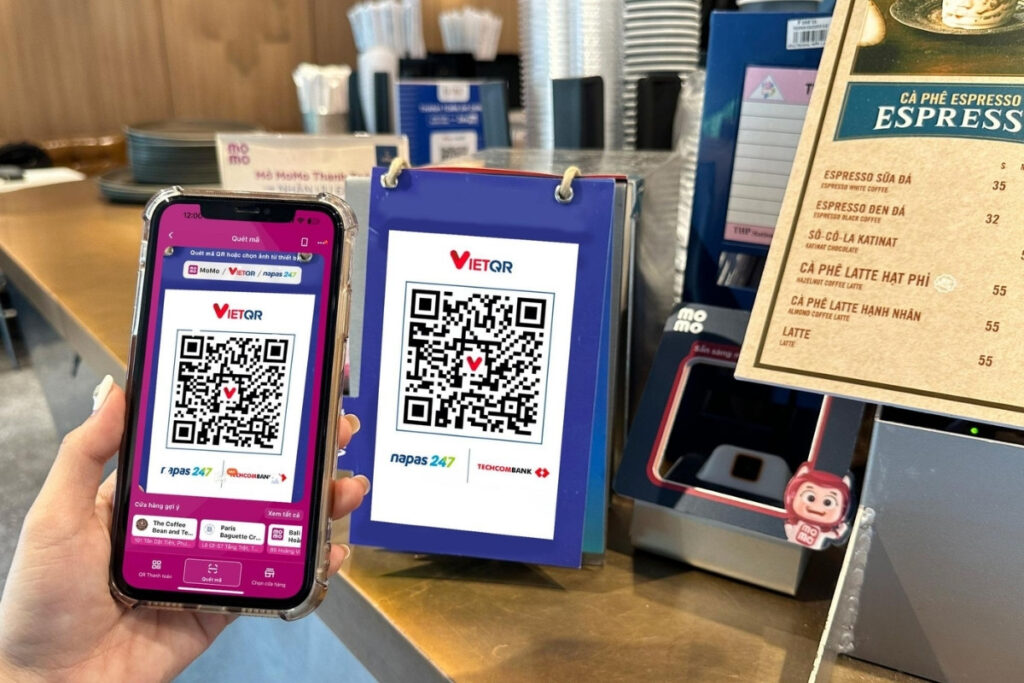
Cashless payments have become a normal part of daily life across Vietnam.
One of the first practical tasks after moving to Vietnam is managing your finances.
Whether you’re receiving a salary, paying rent, transferring money from overseas, shopping at local markets, or simply buying a cup of coffee, understanding how Vietnam’s banking system works will make everyday life much easier.
The good news is that Vietnam has undergone a remarkable digital transformation over the past decade. Mobile banking, contactless payments, QR code transactions, and cashless shopping have become increasingly common, especially in major cities.
At the same time, Vietnam remains a country where cash still plays an important role. Knowing when to use cash and when digital payments are accepted will help you avoid unnecessary inconvenience.
Can Foreigners Open a Bank Account in Vietnam?
Yes.
Foreigners living or working in Vietnam can generally open a local bank account, provided they meet the bank’s requirements and present the necessary documentation.
Having a Vietnamese bank account offers several advantages:
Receiving salary payments
Paying rent and utility bills
Shopping online
Using mobile banking apps
Making domestic transfers
Avoiding repeated international transaction fees
If you’re planning to stay for more than a few months, opening a local account is usually worthwhile.
Documents You May Need
Requirements vary slightly from bank to bank, but foreigners are commonly asked to provide:
A valid passport
A valid visa or residence document
Proof of address
Employment or residency documentation (when applicable)
A completed application form
Some banks may request additional information depending on your immigration status and the type of account you’re opening.
It’s always a good idea to contact the bank in advance or visit a branch to confirm the latest requirements.
Choosing the Right Bank
Vietnam has a mix of state-owned banks, private domestic banks, and international financial institutions.
Rather than choosing a bank based solely on brand recognition, consider factors such as:
English-language support
Mobile banking quality
Branch and ATM availability
International transfer services
Customer service
Foreign currency services
For most foreigners, convenience matters more than finding the “perfect” bank.
If your employer recommends a particular bank, that can also simplify payroll and day-to-day transactions.
Everyday Banking
Once your account is active, everyday banking in Vietnam is generally straightforward.
Most banks offer:
Mobile banking apps
Internet banking
ATM access
Debit cards
Domestic money transfers
Bill payment services
QR code payments
Banking apps have improved dramatically in recent years and allow customers to complete most transactions without visiting a branch.
Mobile Banking
Vietnam is rapidly becoming a mobile-first economy.
Many residents now use their phones for nearly every financial activity.
Common mobile banking features include:
Instant transfers
Utility bill payments
Mobile phone top-ups
QR code payments
Transaction history
Savings accounts
Card management
Once you’ve become familiar with the system, you’ll likely find that very few banking tasks require visiting a physical branch.
QR Code Payments
One of the biggest surprises for many newcomers is how widely QR payments are accepted.
Today, you can often pay by scanning a QR code at:
Coffee shops
Restaurants
Convenience stores
Supermarkets
Pharmacies
Bookstores
Taxi services
Local boutiques
Even some street vendors
This widespread adoption has made cashless payments increasingly convenient across Vietnam.
Cash Still Matters
Despite rapid digitalization, cash remains useful in everyday life.
You’ll still encounter cash-only situations, particularly when:
Shopping at traditional markets
Buying from small family-run businesses
Visiting rural areas
Paying certain parking fees
Purchasing food from smaller street vendors
Keeping a modest amount of Vietnamese đồng (VND) on hand is always a good idea.
Understanding Vietnamese Currency
Vietnam’s official currency is the Vietnamese đồng (VND).
Because the currency has a relatively high numerical value, newcomers sometimes find the number of zeros confusing at first.
For example:
10,000 VND
50,000 VND
100,000 VND
500,000 VND
It doesn’t take long before reading prices becomes second nature.
Many expatriates quickly stop mentally converting every purchase into their home currency, making everyday spending feel much more natural.
Using Debit and Credit Cards
Cards are widely accepted at:
Shopping malls
Hotels
Supermarkets
International restaurants
Hospitals
Large retail stores
However, smaller businesses may still prefer cash or QR payments.
It’s wise to carry more than one payment method in case a card terminal is temporarily unavailable.
ATMs
ATMs are easy to find in cities throughout Vietnam.
They are commonly located at:
Banks
Shopping centers
Convenience stores
Airports
Tourist districts
Foreign-issued cards generally work at many ATMs, although withdrawal limits and transaction fees vary depending on both your home bank and the Vietnamese ATM operator.
If you’re relying on an overseas account, check the international withdrawal fees before making frequent cash withdrawals.
International Money Transfers
Many foreigners continue to receive income from abroad.
International transfers may be necessary for:
Salary payments
Retirement income
Family support
Business transactions
Investment income
Transfer costs, exchange rates, and processing times vary depending on the service you use.
Before moving to Vietnam, compare different providers to understand the total cost—not just the advertised transfer fee.
A slightly better exchange rate can often save more money than a lower service charge.
Exchanging Foreign Currency
Currency exchange services are widely available in major cities.
Common places include:
Banks
Licensed exchange counters
Airports
Some hotels
For security and legal reasons, always use authorized currency exchange providers rather than informal street exchanges.
Retaining your exchange receipts can also be useful if you later need to convert Vietnamese đồng back into another currency.
Paying Rent and Utilities
Most landlords accept payment through local bank transfers.
Some may also accept:
Cash
International transfers
Other agreed payment methods
Utilities such as electricity, water, internet, and management fees are increasingly paid online through banking apps or digital payment platforms.
This makes managing monthly household expenses simple and efficient.
Online Shopping
Vietnam’s e-commerce market has expanded rapidly.
Foreign residents frequently shop online for:
Electronics
Clothing
Household goods
Groceries
Pet supplies
Furniture
Health products
Most purchases can be paid using:
Bank transfers
Debit cards
QR payments
Cash on delivery (still available in many cases)
The convenience of home delivery has become a normal part of everyday life in Vietnam.
Budgeting in Vietnam
Although living costs are relatively affordable, budgeting remains important.
Many newcomers are surprised by how quickly small daily purchases can add up.
Popular budgeting categories include:
Housing
Transportation
Food
Entertainment
Healthcare
Travel
Utilities
Savings
Tracking your spending during the first few months can help you better understand your personal cost of living.
Financial Safety Tips
Like anywhere else, it’s wise to protect your finances.
Simple precautions include:
Using strong passwords for banking apps
Enabling two-factor authentication where available
Avoiding public Wi-Fi for financial transactions
Reviewing account activity regularly
Never sharing one-time verification codes with anyone
Banks rarely ask customers to disclose passwords or verification codes over the phone.
If something feels suspicious, contact your bank directly.
Taxes and Financial Planning
Foreign residents who work or operate businesses in Vietnam may have tax obligations depending on factors such as:
Residency status
Source of income
Employment arrangements
Applicable tax treaties
Because every situation is different, it’s advisable to seek professional tax advice if you expect to earn income in Vietnam over an extended period.
Good financial planning early on can prevent unnecessary complications later.
Good to Know
Cashless payments are becoming increasingly common, but carrying a small amount of Vietnamese đồng is still useful. Some neighborhood cafés, traditional markets, and family-run businesses continue to prefer cash or local QR payments.
Transportation in Vietnam
Vietnam transportation covers everything tourists need to know about flights, trains, buses, taxis, scooters, ferries, and local transportation across Vietnam.
Getting around Vietnam is easier than many newcomers expect.
Whether you’re commuting to work, exploring a new neighborhood, or planning a weekend getaway, Vietnam offers a variety of transportation options to suit different budgets and lifestyles.
Most foreign residents combine several methods of transportation rather than relying on a single one.
Ride-Hailing Apps
For many expatriates, ride-hailing services become part of everyday life.
Booking a ride takes only a few seconds through a smartphone, making transportation convenient even for people who never plan to drive in Vietnam.
Ride-hailing services are commonly used for:
Daily commuting
Airport transfers
Grocery shopping
Late-night transportation
Weekend outings
For newcomers, this is often the easiest and safest way to travel while learning the city.
Motorbikes
Motorbikes remain Vietnam’s most iconic form of transportation.
Owning one offers flexibility and freedom, particularly if you live outside the city center.
However, driving in Vietnam requires confidence, awareness, and a good understanding of local traffic conditions.
Many foreigners choose not to purchase a motorbike immediately and instead rely on ride-hailing services during their first few months.
Public Transportation
Public transportation continues to improve.
Major cities now offer:
Public buses
Urban rail systems
Airport shuttle services
As infrastructure expands, public transport is becoming a more practical option for daily commuting.
Domestic Flights
Because Vietnam stretches over 1,600 kilometers (1,000 miles) from north to south, flying is often the fastest way to travel.
Affordable domestic flights make it easy to explore different regions during weekends or public holidays.
Many long-term residents regularly travel between cities for work or leisure.
Reliable internet has become one of Vietnam’s strongest advantages for foreign residents.
Whether you’re attending online meetings, streaming entertainment, or running an online business, staying connected is rarely a problem in major cities.
Fiber broadband is widely available, and mobile data is both affordable and fast.
Remote workers often describe Vietnam as one of the most convenient countries in Southeast Asia for working online.
Working in Vietnam
Vietnam continues to attract professionals from around the world thanks to its growing economy and expanding international business environment.
Foreigners work in a wide variety of industries, including:
Education
Information technology
Manufacturing
Hospitality
Finance
Marketing
Engineering
International trade
In recent years, remote work has also become increasingly common, allowing many professionals to enjoy Vietnam’s lifestyle while working for overseas employers.
Learning Vietnamese
You don’t need to become fluent before moving to Vietnam.
In many international environments, English is widely understood.
However, learning even a few Vietnamese phrases can make daily life much easier.
Simple greetings, numbers, and polite expressions often create warmer interactions with local people.
Many expatriates discover that their experience becomes more rewarding as their language skills improve.
Vietnamese Culture and Everyday Etiquette
One of the most enjoyable aspects of living in Vietnam is discovering the country’s rich cultural traditions.
Respect, hospitality, and family play important roles in everyday life.
Understanding a few basic customs will help you build positive relationships with neighbors, coworkers, and friends.
Some helpful guidelines include:
Remove your shoes when entering many homes.
Dress respectfully when visiting temples and pagodas.
Greet older people politely.
Accept and offer items with care and respect.
Speak calmly during disagreements.
Show patience in busy public places.
These small gestures are appreciated and often lead to warmer interactions.
Making Friends in Vietnam
Moving abroad doesn’t have to mean feeling isolated.
Vietnam has a vibrant international community, especially in larger cities.
Many newcomers build friendships through:
Language exchanges
Sports clubs
Volunteer organizations
Professional networking events
Coworking spaces
Photography groups
Hiking communities
Social media groups
At the same time, building friendships with Vietnamese people offers valuable insight into local culture and everyday life.
Many expatriates describe these relationships as one of the most rewarding parts of living in Vietnam.
Overall, Vietnam is widely considered one of the safer destinations in Southeast Asia for both travelers and long-term residents.
Violent crime affecting foreigners is relatively uncommon.
Nevertheless, like any country, sensible precautions remain important.
Common Safety Tips
Keep valuables secure in crowded areas.
Be alert when crossing busy streets.
Use licensed transportation services.
Protect your passport and important documents.
Avoid carrying large amounts of cash.
Stay informed about local weather conditions during the rainy season.
Most expatriates report feeling comfortable walking around their neighborhoods during both day and evening hours while exercising normal common sense.
Bringing Your Family
Vietnam has become increasingly popular among families relocating from overseas.
Many cities offer:
International schools
Modern healthcare
Family-friendly apartment complexes
Parks
Children’s activity centers
International supermarkets
Families often appreciate the slower pace of life and the opportunity to spend more time together.
Bringing Pets
Many foreigners successfully relocate with their pets.
Before moving, it’s important to research:
Import requirements
Vaccination records
Airline policies
Veterinary services
Pet-friendly housing
Large cities now have a growing number of veterinary clinics, pet supply stores, and grooming services.
Common Mistakes New Expats Make
Every newcomer experiences a learning curve.
Some of the most common mistakes include:
Renting an apartment too quickly.
Ignoring visa requirements.
Not purchasing health insurance.
Underestimating the weather.
Driving before becoming familiar with local traffic.
Comparing everything to home instead of embracing local culture.
Keeping an open mind makes the adjustment much smoother.
Cultural Tip
One of the easiest ways to build positive relationships in Vietnam is simply showing patience and respect. Learning a few Vietnamese greetings, smiling, and observing local customs often creates warmer interactions than speaking perfect English.
Frequently Asked Questions
Can fIs Vietnam a good place to live for foreigners?
Yes. Vietnam is one of Southeast Asia’s most attractive countries for expats thanks to its affordable living costs, excellent food, modern cities, reliable internet, and welcoming communities. Cities such as Ho Chi Minh City, Hanoi, and Da Nang are particularly popular among international residents.
How much money do I need to live comfortably in Vietnam?
A single person can usually enjoy a comfortable lifestyle on USD 900–1,500 per month, while couples often spend USD 1,800–3,000, depending on the city and lifestyle.
Which city is best for expats in Vietnam?
It depends on your priorities. Ho Chi Minh City offers the strongest job market, Hanoi is ideal for culture and history, Da Nang is popular with digital nomads and beach lovers, while Hoi An and Da Lat appeal to people seeking a slower pace of life.
Is healthcare in Vietnam good?
Yes. Major cities have excellent private clinics and international hospitals with English-speaking doctors. Many long-term expats choose private healthcare because appointments are easy to schedule and costs remain affordable compared with many Western countries.
Can foreigners buy property in Vietnam?
Foreigners can purchase certain types of residential property under Vietnamese law, but ownership rules differ from those in many Western countries. It’s important to understand the current regulations and seek professional legal advice before buying.
Can I live in Vietnam without speaking Vietnamese?
Yes. Many foreigners live comfortably using English, especially in major cities. However, learning a few basic Vietnamese phrases can make daily life easier and help you connect more naturally with local people.
Is Vietnam safe for long-term residents?
Vietnam is generally considered one of the safest countries in Southeast Asia for both travelers and expats. Petty theft can occur in busy tourist areas, but violent crime affecting foreigners is relatively uncommon. Using common-sense precautions is usually enough.
Can digital nomads live in Vietnam?
Yes. Vietnam has become one of Asia’s most popular destinations for remote workers thanks to its fast internet, affordable cost of living, vibrant café culture, and growing coworking community. However, remote workers should always ensure they comply with current Vietnamese immigration rules.
What’s It Really Like to Live in Vietnam?
Living in Vietnam isn’t simply about spending less money or enjoying better weather. For many foreigners, it’s the small everyday moments that make the biggest difference—morning coffee at a neighborhood café, friendly conversations with local vendors, weekend trips to the mountains or the beach, and discovering a rhythm of life that’s both energetic and surprisingly relaxed. Those experiences are often what transform Vietnam from a temporary destination into a place people genuinely call home.
Coffee shops are an important part of daily life for both locals and expats.
Final Thoughts
Moving to another country is about far more than finding an apartment or securing the right visa. It’s about building a new routine, adapting to a different culture, and creating a place that feels like home.
Vietnam offers a rare combination of affordability, opportunity, natural beauty, and cultural richness. From the lively streets of Ho Chi Minh City and the timeless charm of Hanoi to the beaches of Da Nang and the peaceful highlands of Da Lat, the country provides a lifestyle that appeals to a wide range of people.
Life here isn’t without its challenges. Learning to navigate busy traffic, understanding local customs, and adjusting to a different pace of life all take time. Yet for many foreigners, these challenges gradually become part of the adventure.
Those who arrive with curiosity, patience, and an open mind often discover something unexpected: Vietnam becomes more than just a destination. It becomes a place where friendships grow, everyday moments feel meaningful, and ordinary routines are enriched by extraordinary experiences.
Whether you’re planning a short stay, pursuing a career, retiring abroad, or simply looking for a fresh start, Vietnam offers countless opportunities to build a rewarding life. The journey begins long before your flight lands—it begins with understanding the country, preparing well, and embracing everything that makes Vietnam unique.
We hope this guide has given you a practical foundation for that journey. When you’re ready to explore further, our in-depth guides on visas, healthcare, housing, culture, food, and destinations across Vietnam will help you navigate each step with confidence.
Continue Exploring Vietnam
Planning your move is only the beginning. Explore more expert guides to help you discover Vietnam with confidence:
The Tam Voc Viet Editorial Team is dedicated to creating practical, well-researched travel guides that help international visitors explore Vietnam with confidence. Our content combines local knowledge, cultural insights, and up-to-date information to support travelers, digital nomads, and future expats.
Whether you’re planning your first trip or considering a long-term move, our goal is to help you experience the real Vietnam beyond the typical tourist trail.
Explore more:Vietnam Travel Guide, Vietnam Culture Guide, Vietnam Food Guide, and Living in Vietnam.
Last updated: July 2026 Editorial review: Tam Voc Viet Editorial Team Estimated reading time: 45 minutes
Tam Voc Viet
Tam Voc Viet is dedicated to sharing authentic insights into Vietnam’s culture, history, travel, cuisine, and people. Our mission is to help international readers discover Vietnam through accurate, well-researched, and engaging content. Every article is created with a focus on quality, reliability, and real value for travelers and anyone interested in Vietnam.



 Tiếng Việt