


 Tiếng Việt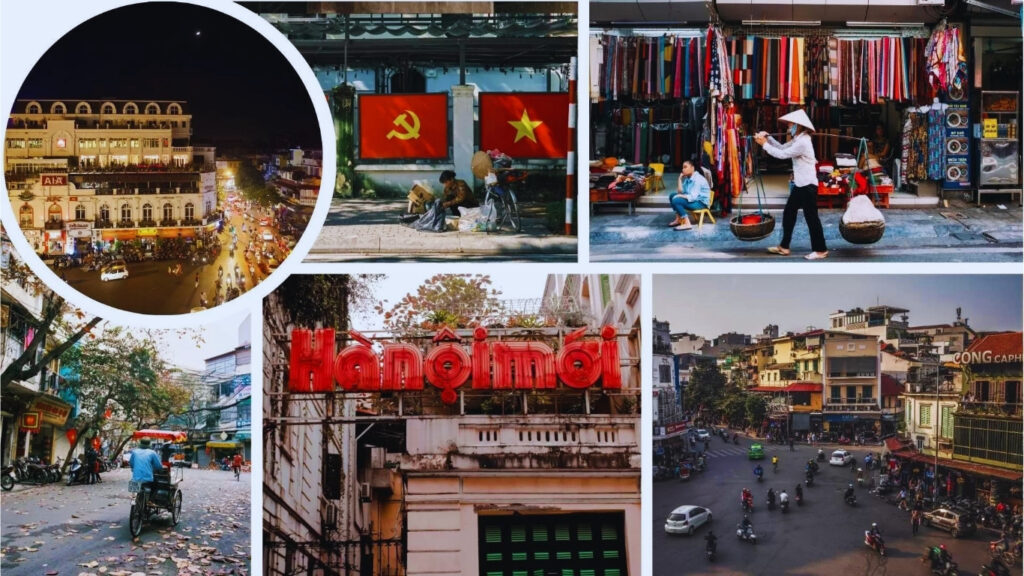
Planning a trip to Vietnam and wondering how much money you’ll actually spend?
For most travelers, Vietnam feels surprisingly affordable — especially compared with destinations like Japan, South Korea, or even parts of Thailand.
You can eat incredible local food for just a few dollars, stay in stylish boutique hotels without overspending, and travel across the country on a relatively small budget.
But prices in Vietnam can vary more than many first-time visitors expect.
A backpacker sleeping in hostels and eating street food may spend under $30 USD per day, while luxury beach resorts in places like Phu Quoc can easily rival resort prices in Europe or the Maldives.
This Vietnam travel cost guide breaks down realistic 2026 prices for:
- Hotels and hostels
- Food and drinks
- Domestic transportation
- Tours and attractions
- SIM cards and internet
- Daily budgets
- Hidden travel costs tourists often overlook
Whether you’re backpacking Southeast Asia or planning a comfortable vacation, this guide will help you budget your Vietnam trip realistically.
Table of Contents
Is Vietnam Expensive for Tourists?
For most Americans, Canadians, Australians, and European travelers, Vietnam is considered a very affordable destination.
In fact, many travelers are shocked by how far their money goes here.
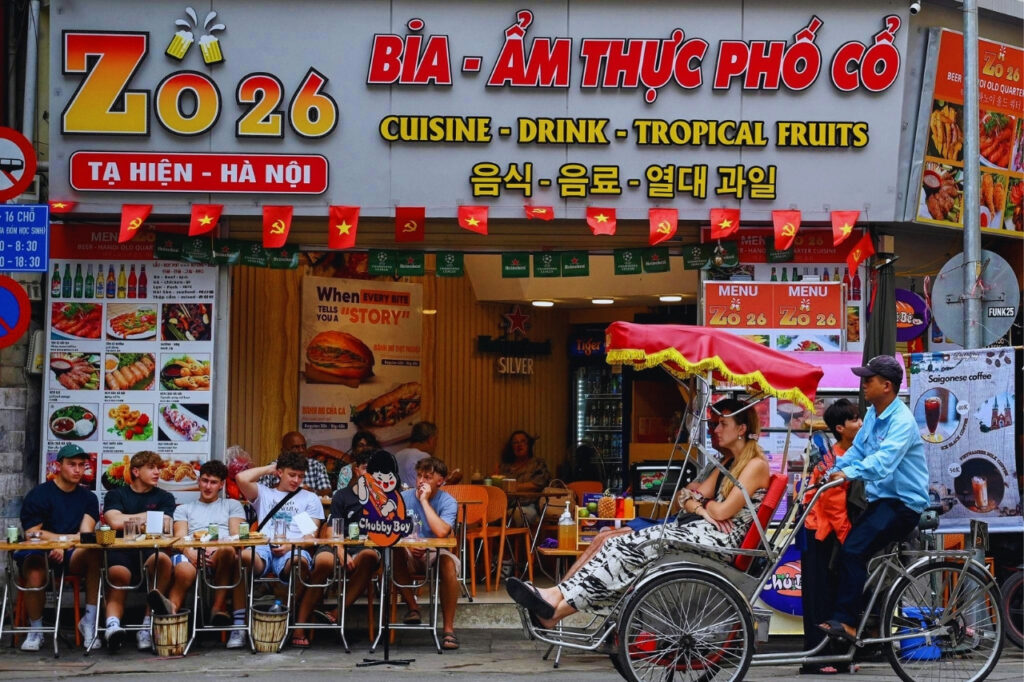
A full Vietnamese street food meal often costs less than a coffee in major US cities.
Even in popular tourist destinations like Hanoi or Ho Chi Minh City, daily travel expenses are generally much lower than in North America or Western Europe.
That said, Vietnam is no longer the ultra-cheap destination it was 10 years ago. Prices have increased steadily in tourist areas, beach destinations, and luxury travel sectors.
Still, Vietnam remains one of the best-value countries in Asia for international travelers.
Average Daily Travel Budget in Vietnam
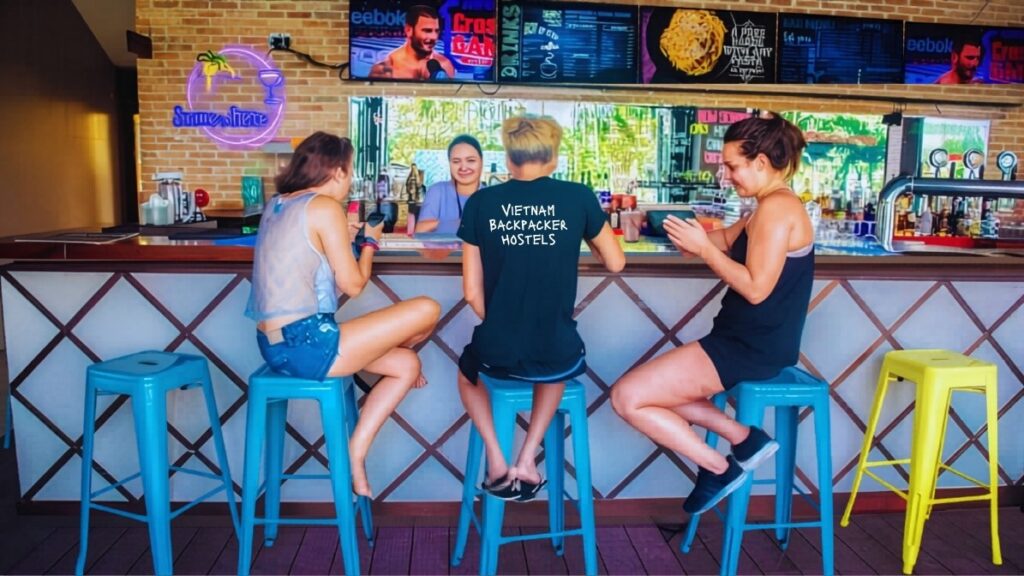
Backpacker Budget: $25–40 USD Per Day
A backpacker budget typically includes:
- Hostel dorms
- Street food
- Sleeper buses
- Local cafés
- Budget activities
Many backpackers traveling through Vietnam spend less than they would during a normal day at home.
Mid-Range Budget: $50–120 USD Per Day
This is the most common budget range for international travelers.
It usually includes:
- Comfortable hotels
- Domestic flights
- Air-conditioned transportation
- Tours and attractions
- Restaurant meals
- Coffee shops and nightlife
At this price point, Vietnam offers exceptional value.
Many mid-range hotels in Vietnam would cost two or three times more in the US or Europe.
Luxury Budget: $150–400+ USD Per Day
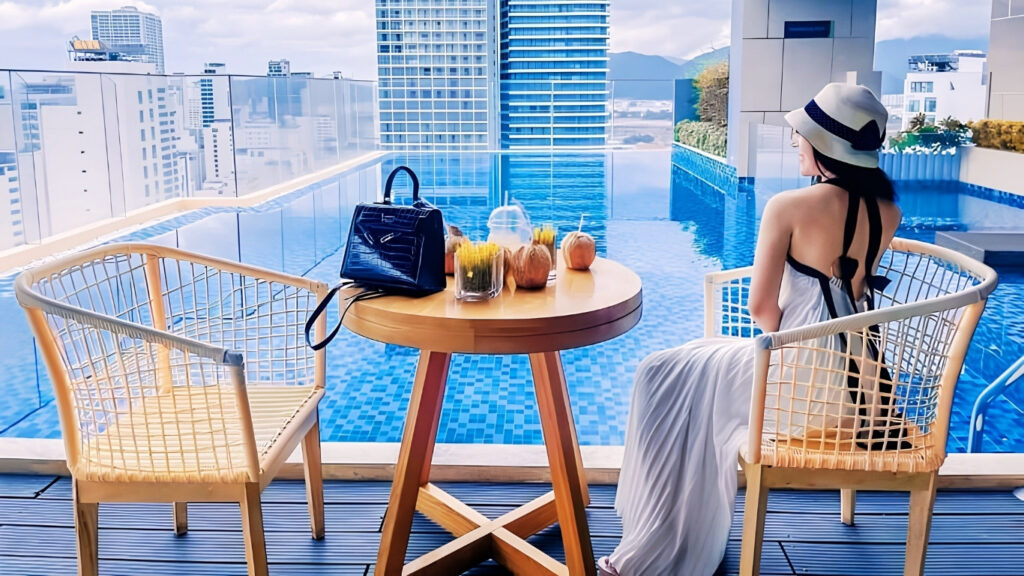
Luxury travel in Vietnam can still feel relatively affordable compared with other luxury destinations worldwide.
You’ll find:
- Beachfront resorts
- Private villas
- Spa retreats
- Rooftop fine dining
- Private drivers
- Luxury cruises
Popular luxury destinations include:
Accommodation Costs in Vietnam
Vietnam has accommodation options for nearly every type of traveler.
Hostel Prices in Vietnam
Average prices:
- Dorm beds: $5–12 USD
- Private hostel rooms: $15–30 USD
Backpacker hotspots include:
Many hostels now include:
- Air conditioning
- Free breakfast
- Coworking spaces
- Social events
- Pools and rooftop bars
Vietnam’s hostel scene is often cleaner and more modern than travelers expect.
Mid-Range Hotels
Average prices:
- 3-star hotels: $30–70 USD
- Boutique hotels: $50–120 USD
- Apartments: $40–100 USD
One thing travelers quickly notice in Vietnam is how competitive the hotel market is.
In cities like Da Nang, it’s possible to book a modern hotel with breakfast, strong Wi-Fi, and a central location for less than the price of a basic roadside motel in the US.
Luxury Resorts
Average prices:
- Luxury hotels: $120–300 USD
- Beach resorts: $200–600 USD
- Private villas: $800+ USD
Luxury resorts are especially popular in:
- Phu Quoc
- Nha Trang
- Da Nang
While Vietnam can be cheap, premium travel experiences here are becoming increasingly sophisticated.
Food Costs in Vietnam
Food is one of the biggest reasons travelers fall in love with Vietnam.
And fortunately, it’s still very affordable.
Street Food Prices
Typical prices:
- Pho: $1.50–3 USD
- Banh Mi: $1–2 USD
- Bun Cha: $2–4 USD
- Vietnamese coffee: $1–3 USD
- Fresh local beer: often under $1 USD
Local Traveler Tip
In Hanoi, many of the best local food stalls open extremely early — sometimes before 6 AM. Watching the city wake up over a bowl of pho and strong Vietnamese coffee is an experience many first-time visitors miss.
Also, the busiest food stalls are often the best sign of quality and freshness.
Restaurant Prices
Average costs:
- Local restaurants: $3–8 USD
- Tourist restaurants: $8–20 USD
- Fine dining: $30–100+ USD
Vietnam’s food scene has evolved rapidly over the last decade.
Cities like Ho Chi Minh City now offer world-class dining experiences at prices far lower than equivalent restaurants in New York, Los Angeles, or London.
Transportation Costs in Vietnam
Because Vietnam is a long country stretching over 1,600 km from north to south, transportation can become one of your largest travel expenses.
Domestic Flights
Typical one-way flight prices:
- Hanoi → Da Nang: $40–90 USD
- Ho Chi Minh City → Hanoi: $60–150 USD
- Ho Chi Minh City → Phu Quoc: $40–120 USD
Main airlines include:
- Vietnam Airlines
- VietJet Air
- Bamboo Airways
Local Traveler Tip
Domestic flight prices can increase dramatically during Vietnamese holidays, especially Tet (Lunar New Year). Booking early can save significant money.
Sleeper Trains
Average prices:
- Short train rides: $10–30 USD
- Overnight sleepers: $30–80 USD
Many travelers prefer trains for the scenery rather than speed.
The coastal route between Da Nang and Hue is considered one of the most beautiful train journeys in Southeast Asia.
Buses and Sleeper Buses
Average prices:
- Local buses: $5–15 USD
- Overnight sleeper buses: $15–35 USD
Sleeper buses are cheap and common, though comfort levels vary widely.
For taller travelers, overnight buses can sometimes feel cramped compared with Western standards.
Xanh SM, Grab and Taxi Costs
Xanh Sm and Grab are the easiest transportations app for most tourists in Vietnam.
Typical prices:
- Short rides: $1–5 USD
- Airport transfers: $8–20 USD
- Motorbike taxis: often under $2 USD
Local Traveler Tip
Using Grab usually helps travelers avoid taxi scams and eliminates the need to negotiate prices in Vietnamese.
Vietnam Visa Costs
Most travelers entering Vietnam now use the Vietnam e-visa system.
Typical costs:
- E-visa fee: around $25 USD
- Airport fast-track services: optional extra fee
- Visa extension costs: vary depending on nationality and duration
Visa policies can change, so travelers should always check official immigration information before departure.
Attraction & Tour Costs
Vietnam offers a wide range of affordable tours and experiences.
Typical Tour Prices
- Ha Long Bay cruises: $50–250+ USD
- Mekong Delta tours: $25–80 USD
- Cu Chi Tunnels tours: $20–50 USD
- Cooking classes: $20–45 USD
Cheaper tours are available, but quality can vary significantly.
For activities like Ha Long Bay cruises, paying slightly more often leads to a noticeably better experience.
SIM Cards and Internet Costs
Vietnam is considered one of the easier countries in Asia for staying connected.
Typical tourist SIM prices:
- Tourist SIM cards: $5–15 USD
- Large data packages: $10–20 USD
Popular providers:
- Viettel
- Mobifone
- Vinaphone
Wi-Fi is widely available throughout Vietnam, including in cafés, hotels, coworking spaces, and many restaurants.
Hidden Costs Travelers Often Forget
Many Vietnam travel budgets underestimate small daily expenses.
Common hidden costs include:
- ATM withdrawal fees
- Laundry
- Travel insurance
- Airport transfers
- Tips for guides/drivers
- Coffee shops and nightlife
- Luggage fees on budget airlines
These smaller costs can add up surprisingly quickly over a longer trip.
Is Vietnam Cheaper Than Thailand?
For many travelers, yes.
Vietnam is often slightly cheaper than major tourist areas in Thailand, especially for:
- Food
- Coffee
- Transportation
- Hotels
However, prices depend heavily on destination and travel style.
Luxury resorts and heavily touristed areas in Vietnam are becoming more expensive every year.
Cash vs Card in Vietnam
Vietnam still relies heavily on cash, especially in:
- Street food stalls
- Markets
- Smaller towns
- Family-run cafés
Cards are becoming more common in:
- Hotels
- Shopping malls
- Modern restaurants
- Convenience stores
Local Traveler Tip
Walking just a few streets away from major tourist attractions often leads to noticeably cheaper food prices and more authentic local experiences.
How Much Money Should You Bring for a Vietnam Trip?
Estimated budget for a 2-week Vietnam trip:
| Travel Style | Estimated Budget |
|---|---|
| Backpacker | $500–800 USD |
| Mid-range | $1,200–2,000 USD |
| Luxury | $3,500+ USD |
These estimates do not include international airfare.
Prices may also fluctuate depending on:
- Travel season
- Exchange rates
- Vietnamese holidays
- Destination popularity
FAQs About Vietnam Travel Cost
Can You Travel Vietnam for $30 a Day?
Yes — especially for backpackers using hostels, street food, and buses.
However, comfort levels will be basic.
Is Vietnam Expensive for Americans?
Most American travelers consider Vietnam very affordable compared with the US.
Hotels, food, transportation, and services generally cost significantly less.
How Much Cash Should I Carry in Vietnam?
Many travelers carry the equivalent of $30–100 USD daily in Vietnamese Dong for food, taxis, and small purchases.
Are Credit Cards Widely Accepted?
Cards are accepted in many hotels and restaurants, but cash is still essential in smaller businesses and local areas.
What Is the Most Expensive Part of Traveling Vietnam?
For most tourists, domestic flights and luxury accommodation are the largest expenses.
Final Thoughts on Vietnam Travel Cost?
Absolutely.
Vietnam remains one of the best-value travel destinations in Asia, and this Vietnam Travel Cost Guide shows why so many international travelers consider Vietnam an affordable yet unforgettable destination.
Whether you’re:
- Backpacking through the north,
- Relaxing at beach resorts,
- Exploring historic towns,
- Or working remotely as a digital nomad,
Vietnam delivers exceptional value compared with many destinations in Asia and beyond.
For many visitors, the biggest surprise is not the Vietnam travel cost itself — it’s how much comfort, adventure, and local culture they experience within a relatively affordable budget.
If you’re planning your trip, you may also want to explore our guides to:
- Vietnam Visa Guide
- Best Places to Visit in Vietnam
- Best Vietnam Tours
- Best Resorts in Vietnam
- Best Places for Digital Nomads in Vietnam
- Vietnam Transportation Guide
These internal guides help travelers better understand transportation, budgeting, itineraries, accommodation, and local travel experiences across Vietnam.
Our YouTube Channel
TAM VOC VIET – VIETNAM INSIGHTS
We share:
- Local travel insights
- Vietnam travel tips
- Cultural experiences
- Hidden gems
- Food recommendations
- And practical advice for international travelers visiting Vietnam
Author Note
Written from the perspective of long-term travel experience across Hanoi, Ho Chi Minh City, Da Nang, Hoi An, and Phu Quoc, with updated Vietnam travel prices and observations for international visitors in 2026.
Vietnam is not just easy to visit in 2026 — it remains one of the most rewarding and budget-friendly travel experiences in the world.
